Is Rowing a Good Exercise to Lose Weight

Is rowing a good exercise to lose weight? Absolutely. Rowing delivers a powerful full body workout that burns serious calories while building lean muscle. It combines cardiovascular exercise with muscle engagement in one smooth motion, making it one of the most efficient fat burning tools available. Whether you are a beginner or a fitness pro, rowing can fit your weight loss journey perfectly.
Have you been wondering whether rowing is a good exercise to lose weight? The short answer is yes. Rowing machines have exploded in popularity over the past few years, and for good reason. They offer a unique blend of cardiovascular training and strength building that few other pieces of equipment can match.
When you think about weight loss exercises, you probably picture running on a treadmill or grinding out miles on a bike. While those are effective, they often put heavy stress on your knees, hips, and ankles. Rowing changes the game entirely. It gives you a low impact workout that torches calories without pounding your joints.
But does rowing actually help you lose weight? And how does it compare to other popular cardio machines? In this guide, we will break everything down. You will learn exactly how many calories rowing burns, the best rowing workouts for fat loss, and the common mistakes that hold people back. By the end, you will know whether a rowing machine belongs in your home gym.
Key Takeaways
- Rowing burns 400-800 calories per hour: Making it a top-tier cardio exercise for weight loss.
- It works 86% of your muscles: A true full body workout that builds strength and endurance simultaneously.
- Low impact on joints: Perfect for people who need a gentle exercise option that still delivers results.
- Proper form is critical: Using the right rowing technique prevents injury and maximizes calorie burn.
- Consistency matters most: Pairing your rowing workouts with a healthy diet gives the best weight management outcomes.
- Both HIIT and steady state rowing work: You can choose the style that fits your fitness level and goals.
📑 Table of Contents
How Rowing Burns Calories for Weight Loss
At its core, weight loss comes down to one simple equation. You need to burn more calories than you consume. Rowing helps you do that in a big way. A moderate rowing workout can burn between 400 and 800 calories per hour, depending on your weight, intensity, and exercise duration.
What makes rowing so effective for calorie burn is that it engages your entire body. When you pull the handle, you work your arms, shoulders, back, and core. When you push off with your legs, you activate your quads, hamstrings, and glutes. That means your body is working harder, which means you are burning more energy.
Here is a quick look at estimated calorie burn for a 155-pound person during a 30-minute session:
- Light rowing (moderate pace): 200-260 calories
- Moderate rowing (steady effort): 260-340 calories
- Vigorous rowing (high intensity): 340-440 calories
- HIIT rowing intervals: 300-400 calories (plus afterburn effect)
One of the biggest advantages of rowing for weight loss is the afterburn effect. High intensity sessions boost your metabolism for hours after you finish working out. This is sometimes called excess post-exercise oxygen consumption, or EPOC. Your body keeps burning calories long after you leave the machine.
Compared to many other cardio exercises, rowing offers a higher muscle engagement rate. More muscle involvement means more energy expenditure. That is why many fitness experts consider rowing one of the most efficient fat burning exercises you can do. If you want to maximize your calorie burn in less time, rowing is hard to beat.
Is Rowing Better Than Other Cardio Exercises?
Let us be real. There are dozens of cardio exercises out there. Running, cycling, swimming, elliptical training, jump rope, and rowing all promise weight loss results. So where does rowing stack up? The answer might surprise you.
Rowing stands out because it combines upper body and lower body movement in a single exercise. Most cardio machines focus on one area. A treadmill primarily works your legs. An elliptical targets your lower body with some arm movement. But rowing pulls everything into one fluid motion.
Here is how rowing compares to some popular alternatives:
- Rowing vs. Treadmill: Treadmill running burns a similar number of calories, but it hits your joints much harder. Rowing is far easier on your knees and ankles. For people with joint pain or injuries, rowing is often the better choice.
- Rowing vs. Elliptical: Both offer low impact cardiovascular exercise. However, rowing engages more muscle groups, especially in your back and arms. This gives rowing a slight edge for overall calorie burn and body composition improvement.
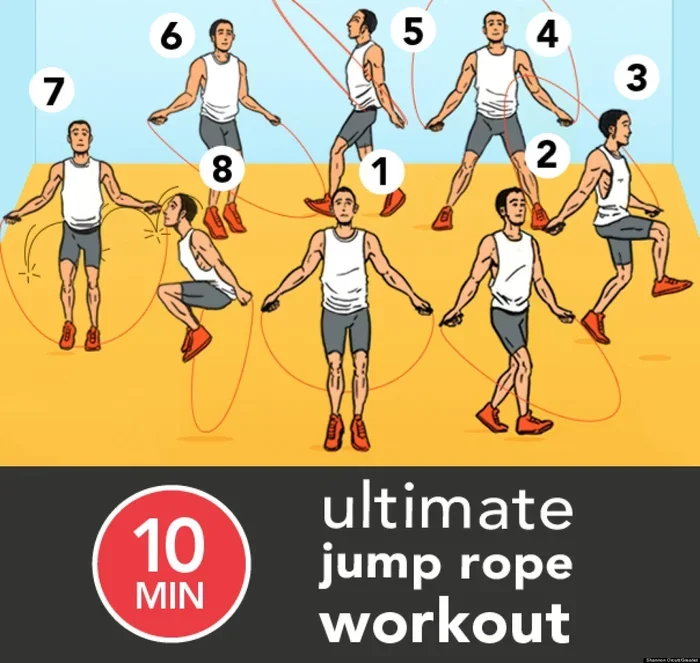
- Rowing vs. Jump Rope: Jump rope is incredibly effective for weight loss, but it is high impact and can be tough on your ankles and feet. Rowing delivers similar calorie burn with much less stress on your body.
- Rowing vs. Stationary Bike: Bikes are great for leg conditioning and heart health, but they do not engage your upper body. Rowing gives you a more balanced full body workout that builds more muscle.
One thing to keep in mind is that the best exercise for weight loss is the one you will actually do consistently. If you hate running, do not force yourself onto a treadmill. If you enjoy the rhythm of rowing, you will show up every day. And consistency is what drives real weight management results.
For those interested in comparing rowing to other options more deeply, check out our guide on Is A Rowing Machine Good Exercise For Weight Loss for a detailed breakdown of how rowing stacks up against other machines.
How to Use a Rowing Machine for Maximum Fat Loss
Knowing how to use a rowing machine properly makes all the difference. Poor form not only reduces your calorie burn but also increases your risk of injury. Let us walk through the basics step by step.
Proper Rowing Form
The rowing stroke has four phases. Mastering each one will help you get the most out of every session.
- The Catch: Start with your knees bent and your shins vertical. Grab the handle with an overhand grip. Your arms are extended, and your shoulders are relaxed forward.
- The Drive: Push through your heels and extend your legs. Once your legs are straight, pull the handle toward your lower chest. Your elbows should flare out slightly.
- The Recovery: Extend your arms forward, then lean your torso slightly forward, and finally bend your knees to slide back to the catch position.
- Repeat: Maintain a smooth, continuous rhythm. Do not rush the recovery phase. Control is key.
Remember, rowing is about power from your legs, not just your arms. Many beginners make the mistake of pulling too hard with their upper body. Focus on driving through your legs first, and let your arms finish the stroke. This approach protects your back and maximizes your muscle engagement.
If you want a deeper dive into proper technique, our article How To Use A Rowing Machine To Lose Weight covers every detail you need to get started safely and effectively.
Rowing Workout Plans for Weight Loss
Not all rowing workouts are created equal. Different approaches target different fitness goals. Here are three proven plans to help you lose weight.
1. Steady State Rowing
This is the simplest approach. Row at a moderate pace for 30 to 45 minutes. Keep your heart rate between 60 and 70 percent of your maximum. This builds endurance and burns a steady stream of calories. It is perfect for beginners or recovery days.
2. HIIT Rowing Intervals
High intensity interval training is one of the most effective ways to boost fat burning. Try this: row as hard as you can for 30 seconds, then recover at a slow pace for 60 seconds. Repeat for 15 to 20 minutes. HIIT not only burns calories during the workout but also keeps your metabolism elevated for hours afterward.
3. Pyramid Workout
Start with a 1-minute hard row, then 1 minute easy. Then 2 minutes hard, 1 minute easy. Then 3 minutes hard, 1 minute easy. Continue increasing until you can no longer maintain the pace, then work your way back down. This workout routine challenges both your cardiovascular system and your muscles.
For more specific guidance on rowing workout plans, take a look at our detailed piece on How Long On A Rowing Machine To Lose Weight. It covers exactly how much time you should spend on the machine each week to see real results.
The Full Body Benefits of Rowing
One of the biggest reasons people fall in love with rowing is the full body benefits. Unlike machines that isolate specific muscle groups, rowing brings everything to the table. This makes it an incredibly efficient exercise for people who want results in less time.
Here are the major muscle groups you work during every stroke:
- Legs: Quads, hamstrings, glutes, and calves power the drive phase.
- Back: Your lats, rhomboids, and traps pull the handle toward your body.
- Arms and Shoulders: Biceps, forearms, and rear delts complete the pull.
- Core: Your abs and obliques stabilize your torso throughout the stroke.
- Chest: Your pecs engage during the drive for added upper body strength.
That is an incredible amount of muscle engagement for a single exercise. And more muscle means a higher resting metabolic rate. Even when you are sitting on the couch watching TV, your body burns more calories because you have more lean muscle mass.
Beyond calorie burn and muscle building, rowing also offers serious heart health benefits. Regular cardiovascular exercise strengthens your heart, improves circulation, and lowers blood pressure. These benefits extend far beyond just looking good. They contribute to long term health and wellness.
Rowing also has a positive effect on your mental health. The rhythmic, repetitive motion can be meditative. Many rowers describe the feeling as “flow state.” This reduces stress and anxiety, which are often linked to emotional eating and weight gain. So rowing helps you lose weight from the inside out.
Common Mistakes to Avoid When Rowing for Weight Loss
Even though rowing is a low impact exercise, poor habits can still lead to problems. Avoiding these common mistakes will help you get better results and stay injury free.
- Using only your arms: This is the number one mistake beginners make. Your arms should finish the stroke, not power it. Let your legs do the heavy lifting.
- Rounding your lower back: Keep your core tight and your back straight throughout the entire stroke. Rounding your back puts unnecessary pressure on your spine.
- Rushing the recovery: The recovery phase is just as important as the drive. Use it to rest and prepare for the next powerful stroke.
- Setting the resistance too high: Many people crank the damper to level 10 thinking it will burn more calories. It does not. It just makes the stroke harder and increases injury risk. Stick to levels 3 through 6 for most workouts.
- Skipping warm ups: Jumping straight into intense rowing without warming up can strain your muscles. Spend 5 minutes at a gentle pace before increasing intensity.
- Ignoring consistency: One great rowing session will not transform your body. You need regular workouts, ideally 3 to 5 times per week, to see lasting weight loss results.
Paying attention to these details will make a huge difference in your progress. Quality always beats quantity when it comes to exercise for weight loss.
How Long Should You Row to Lose Weight?
The ideal rowing duration depends on your fitness level, goals, and schedule. The good news is that you do not need to spend hours on the machine to see results.
For beginners, start with 15 to 20 minutes per session, 3 times per week. As your endurance improves, gradually increase to 30 to 45 minutes, 4 to 5 times per week. The key is to stay consistent and gradually challenge yourself.
If you are short on time, HIIT rowing is your best friend. Just 15 to 20 minutes of high intensity intervals can burn as many calories as 40 minutes of steady state rowing. Plus, the afterburn effect means you continue burning calories long after the workout ends.
Remember, exercise duration is only one piece of the puzzle. Your diet plays an even bigger role in weight loss. Pair your rowing workouts with a balanced eating plan rich in whole foods, lean proteins, and plenty of vegetables. You cannot out-row a bad diet.
For those looking to optimize their routine, check out our article on How Good Is A Rowing Machine For Weight Loss for expert insights on maximizing your results.
Is Rowing Right for You?
By now, you have a clear picture of what rowing can do for your weight loss goals. But is it the right choice for you personally? Here are a few quick questions to consider.
- Do you want a low impact exercise? Rowing is gentle on your joints while still delivering a challenging workout. It is ideal for people with knee, hip, or back issues.
- Do you want a full body workout? Few exercises engage as many muscles as rowing. If efficiency matters to you, rowing is hard to beat.
- Do you want to exercise at home? Rowing machines are compact, quiet, and easy to use indoors. They are perfect for home workouts year round.
- Do you want variety in your routine? You can row steady state, do intervals, track your progress, and set new goals. The variety keeps things interesting.
If you answered yes to most of these, rowing is an excellent addition to your fitness routine. It is one of the most versatile, effective, and accessible exercises for weight loss available today.
The bottom line is this: rowing is a good exercise to lose weight. It burns calories, builds muscle, improves heart health, and protects your joints. Whether you are just starting your fitness journey or looking to switch up your routine, a rowing machine can help you reach your goals. Start slow, focus on proper form, stay consistent, and let the results speak for themselves.
Remember, the best exercise is the one you enjoy and will stick with. If rowing clicks for you, there is no better time to grab a handle and start pulling your way to a healthier, stronger you.
Frequently Asked Questions
Is rowing better than running for weight loss?
Both rowing and running can help you lose weight, but they work differently. Running typically burns more calories per minute at high intensity, but it puts much more stress on your joints. Rowing offers a low impact alternative that still burns significant calories while engaging your upper body and core. For many people, rowing is the better long term choice because it is easier on the body and more sustainable.
How many calories does 30 minutes of rowing burn?
A 30-minute rowing session can burn anywhere from 200 to 440 calories, depending on your weight and intensity level. A moderate pace burns roughly 260 to 340 calories for a 155-pound person. Increasing your intensity with HIIT intervals can push that number higher and extend the afterburn effect for hours after your workout.
Can you lose belly fat by rowing?
Rowing is a fantastic way to reduce overall body fat, including belly fat. You cannot spot reduce fat from one specific area, but regular cardiovascular exercise combined with a healthy diet will help you lose fat all over your body. Rowing is especially effective because it combines cardio with muscle building, which boosts your metabolism and helps you burn more calories throughout the day.
How often should I row to lose weight?
Aim for 3 to 5 rowing sessions per week, lasting 20 to 45 minutes each. If you are a beginner, start with 3 sessions per week and gradually increase. Consistency is the key factor in weight loss. Pair your rowing routine with a balanced diet, and you will see results over time.
Is rowing good for beginners?
Absolutely. Rowing is one of the most beginner-friendly exercises available. The motion is natural, the machine is easy to use, and you can start at a comfortable pace. Focus on learning proper rowing technique from the beginning to avoid injury and get the most out of every session. Most people feel comfortable on a rowing machine within their first few workouts.
What type of rowing workout is best for weight loss?
Both steady state rowing and HIIT rowing are effective for weight loss. Steady state rowing builds endurance and burns calories over a longer period. HIIT rowing burns more calories in less time and creates a powerful afterburn effect. The best approach is to combine both styles throughout your weekly routine. This keeps your workouts varied and maximizes your fat burning potential.