Is a Rowing Machine Good Exercise for Weight Loss

Rowing machines combine cardio and strength training, making them a powerful tool for shedding pounds. When used correctly, they torch calories, engage major muscle groups, and keep workouts low‑impact, perfect for sustainable weight loss.
Key Takeaways
- Full‑body workout: Rowing works legs, core, back, and arms, increasing overall calorie expenditure.
- High calorie burn: A 155‑lb person can burn 400‑600 calories per hour at moderate intensity.
- Low‑impact joint safety: Sliding seats reduce stress on knees and hips, ideal for beginners.
- Adjustable resistance: You can tailor intensity to match weight‑loss goals and fitness level.
- Progress tracking: Modern machines provide data that help you stay accountable.
- Versatile programming: Intervals, steady‑state, and technique drills keep workouts fresh.
- Consistency matters: Regular rowing, paired with proper nutrition, yields steady weight loss.
📑 Table of Contents
- Introduction: Why Rowing Gets a Spot in the Weight‑Loss Spotlight
- How Rowing Burns Calories: The Science Explained
- Benefits Beyond the Scale
- Designing a Rowing Routine for Weight Loss
- Rowing vs. Other Cardio Options for Weight Loss
- Nutrition Tips to Maximize Rowing‑Induced Weight Loss
- Common Mistakes and How to Avoid Them
- Conclusion: The Verdict on Rowing for Weight Loss
Introduction: Why Rowing Gets a Spot in the Weight‑Loss Spotlight
When you think about losing weight, the first images that pop up are usually treadmills, stationary bikes, or endless jogs around the block. Yet, there’s a sleek piece of equipment humming in many gyms that often gets overlooked: the rowing machine. It’s not just for elite athletes or row‑team members. In fact, rowing can be one of the most efficient ways to torch calories while building lean muscle.
In this article we answer the question on everyone’s mind: Is a rowing machine good exercise for weight loss? We’ll break down the science, compare it to other cardio options, and give you practical tips to make the most of every pull. By the end, you’ll know exactly how to fit rowing into your fat‑burning plan and why it might become your new favorite workout.
How Rowing Burns Calories: The Science Explained
Cardio meets strength in one motion
Rowing is unique because it blends cardiovascular endurance with resistance training. Each stroke involves a powerful leg drive, a strong core hinge, and a pulling action with the back and arms. This simultaneous engagement of large muscle groups spikes your heart rate while also building muscle mass, which in turn raises your resting metabolic rate.

Visual guide about Is a Rowing Machine Good Exercise for Weight Loss
Image source: eatthis.com
Calorie burn numbers you can trust
According to the American Council on Exercise, a 155‑lb (70 kg) person burns roughly:
- 260 calories in 30 minutes of moderate rowing (about 24 spm, moderate resistance).
- 400 calories in 30 minutes of vigorous rowing (30+ spm, high resistance).
- Up to 600 calories in an hour of high‑intensity interval rowing.
Those figures are comparable to running at 6 mph and higher than most elliptical or stationary bike sessions, especially when you factor in the added muscle‑building effect.
Post‑exercise oxygen consumption (EPOC)
After a hard rowing session, your body continues to consume extra oxygen to repair muscles and clear lactic acid. This “after‑burn” effect can last 30‑60 minutes, meaning you keep burning calories even after you step off the machine.
Benefits Beyond the Scale
Low‑impact on joints
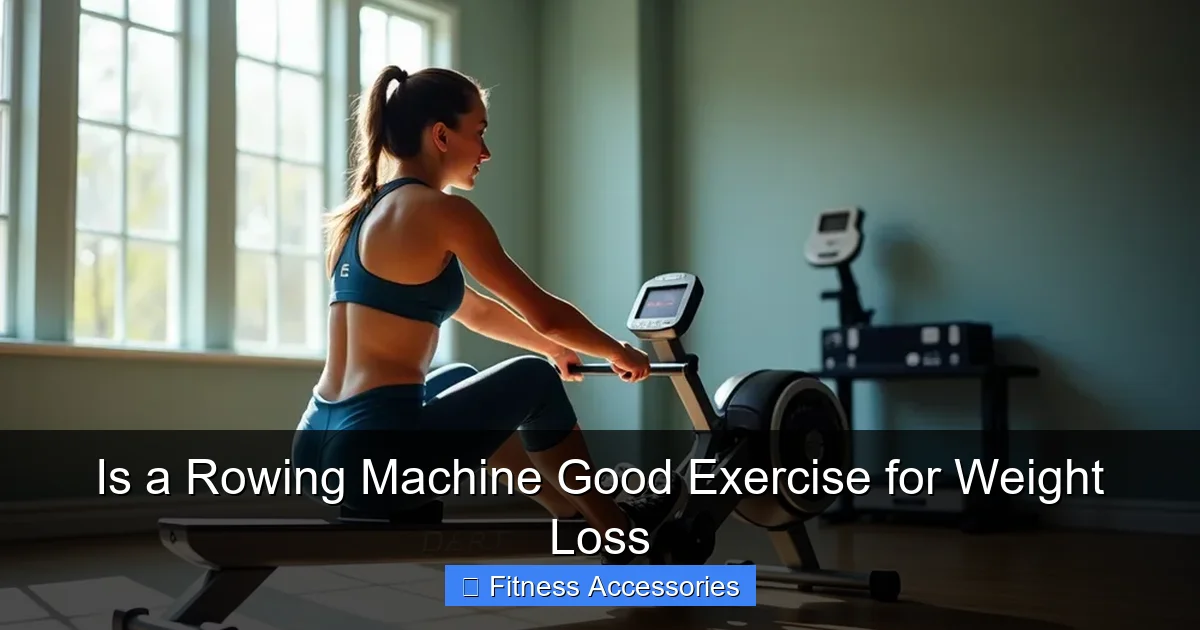
Unlike running, rowing’s sliding seat and smooth glide place minimal stress on knees, hips, and ankles. This makes it a safe option for people with joint concerns, older adults, or anyone recovering from injury.
Visual guide about Is a Rowing Machine Good Exercise for Weight Loss
Image source: fitnessmasters.com.au
Improves posture and core strength
The rowing motion forces you to sit tall, engage the core, and avoid slouching. Over time, you’ll notice better posture, reduced lower‑back pain, and a tighter midsection—all of which contribute to a slimmer appearance.
Mental health boost
Rhythmic rowing can be meditative. The steady cadence, combined with the sense of moving through water, often reduces stress and improves mood—key factors that help prevent emotional eating.
Designing a Rowing Routine for Weight Loss
Start with proper form
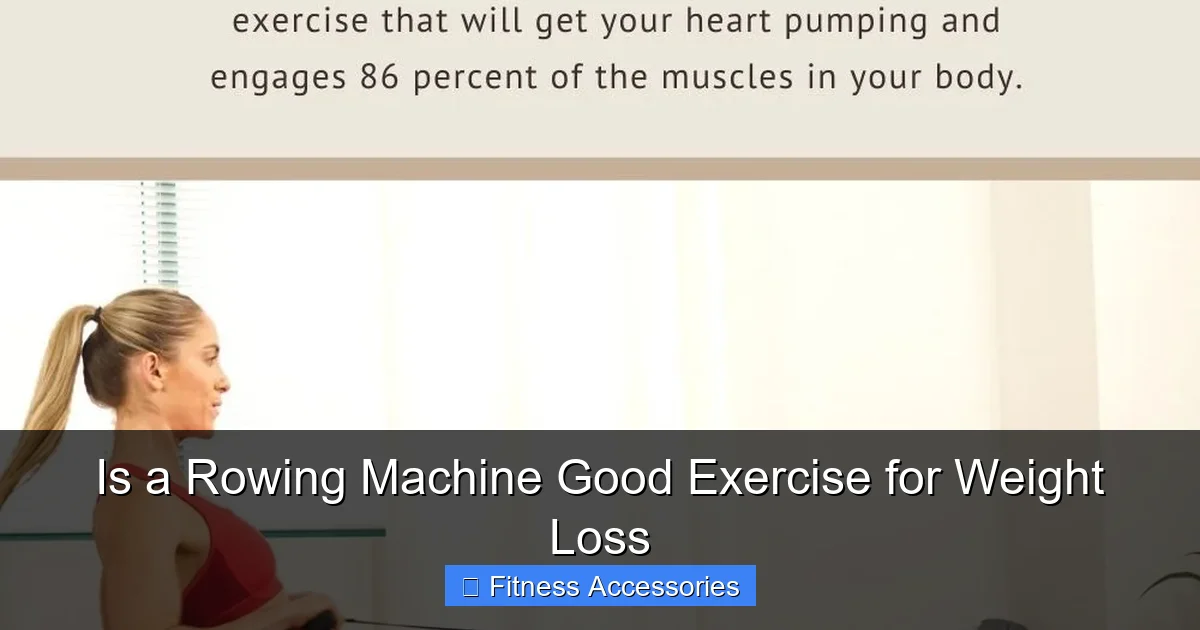
Good technique is the foundation of an effective workout and prevents injury. Follow the “catch‑drive‑finish‑recovery” sequence:
Visual guide about Is a Rowing Machine Good Exercise for Weight Loss
Image source: i.pinimg.com
- Catch: Knees bent, shins vertical, torso slightly forward, arms extended.
- Drive: Push through the heels, straighten legs, lean back slightly, then pull the handle to your chest.
- Finish: Legs fully extended, handle at the lower ribs, shoulders relaxed.
- Recovery: Extend arms, hinge forward, bend knees, return to the catch position.
Beginner plan: 3‑day weekly schedule
Week 1‑2 – Build endurance
- Day 1: 10 min steady‑state (150‑180 spm), 2 min rest, repeat twice.
- Day 2: 5 min warm‑up, 8 × 30‑second intervals (hard effort) with 90 sec rest, cool down.
- Day 3: 20 min continuous at a comfortable pace.
Intermediate plan: 4‑day split
Introduce longer intervals and mixed‑pace rows.
- Day 1: 5 min warm‑up, 5 × 4‑min intervals (85‑90 % max HR) with 2 min easy rowing, cool down.
- Day 2: 30‑min steady‑state at moderate resistance.
- Day 3: 6 × 1‑min power sprints (max effort) with 2 min easy, plus 10 min technique drills.
- Day 4: 45‑min low‑intensity “active recovery” row, focusing on smooth strokes.
Advanced plan: 5‑day high‑intensity program
Combine pyramid intervals, mixed resistance, and cross‑training.
- Day 1: Pyramid – 1‑2‑3‑4‑3‑2‑1 min intervals, 1 min rest between each.
- Day 2: 60‑min endurance row (steady, conversational pace).
- Day 3: 10 min HIIT – 20 sec sprint, 40 sec easy, repeat 15 times.
- Day 4: Strength circuit – 15 min rowing + bodyweight moves (push‑ups, squats).
- Day 5: 30‑min mixed‑pace “race simulation” at target race speed.
Tracking progress
Most modern rowing machines display distance, strokes per minute (SPM), power (watts), and calories. Keep a simple log:
- Date & duration
- Average SPM and resistance level
- Total calories burned
- How you felt (energy, soreness)
Review weekly to spot trends and adjust intensity.
Rowing vs. Other Cardio Options for Weight Loss
Running
Running typically burns more calories per minute, but it’s high‑impact and can lead to overuse injuries. Rowing offers similar calorie burn with less joint stress.
Elliptical
Ellipticals are low‑impact too, yet they often isolate the lower body. Rowing engages the upper body as well, giving a more balanced workout and higher overall energy expenditure.
Cycling
Stationary bikes are great for leg endurance, but they miss the core and back activation that rowing provides. Adding rowing can fill that gap and accelerate fat loss.
High‑Intensity Interval Training (HIIT) on a rower
HIIT on a rowing machine combines the best of both worlds—short bursts of maximal effort followed by recovery. Studies show HIIT can burn 15‑30% more calories than steady‑state cardio in the same time frame.
Nutrition Tips to Maximize Rowing‑Induced Weight Loss
Fuel before you row
Eat a light snack 30‑60 minutes before a workout—think a banana, a small yogurt, or a slice of toast with almond butter. This provides quick carbs for energy without feeling heavy.
Post‑row recovery meals
Within 45 minutes of finishing, aim for a 3:1 ratio of carbs to protein (e.g., a protein shake with fruit, or chicken rice bowl). This helps replenish glycogen and supports muscle repair, keeping your metabolism high.
Hydration matters
Rowing can be deceptively sweaty. Drink 16‑20 oz of water before you start, sip during breaks, and replace lost fluids afterward.
Calorie deficit without deprivation
Track your intake using a simple app. Aim for a modest 300‑500 calorie deficit per day. Pair this with the calorie burn from rowing, and you’ll see steady, sustainable weight loss (about 0.5‑1 lb per week).
Common Mistakes and How to Avoid Them
Using only the arms
Many beginners pull with their arms, turning rowing into a bicep workout. Focus on driving with the legs first—your power comes from the lower body.
Rushing the recovery phase
Skipping the “recovery” portion of the stroke can cause jerky movements and back strain. Keep the motion fluid: extend arms, hinge forward, then bend knees.
Setting resistance too high
Too much resistance leads to poor form and early fatigue. Start light, master technique, then gradually increase the damper or weight stack.
Neglecting warm‑up and cool‑down
Even a 5‑minute warm‑up (easy rowing, dynamic stretches) prepares the muscles and reduces injury risk. A short cool‑down helps lower heart rate safely.
Conclusion: The Verdict on Rowing for Weight Loss
So, is a rowing machine good exercise for weight loss? Absolutely. It delivers a high‑calorie burn, builds lean muscle, protects your joints, and keeps workouts interesting. When paired with sensible nutrition and a structured routine, rowing can become a cornerstone of any fat‑loss plan.
Start with proper form, choose a program that fits your schedule, and track your progress. Over weeks and months you’ll notice not only the numbers on the scale dropping but also stronger muscles, better posture, and a more energized mindset. Grab a rower, set your goals, and let every stroke bring you closer to the healthier you.
Frequently Asked Questions
Can I lose weight by rowing only three times a week?
Yes. Consistent rowing three times a week, combined with a modest calorie deficit, can produce steady weight loss. The key is intensity—mix steady‑state rows with interval sessions for maximum calorie burn.
Is rowing safe for beginners with back problems?
Rowing is low‑impact, but proper form is crucial. Start with low resistance, focus on hinging at the hips, and keep the back neutral. If pain persists, consult a physiotherapist before continuing.
How many calories does a 200‑lb person burn on a rowing machine?
A 200‑lb individual can burn roughly 500‑700 calories per hour at moderate to vigorous intensity, depending on stroke rate and resistance.
Do I need a fancy water‑rower, or will a magnetic rower work?
Both types are effective for weight loss. Magnetic rowers offer smooth resistance and quieter operation, while water‑rowers provide a more realistic feel. Choose the one that fits your budget and space.
Can rowing replace strength training for weight loss?
Rowing builds functional strength, especially in the back, legs, and core, but it doesn’t target all muscle groups equally. Adding a few bodyweight or resistance exercises can round out your program.
What’s the best time of day to row for fat loss?
Morning rows can boost metabolism and set a healthy tone for the day, but the best time is when you can be consistent. Choose a slot that fits your schedule and stick with it.