Is Jump Rope a Good Form of Cardio

Jump rope is an excellent form of cardio that boosts heart health, burns calories fast, and improves coordination. This simple fitness tool delivers a high-intensity cardiovascular workout in a short amount of time. Whether you are a beginner or a seasoned athlete, rope jumping offers a versatile and effective way to stay fit.
Jumping rope might remind you of childhood playgrounds. But this simple activity is one of the most effective cardio exercises you can do today. From professional athletes to casual fitness enthusiasts, people everywhere are discovering the power of jump rope cardio. If you have been wondering whether a skipping rope belongs in your fitness routine, the answer is a clear yes.
Unlike fancy gym machines, a jump rope costs very little and fits in a drawer. Yet it delivers a full-body cardiovascular workout that improves endurance, coordination, and heart health. In this article, we will explore why rope jumping is such a great form of cardio. You will learn about the benefits, how it compares to other exercises, and tips to get started safely.
Key Takeaways
- Jump rope cardio burns serious calories: A 10-minute session can rival 30 minutes of running.
- It improves heart health and endurance: Regular rope jumping strengthens your cardiovascular system.
- Jump rope is low cost and portable: You need just a rope and a small space to get a great workout.
- It builds coordination and agility: Beyond cardio, rope jumping sharpens your balance and reflexes.
- Suitable for all fitness levels: You can adjust intensity by changing speed, duration, or rope weight.
- It pairs well with other workouts: Jump rope fits into HIIT routines, boxing training, and warm-up sessions.
📑 Table of Contents
What Makes Jump Rope a Great Cardio Exercise
Cardio exercise means any activity that raises your heart rate and keeps it elevated for a sustained period. Jump rope fits this definition perfectly. When you pick up the speed and start skipping, your heart pumps faster to deliver oxygen to your working muscles. This is the core of any good cardiovascular workout.
What sets jump rope apart is its efficiency. A moderate-paced skipping session can burn 10 to 16 calories per minute. That means just 10 minutes of jumping equals roughly 30 minutes of jogging. If you are short on time but want a serious fitness routine, rope jumping is hard to beat.
How Jump Rope Affects Your Heart Rate
Your heart rate is the best measure of whether an exercise is truly aerobic. During rope jumping, most people reach a heart rate zone between 70 and 90 percent of their maximum. This places the exercise firmly in the aerobic zone, where your body uses oxygen to fuel movement.
Over time, consistent jump rope sessions improve your VO2 max, which is the maximum amount of oxygen your body can use during exercise. A higher VO2 max means better stamina and a healthier heart. Studies show that regular aerobic activities like skipping rope reduce the risk of heart disease and stroke.
Calorie Burn and Weight Loss Benefits
One of the biggest reasons people turn to jump rope is for weight loss. The calorie burn from rope jumping is impressive. A person weighing around 155 pounds can burn approximately 300 calories in just 15 minutes of moderate jumping.
This makes jump rope cardio one of the most time-efficient ways to shed extra pounds. When you burn more calories than you consume, your body taps into stored fat for energy. Combined with a balanced diet, regular skipping can accelerate your weight loss exercise goals significantly.
Jump Rope vs Running for Calorie Burn
Many people wonder how jump rope compares to running. Both are excellent forms of cardiovascular exercise, but they differ in impact and efficiency. Running burns a lot of calories too, but it places more stress on your knees and ankles. Jump rope, on the other hand, is a low impact cardio option when done correctly on a proper surface.
Here is a quick comparison:
- Jump Rope (15 min): Burns around 300 calories, builds coordination, low joint impact when done right.
- Running (30 min): Burns around 300 calories, higher joint stress, great for outdoor endurance.
If you are looking for a cardio workout that saves time and protects your joints, jump rope is the clear winner. It is no wonder that many boxing athletes rely on skipping rope as a core part of their training.
Full-Body Benefits Beyond Cardio
While jump rope is famous for heart health, it offers much more than just aerobic exercise. This full-body movement engages muscles from your calves to your shoulders. Every skip requires your legs to push off the ground while your arms rotate the rope.
Your core muscles stay engaged throughout the workout to keep you stable. This means you are not just building endurance. You are also improving balance, posture, and muscle tone. Few fitness equipment options deliver this kind of full-body engagement in such a short time.
Coordination and Agility Gains
Rope jumping trains your brain and body to work together. You must time your jumps to the rotation of the rope. This builds coordination and sharpens your reflexes. Over time, you will notice improvements in your overall agility.
Boxers have used jump rope for decades to develop quick footwork and sharp reactions. If you are an athlete or just want to move better in daily life, rope jumping is a simple yet powerful way to boost your coordination. It also enhances your metabolic rate, meaning you continue burning calories even after the workout ends.
How to Start a Jump Rope Cardio Routine
Starting a jump rope cardio routine is easy, but doing it the right way matters. A poor approach can lead to sore joints or frustration. Follow these steps to build a sustainable and enjoyable practice.
Choose the Right Rope
Not all jump ropes are the same. A basic beaded rope is great for beginners because it maintains a steady pace. If you want to add intensity, a weighted jump rope increases resistance and engages your upper body more. Make sure the rope length matches your height. Stand on the middle of the rope and pull the handles up. They should reach your armpits.
Begin with Short Sessions
Start with just 5 to 10 minutes per session. Focus on maintaining a steady rhythm rather than going all out. As your endurance improves, gradually increase the duration. A good goal is to work up to 20 to 30 minutes of continuous jumping. This aligns with the recommended amount of sustained exercise for cardiovascular health.
Mix Up Your Routine
Doing the same basic bounce every day can get boring. Try different styles like alternating feet, high knees, or double unders. You can also combine rope jumping with bodyweight exercises like squats or push-ups for a more intense HIIT training session. Variety keeps your workouts fun and challenges your body in new ways.
Common Mistakes to Avoid
Even though jump rope is simple, common mistakes can reduce its effectiveness or cause injury. Being aware of these pitfalls helps you get the most out of your cardio workout.
- Using the wrong rope length: A rope that is too long or too short makes jumping harder and wastes energy.
- Jumping too high: You only need a few inches of clearance. Excessive height strains your calves and knees.
- Ignoring proper footwear: Always wear supportive shoes to cushion your joints during rope jumping.
- Skipping warm-ups: Cold muscles are more prone to injury. Spend 3 to 5 minutes stretching before you start.
- Overtraining: Jumping for too long too soon leads to fatigue and poor form. Build up gradually.
Avoiding these mistakes ensures that your jump rope cardio sessions are safe, effective, and enjoyable. Pay attention to your body and rest when needed.
Who Can Benefit from Jump Rope Cardio
One of the best things about rope jumping is its accessibility. Almost anyone can do it, regardless of age or fitness level. Let us look at who benefits the most.
Beginners and Casual Exercisers
If you are new to fitness, jump rope offers a gentle entry point. You control the pace, the duration, and the intensity. Even a few minutes of light jumping gets your heart pumping and builds a foundation for better endurance training. It is a perfect way to ease into a more active lifestyle.
Athletes and Boxers
Professional fighters and athletes use jump rope as a staple of their conditioning. It improves footwork, timing, and cardiovascular stamina. Many boxing coaches consider the skipping rope one of the most valuable tools for fitness training. The benefits translate directly to performance in the ring and beyond.
Busy Professionals
For those with tight schedules, jump rope cardio is a time-saver. You can get a complete cardiovascular workout in under 20 minutes at home. No gym membership required. No commute. Just grab your rope and start moving. This makes it one of the most practical exercise equipment choices for modern lifestyles.
How Jump Rope Compares to Other Cardio Machines
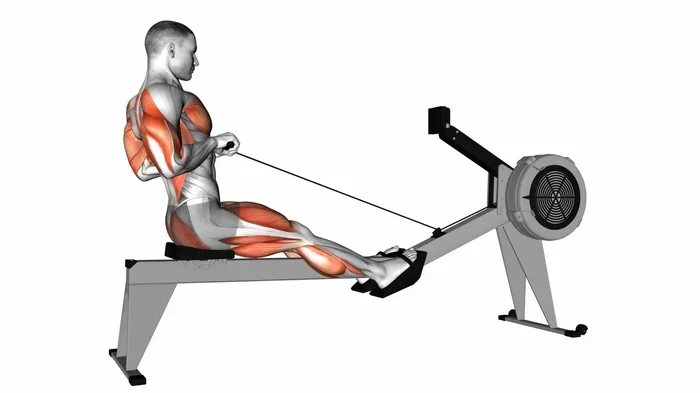
People often compare jump rope to machines like the rowing machine or stationary bike. Each has its strengths, but rope jumping stands out in several ways.
- Jump Rope: Burns calories fast, builds coordination, requires minimal space, very portable.
- Rowing Machine: Engages the upper and lower body, low impact, but bulky and expensive.
- Stationary Bike: Good for sustained aerobic exercise, easy on joints, but does not build coordination.
While machines like the rowing machine offer excellent full-body workouts, they lack the convenience and calorie-burning efficiency of a simple jump rope. For a quick, intense cardio workout at home, nothing beats a skipping rope. You can learn more about how jump rope compares to other weight loss methods in our guide on is jump rope a good way to lose weight and explore the ideal duration for your sessions in our article on how long is a good time to jump rope.
If you are curious about how jump rope stacks up against gym machines for overall fitness, check out our comparison of rowing machine vs jump rope to find the best option for your goals.
Final Thoughts
Jump rope is a genuinely excellent form of cardio that delivers real results. It burns calories efficiently, strengthens your heart, and improves your coordination and agility. Whether your goal is weight loss, better endurance, or simply a convenient way to stay active, a skipping rope checks every box.
The beauty of jump rope cardio lies in its simplicity. You do not need expensive equipment or a gym membership. All you need is a rope, a small space, and the willingness to start. Once you begin, you will quickly see why so many athletes and fitness lovers consider rope jumping one of the best cardiovascular exercises available.
So grab a rope, find your rhythm, and give your heart the workout it deserves. Your body will thank you for it. Start today, stay consistent, and watch your fitness level grow with every skip.
Frequently Asked Questions
Is jump rope a good form of cardio for beginners?
Yes, jump rope is an excellent form of cardio for beginners. You can start with short sessions of 5 to 10 minutes and gradually increase the duration. The beauty of rope jumping is that you control the pace and intensity, making it easy to build endurance over time.
How many calories does jump rope cardio burn?
A 15-minute jump rope session can burn around 300 calories for an average person. This makes it one of the most efficient calorie-burning exercises available. Compare this to running, and you will find that rope jumping delivers similar results in half the time.
Can jump rope replace running for cardio fitness?
Jump rope can absolutely replace running as your primary cardio exercise. It offers similar cardiovascular benefits with less joint impact. Many athletes use rope jumping as their main cardio tool and see great improvements in endurance and heart health.
How long should I jump rope for a good cardio workout?
For a solid cardio workout, aim for 15 to 30 minutes of continuous or interval jumping. If you are just starting out, begin with 10 minutes and work your way up. You can read more about ideal jump rope duration in our guide on how long is a good time to jump rope.
Is weighted jump rope better for cardio?
A weighted jump rope adds upper body resistance and can increase your heart rate faster. This makes your cardio session more intense in a shorter amount of time. However, beginners should start with a standard rope and progress to a weighted one as their stamina improves.
What are the main benefits of jump rope as a cardio exercise?
The main benefits include improved heart health, efficient calorie burn, better coordination, and enhanced endurance. Jump rope also strengthens your legs, core, and shoulders while being gentle on your joints when done correctly. It is a versatile and effective tool for any fitness routine.
=== CONCLUSION ===
Jump rope is a fantastic form of cardio that offers benefits far beyond simple heart health. From burning calories and supporting weight loss to building coordination and agility, this humble fitness tool punches well above its weight. Whether you are a beginner or a seasoned athlete, rope jumping fits seamlessly into any fitness routine.
The best part is how easy it is to start. A jump rope costs very little, takes up almost no space, and delivers results fast. So if you have been looking for a practical, effective, and enjoyable way to boost your cardiovascular fitness, now is the perfect time to pick up a rope and start skipping.