Is Corn a Fruit or a Vegetable The Surprising Truth
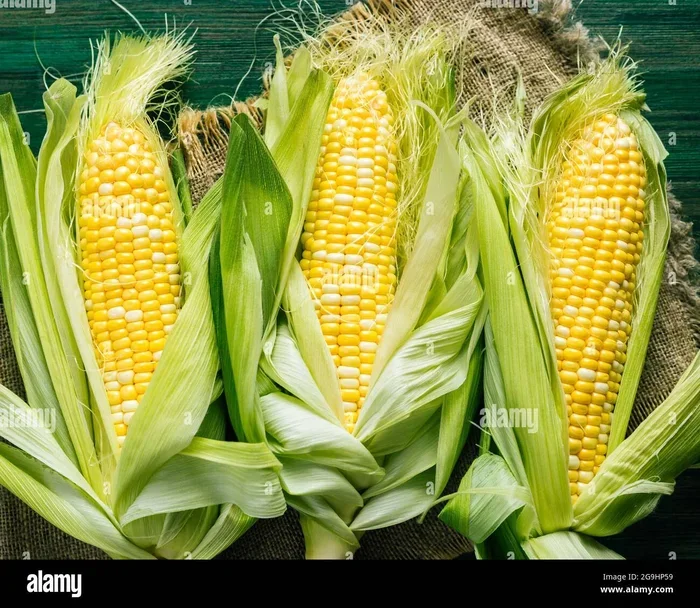
So, is corn a fruit? The answer might surprise you — corn is technically a fruit, a vegetable, and even a grain, all at the same time. The confusion comes from how different fields classify foods. Botanically, corn is a fruit because it develops from the flower of the corn plant and contains seeds. In the kitchen, most people treat it as a vegetable. And nutritionally, it often falls into the grain category. This article breaks down the real truth behind this everyday food.
You probably grew up eating corn on the cob at summer barbecues. Maybe you sprinkle popcorn during movie nights. And you likely think of corn as a simple vegetable sitting on your plate. But here is the thing — is corn a fruit? The answer is not as straightforward as you might think.
Corn holds one of the most interesting identities in the food world. It is a fruit. It is a vegetable. And it is a grain. All three. Confused? You are not alone. People have debated this for years, and the truth comes down to how we define these categories. Let us break it all down in simple terms.
Key Takeaways
- Corn is botanically a fruit: It develops from the flower and contains seeds, which is the scientific definition of a fruit.
- Corn is culinarily a vegetable: Most people cook and eat it as a vegetable in meals and side dishes.
- Corn is also a whole grain: Dry corn kernels are classified as grains, making corn a triple-threat food.
- Sweet corn and field corn differ: The type of corn matters when deciding how to classify it.
- Popcorn is a whole grain snack: Popped corn fits into the grain category for nutritional purposes.
- Classification depends on context: The answer to “is corn a fruit” changes depending on whether you ask a botanist or a chef.
📑 Table of Contents
The Botanical Truth: Why Corn Is a Fruit
From a science perspective, corn is a fruit. In botany, a fruit is the part of a plant that develops from its flower and contains seeds. By this definition, corn kernels are actually fruits called caryopses. Each kernel is a seed surrounded by a protective wall that forms from the ovary of the corn flower.
This is the same way a tomato or a cucumber is technically a fruit. Many foods we think of as vegetables are fruits in the botanical sense. The key is understanding that science and everyday cooking use different rules.
What Makes a Fruit a Fruit?
A fruit forms after pollination. The flower of the corn plant gets pollinated, and the ovary swells into what we know as an ear of corn. Each kernel on that ear is a separate fruit. So when you bite into a corn cob, you are eating an entire cluster of tiny fruits.
This fact surprises a lot of people. We do not usually picture corn as a fruit because it does not taste sweet like an apple or a peach. But taste has nothing to do with the botanical definition. The structure of the plant tells the real story.
The Culinary View: Why Corn Is a Vegetable
In the kitchen, corn is treated as a vegetable. Chefs, home cooks, and nutritionists all put corn in the vegetable group on the plate. This is how most people think about corn, and for good reason.
We add corn to salads. We mix it into soups. We serve it as a side dish with dinner. We grill it at picnics. None of these uses feel like eating a fruit. Vegetables are foods we typically eat during the main meal, and corn fits right in.
Even the USDA dietary guidelines group corn with vegetables. The USDA considers corn a starchy vegetable, right alongside potatoes and peas. So from a dietary and meal-planning perspective, corn is absolutely a vegetable.
Sweet Corn vs. Field Corn
Not all corn is the same. Sweet corn is the kind you eat off the cob at a cookout. It is juicy, tender, and sweet. This type is most often thought of as a vegetable.
Field corn, on the other hand, is dried out and used for animal feed, corn syrup, and cornmeal. When field corn is dried, it moves into the grain category. So the type of corn matters a lot when deciding how to classify it.
The Grain Connection: Corn as a Whole Grain
Here is where things get even more interesting. When corn is dried, it becomes a whole grain. Popcorn, cornmeal, corn flour, and corn grits all come from dried corn kernels. And all of these are classified as grains.
The FDA recognizes corn as a whole grain food. Whole grains are an important part of a healthy diet. They provide dietary fiber, B vitamins, and minerals like magnesium and iron. So corn wears the grain badge just as proudly as it wears the fruit and vegetable labels.
This triple identity makes corn one of the most versatile foods in the world. Few other foods can claim to be a fruit, a vegetable, and a grain all at once.
How Corn Fits Into Your Diet
Because corn spans multiple food groups, it can count toward different nutritional needs. A serving of sweet corn on the side of your plate counts as a vegetable. A bowl of popcorn counts as a whole grain. Corn tortillas count as a grain product too.
This flexibility makes corn a valuable addition to any meal plan. You get the benefits of vegetables, the energy of grains, and the nutrients found in the fruit of the plant. It is one food that does a lot of heavy lifting in your diet.
Why Does This Classification Matter?
You might wonder why anyone cares whether corn is a fruit or a vegetable. The answer matters for several reasons, from nutrition labels to gardening advice.
When you read a nutrition label, the food group classification affects how the product is categorized. When you plan a garden, knowing that corn is a grain crop helps you understand how to rotate it in your beds. When you study biology, the botanical definition teaches you how plants reproduce.
Even people who run on a treadmill at an average speed for their daily cardio might snack on corn before or after a workout without thinking about its classification. Corn provides quick energy from carbohydrates, making it a useful fuel for active lifestyles. Whether you are walking at a light jog on a treadmill or doing a hard interval session, corn can play a role in your pre- or post-workout nutrition.
Understanding food classification also helps with meal planning. If you are tracking your vegetable intake, corn counts. If you are counting grains, corn counts there too. It gives you flexibility and variety in how you meet your daily nutrition goals.
Common Myths About Corn
There are a lot of misconceptions about corn. Let us clear up a few of the most common ones.
- Myth: Corn has no nutritional value. Fact: Corn is a good source of fiber, vitamin C, and B vitamins. It also contains antioxidants like lutein and zeaxanthin, which support eye health.
- Myth: Corn is just empty carbs. Fact: Whole corn contains meaningful nutrients and fiber. It is not just a simple carbohydrate. The fiber slows digestion, which helps manage blood sugar.
- Myth: All corn is genetically modified. Fact: While some corn grown in the US is GMO, plenty of non-GMO and heirloom varieties exist. Organic corn is widely available.
- Myth: Corn is not healthy because it is a vegetable. Fact: Whether you call corn a fruit, vegetable, or grain, it remains a nutritious whole food packed with benefits.
These myths persist because people get caught up in the classification debate. But the bottom line is that corn is a wholesome, nutritious food no matter how you label it.
The Bottom Line: Is Corn a Fruit or a Vegetable?
So what is the final answer? Is corn a fruit? Yes. Is corn a vegetable? Also yes. Is corn a grain? You guessed it — yes again.
Corn is a unique food that defies simple categorization. Botanically, it is a fruit. In the kitchen, it is a vegetable. Nutritionally, it often acts as a grain. Each classification is correct within its own context. The beauty of corn is that it fits into multiple categories, giving you flexibility and nutrition no matter how you eat it.
Next time you are at a barbecue or making popcorn, you can impress your friends with this fun fact. Corn is not just one thing. It is many things at once. And that is what makes it such a fascinating and valuable food.
Whether you are grilling corn on the cob, blending corn into a soup, or snacking on popcorn while you plan your next bike versus treadmill workout, you are enjoying one of nature’s most versatile foods. Embrace the triple identity of corn and enjoy it in all its forms.
The surprising truth is that there is no single right answer. The beauty lies in the complexity. Corn is a fruit, a vegetable, and a grain — and that is exactly what makes it so special.
Frequently Asked Questions
Why is corn considered a fruit botanically?
In botany, a fruit is the mature ovary of a flowering plant that contains seeds. Corn kernels develop from the flower of the corn plant and each kernel is a seed enclosed in a protective wall. This makes every corn kernel a botanical fruit called a caryopsis.
Can corn count toward my daily vegetable intake?
Yes, absolutely. The USDA classifies corn as a starchy vegetable. Whether you eat sweet corn on the cob, canned corn, or corn in a salad, it counts toward your daily vegetable servings. It provides fiber, vitamins, and minerals just like other vegetables.
Is popcorn considered a fruit or a grain?
Popcorn is classified as a whole grain. When corn kernels are dried and heated, they pop and become popcorn. Since dried corn falls into the grain category, popcorn is a grain-based snack. It is also a good source of fiber when eaten without excessive butter or salt.
Does the type of corn change its classification?
Yes, it can. Sweet corn is typically eaten fresh and is treated as a vegetable. Field corn is dried and used for flour, syrup, and animal feed, which puts it in the grain category. The stage of maturity and how it is processed affects how corn is classified.
Is corn healthy to eat every day?
Corn is a nutritious whole food that provides fiber, B vitamins, vitamin C, and antioxidants. Eating it in moderation as part of a balanced diet is perfectly healthy. Just be mindful of how it is prepared — boiled or grilled corn is healthier than corn loaded with butter and salt.
Why do people debate whether corn is a fruit or a vegetable?
The debate exists because different fields use different definitions. Botanists define foods by plant structure, which makes corn a fruit. Chefs and nutritionists define foods by how they are used in meals and diets, which makes corn a vegetable. Neither is wrong — they are just looking at it from different angles.