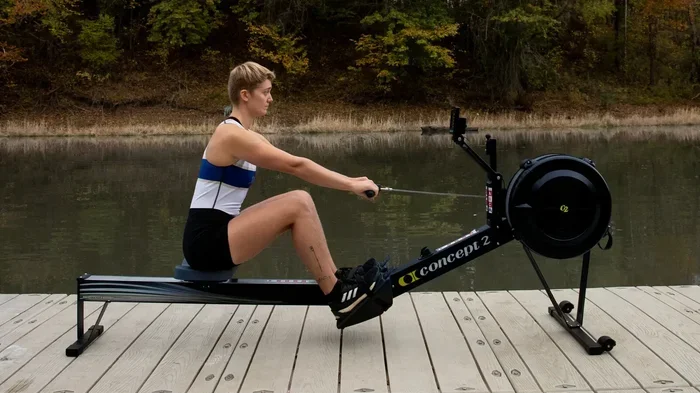
Is a Rowing Machine Good for Strength Training
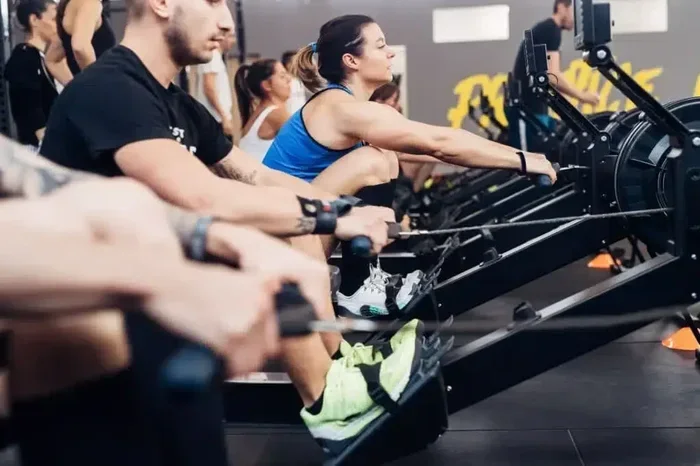
A rowing machine is a surprisingly effective tool for strength training, engaging over 80% of your muscles in every stroke. It builds muscular endurance, functional power, and core stability without the joint stress of heavy lifting. Whether you are a beginner or a seasoned athlete, adding rowing machine strength training to your routine can transform your fitness results.
Can a rowing machine really help you get stronger? Many people think of rowing as just a cardio workout. But the truth is that rowing machine strength training is a powerful way to build muscle, improve endurance, and boost overall fitness. Whether you are looking to supplement your gym routine or create a full-body workout at home, a rowing machine delivers serious results.
The beauty of rowing lies in its simplicity. Every stroke works multiple muscle groups at once. This makes it one of the most efficient tools you can use for strength training. In this article, we will explore exactly how a rowing machine builds strength, which muscles it targets, and how to use it effectively for real gains.
Key Takeaways
- Full Body Engagement: A rowing machine targets legs, back, arms, and core simultaneously, making it a compound strength tool.
- Low Impact: You get the benefits of resistance training without stressing your joints or lower back.
- Scalable Resistance: Modern rowing machines let you adjust drag and intensity to match any fitness level.
- Functional Strength: The rowing motion mimics real-world movements, improving everyday functional fitness.
- Cardio + Strength Combined: Rowing builds muscle and cardiovascular endurance at the same time.
- Proper Form Matters: Using correct technique prevents injury and maximizes muscle activation.
- Great for All Levels: From beginners to advanced athletes, rowing machines offer scalable strength challenges.
📑 Table of Contents
How a Rowing Machine Builds Strength
Rowing is not just about pulling. It is a complex movement that combines pushing and pulling in one smooth motion. This dual action is what makes rowing machine exercises so effective for building strength. Each stroke sends power through your legs, core, and upper body in a coordinated sequence.
When you row with purpose and proper resistance, you create mechanical tension on your muscles. This tension is the same principle behind all resistance training. Your muscles respond by growing stronger and more efficient over time. The key difference is that rowing does this in a fluid, low-impact way.
Understanding the Rowing Movement for Muscle Engagement
The rowing stroke has four phases: the catch, the drive, the finish, and the recovery. Each phase activates different muscle groups. During the drive, your legs push hard, your back engages, and your arms pull. During the recovery, your core stabilizes your body as you glide forward.
This continuous cycle keeps your muscles under tension for the entire workout. Unlike isolated exercises that target one muscle at a time, rowing forces your body to work as a unit. This is why many trainers call it a compound movement that builds functional fitness and real-world strength.
Which Muscles Does a Rowing Machine Target?
A rowing machine engages a remarkable number of muscles. Here is a breakdown of the primary muscles worked during each phase:
- Legs: Quadriceps, hamstrings, glutes, and calves power the drive phase.
- Back: The latissimus dorsi, rhomboids, and trapezius control the pulling motion.
- Arms: Biceps, forearms, and shoulders finish the pull toward your chest.
- Core: Abdominals and obliques stabilize your torso throughout every stroke.
- Chest: The chest muscles assist during the drive phase.
Because so many muscles work together, a rowing machine full body workout can rival many traditional strength exercises. For those wondering whether rowing builds enough muscle, the answer is yes, especially when you use proper resistance and technique.
Rowing Machine vs Traditional Strength Training
How does rowing machine strength training compare to lifting weights? Both methods have unique advantages. Let us break down the key differences.
| Feature | Rowing Machine | Traditional Weights |
|---|---|---|
| Muscles Engaged | 80%+ of body muscles | Usually 1-2 muscle groups per exercise |
| Impact on Joints | Very low impact | Moderate to high impact |
| Cardiovascular Benefit | Excellent | Minimal |
| Calorie Burn | High | Moderate |
| Progressive Overload | Yes, via resistance settings | Yes, via heavier weights |
| Accessibility | Home or gym | Requires gym or equipment |
| Risk of Injury | Low with proper form | Higher without proper form |
The table above shows that rowing offers a unique combination of strength and cardio benefits. You do not have to choose between building muscle and improving heart health. A rowing machine gives you both. However, if your primary goal is maximum muscle mass, traditional weightlifting still has an edge for isolated muscle growth.
That said, rowing machine strength training excels at building overall functional strength. It improves muscular endurance, posture, and coordination in ways that lifting weights alone cannot. Many athletes use rowing as a cross-training tool to complement their primary sport.
How to Use a Rowing Machine for Strength Gains
Using a rowing machine for strength is different from using it for pure cardio. To build muscle, you need to adjust your approach. Here is how to get the most out of your sessions.
Setting the Right Resistance Level
The damper setting on your rowing machine controls how much air flows into the flywheel. A higher setting creates more resistance. For strength training, you want a moderate to high resistance level. Think of it like choosing a heavier weight at the gym.
Set your damper between 4 and 7 for strength-focused workouts. This range provides enough resistance to challenge your muscles without making the stroke too slow. If you are using a magnetic rowing machine, increase the resistance level on the digital console for similar results.
Quick Tip: Start with a damper setting of 5 and adjust from there. You want to feel challenge in your muscles by the end of each stroke, but you should still be able to maintain proper form throughout your set.
Best Rowing Machine Exercises for Strength
Not all rowing workouts are created equal for strength building. Here are the most effective rowing machine exercises for building muscle:
- Power Strokes: Row at a slow pace with high resistance. Focus on driving hard with your legs and pulling strong with your arms. Aim for 10-15 strokes per set.
- Intervals: Alternate between 30 seconds of hard rowing and 60 seconds of easy rowing. Repeat for 10-15 rounds. This builds both strength and endurance.
- Sustained Rows: Row at a moderate pace for 5-10 minutes with medium-high resistance. This builds muscular endurance over time.
- Pause Rows: Pause at the catch position for 3 seconds before each drive. This eliminates momentum and forces your muscles to do all the work.
These methods apply the principle of progressive overload to your rowing routine. By gradually increasing resistance, duration, or intensity, you continuously challenge your muscles to grow stronger.
The Role of Proper Form in Strength Training
Using proper rowing machine form is absolutely critical when training for strength. Poor form reduces muscle activation and increases your risk of injury. The most common mistakes include rounding the back, pulling with the arms too early, and using momentum instead of muscle power.
To get the most strength benefits from each stroke, remember this sequence: legs push first, then the torso leans back, and finally the arms pull. Reverse the order on the recovery. If you want a detailed breakdown of technique, check out our guide on proper rowing machine form for step-by-step instructions.
Benefits of Rowing Machine Strength Training
Adding a rowing machine to your strength training routine offers a wide range of benefits. Here are the top reasons to give it a try.
Low Impact but High Results
One of the biggest advantages of rowing for strength is that it is gentle on your joints. Unlike squats, deadlifts, or lunges, rowing places very little compressive force on your knees and spine. This makes it an excellent option for people who want to build strength without the wear and tear of heavy lifting.
If you have lower back pain or joint issues, rowing can be a safe alternative to traditional strength exercises. However, always consult a doctor before starting any new workout program, especially if you have existing injuries.
Building Endurance and Power Together
Rowing uniquely combines muscular strength with cardiovascular endurance. As you row with higher resistance, your muscles work harder. At the same time, your heart and lungs keep up with the demands of the movement. This dual benefit means you get more done in less time.
For seniors or anyone recovering from injury, this combination is especially valuable. Rowing provides a safe way to maintain and even rebuild strength as you age. Learn more about rowing for older adults in our article on rowing machines for seniors.
Improving Posture and Core Stability
Every rowing stroke requires your core to stabilize your body. Over time, this builds deep core strength that supports better posture. Strong core muscles also protect your lower back and reduce the risk of everyday injuries.
Many people notice improved posture within just a few weeks of consistent rowing. This is one of the less obvious but highly valuable strength training benefits of using a rowing machine regularly.
Perfect for Home Workouts
If you do not have access to a full gym, a rowing machine is one of the best investments you can make. A single machine provides a complete strength and cardio workout in a compact footprint. For guidance on choosing the right model, read our article on what makes a good rowing machine for home use.
Common Mistakes to Avoid
Even though rowing is straightforward, certain mistakes can limit your strength gains or lead to injury. Here are the most common errors to watch out for.
Using Too Much Resistance Too Soon
It is tempting to crank up the damper to the maximum setting right away. This is a mistake. Starting with too much resistance forces you to sacrifice form and speed. Your muscles need time to adapt to the rowing motion before you add significant load.
Start with a moderate resistance level and focus on mastering your technique. Gradually increase the resistance over several weeks as your strength improves. This approach applies the same principle of progressive overload that you would use in any strength training program.
Poor Form Under Load
When you increase resistance, it becomes even more important to maintain proper form. Rounding your back, hunching your shoulders, or jerking through the stroke can cause serious injury. Keep your back straight, shoulders relaxed, and movements controlled at all times.
If you feel your form breaking down, reduce the resistance or take a break. Quality always comes before quantity when it comes to rowing machine strength training.
Neglecting the Recovery Phase
The recovery phase of the rowing stroke is just as important as the drive. Many people rush through the recovery, which wastes energy and reduces muscle engagement. A slow, controlled recovery allows your muscles to reset and prepares them for the next powerful stroke.
Think of the recovery as the loading phase. It sets up your muscles to generate maximum force on the drive. Focus on making the recovery smooth and deliberate, and you will notice an immediate improvement in your strength output.
Sample Rowing Machine Strength Workout
Ready to try rowing machine strength training for yourself? Here is a simple beginner-friendly workout to get you started.
Warm-Up (5 minutes): Row at a light pace with low resistance. Focus on getting your muscles warm and your technique dialed in.
Workout (20 minutes):
- Power Strokes: 10 strokes at high resistance, slow pace. Rest 30 seconds.
- Sustained Row: 3 minutes at medium resistance, moderate pace.
- Power Strokes: 10 strokes at high resistance. Rest 30 seconds.
- Interval Rows: 5 rounds of 30 seconds hard, 60 seconds easy.
- Sustained Row: 3 minutes at medium resistance.
Cool-Down (5 minutes): Row at an easy pace with low resistance. Stretch your legs, back, and arms afterward.
Perform this workout 2-3 times per week. As you get stronger, increase the resistance, add more rounds, or extend the sustained rows. Over time, you will see noticeable improvements in your strength, endurance, and overall fitness.
For more workout ideas, explore our article on is a rowing machine a good full body workout to discover additional routines you can mix into your training.
Is Rowing Machine Strength Training Right for You?
The short answer is yes. Whether you are a complete beginner or an experienced athlete, a rowing machine can enhance your strength training program. It offers a unique blend of muscle building, cardiovascular conditioning, and low-impact exercise that few other machines can match.
If you are new to strength training, rowing is an excellent place to start. The movement is natural and easy to learn. You can scale the resistance to match your current fitness level and gradually increase the challenge as you grow stronger. For more insights on how effective rowing can be for your fitness goals, check out our detailed guide on how effective a rowing machine is for weight loss, which also touches on its overall fitness benefits.
The key to success with any training method is consistency. Use your rowing machine regularly, focus on proper form, and progressively challenge yourself. You will be surprised at how quickly your strength improves.
Frequently Asked Questions
Can you build muscle with a rowing machine?
Yes, you can build muscle with a rowing machine, especially when you use higher resistance settings and focus on power strokes. Rowing engages over 80% of your muscles, making it an effective tool for muscular strength and endurance. Combine it with proper nutrition and progressive overload for the best results.
How often should I do rowing machine strength training?
For strength gains, aim for 2-3 rowing sessions per week. Allow at least one rest day between sessions so your muscles can recover and grow. You can pair rowing with other forms of exercise on alternate days for a balanced routine.
Is rowing better than lifting weights for strength?
Rowing and weightlifting serve different purposes. Rowing builds functional, full-body strength and cardiovascular fitness, while weightlifting is better for isolating and maximizing individual muscle growth. The best approach is to use both methods together for a well-rounded fitness program.
What resistance level should I use for strength training on a rowing machine?
Set your damper between 4 and 7 for strength training. This provides enough resistance to challenge your muscles without sacrificing form or speed. Start at level 5 and adjust based on how your body feels during the workout.
Can rowing help with losing belly fat while building strength?
Rowing is excellent for burning calories and building muscle, both of which help reduce belly fat. The combination of cardio and strength training in rowing makes it a powerful tool for overall fat loss. Pair your rowing routine with a healthy diet for the best results.
Do I need experience to start rowing for strength?
No experience is needed. Rowing is beginner-friendly and easy to learn. Start with low resistance and focus on mastering your technique before increasing the challenge. If you are unsure about your form, consult a trainer or watch instructional videos to build confidence safely.
=== CONCLUSION ===
A rowing machine is a fantastic tool for strength training that often gets overlooked in favor of traditional weights. It engages your entire body, builds functional strength, and delivers cardiovascular benefits all in one workout. The low-impact nature of rowing makes it accessible to almost everyone, from beginners to experienced athletes.
By using the right resistance, maintaining proper form, and following a consistent routine, you can achieve real strength gains with a rowing machine. The key is to treat it with the same seriousness as any other strength training tool. Focus on progressive overload, challenge yourself regularly, and never sacrifice form for speed.
Whether you are looking to supplement your current workout or build an entirely new routine around indoor rowing, the evidence is clear. Rowing machines deliver powerful strength training results in a safe, efficient, and enjoyable way. Start today, stay consistent, and watch your strength grow with every stroke.