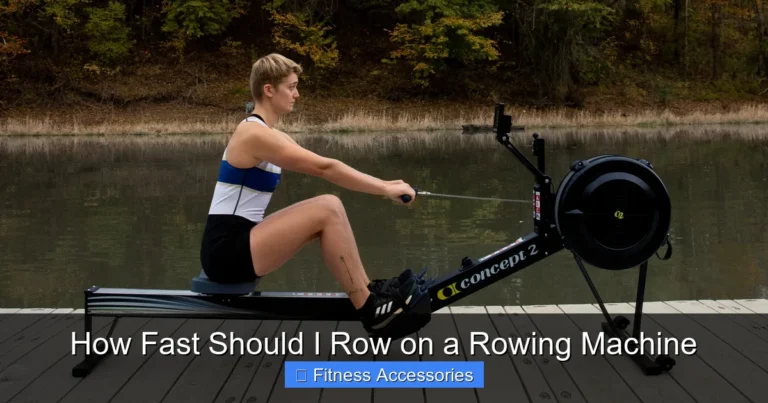
How Effective Is a Rowing Machine for Weight Loss

Rowing machines deliver a full‑body, low‑impact cardio workout that torches calories and builds muscle, making them a powerful tool for weight loss. When paired with proper nutrition and consistent training, you can expect steady fat loss, improved endurance, and a stronger, leaner physique.
Key Takeaways
- High calorie burn: Rowing can expend 400‑800 calories per hour, depending on intensity.
- Full‑body engagement: Works legs, core, back, and arms, boosting overall metabolism.
- Low‑impact joint safety: Ideal for beginners and those with joint concerns.
- Progress tracking: Modern rowers provide data to fine‑tune workouts for fat loss.
- Combined approach: Pairing rowing with strength training and a balanced diet accelerates results.
- Consistency matters: Regular 3‑5 sessions per week yield the best weight‑loss outcomes.
- Adaptable workouts: Interval, steady‑state, and hybrid sessions keep the body guessing.
📑 Table of Contents
- Introduction: Why Rowing Is Gaining Popularity in Weight‑Loss Circles
- 1. The Science Behind Rowing and Calorie Burn
- 2. Designing a Rowing‑Based Weight‑Loss Program
- 3. Nutrition: Pairing Food with Your Rowing Routine
- 4. Common Myths About Rowing and Weight Loss
- 5. Choosing the Right Rowing Machine for Your Goals
- 6. Staying Motivated and Overcoming Plateaus
- Conclusion: Rowing Is a Powerful Ally in Your Weight‑Loss Journey
Introduction: Why Rowing Is Gaining Popularity in Weight‑Loss Circles
If you’ve ever watched a crew team glide across a lake, you’ve seen the power of rowing. That same power is now packed into compact machines you can keep in a home gym or a commercial fitness center. The appeal is simple: a single piece of equipment that gives you a full‑body cardio session, builds muscle, and burns a lot of calories without pounding your knees.
Weight loss is about creating a calorie deficit while preserving lean muscle. Traditional cardio machines—treadmills, ellipticals, stationary bikes—target specific muscle groups, often leaving the upper body under‑worked. Rowing, on the other hand, engages the legs, core, back, and arms in one smooth motion. This synergy means you burn more calories per minute and stimulate more muscle fibers, which helps keep metabolism high even after the workout ends.
1. The Science Behind Rowing and Calorie Burn
How Many Calories Does Rowing Actually Burn?
Calorie expenditure depends on three factors: body weight, intensity, and duration. A 155‑lb person rowing at a moderate pace (about 4 METs) can burn roughly 260 calories in 30 minutes. Push the intensity to a vigorous 6‑7 METs, and the same person can torch 400‑500 calories in the same time.

Visual guide about How Effective Is a Rowing Machine for Weight Loss
Image source: xivents.com
For heavier individuals, the numbers rise proportionally. A 200‑lb person can burn up to 650 calories in a 45‑minute high‑intensity interval session. The key takeaway? Rowing can match, and often exceed, the calorie burn of running or cycling when intensity is maintained.
Metabolic Afterburn (EPOC)
Excess post‑exercise oxygen consumption (EPOC) is the extra calorie burn that occurs after you finish a workout. Because rowing combines cardio and resistance, it triggers a higher EPOC than steady‑state cardio alone. Studies show that high‑intensity interval rowing can keep metabolism elevated for up to 24 hours, meaning you continue to lose weight even while you’re sleeping.
Muscle Preservation and Fat Loss
When you lose weight, you want the loss to come from fat, not muscle. Rowing’s resistance component—especially during the “drive” phase—stimulates the major muscle groups in your legs, glutes, back, and arms. This helps preserve lean mass, which is crucial because muscle tissue burns more calories at rest than fat tissue. In short, rowing not only helps you cut calories but also protects the muscle you work hard to build.
2. Designing a Rowing‑Based Weight‑Loss Program
Frequency and Duration: Finding the Sweet Spot
For most adults, the American College of Sports Medicine recommends at least 150 minutes of moderate cardio per week. When rowing for weight loss, aim for 3‑5 sessions, each lasting 30‑45 minutes. Beginners can start with 15‑20 minute sessions and gradually increase the time as endurance improves.

Visual guide about How Effective Is a Rowing Machine for Weight Loss
Image source: therowingexpert.com
Intensity Matters: The 3 Zones
- Zone 1 – Light/Recovery: 50‑60 % of max heart rate. Good for warm‑ups, cool‑downs, and active recovery days.
- Zone 2 – Aerobic Base: 60‑70 % of max heart rate. Ideal for steady‑state rows that improve endurance and burn fat.
- Zone 3 – High‑Intensity Interval Training (HIIT): 80‑90 % of max heart rate. Short bursts (30‑60 seconds) followed by equal rest periods maximize calorie burn and EPOC.
Sample Weekly Schedule
Below is a balanced plan that mixes steady‑state and interval work. Adjust the times based on your fitness level.
- Monday – HIIT: 5‑minute warm‑up, 10 × 30‑second sprints with 30‑second rest, 5‑minute cool‑down (≈30 minutes total).
- Tuesday – Light Recovery Row: 20‑minute easy pace (Zone 1).
- Wednesday – Steady‑State: 35‑minute continuous row at moderate intensity (Zone 2).
- Thursday – Rest or Cross‑Train: Yoga, walking, or light strength work.
- Friday – HIIT: Same format as Monday, but vary the sprint length (45‑seconds) for novelty.
- Saturday – Long Row: 45‑minute low‑to‑moderate pace, focusing on technique.
- Sunday – Rest.
Tracking Progress
Most modern rowers come with performance monitors that record distance, stroke rate, power output (watts), and calories burned. Keep a simple log (paper or app) of these metrics along with your weight and body‑fat percentages. Watching numbers improve over weeks keeps motivation high and lets you adjust intensity when plateaus appear.
3. Nutrition: Pairing Food with Your Rowing Routine
Calorie Deficit Without Starvation
Weight loss hinges on a calorie deficit, but cutting too many calories can sap energy, reduce performance, and cause muscle loss. Aim for a moderate deficit of 300‑500 calories per day. This usually translates to a 0.5‑1 lb loss per week—a sustainable rate.
Macronutrient Balance for Rowers
- Protein: 1.2‑1.6 g per kg of body weight helps repair the muscle fibers stressed during rowing.
- Carbohydrates: 3‑5 g per kg fuels high‑intensity intervals. Choose complex carbs (oats, sweet potatoes) for steady energy.
- Fats: 0.8‑1 g per kg supports hormone health; focus on unsaturated sources like avocado and nuts.
Timing Your Meals
Eat a small, balanced snack 30‑60 minutes before rowing (e.g., a banana with a spoon of peanut butter) to boost glycogen stores. Post‑workout, aim for a protein‑rich meal or shake within two hours to jump‑start recovery. Hydration is equally important—drink at least 500 ml of water before you start and sip throughout the session.
4. Common Myths About Rowing and Weight Loss
Myth 1: “Rowing Is Only for Athletes.”
False. Rowing machines have adjustable resistance, allowing beginners to start with light pulls and progress to challenging intervals. The low‑impact nature makes it accessible for all ages and fitness levels.
Myth 2: “You Can Lose Weight Quickly Without Diet Changes.”
While rowing burns a lot of calories, diet still accounts for roughly 70‑80 % of weight‑loss results. Pairing consistent rowing with mindful eating yields the fastest, healthiest outcomes.
Myth 3: “More Time on the Rower Equals Faster Weight Loss.”
Quality beats quantity. Overtraining can raise cortisol levels, which may actually hinder fat loss. Structured intervals and adequate rest are more effective than endless low‑intensity rows.
Myth 4: “Rowing Won’t Build Strength.”
Because each stroke involves a leg drive, core stabilization, and an arm pull, you develop functional strength across the entire kinetic chain. Many rowers notice increased back and shoulder strength within weeks.
5. Choosing the Right Rowing Machine for Your Goals
Types of Rowers
- Air‑Resist Rowers: Use a fan to create resistance. The harder you pull, the more wind resistance you feel. Great for high‑intensity work.
- Magnetic Rowers: Offer silent operation and precise resistance settings, ideal for home use.
- Water Rowers: Simulate the feeling of rowing on water with a fluid tank. Provide smooth, realistic strokes and are aesthetically pleasing.
Key Features to Look For
- Performance Monitor: Should display stroke rate, distance, power (watts), and calorie estimate.
- Adjustable Footrests and Seat: Ensures proper ergonomics for comfort and injury prevention.
- Resistance Levels: At least 10‑12 levels give room to progress.
- Build Quality: Steel frames and sturdy rails handle high‑intensity training without wobble.
- Warranty: Look for 5‑year frame warranties for peace of mind.
Top Picks for Weight‑Loss Focused Rowers (2024)
- Concept2 Model D: Industry standard, air‑resist, accurate PM5 monitor, excellent for data‑driven training.
- WaterRower Club Series: Hand‑crafted wood, water resistance, soothing sound, perfect for home gyms.
- Sunny Health & Fitness SF‑RWD565: Budget‑friendly magnetic model with Bluetooth connectivity.
6. Staying Motivated and Overcoming Plateaus
Set SMART Goals
Specific, Measurable, Achievable, Relevant, Time‑bound goals keep you focused. Instead of “lose weight,” try “lose 5 lb in 6 weeks by rowing 4 times weekly and eating 1,800 cal/day.”
Variety Is the Spice of Rowing
Switch between steady‑state, HIIT, and “pyramid” workouts (increasing then decreasing intensity). Adding rowing to a circuit with bodyweight moves (push‑ups, planks) keeps the routine fresh and boosts calorie burn.
Use Community and Tech
Join online rowing challenges on apps like Kinomap or ErgData. Competing against friends or global users adds a fun, competitive edge that pushes you to beat personal bests.
Listen to Your Body
If you feel persistent soreness or fatigue, schedule a rest day or opt for a low‑impact activity like walking or swimming. Recovery is when muscles rebuild stronger, and it’s essential for continued weight loss.
Conclusion: Rowing Is a Powerful Ally in Your Weight‑Loss Journey
When used correctly, a rowing machine can be one of the most efficient tools for shedding pounds. Its blend of cardio and resistance burns calories, preserves muscle, and boosts metabolism long after the workout ends. By pairing structured rowing sessions with proper nutrition, tracking progress, and staying motivated, you can achieve steady, sustainable weight loss while enjoying a low‑impact, full‑body workout.
Remember, the secret isn’t a single workout or a miracle machine—it’s consistency, smart programming, and a balanced lifestyle. So set up your rower, hop on, and start pulling your way toward a healthier, leaner you.
Frequently Asked Questions
Can rowing alone lead to significant weight loss?
Yes, if you maintain a calorie deficit and row consistently (3‑5 times per week), you can lose weight. However, combining rowing with a balanced diet accelerates results.
How many calories does a typical 30‑minute rowing session burn?
For an average adult, a moderate 30‑minute row burns about 260‑400 calories, while a high‑intensity interval session can exceed 500 calories.
Is rowing safe for people with knee problems?
Rowing is low‑impact and puts minimal stress on the knees compared to running. Proper form—using the legs first and keeping the knee aligned—helps protect joints.
Do I need a fancy rowing machine to see results?
No. While premium models offer smoother action and more data, any functional rower with adjustable resistance can deliver effective workouts for weight loss.
How often should I change my rowing routine?
To avoid plateaus, vary intensity every 4‑6 weeks. Switch between steady‑state, HIIT, and mixed‑modal workouts, or add resistance challenges.
What’s the best post‑rowing snack for recovery?
A combination of protein and carbs works best—think a Greek yogurt with fruit, a protein shake with a banana, or cottage cheese with whole‑grain crackers.