Is a Rowing Machine a Good Workout for Seniors

Rowing machines offer a low‑impact, full‑body workout that can be safe and effective for seniors. By adjusting resistance and technique, older adults can improve cardiovascular health, strength, and joint mobility while minimizing strain. With proper guidance and gradual progression, rowing becomes a versatile addition to any senior fitness routine.
Key Takeaways
- Low‑impact cardio: Rowing protects joints while raising heart rate.
- Full‑body engagement: Legs, core, back, and arms work together for balanced strength.
- Scalable intensity: Resistance can be tuned to match any fitness level.
- Safety first: Proper posture, warm‑up, and gradual progression prevent injury.
- Flexibility benefits: Repetitive rowing motion promotes joint mobility.
- Social options: Group classes or virtual sessions keep seniors motivated.
- Easy tracking: Built‑in monitors help seniors watch heart rate and progress.
📑 Table of Contents
- Introduction: Why Seniors Are Turning to Rowing Machines
- 1. The Physical Benefits of Rowing for Seniors
- 2. Safety Considerations: Rowing Without Risk
- 3. Getting Started: A Step‑by‑Step Guide for Seniors
- 4. Modifying the Workout for Common Senior Concerns
- 5. Enhancing the Rowing Experience
- Conclusion: A Rowing Machine Can Be a Senior’s Best Friend
Introduction: Why Seniors Are Turning to Rowing Machines
When you think of exercise for seniors, you might picture walking, swimming, or gentle yoga. Rowing machines, however, are quietly gaining popularity among older adults. The appeal is simple: a single piece of equipment can deliver a cardio session, strength training, and flexibility work—all while being gentle on the joints.
In this article we answer the question Is a Rowing Machine a Good Workout for Seniors by breaking down the science, the safety considerations, and the practical steps to get started. Whether you’re a senior looking for a new routine or a caregiver helping a loved one, the information here will guide you toward a confident, enjoyable rowing experience.
1. The Physical Benefits of Rowing for Seniors
1.1 Cardiovascular Health
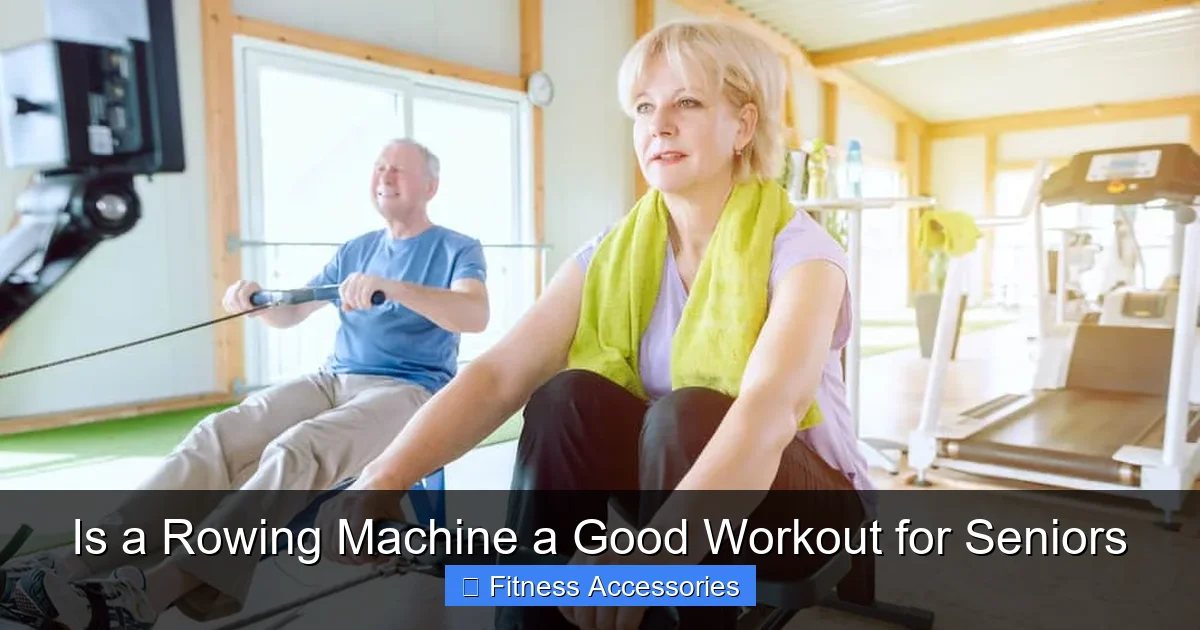
Rowing is an aerobic activity that raises the heart rate without the pounding impact of running. Studies show that moderate‑intensity rowing can improve VO₂ max, lower resting blood pressure, and enhance circulation—all key factors for seniors who want to keep their heart healthy.
Visual guide about Is a Rowing Machine a Good Workout for Seniors
Image source: healthconstitution.com.au
1.2 Muscular Strength and Endurance
The rowing stroke engages the quadriceps, glutes, hamstrings, core, back, and arms. Over time, this leads to stronger legs for better balance, a more stable spine, and improved grip strength for daily tasks like opening jars.
1.3 Joint Mobility and Flexibility
Because the motion is smooth and controlled, rowing promotes gentle stretching of the hips, knees, and shoulders. This can help maintain range of motion, reduce stiffness, and ease arthritis symptoms when done correctly.
1.4 Bone Density Support
Weight‑bearing activities are known to protect bone health. While rowing is not high‑impact, the resistance against the legs and the pulling action on the arms provide enough mechanical load to stimulate bone remodeling, especially when combined with weight‑bearing exercises like walking.
2. Safety Considerations: Rowing Without Risk
2.1 Proper Posture Is Crucial
Start with the seat upright, shoulders relaxed, and back straight. Avoid hunching or over‑arching the lower back. A neutral spine protects the lumbar region, which is a common source of pain for seniors.

Visual guide about Is a Rowing Machine a Good Workout for Seniors
Image source: a4fitness.com
2.2 Adjust the Machine to Fit Your Body
- Seat position: Slide the seat so that the knees are slightly bent at the catch (the front of the stroke).
- Foot straps: Secure the feet snugly but comfortably; the heels should stay down throughout the stroke.
- Resistance level: Begin with the lowest setting and increase only when you can complete 10‑12 smooth strokes without strain.
2.3 Warm‑Up and Cool‑Down
Spend 5‑10 minutes warming up with gentle arm circles, leg swings, and a slow rowing pace. After the workout, row lightly for 2‑3 minutes and then stretch the hamstrings, hips, and shoulders.
2.4 Listening to Your Body
If you feel dizziness, sharp pain, or excessive shortness of breath, stop immediately. Seniors should consult a physician before starting any new exercise, especially if they have heart conditions, uncontrolled hypertension, or recent surgeries.
3. Getting Started: A Step‑by‑Step Guide for Seniors
3.1 Choose the Right Rowing Machine
Look for models with smooth resistance (magnetic or air), a comfortable seat, easy‑to‑read monitors, and sturdy foot straps. Some machines also have built‑in heart‑rate sensors, which can be helpful for seniors monitoring their intensity.

Visual guide about Is a Rowing Machine a Good Workout for Seniors
Image source: actionablewellness.com
3.2 Set Realistic Goals
Begin with 5‑minute sessions, three times a week. Aim for a “talk test” level where you can hold a conversation without gasping. Gradually increase time by 2‑3 minutes each week until you reach 20‑30 minutes.
3.3 Sample Beginner Workout
- Warm‑up: 3 minutes of easy rowing (light resistance).
- Main set: 5 minutes of rowing at a comfortable pace, focusing on smooth strokes.
- Recovery: 2 minutes of very light rowing.
- Cool‑down: 3 minutes of gentle rowing, followed by stretching.
3.4 Tracking Progress
Use the machine’s display to note distance, strokes per minute, and heart rate. Keeping a simple log helps you see improvements and stay motivated.
4. Modifying the Workout for Common Senior Concerns
4.1 Arthritis
Low resistance and a slower stroke rate reduce joint stress. Focus on the “catch” and “finish” positions without forcing the elbows or knees.
4.2 Balance Issues
Keep the seat stable and use the foot straps securely. Some seniors benefit from holding a light support bar (if the machine has one) or placing a sturdy chair nearby for quick assistance.
4.3 Cardiovascular Limitations
Start with intervals: 30 seconds of rowing, 30 seconds rest. Over weeks, increase the rowing time while keeping the intensity low enough to stay under 70% of max heart rate.
4.4 Respiratory Conditions
Practice diaphragmatic breathing—inhale through the nose during the recovery phase, exhale through the mouth during the drive. This rhythm helps maintain oxygen flow.
5. Enhancing the Rowing Experience
5.1 Pair Rowing with Strength Training
Combine rowing days with light resistance band work for the upper body and bodyweight squats for the lower body. This creates a well‑rounded routine.
5.2 Social Rowing
Many community centers offer senior rowing classes, either in person or via video. Exercising with peers adds accountability and makes the workout more fun.
5.3 Using Technology
Apps that sync with rowing machines can provide guided workouts, virtual races, and progress charts. Choose simple interfaces with large fonts for easy reading.
5.4 Music and Rhythm
Rowing to a steady beat (e.g., 100‑120 BPM) can help maintain a consistent stroke rate and make the session enjoyable. Create a playlist of favorite songs from the 60s or 70s for nostalgia and motivation.
Conclusion: A Rowing Machine Can Be a Senior’s Best Friend
Answering the core question, Is a Rowing Machine a Good Workout for Seniors—the answer is a confident yes, provided the equipment is set up correctly and the individual follows safety guidelines. Rowing delivers cardio, strength, and flexibility in one low‑impact motion, making it an efficient choice for older adults seeking a holistic fitness routine.
Start slow, stay consistent, and enjoy the rhythmic glide of the row. Over weeks and months, you’ll notice stronger muscles, a healthier heart, and a greater sense of independence—all while sitting on a seat that moves with you, not against you.
Frequently Asked Questions
Is rowing safe for seniors with arthritis?
Yes, if you keep the resistance low and focus on a smooth, controlled stroke. Avoid jerky movements and listen to any joint pain signals.
How often should a senior row each week?
Three sessions of 10‑20 minutes each week is a good start. Consistency beats intensity for most older adults.
Do I need a heart‑rate monitor on the rowing machine?
A monitor is helpful but not required. If you have a known heart condition, using one can ensure you stay within a safe range.
Can rowing improve balance?
Yes. The coordinated movement of legs and core strengthens the muscles that support balance, reducing fall risk over time.
What’s the best resistance level for beginners?
Start at the lowest setting that still provides a gentle feel of the water. Increase by one notch only when you can complete a full session without strain.
Are there alternatives if I don’t own a rowing machine?
Water rowing machines, resistance bands that mimic the rowing motion, or seated rowing classes at senior centers can provide similar benefits.