How to Build Chest at Home with Dumbbells
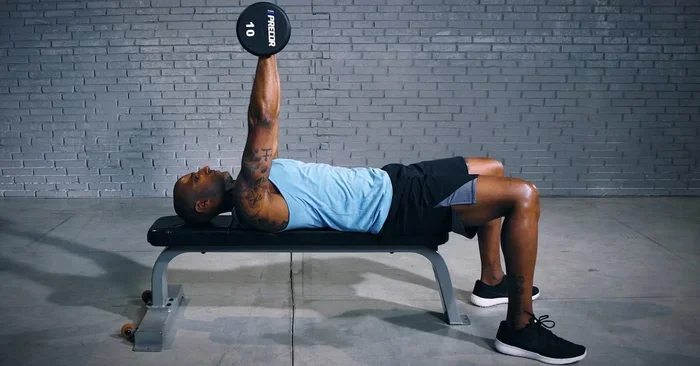
Building a strong chest at home with dumbbells is easier than you think. This guide covers the best exercises, workout routines, and proven tips to help you grow your pectoral muscles without leaving your house. You will learn how to target every part of your chest using simple dumbbell movements and a structured plan.
There is something really satisfying about building your chest at home with dumbbells. You do not need a fancy gym. You do not need a lot of space. All you need is a pair of dumbbells and the right know-how. Many people think you need big machines to build a powerful chest. That is simply not true.
With the right dumbbell chest exercises, you can target every part of your pectoral muscles. Whether you want to build upper chest, lower chest, or overall chest size, dumbbells give you the freedom to do it all. In this guide, we will walk you through the best exercises, workout plans, and tips to help you build chest at home with dumbbells effectively.
Key Takeaways
- Dumbbells are all you need: You can build a full chest using just a pair of dumbbells at home.
- Variety matters: Mixing exercises like presses, flyes, and pullovers hits all chest fibers for balanced growth.
- Progressive overload is key: Gradually increasing weight or reps drives consistent muscle growth.
- Form beats weight: Proper technique prevents injury and maximizes muscle activation.
- Consistency wins: Training your chest 2-3 times per week with rest days in between delivers the best gains.
- Recovery is part of the process: Sleep, protein, and hydration all play a role in building a bigger chest.
📑 Table of Contents
Why Building Chest at Home with Dumbbells Is a Great Idea
Training your chest at home has many advantages. First, you save time. No commute to the gym. No waiting for equipment. You can start your home chest workout the moment you walk into your room. Second, dumbbells are affordable and versatile. A single pair can give you a complete chest session.
Third, training at home means you are in control. You set the pace. You choose the weight. You rest when you need to. This makes it easier to stay consistent. Consistency is the single most important factor in muscle growth. When you build chest at home with dumbbells, you remove all the barriers that keep people from training.
Also, dumbbell movements allow a greater range of motion compared to machines. Your muscles work harder through a longer path. This leads to better muscle activation and faster chest muscle growth. Research shows that free weights like dumbbells activate more muscle fibers than fixed machines. This is one of the main reasons dumbbells are so effective for chest strength training.
The Best Dumbbell Chest Exercises You Can Do
Not all chest exercises are created equal. Some target the upper chest. Others focus on the lower chest or the inner chest. To build a full and balanced chest, you need to hit all areas. Here are the most effective dumbbell chest exercises you can do at home.
1. Dumbbell Bench Press
The dumbbell bench press is the king of chest exercises. It works your entire pectoral region. Lie on a flat surface like a bench or even the floor. Hold a dumbbell in each hand at chest level. Press the weights up until your arms are fully extended. Lower them back down slowly.
This exercise builds raw strength and size. It is a compound movement, meaning it works multiple muscle groups at once. Your shoulders and triceps help out too. Start with a weight you can control for 8 to 12 reps. Focus on a slow and controlled motion. The dumbbell bench press is one of the best dumbbell press variations for overall chest development.
2. Dumbbell Flyes
Dumbbell flyes isolate the chest muscles beautifully. Lie on your back with a dumbbell in each hand. Hold the weights above your chest with slightly bent elbows. Lower the dumbbells out to your sides in a wide arc. Bring them back up to the starting position.
This movement stretches the chest fibers under tension. That stretch is key for muscle growth. Do not use heavy weights here. Light to moderate weight works best. You want to feel a deep stretch in your pectorals at the bottom of each rep. This exercise is perfect for improving chest definition and adding shape to your pecs.
3. Dumbbell Pullover
The dumbbell pullover is a hidden gem for chest development. Lie on a flat bench or the floor. Hold one dumbbell with both hands above your chest. Lower the weight behind your head in a smooth arc. Bring it back to the starting position.
This exercise targets the lower chest and the serratus muscles. It also improves ribcage expansion, which can make your chest look bigger. The pullover is a great addition to any chest workout routine at home. It works muscles that other exercises often miss.
4. Floor Press
If you do not have a bench, the floor press is your best friend. Lie on the floor with a dumbbell in each hand. Press the weights up from your chest. The floor limits your range of motion, but it still builds serious chest strength.
This is a great push-up alternative for those who want more resistance. Many powerlifters use the floor press to build lockout strength. It is simple, effective, and requires zero equipment besides dumbbells. This makes it perfect for anyone starting a home gym workout with limited space.
5. Incline Dumbbell Press
The incline dumbbell press targets the upper chest. Set a surface at an angle, or use a stack of pillows. Press the dumbbells upward at an incline. This movement emphasizes the clavicular head of the pectoralis major.
Upper chest development is what gives your chest that full, 3D look. Many people neglect this area. By adding incline presses to your routine, you can build a more complete and balanced chest. The incline dumbbell press is one of the most underrated dumbbell chest exercises for creating a well-rounded physique.
How to Build a Chest Workout Routine at Home
Having the right exercises is only half the battle. You also need a smart routine. A well-structured plan ensures you train your chest with the right volume and intensity. Here is how to build a dumbbell chest workout routine that actually works.
Sample Weekly Chest Routine
Train your chest 2 to 3 times per week. Allow at least 48 hours of rest between sessions. Here is a simple weekly plan:
- Day 1: Dumbbell Bench Press, Dumbbell Flyes, Dumbbell Pullover
- Day 2: Incline Dumbbell Press, Floor Press, Dumbbell Flyes
- Day 3 (optional): Mix and match your favorite exercises from the list above
Perform 3 to 4 sets of 8 to 12 reps for each exercise. Rest for 60 to 90 seconds between sets. This rep range is ideal for chest hypertrophy, which is the scientific term for muscle growth. Hypertrophy training focuses on moderate weight and moderate reps to maximize muscle fiber recruitment.
Progressive Overload: The Key to Growing Your Chest
Your muscles grow when you challenge them more over time. This is called progressive overload. You can achieve this in several ways. Add more weight to your dumbbells. Add more reps to each set. Add more sets to your workout. Shorten your rest periods between sets.
Without progressive overload, your muscles have no reason to grow. They adapt to the stress you place on them. So keep track of your workouts. Write down the weights and reps you use each session. Try to improve slightly every week. This simple habit is what separates people who make progress from those who stay stuck. Progressive overload is the foundation of any successful chest muscle growth plan.
Warm Up Before Every Session
Warming up is non-negotiable. Spend 5 to 10 minutes doing light cardio or dynamic stretches. Warm up your shoulders with arm circles. Do a few light reps with very light dumbbells. A proper warm-up increases blood flow and prepares your muscles for heavy work.
Skipping your warm-up is one of the fastest ways to get injured. Shoulder injuries are especially common during chest exercises. Take the extra few minutes to prepare your body. It will pay off in the long run. A good warm-up also improves your range of motion during the working sets.
Tips for Bigger and Stronger Chest Muscles
Exercise selection and routine design matter. But so do the small details. These tips can make a big difference in your results.
Focus on the Mind-Muscle Connection
One of the most underrated tips for chest growth is the mind-muscle connection. This means really focusing on your chest muscles during each rep. Feel the muscles contract and stretch. Do not just move the weights up and down mindlessly.
When you do dumbbell flyes, imagine squeezing a ball between your chest. When you press, think about pushing the weight through your chest. This mental focus increases muscle activation. Studies have shown that mindful muscle engagement leads to better results. The mind-muscle connection is what separates a good workout from a great one.
Eat Enough Protein
You cannot build muscle without proper nutrition. Protein is the building block of muscle tissue. Aim for at least 0.7 to 1 gram of protein per pound of body weight each day. Good sources include chicken, fish, eggs, Greek yogurt, and plant-based proteins like lentils and tofu.
Spread your protein intake across 3 to 5 meals throughout the day. This keeps your muscles fueled for recovery and growth. Pair your protein with complex carbohydrates for energy during your chest strength training sessions. Without enough protein, your body cannot repair the muscle fibers you break down during exercise.
Get Enough Sleep and Recovery
Muscles do not grow during your workout. They grow during rest. Aim for 7 to 9 hours of quality sleep each night. Sleep is when your body repairs muscle tissue and releases growth hormone.
Overtraining is a real risk, especially when you train at home with no coach watching you. If you feel persistent soreness or fatigue, take an extra rest day. Listen to your body. It will tell you what it needs. Proper recovery is just as important as the workout itself for chest muscle growth.
Stay Hydrated
Water plays a crucial role in muscle function and recovery. Dehydration can reduce your strength and performance. Drink water throughout the day. Aim for at least 8 glasses daily. During your workout, sip water between sets to stay hydrated. Good hydration supports nutrient delivery to your muscles and helps remove waste products produced during exercise.
Common Mistakes That Slow Down Chest Growth
Even with the best routine, mistakes can hold you back. Here are the most common errors people make when training their chest with dumbbells at home.
Using Too Much Weight
This is the number one mistake. Many people choose dumbbells that are too heavy. They swing the weights around and use momentum. This reduces muscle activation and increases injury risk. Choose a weight where you can complete all reps with good form. It is better to lift lighter with perfect technique than heavy with sloppy form. Control the weight on the way down. Do not let gravity do the work for you.
Skipping the Full Range of Motion
A full range of motion is essential for chest development. Many people half-rep their presses. They do not lower the dumbbells far enough. This limits the stretch on the chest muscles. Lower the weights until you feel a good stretch in your pecs. Then press all the way up. Every rep should go through a complete range of motion. Partial reps may feel easier, but they do not stimulate the muscle fibers the way full reps do.
Neglecting the Upper Chest
The upper chest is often overlooked. But it makes up a large portion of your chest. Without upper chest work, your chest can look flat from the front. Always include at least one incline exercise in your routine. The incline dumbbell press is a great choice. It targets the upper chest fibers that flat presses miss. A balanced chest workout routine always includes both flat and incline movements.
Training Too Often Without Rest
More is not always better. Training your chest every single day will actually slow your progress. Muscles need time to recover and rebuild. Stick to 2 to 3 chest sessions per week. Give your muscles at least 48 hours between workouts. Rest days are when the real growth happens. Trust the process and give your body the time it needs to recover.
Final Thoughts on Building Chest at Home with Dumbbells
Building chest at home with dumbbells is one of the most efficient ways to develop your pectoral muscles. You do not need expensive equipment. You do not need a gym membership. You just need consistency, proper form, and a smart plan. The exercises in this guide will give you everything you need to build a powerful chest from the comfort of your home.
Start with the exercises we covered in this guide. Follow a structured routine. Focus on progressive overload. Take care of your nutrition and recovery. Track your progress and celebrate small wins along the way. Every rep counts. Every session moves you closer to the chest you have always wanted.
If you want more detailed guidance on specific exercises, check out our guide on chest exercises at home with dumbbells. For a complete weekly plan, you can also read our article on chest workout at home with dumbbells. And if you are looking for strategies to maximize your chest size, our piece on how to get bigger chest at home with dumbbells has more advanced tips.
Now it is your turn. Grab your dumbbells. Find a comfortable space. And start building the chest you have always wanted. Your home is your gym. Your dumbbells are your tools. And your results are waiting for you. Stay consistent, stay patient, and enjoy the journey.
Frequently Asked Questions
Can I build a full chest using only dumbbells at home?
Absolutely. Dumbbells are incredibly versatile and can target every part of your pectoral muscles. Exercises like the dumbbell bench press, flyes, pullovers, and incline presses cover all areas of the chest. You do not need machines or a gym to build a strong and defined chest.
How often should I train my chest with dumbbells at home?
Training your chest 2 to 3 times per week is ideal for most people. This frequency gives your muscles enough stimulus to grow while allowing adequate rest between sessions. Always wait at least 48 hours before training your chest again to let the muscles recover properly.
What weight dumbbells should I use to build chest muscle?
Choose a weight that challenges you for 8 to 12 reps per set. If you can easily complete 12 reps, increase the weight slightly. If you cannot finish 8 reps with good form, decrease the weight. The right weight is one that makes the last few reps feel challenging but still achievable.
Do I need a bench to do dumbbell chest exercises at home?
No, you do not need a bench. You can perform many chest exercises on the floor, such as the floor press and dumbbell flyes. You can also use a stability ball, a chair, or even stacked pillows to create an incline surface. A bench is helpful but not essential for building chest at home.
How long does it take to see results when building chest at home?
Most people start noticing visual changes within 4 to 8 weeks of consistent training. Strength improvements often come even sooner, sometimes within 2 to 3 weeks. Results depend on your training consistency, nutrition, sleep quality, and genetics. Stay patient and trust the process.
Is it better to use heavy or light dumbbells for chest growth?
A mix of both works best. Heavier weights with lower reps build strength and thickness. Lighter weights with higher reps improve muscle endurance and definition. The most important factor is progressive overload, meaning you gradually increase the challenge over time regardless of the specific weight you choose.