Rowing machines can be a powerful tool for shedding belly fat when combined with proper diet and consistent workouts. They deliver full‑body cardio, engage core muscles, and boost metabolism, making them an efficient choice for fat loss.
Key Takeaways
- Full‑body cardio burns calories fast: Rowing elevates heart rate and torches calories, essential for fat loss.
- Core activation helps tighten the midsection: The rowing stroke engages abs, obliques, and lower back.
- Intensity matters more than duration: High‑intensity intervals on the rower accelerate belly‑fat reduction.
- Consistency beats occasional long sessions: Regular 20‑30 minute rows produce better results than sporadic hour‑long workouts.
- Nutrition still rules: No machine can out‑eat a poor diet; pairing rowing with a calorie‑controlled plan is key.
- Progress tracking fuels motivation: Use the rower’s monitor or a fitness app to watch distance, strokes, and calories.
- Low impact, joint‑friendly: Rowing spares knees and hips, allowing more frequent training.
📑 Table of Contents
- Introduction: Why the Question Matters
- How Rowing Works: The Mechanics of Fat Burning
- Comparing Rowing to Other Cardio Options
- Designing a Rowing Routine for Belly Fat Loss
- Nutrition: The Other Half of the Equation
- Common Mistakes and How to Fix Them
- Success Stories: Real People, Real Results
- Putting It All Together: Your Action Plan
- Conclusion: The Bottom Line
Introduction: Why the Question Matters
Everyone wants a slimmer waist, but the road to a flatter belly is often clouded by myths. Some swear by crunches, others promise miracle pills. Yet the truth is simple: you need to burn more calories than you eat, and you need to train the muscles that support your core. That’s where the rowing machine enters the conversation.
In this article we answer the question “Is a rowing machine good for losing belly fat?” in plain language. We’ll break down the science, compare rowing to other cardio options, and give you a step‑by‑step plan you can start today. Think of this as a friendly chat over coffee, with plenty of practical tips you can actually use.
How Rowing Works: The Mechanics of Fat Burning
1. The rowing stroke explained
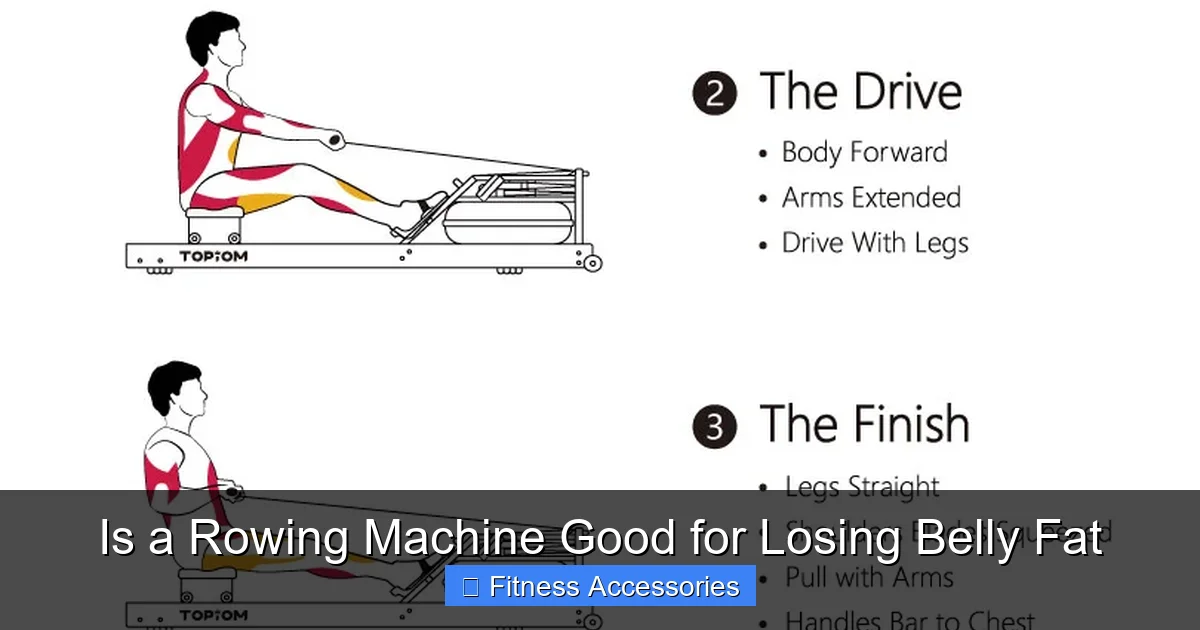
The rowing stroke has two phases: the drive and the recovery. During the drive you push with your legs, lean back, and pull the handle toward your chest. This motion recruits the quads, glutes, hamstrings, back, shoulders, and—most importantly for belly fat—your core. The recovery is a smooth return to the starting position, keeping tension on the muscles throughout.

Visual guide about Is a Rowing Machine Good for Losing Belly Fat
Image source: topiom.com
2. Calorie expenditure
Because you are moving multiple large muscle groups at once, rowing burns a lot of calories in a short time. A 155‑lb person can torch roughly 260 calories in 30 minutes of moderate rowing, and up to 400 calories with vigorous effort. The more intense the session, the higher the post‑exercise oxygen consumption (EPOC), meaning you keep burning calories even after you stop.
3. Core engagement and “spot‑reduction” myth
Targeting fat in a specific area—spot‑reduction—is a myth. However, strengthening the core does improve posture, tighten the abdominal wall, and make the belly appear flatter as you lose overall body fat. Rowing’s repetitive core activation helps build that underlying muscle tone.
Comparing Rowing to Other Cardio Options
Running vs. rowing
Running is a classic calorie‑burner, but it places higher impact stress on knees and hips. Rowing delivers comparable or higher calorie burn with virtually no joint pounding. For people with joint pain, rowing is a safer, longer‑term cardio choice.
Visual guide about Is a Rowing Machine Good for Losing Belly Fat
Image source: topiom.com
Cycling vs. rowing
Stationary bikes isolate the lower body, while rowing adds upper‑body work and core stability. This means you burn more calories per minute on the rower and develop a more balanced physique.
HIIT on the rower
High‑intensity interval training (HIIT) on a rowing machine is especially effective for belly‑fat loss. Short bursts of all‑out rowing (20‑30 seconds) followed by brief recovery periods boost metabolism and improve insulin sensitivity—both key factors in reducing abdominal fat.
Designing a Rowing Routine for Belly Fat Loss
1. Frequency and duration
Aim for 4‑5 sessions per week. Beginners can start with 15‑20 minutes, gradually increasing to 30‑45 minutes as stamina improves. Consistency is more important than occasional marathon rows.

Visual guide about Is a Rowing Machine Good for Losing Belly Fat
Image source: topiom.com
2. Intensity guidelines
- Steady‑state rows: Keep your heart rate at 65‑75 % of max for 20‑30 minutes. Good for building endurance.
- HIIT rows: 30 seconds sprint, 30‑seconds easy, repeat 8‑10 times. Finish with a 5‑minute cool‑down.
3. Sample weekly plan
Monday* – 20‑minute steady‑state row (moderate pace).
Tuesday* – 10‑minute warm‑up, then 8 × 30‑second sprints with 30‑second rests, cool‑down.
Wednesday* – Rest or light yoga for mobility.
Thursday* – 25‑minute mixed‑pace row (2 minutes hard, 2 minutes easy).
Friday* – 15‑minute HIIT (10 × 20‑second sprints).
Saturday* – Outdoor activity (walk, hike) plus optional 10‑minute easy row.
Sunday* – Full rest.
4. Tracking progress
Use the machine’s monitor to log distance, strokes per minute, and calories. Many rowers sync with apps like Strava or MyFitnessPal, letting you see weekly trends and stay motivated.
Nutrition: The Other Half of the Equation
Calorie deficit basics
Even the best rowing program won’t shrink your waist if you eat more than you burn. Aim for a modest deficit of 250‑500 calories per day. This can be achieved by cutting sugary drinks, reducing portion sizes, or adding a protein‑rich snack.
Macronutrient balance for a flat belly
- Protein: 0.8‑1 g per pound of body weight supports muscle repair from rowing.
- Healthy fats: Avocado, nuts, and olive oil keep you satiated.
- Complex carbs: Whole grains, legumes, and veges provide steady energy for workouts.
Hydration and timing
Drink at least 2 liters of water daily. A light snack (banana or a handful of nuts) 30‑45 minutes before rowing fuels performance without causing stomach discomfort.
Common Mistakes and How to Fix Them
1. Poor form leads to back pain
Keep a neutral spine, engage the core, and avoid hunching shoulders. Practice the “catch” position with legs fully extended and arms straight, then drive through the heels.
2. Over‑relying on the arms
The power comes from the legs. If you feel your arms doing most of the work, you’re likely not using the correct drive sequence. Focus on pushing with the legs first, then lean back, then pull.
3. Ignoring recovery
Muscles need time to rebuild. Stretch the hip flexors, hamstrings, and back after each session. A foam‑roller routine once a week reduces soreness and improves rowing efficiency.
4. Skipping the warm‑up
Begin each workout with 5 minutes of easy rowing or dynamic stretches (leg swings, arm circles). This raises heart rate gradually and prepares the joints.
Success Stories: Real People, Real Results
Case Study 1: Sarah, 34, office worker
Sarah added three 30‑minute HIIT rows per week while cutting 300 calories from her lunch. After 12 weeks she lost 7 lb, and her waist measurement dropped 2 inches. She credits the core‑engaging nature of rowing for the visible change.
Case Study 2: Mark, 45, former runner
Mark switched from jogging to rowing due to knee pain. He kept his weekly mileage but split it into two 25‑minute rowing sessions. Over six months his body fat fell from 22 % to 17 %, with a noticeable flattening of his midsection.
Putting It All Together: Your Action Plan
1. Set a realistic goal – e.g., lose 1 lb per week or shrink waist by 1 inch in 8 weeks.
2. Buy or access a rowing machine – home rower or gym.
3. Follow the weekly routine outlined above.
4. Track calories using a phone app.
5. Monitor progress with measurements, not just the scale.
6. Adjust intensity every 2‑3 weeks to keep challenging the body.
Conclusion: The Bottom Line
So, is a rowing machine good for losing belly fat? The answer is a resounding yes—provided you pair it with a modest calorie deficit, maintain proper form, and stay consistent. Rowing delivers high‑calorie burn, engages the core, and protects your joints, making it one of the most efficient tools for a slimmer waist. Treat the rower as part of a balanced lifestyle, and you’ll see the belly‑fat melt away while gaining strength and confidence.
Frequently Asked Questions
Can I lose belly fat by only rowing without changing my diet?
Rowing will help you burn calories, but without a calorie deficit you’ll see limited fat loss. Combining rowing with a modest dietary adjustment yields the best results.
How long does it take to see a slimmer waist from rowing?
Most people notice changes in 4‑6 weeks if they row 3‑5 times per week and maintain a slight calorie deficit. Visible results depend on starting weight and consistency.
Is rowing better than ab‑only workouts for a flat stomach?
Yes. Rowing provides a full‑body cardio workout that burns more calories than isolated crunches, while also strengthening the core muscles that support a flat belly.
Do I need a fancy rowing machine to get results?
No. A basic magnetic or air‑resistance rower works fine. The key is consistent use and proper technique, not the price tag.
Can beginners do high‑intensity interval rowing safely?
Yes, but start with a steady‑state warm‑up and keep intervals short (15‑20 seconds). Gradually increase intensity as your fitness improves.
What should I do if I feel lower‑back pain while rowing?
Check your form: keep a neutral spine, engage your core, and drive with the legs first. Reduce the resistance and focus on a smooth, controlled stroke. If pain persists, consult a professional.