How Long Should a Senior Use a Rowing Machine

Finding the right rowing time for seniors isn’t about “one size fits all.” It depends on fitness level, health conditions, and personal goals. Start slow, listen to your body, and gradually build up to a routine that feels comfortable and sustainable.
Key Takeaways
- Start with short sessions: 5‑10 minutes is ideal for beginners.
- Frequency matters more than length: Aim for 3‑5 days a week.
- Progress gradually: Add 1‑2 minutes each week as stamina improves.
- Focus on form: Proper technique prevents injury and maximizes benefits.
- Listen to your body: Stop if you feel pain, dizziness, or excessive fatigue.
- Combine with other activities: Stretching, walking, or strength work balances the routine.
- Consult professionals: A doctor or trainer can tailor recommendations to individual health needs.
📑 Table of Contents
- Introduction: Why Seniors Are Turning to Rowing Machines
- 1. Understanding the Senior Body: What Makes Rowing Safe?
- 2. Getting Started: The First Few Weeks
- 3. How Long Is Too Long? Recognizing Signs of Overtraining
- 4. Tailoring Duration to Different Goals
- 5. Complementary Activities: Making the Most of Your Routine
- 6. Practical Tips for Safe and Enjoyable Rowing
- Conclusion: Find Your Sweet Spot and Keep Moving
Introduction: Why Seniors Are Turning to Rowing Machines
Rowing machines have become a staple in gyms and home gyms alike. For seniors, they offer a low‑impact, full‑body workout that protects joints while still delivering cardio and strength benefits. Unlike running or high‑impact aerobics, rowing lets you sit, pull, and push without pounding the knees or hips.
But the big question remains: how long should a senior use a rowing machine? The answer isn’t a simple “30 minutes a day.” It depends on health status, previous activity level, and personal goals. This guide walks you through the factors that shape an ideal rowing routine, offers step‑by‑step recommendations, and provides practical tips to keep you safe and motivated.
1. Understanding the Senior Body: What Makes Rowing Safe?
Low‑Impact Nature of Rowing
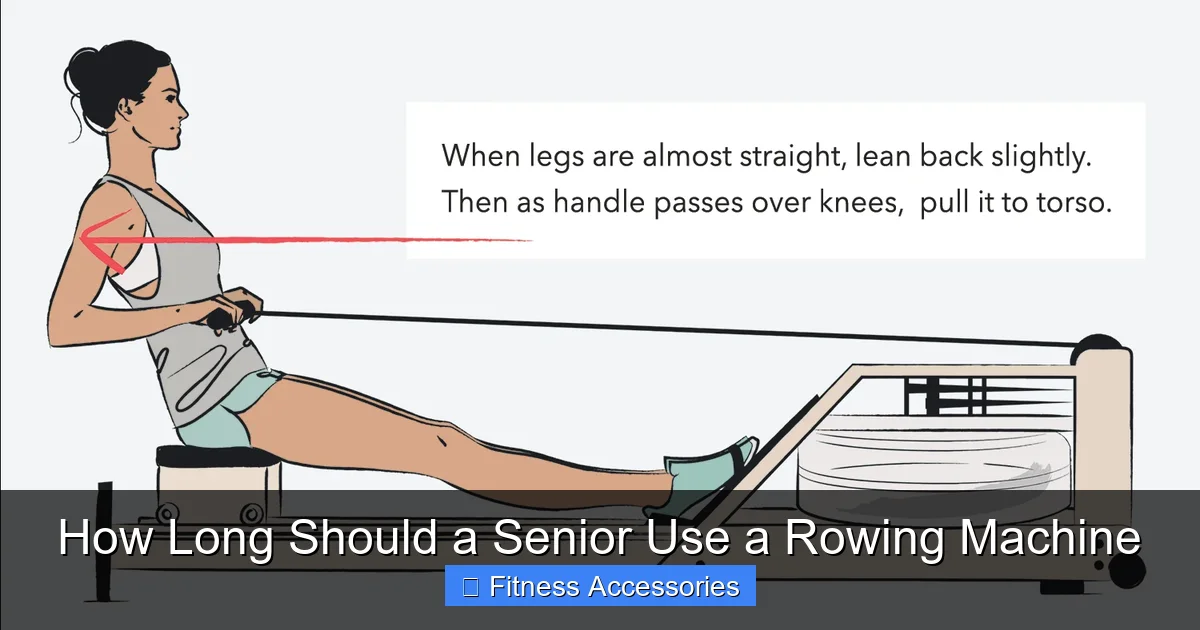
Rowing mimics the smooth motion of a boat gliding on water. Your feet stay planted on the foot‑rests, your back stays supported, and the main work comes from the legs, core, and arms. This reduces stress on weight‑bearing joints, making it gentler than jogging or stair climbing.
Visual guide about How Long Should a Senior Use a Rowing Machine
Image source: wellnessed.com
Cardiovascular Benefits
Even a short, steady rowing session can raise heart rate into the moderate‑intensity zone (50‑70% of max heart rate). For seniors, this improves circulation, lowers blood pressure, and supports heart health without overtaxing the system.
Strength and Balance Gains
The rowing stroke engages the quadriceps, glutes, hamstrings, back, and shoulders. Regular use helps maintain muscle mass, which naturally declines after age 50. Stronger muscles also improve balance, reducing fall risk.
Flexibility and Mobility
Because each stroke includes a leg extension, a hinge at the hips, and a reach with the arms, rowing gently stretches the hamstrings, hip flexors, and shoulders. Over time, this can increase range of motion and make everyday tasks easier.
2. Getting Started: The First Few Weeks
Assess Your Baseline
Before you hop on the machine, check with your doctor, especially if you have heart disease, arthritis, or recent surgeries. A quick health clearance ensures you’re cleared for moderate aerobic activity.

Visual guide about How Long Should a Senior Use a Rowing Machine
Image source: healthconstitution.com.au
Set a Realistic Goal
For most seniors, the initial goal is simply “move more.” Aim for 5‑10 minutes of continuous rowing at a comfortable pace. This might feel like a brisk walk, but on a rowing machine it’s often less than 50 strokes per minute.
Learn Proper Form
- Seat Position: Sit tall with hips slightly behind the knees.
- Foot Straps: Secure the straps just above the ball of the foot.
- Catch (Start): Knees bent, shins vertical, arms straight, torso slightly forward.
- Drive: Push through the heels, straighten legs, lean back slightly, then pull the handle to your chest.
- Recovery: Extend arms, hinge at the hips, then bend knees to return to the catch.
Practice the sequence slowly until it feels natural. Good form reduces strain on the lower back—a common concern for seniors.
Sample Week‑One Schedule
- Monday: 5 minutes, easy pace.
- Wednesday: 5 minutes, easy pace.
- Friday: 7 minutes, easy pace.
- Other days: Light walking or stretching.
Notice how the total weekly rowing time is under 20 minutes. This gradual start builds confidence without overwhelming the cardiovascular system.
3. How Long Is Too Long? Recognizing Signs of Overtraining
Common Warning Signals
If you feel any of the following, cut the session short and rest:
- Dizziness or light‑headedness.
- Sharp joint pain (especially knees, hips, or lower back).
- Excessive shortness of breath that doesn’t improve with a few minutes of slower rowing.
- Unusual fatigue lasting more than a day.
Balancing Duration and Frequency
Research shows that for older adults, spreading activity across the week is safer than long, infrequent bouts. A 30‑minute session three times a week often yields better adherence and lower injury risk than a single 90‑minute marathon.
When to Extend Sessions
After 4‑6 weeks of consistent short sessions, you can safely add 1‑2 minutes per workout. A typical progression might look like:
- Weeks 1‑2: 5‑7 minutes.
- Weeks 3‑4: 8‑10 minutes.
- Weeks 5‑6: 11‑13 minutes.
- Beyond week 6: 15‑20 minutes, if comfort allows.
Remember, the goal isn’t to hit a specific minute count but to stay in a comfortable, sustainable zone.
4. Tailoring Duration to Different Goals
Goal #1: General Health Maintenance
For overall wellness, 10‑15 minutes of rowing 3‑4 times per week is sufficient. This keeps the heart healthy, supports muscle tone, and improves joint mobility.
Goal #2: Weight Management
If weight loss is a priority, combine rowing with a balanced diet. Aim for 20‑30 minutes, 4‑5 days a week, at a moderate intensity (you can talk, but singing is hard). Adding interval bursts—30 seconds of faster rowing followed by 60 seconds easy—can boost calorie burn.
Goal #3: Strength and Endurance Building
For seniors interested in building strength, focus on the “drive” phase. Use a slightly higher resistance and keep sessions around 15‑20 minutes, incorporating 2‑3 minute “power sets” where you row with strong, deliberate strokes, then recover.
Goal #4: Rehabilitation and Mobility
Physical therapists often prescribe very short, low‑resistance rowing to improve joint range of motion. Sessions may be as brief as 5 minutes, performed daily, emphasizing smooth, controlled movements.
5. Complementary Activities: Making the Most of Your Routine
Stretching Before and After
Spend 3‑5 minutes stretching the hamstrings, hip flexors, and shoulders before you row. After rowing, add gentle spinal twists and calf stretches. This routine helps prevent stiffness and keeps muscles supple.
Strength Training
Light resistance bands or body‑weight exercises (like wall push‑ups or seated leg raises) on non‑rowing days maintain balanced muscle development. Aim for 2‑3 sessions per week, 10‑15 minutes each.
Walking and Low‑Impact Cardio
Walking remains a gold‑standard activity for seniors. Pair a 20‑minute walk on rowing rest days to keep overall activity levels steady without overloading any single muscle group.
Mind‑Body Practices
Yoga or tai chi can improve balance and breathing control, which translate to better rowing technique. A short 10‑minute session once or twice a week enhances overall fitness.
6. Practical Tips for Safe and Enjoyable Rowing
Choose the Right Machine
- Resistance Type: Magnetic or air‑resistance models provide smooth, quiet operation.
- Adjustable Footrests: Ensure your feet are secure but not cramped.
- Seat Comfort: Look for a padded, sliding seat that supports the lower back.
Monitor Intensity
Use the “talk test.” If you can converse comfortably, you’re in the right zone. A heart‑rate monitor set to 50‑70% of max (220‑age) is also helpful.
Stay Hydrated
Even low‑impact workouts cause sweat loss. Keep a water bottle within reach and sip regularly.
Create a Routine Space
Place the rower on a non‑slippery floor, near a fan or window for airflow. Having a dedicated spot reduces setup time and encourages consistency.
Track Progress
Write down session length, resistance level, and how you felt. Seeing gradual improvements—like rowing 15 minutes without stopping—provides motivation.
Conclusion: Find Your Sweet Spot and Keep Moving
There’s no one‑size‑fits‑all answer to how long should a senior use a rowing machine. The sweet spot lies where comfort meets challenge—typically starting with 5‑10 minutes, three times a week, and gradually building to 15‑20 minutes as strength and stamina improve.
Focus on proper form, listen to your body, and pair rowing with complementary activities like stretching, walking, and light strength work. By staying consistent and progressing slowly, seniors can reap the cardiovascular, muscular, and mental benefits of rowing without risking injury.
So, grab a water bottle, set a modest timer, and enjoy the smooth glide of the rower. Your heart, joints, and overall health will thank you for every minute you spend moving.
Frequently Asked Questions
How many minutes should a senior start with on a rowing machine?
Begin with 5‑10 minutes per session, focusing on smooth, controlled strokes and proper form.
Is rowing safe for seniors with arthritis?
Yes, rowing is low‑impact and can be gentle on arthritic joints. Start with low resistance and short sessions, and stop if pain increases.
Can I do rowing every day?
It’s better to row 3‑5 days a week and allow rest days for recovery. Light walking or stretching on off days keeps the body active without overloading it.
What resistance level is appropriate for beginners?
Use the lowest resistance that still lets you feel the muscles work. Increase the level only when you can complete the session comfortably.
How do I know if I’m overtraining?
Watch for dizziness, sharp joint pain, excessive shortness of breath, or lingering fatigue. If any appear, reduce duration or take a rest day.
Should I combine rowing with other strength exercises?
Absolutely. Adding light resistance band work or body‑weight exercises 2‑3 times a week creates balanced strength and supports rowing performance.