Can I Keep a Treadmill in the Garage
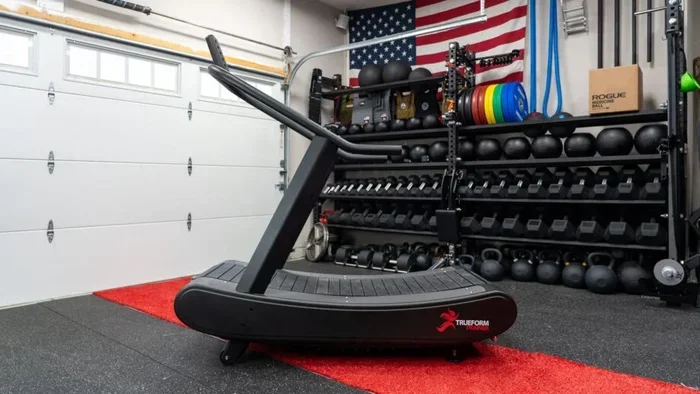
Yes, you can keep a treadmill in the garage, but it requires the right setup and protection. Temperature swings, moisture, and dust are the biggest threats to your fitness equipment. This guide covers everything you need to know about garage treadmill storage, from floor protection to cold weather risks.
So you want to put your treadmill in the garage. Smart move. It frees up space in your home and gives you a dedicated spot to get your workout in. But before you just wheel it in and start running, there are a few things you need to know.
Keeping a treadmill in the garage is totally doable. Thousands of people do it every day. But the garage environment presents unique challenges that you need to plan for. Temperature swings, dust, moisture, and even the type of flooring can all affect how well your treadmill holds up over time.
In this guide, we will walk you through everything you need to think about. From temperature concerns to floor protection, from storage tips to common mistakes, we have got you covered. By the end, you will know exactly whether your garage is a good home for your treadmill and how to make it work.
Key Takeaways
- Garage storage is possible: With proper precautions, your treadmill can thrive in a garage environment.
- Temperature matters: Extreme cold and heat can damage the motor, belt, and electronics over time.
- Moisture is the enemy: Humidity and condensation can cause rust, mold, and electrical issues.
- Floor protection is essential: Use a mat or platform to absorb vibration and protect your garage floor.
- Regular maintenance extends life: Cleaning, lubricating, and covering your treadmill keeps it running smoothly.
- Consider alternatives: If your garage is too harsh, indoor placement or a covered porch may work better.
📑 Table of Contents
Why Keeping a Treadmill in the Garage Makes Sense
There are plenty of good reasons to stash your treadmill in the garage. Let us look at the biggest ones.
Space Savings
Garages often have extra room that other areas of the house do not. Moving a treadmill into the garage frees up valuable living space. You can use that space for a home office, a play area, or just to breathe. A garage workout setup can feel more like a real gym without cluttering your home.
Noise Reduction
Treadmills can be loud. The motor hums, the belt thumps, and your feet hit the deck with each stride. When your treadmill is in the garage, the noise stays outside. Your family members inside the house can watch TV, sleep, or work without being disturbed. This is a huge perk for many homeowners.
Convenience
Having your treadmill right where you park your car means you can squeeze in a workout before or after work. No need to walk through the house to get to it. The convenience factor alone makes garage storage a popular choice for fitness enthusiasts.
Can a Treadmill Handle Cold Garage Conditions
This is the big question. Garages are not climate controlled. They get hot in summer and freezing in winter. So what does that mean for your treadmill?
Temperature and Humidity Concerns
Most treadmills are designed to operate in normal room temperatures. That usually means between 50°F and 105°F. If your garage stays within that range most of the time, you are in good shape. But if temperatures drop below freezing or soar past 105°F, you could run into problems.
Humidity is just as important as temperature. High moisture levels can cause condensation inside the motor housing. Over time, this leads to rust, electrical shorts, and belt deterioration. If you live in a humid climate, you need to take extra steps to control moisture in your garage.
How Cold Weather Affects Your Treadmill
Cold weather can be tough on a treadmill. The lubricant on the belt can thicken, making the belt harder to move. The motor has to work harder, which increases wear and tear. Plastic parts can become brittle in extreme cold, and electronics can malfunction when temperatures drop too low.
If you live in a cold climate, you might want to consider keeping your treadmill in a cold garage only during milder months. Or, you could invest in a garage heater to keep the temperature more stable. For more details on cold garage storage, check out our guide on whether a treadmill can be kept in a cold garage.
Here are some quick tips for cold weather treadmill storage:
- Use a treadmill cover to shield it from drafts and moisture.
- Wipe down the belt and deck after each use to remove condensation.
- Let the treadmill warm up for a few minutes before starting your workout.
- Store the treadmill away from exterior doors and windows where cold air enters.
Setting Up Your Treadmill in the Garage
Once you have decided the garage is right for your treadmill, proper setup makes all the difference. A good setup protects your equipment and makes your workouts more enjoyable.
Choosing the Right Spot
Not every spot in the garage is created equal. You want to place your treadmill on a flat, level surface. Avoid spots near the garage door where temperature swings are the most extreme. Also, keep it away from any areas prone to water leaks or flooding.
Ideally, place your treadmill against an interior wall rather than an exterior one. Interior walls tend to be more temperature stable. If you have a covered garage, even better. The roof provides a layer of protection from rain, snow, and direct sunlight.
Make sure there is enough clearance around the treadmill. You need at least two feet of space on each side for safety and ventilation. Good airflow helps keep the motor cool, which extends its lifespan.
Protecting Your Floor and Equipment
Garage floors are not always gentle on equipment. Concrete floors can crack under the weight of a treadmill, and the vibration can damage both the machine and the floor. A thick rubber mat or treadmill platform solves both problems.
Here is what you should consider for floor protection:
- Rubber mat: Absorbs vibration and protects the garage floor from scratches.
- Plywood platform: Distributes the weight more evenly across a larger area.
- Treadmill mat: Specifically designed for fitness equipment and easy to clean.
The treadmill itself weighs anywhere from 200 to 400 pounds depending on the model. That is a lot of weight concentrated in a small area. A proper base prevents damage to both the floor and the machine.
Treadmill Storage Tips for the Garage
Storing your treadmill properly in the garage goes beyond just plugging it in. A few smart habits will keep your equipment in great shape for years.
Keep It Clean
Garages are dusty places. Dust settles on every surface, and your treadmill is no exception. Regular cleaning prevents dust from working its way into the motor and belt mechanism. Wipe down the console, the handrails, and the belt after every few uses. A soft cloth and mild cleaner work great for this.
Use a Cover
A fitted treadmill cover is one of the best investments you can make. It protects against dust, moisture, and UV rays from any windows in the garage. Look for a cover that is breathable so moisture does not get trapped underneath. A cover also keeps your treadmill looking new for longer.
Lubricate the Belt
Treadmill belts need regular lubrication to run smoothly. In a garage environment, dust and debris can accelerate wear on the belt. Check your owner’s manual for lubrication recommendations. Most manufacturers suggest lubricating every three to six months, but garages with more dust may need more frequent attention.
Secure the Power Cord
Garage power cords can be a tripping hazard, especially in a cluttered space. Use cord ties or cable management clips to keep the cord neat and out of the way. Never let the cord hang where it could get caught or pulled during a workout.
Common Mistakes to Avoid
Even with the best intentions, people make mistakes when storing a treadmill in the garage. Here are the most common ones and how to avoid them.
- Skipping the floor mat: This is the number one mistake. Without a mat, the vibration damages your garage floor and the treadmill’s frame over time.
- Ignoring temperature extremes: Running your treadmill in a freezing garage or a scorching hot garage shortens its lifespan significantly.
- Not covering the treadmill: An uncovered treadmill in a garage collects dust and moisture quickly. A cover costs very little and saves you a lot of trouble.
- Placing it near the garage door: This area experiences the most temperature fluctuation and exposure to the elements. Keep your treadmill toward the back of the garage.
- Forgetting to unplug it: Power surges, lightning storms, and moisture can all damage the electronics. Always unplug your treadmill when it is not in use.
When to Keep Your Treadmill Indoors Instead
Sometimes the garage is just not the right place for a treadmill. And that is okay. Here are some situations where indoor placement makes more sense.
If your garage gets below freezing in winter or exceeds 105°F in summer, the temperature swings are too harsh for most treadmills. The motor and electronics are not built to handle extreme conditions over a long period. In that case, a spare bedroom, basement, or even a second floor might be a better option.
Also, if you only use your treadmill occasionally, the garage might not be worth the setup effort. A simple foldable treadmill stored in a closet could work just as well for light use. And if you are in the market for a new one, you can always buy a treadmill in person at a local store and test it out before committing to a placement location.
The key is to match your treadmill placement to your lifestyle and environment. A treadmill that fits well in your space and climate will last longer and get used more often.
Final Thoughts
So, can you keep a treadmill in the garage? Absolutely. With the right setup and a little maintenance, your garage can become a great home for your fitness equipment. Focus on temperature control, moisture protection, and proper flooring. Keep the machine clean and covered when not in use. And be mindful of the signs that your garage environment might be too harsh for long-term storage.
A garage treadmill setup offers convenience, space savings, and noise reduction that indoor placement simply cannot match. Just treat your treadmill well, and it will reward you with many years of reliable workouts. Start with the basics, build good habits, and enjoy the convenience of having your fitness gear right where you need it.
Frequently Asked Questions
Can I leave my treadmill in the garage during winter?
It depends on your climate. If your garage stays above freezing and the humidity is low, winter storage is fine. But if temperatures drop below 32°F regularly, the cold can damage the motor and belt. Use a cover and consider a garage heater for extra protection during the cold months.
What kind of mat should I put under my treadmill in the garage?
A thick rubber treadmill mat is the best choice. It absorbs vibration, protects the floor, and prevents the treadmill from sliding. You can also use a piece of plywood underneath the mat for extra weight distribution, especially if your garage floor is uneven.
How do I protect my treadmill from dust in the garage?
Use a fitted treadmill cover when the machine is not in use. Wipe down the belt and console regularly with a soft cloth. Keep the garage as clean as possible and consider an air purifier to reduce dust levels in the space.
Is it safe to plug a treadmill into a regular garage outlet?
Yes, as long as the outlet is grounded and can handle the treadmill’s power requirements. Most treadmills need a dedicated 15-amp circuit. Avoid using extension cords, and make sure the outlet is not near any water sources or areas prone to moisture.
Can humidity in the garage damage my treadmill?
Yes, high humidity is one of the biggest threats to a garage-stored treadmill. Moisture can cause rust on metal parts, mold on the belt, and electrical issues in the console. Use a dehumidifier if needed, and always wipe down the machine after workouts in humid conditions.
How often should I maintain a treadmill stored in the garage?
Garage-stored treadmills need slightly more frequent maintenance than indoor ones. Lubricate the belt every three months, clean the machine monthly, and inspect the power cord and plug for any signs of wear or damage every few months. Regular care keeps your treadmill running smoothly for years.