How to Use a Rowing Machine for Cardio
Using a rowing machine for cardio is one of the best ways to build endurance, burn calories, and strengthen your entire body. This guide covers proper form, workout plans, and expert tips to help you get the most out of every session. Whether you are a beginner or experienced, you will find actionable advice to boost your fitness.
Key Takeaways
- Full-Body Workout: Rowing engages 86% of your muscles, making it a superior cardiovascular exercise.
- Proper Form Matters: Correct technique prevents injury and maximizes efficiency on the machine.
- Low Impact: Rowing is gentle on joints, ideal for those seeking cardio without stress.
- Calorie Burn: A 30-minute session can burn 300-600 calories depending on intensity.
- Versatile Training: You can use rowing for steady-state cardio, HIIT, or endurance building.
- Beginner Friendly: With basic technique knowledge, anyone can start rowing for cardio today.
📑 Table of Contents
Introduction
If you want a cardio workout that burns fat, builds muscle, and strengthens your heart, the rowing machine is your best friend. It is one of the few pieces of gym equipment that works your entire body at once. You use your legs, back, arms, and core with every single stroke.
But here is the thing. Most people hop on a rower and just start pulling. That is a mistake. Without proper technique, you waste energy and risk injury. This guide will teach you exactly how to use a rowing machine for cardio the right way. You will learn form, workout plans, and pro tips to take your fitness to the next level.
Why Rowing Is Great for Cardio
Rowing stands out because it delivers serious cardiovascular benefits while being gentle on your body. Unlike running, rowing is a low-impact cardio exercise. That means less stress on your knees, hips, and ankles. You still get your heart rate up without the pounding.
Full-Body Muscle Engagement
Every stroke on a rowing machine recruits multiple muscle groups. Your legs drive the movement. Your core stabilizes your body. Your arms and back pull the handle. Studies show that rowing activates about 86% of your muscles during each rep. That is more than cycling or most cardio machines.
Calorie Burn and Fat Loss
Want to shed extra weight? Rowing is highly effective for fat loss. A moderate 30-minute session can burn 300 to 600 calories. Push the intensity, and you can burn even more. The best part is that rowing keeps your metabolism elevated long after you finish your workout.
Heart Health and Endurance
Rowing strengthens your heart and lungs. Regular sessions improve your VO2 max, which is your body’s ability to use oxygen during exercise. Over time, you notice everyday tasks feel easier. Your stamina improves in everything from climbing stairs to playing with your kids.
How to Use a Rowing Machine for Cardio: Proper Form
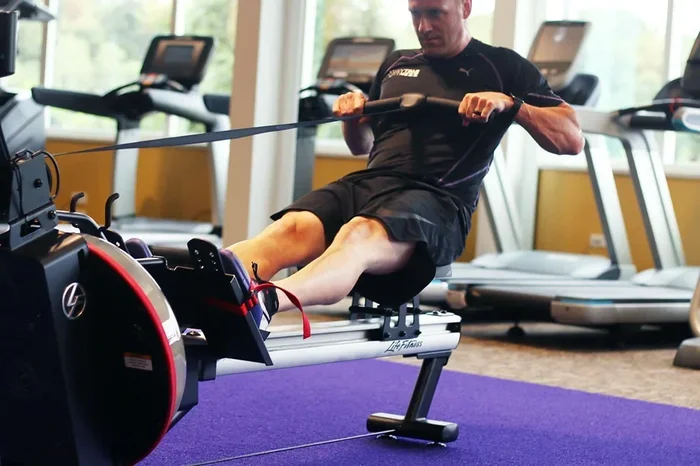
Good form is the foundation of effective rowing. Poor technique leads to back pain, pulled muscles, and poor results. Let us break down the rowing stroke into simple steps. Think of it as a four-part sequence: catch, drive, finish, and recovery.
The Catch
The catch is your starting position. Sit upright with your shins vertical and arms fully extended. Lean forward from your hips, keeping your back straight. Your heels should be flat on the footplates. This position loads your legs like coiled springs, ready to explode into the drive.
The Drive
The drive is where the power comes from. Push through your legs first. Do not pull with your arms yet. Once your legs are straight, lean your torso back slightly. Then pull the handle to your lower ribcage. The sequence is always legs, then back, then arms. Reverse the order during the recovery phase.
The Finish
At the finish position, your legs are fully extended, your back is slightly leaned back, and the handle is just below your chest. Squeeze your shoulder blades together briefly. This position ensures you are using your full range of motion.
The Recovery
The recovery is the return to the catch position. Move in reverse order: arms extend first, then hinge forward at the hips, then bend your knees. Keep your core engaged throughout. The recovery should be slow and controlled. It is not the time to slack off.
Common Form Mistakes to Avoid
- Rounding your back: Always maintain a flat, upright posture. Hinge from the hips, not the spine.
- Pulling with your arms only: Your legs generate 60% of the power. Lead with your leg drive.
- Bouncing on the seat: Stay seated and glide smoothly. Bouncing strains your lower back.
- Rushing the stroke: Smooth and controlled beats fast and sloppy every time.
Effective Rowing Workouts for Cardio
Once you have the form down, it is time to structure your workouts. There are several approaches to cardiovascular training on a rower. Each one targets different fitness goals. Here are three of the most effective methods.
Steady-State Rowing
Steady-state rowing means maintaining a consistent pace for an extended period. This is the go-to method for building aerobic endurance. Aim for 20 to 40 minutes at a moderate intensity. You should be able to hold a conversation but feel slightly challenged. Think of it like a brisk walk, but on water.
Start with 20 minutes and gradually increase to 40 minutes over a few weeks. This type of rowing strengthens your heart and improves your body’s ability to use fat as fuel. It is simple, effective, and perfect for beginners.
High-Intensity Interval Training (HIIT)
HIIT rowing blasts calories and boosts your metabolism in less time. The concept is straightforward: alternate between hard sprints and rest periods. Here is a sample HIIT session:
- Warm up for 5 minutes at a light pace.
- Row as hard as you can for 30 seconds.
- Rest for 60 seconds at a slow pace.
- Repeat the sprint and rest cycle 8 to 10 times.
- Cool down for 5 minutes at a light pace.
HIIT sessions typically take only 20 minutes but deliver results comparable to much longer workouts. Your body continues burning calories for hours after the session ends. This is called the afterburn effect, and it is a game-changer for weight loss.
Endurance Building
If you want to go longer and stronger, focus on progressive endurance training. Start with a comfortable distance, such as 1,000 meters. Add 500 meters each week. Over time, work your way up to 5,000 or 10,000 meters. This builds mental toughness and cardiovascular capacity. For more structured routines, check out this guide on how to get a good workout on a rowing machine.
Setting Up Your Rowing Machine
Proper setup makes a huge difference in your performance and comfort. A poorly adjusted machine can lead to bad form and discomfort. Here is how to get everything dialed in before you start rowing.
Adjust the Foot Straps
The foot straps should hold your heels firmly in place. They should be snug but not tight. When you push off, your feet should not slip. A secure foot platform gives you the stability to drive with your legs effectively.
Set the Damper
The damper controls how much air resistance the fan creates. Think of it like a gear on a bicycle. For cardio, a damper setting of 3 to 5 works well. Higher settings feel heavier but do not necessarily mean a better workout. Focus on smooth strokes rather than brute force.
Monitor Your Stroke Rate
Most rowers have a performance monitor that tracks your strokes per minute (SPM). For steady-state cardio, aim for 18 to 22 SPM. For HIIT sprints, you might hit 30 to 36 SPM. The monitor also tracks your pace, distance, and calories burned. Use this data to stay on target.
Quick Setup Tips
- Sit tall with relaxed shoulders before starting.
- Check that the handle strap is not tangled.
- Start every session with a 5-minute warm-up.
- Keep your machine on a flat, stable surface.
Rowing Machine Cardio Tips from the Pros
Even with good form and solid workouts, small tweaks can elevate your results. Here are expert-backed tips to maximize every rowing session.
Focus on Legs First
The biggest secret to powerful rowing is leg engagement. Your legs are the strongest muscles in your body. When you lead with them, you generate more power and protect your upper body. Think of every stroke as a squat combined with a pull. For additional muscle-building strategies, explore how to use a rowing machine to build muscle.
Breathe Properly
Breathing seems simple, but many rowers hold their breath during hard strokes. Exhale during the drive and inhale during the recovery. This pattern matches the rhythm of your movement and keeps oxygen flowing to your muscles. Proper breathing also reduces tension in your neck and shoulders.
Use a Heart Rate Monitor
Heart rate data takes the guesswork out of training. Aim for 60 to 70% of your max heart rate for moderate cardio. Push to 80 to 90% for HIIT sessions. Tracking your heart rate ensures you are working at the right intensity for your goals. It also prevents overtraining, which can lead to burnout and injury.
Mix Up Your Workouts
Doing the same workout every day leads to plateaus. Your body adapts quickly. Alternate between steady-state, HIIT, and endurance sessions. You can also vary the distance, time, or stroke rate. Variety keeps your muscles challenged and your mind engaged. Pair rowing with complementary exercises like kettlebell training or resistance band exercises for a well-rounded routine.
Recovery and Rest Days
Recovery is when your body actually gets stronger. Do not skip rest days. Aim for 3 to 4 rowing sessions per week, with at least one full rest day. On off days, consider gentle mobility work or a leisurely walk. Your heart and muscles need time to rebuild. Overtraining increases injury risk and stalls progress.
Common Mistakes When Rowing for Cardio
Even experienced rowers make mistakes. Avoiding these common errors will help you train smarter and stay injury-free.
Going Too Hard Too Fast
New rowers often start at maximum effort. They come off the machine exhausted and sore. This is not a sustainable approach. Start at a comfortable pace and build intensity gradually. Your body needs time to adapt to the demands of rowing. Patience leads to better long-term results.
Ignoring the Monitor
Many people row without checking their performance data. This is a missed opportunity. The monitor tells you your pace, distance, and stroke rate. These metrics help you stay consistent and track progress over time. Take a glance every few minutes to ensure you are within your target range.
Poor Posture
Slouching on the rower is a common problem. It compresses your spine and reduces your power output. Sit tall with your chest open and shoulders relaxed. Imagine a string pulling you up from the top of your head. Good posture protects your back and helps you breathe fully.
Skipping Warm-Up and Cool Down
Jumping straight into hard rowing puts stress on cold muscles. A 5-minute warm-up at a light pace gets your blood flowing and joints mobile. After your workout, spend 5 minutes cooling down. Gentle rowing and stretching help your body transition back to rest. This simple habit reduces soreness and speeds up recovery.
Neglecting Technique
It is tempting to focus on speed or distance. But technique always comes first. A smooth, well-timed stroke is more effective than a fast, sloppy one. If you are unsure about your form, slow down and practice each phase of the stroke. Consider recording yourself or asking a coach for feedback. You can also refer to detailed tutorials on how to use a rowing machine step by step for visual guidance.
Conclusion
Using a rowing machine for cardio is one of the most efficient and rewarding fitness choices you can make. It works your entire body, burns serious calories, and strengthens your heart, all while being gentle on your joints. With proper form, smart workout structures, and consistent effort, you will see real results in no time.
Remember to start slow, focus on technique, and gradually increase your intensity. Mix up your training to keep things interesting and your body challenged. And never underestimate the power of recovery. Your strongest workouts happen when you give your body time to rest and rebuild.
The rower is waiting for you. Grab the handle, drive through your legs, and pull. Every stroke brings you closer to a fitter, stronger, and healthier you.
Frequently Asked Questions
How long should I row for a good cardio workout?
For beginners, 15 to 20 minutes of steady-state rowing is a great starting point. Intermediate rowers can aim for 25 to 40 minutes. Advanced athletes may row for 45 to 60 minutes or do shorter HIIT sessions of 15 to 20 minutes. The key is consistency, so find a duration you can stick with regularly.
Is rowing better than running for cardio?
Rowing and running both offer excellent cardiovascular benefits. Rowing is lower impact, meaning it puts less stress on your joints. It also engages more muscle groups, including your back and legs, giving you a full-body workout. Running is more accessible and burns slightly more calories per hour. The best choice depends on your fitness level, goals, and any joint issues you may have.
Can I lose weight by rowing every day?
Yes, rowing every day can support weight loss when combined with a balanced diet. A 30-minute moderate rowing session can burn 300 to 600 calories. However, doing intense rowing daily increases injury risk. Aim for 4 to 5 sessions per week with at least one or two rest days. Mix steady-state and HIIT sessions for the best results.
What should my heart rate be when rowing for cardio?
For moderate-intensity cardio, aim for 60 to 70 percent of your maximum heart rate. Your maximum heart rate is roughly 220 minus your age. For vigorous training like HIIT, target 80 to 90 percent of your max. Using a heart rate monitor helps you train at the right intensity and avoid overtraining.
How do I know if I am rowing with proper form?
Proper form includes a flat back, controlled movements, and a sequence of legs, then back, then arms during the drive. Your shins should be vertical at the catch, and you should lean back slightly at the finish. If you feel strain in your lower back or arms instead of your legs, your form likely needs adjustment. Consider using a mirror or recording yourself to check your technique.
Can beginners use a rowing machine for cardio?
Absolutely. Rowing machines are beginner-friendly because they are low impact and easy to learn. Start with short sessions of 10 to 15 minutes at a light pace. Focus on mastering the basic technique before increasing intensity or duration. With consistent practice, beginners can quickly build endurance and confidence on the rower. Check out this beginner guide on how to properly use a rowing machine for beginners for step-by-step instructions.
=== END ===