How to Properly Use a Rowing Machine for Beginners
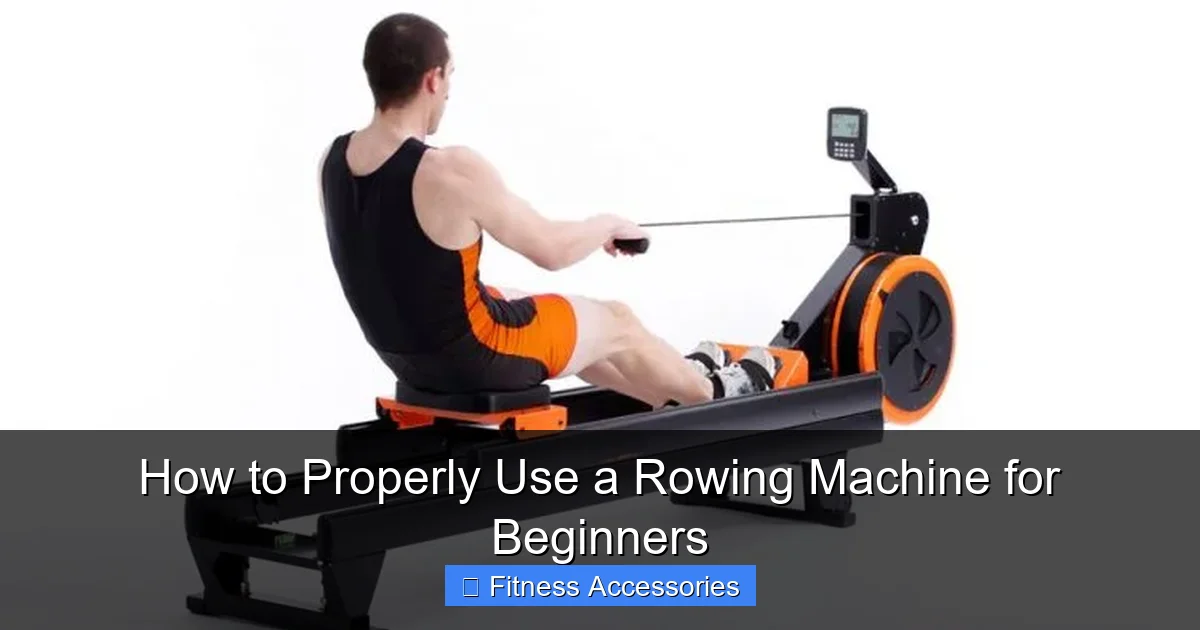
Ready to row? This guide shows beginners exactly how to set up, master the stroke, and build effective workouts on a rowing machine. Follow the simple steps and avoid common mistakes for safe, fast results.
Key Takeaways
- Understanding How To Properly Use A Rowing Machine For Beginners: Provides essential knowledge
📑 Table of Contents
Introduction: Why Rowing Is a Great Choice for Newbies
When you think about cardio, running or cycling often come to mind. Yet rowing offers a unique blend of cardiovascular endurance, strength, and low‑impact movement—all in a single, compact machine. For beginners, this means you can tone your legs, core, back, and arms while sparing your joints.
Many people start a rowing routine because they want a full‑body workout that feels natural and efficient. The key is learning how to properly use a rowing machine for beginners so you get the benefits without the common pitfalls. In this article we’ll walk you through every step, from setting up the equipment to finishing your first 30‑minute session.
1. Getting Your Rowing Machine Ready
1.1 Choose the Right Location
Pick a flat, dry area with enough space for the full stroke length—about 2 to 3 feet behind the machine and 3 feet in front. A non‑slippery floor helps keep the foot‑plates stable.
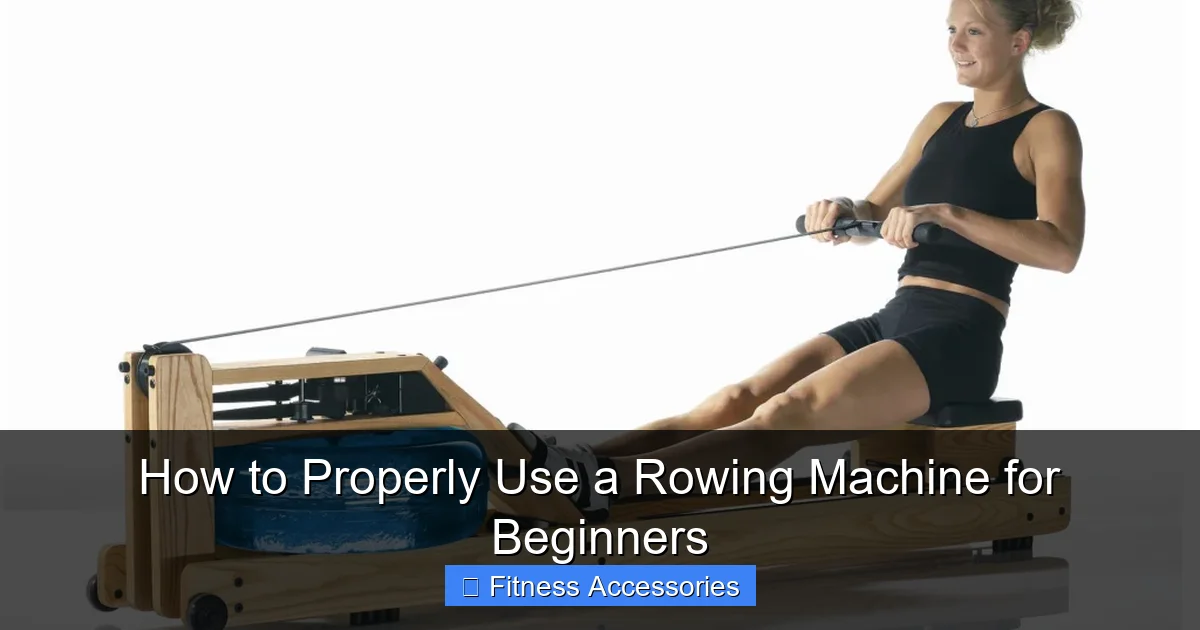
Visual guide about How to Properly Use a Rowing Machine for Beginners
Image source: the-home-gym.com
1.2 Adjust the Seat
Slide the seat so that when you sit, your knees are bent about 90 degrees at the catch (the front of the stroke). Most machines have a quick‑release lever; lock it in place before you start.
1.3 Set the Foot Straps
Place the strap over the widest part of your foot, usually the ball of the foot. Pull the strap tight enough that your foot doesn’t slide, but not so tight it cuts circulation. Your heels should stay in contact with the foot‑plate throughout the stroke.
1.4 Pick a Resistance Level
Beginners should start with low to moderate resistance. If your rower uses a damper (like the Concept2), set it between 3 and 5. Air‑rowers let you adjust the fan speed; a slower fan feels easier.
1.5 Familiarize Yourself with the Monitor
Most modern rowers display stroke rate (spm), distance, time, and calories. For early sessions, focus on stroke rate (20‑24 spm) and keep an eye on your heart rate if the monitor supports it.
2. The Four‑Phase Rowing Stroke Explained
2.1 Catch – The Starting Position
Begin with your knees bent, shins vertical, and arms fully extended. Your torso should be slightly forward, hinging at the hips, and your back straight. Imagine you’re about to pull a rope toward you.
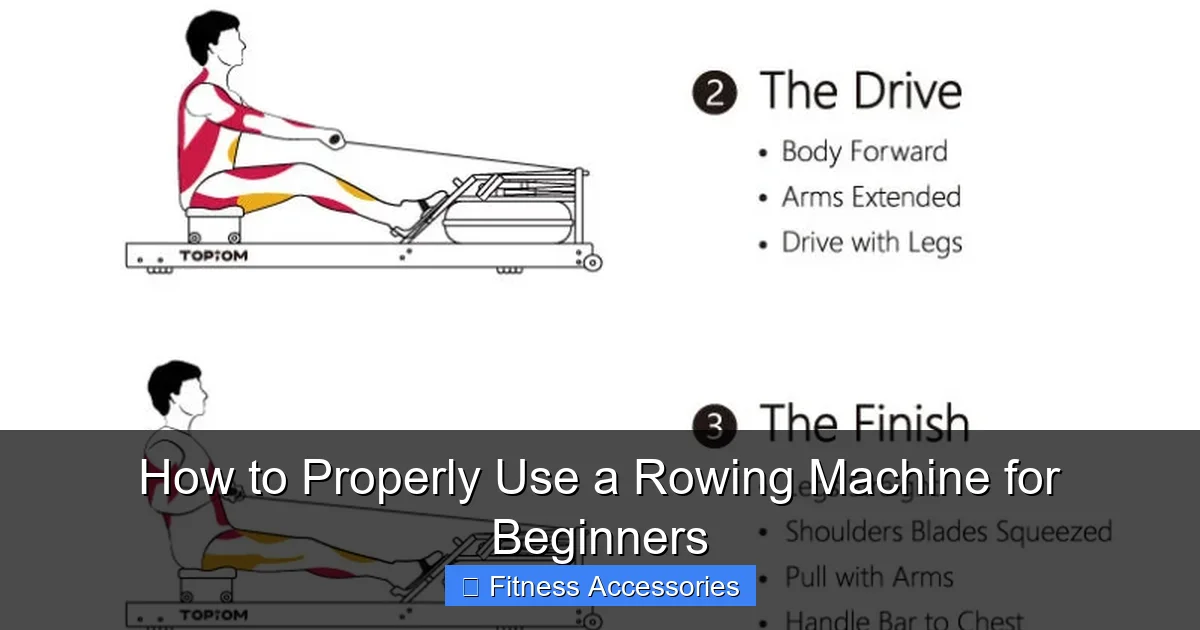
Visual guide about How to Properly Use a Rowing Machine for Beginners
Image source: topiom.com
2.2 Drive – Powering the Pull
Push with your legs first. As your legs straighten, lean back slightly (about 10‑12 degrees) and pull the handle toward your lower ribs. The sequence is legs → hips → arms. Keep your elbows close to the body and wrists flat.
2.3 Finish – The End of the Pull
When the handle reaches your body, legs are fully extended, and your torso is slightly leaned back. Your elbows should be drawn past your sides, and the handle should rest just above your belly button. This is the “finish” position.
2.4 Recovery – Returning to the Catch
Reverse the motion smoothly: arms extend first, then hinge forward at the hips, and finally bend the knees to slide the seat forward. Recovery should be slower than the drive; aim for a 2:1 ratio (e.g., 2 seconds drive, 4 seconds recovery).
2.5 Putting It All Together
Practice the entire cycle slowly, focusing on fluid motion. A good rhythm feels like a smooth wave—no jerky movements. Once comfortable, gradually increase your stroke rate while maintaining form.
3. Building Your First Rowing Workouts
3.1 Warm‑Up Essentials
Spend 5 minutes warming up with easy strokes at 18‑20 spm. Add light dynamic stretches for the hips, shoulders, and calves.
3.2 Beginner Interval Session
Example: 20‑Minute Row
- 2 minutes easy (20 spm)
- 1 minute moderate (24 spm)
- Repeat the cycle 6 times
- Finish with 2 minutes cool‑down
This structure builds endurance without overwhelming a new rower.
3.3 Progression Plan – Week by Week
Week 1: 2‑3 sessions of 10‑15 minutes, focusing on technique.
Week 2: Increase to 20 minutes, add a second interval set.
Week 3‑4: Introduce steady‑state rows of 25 minutes at 22‑24 spm.
Always listen to your body; if you feel excessive fatigue, repeat the previous week.
3.4 Tracking Metrics for Motivation
Log distance, time, and average stroke rate after each session. Seeing progress on a
Frequently Asked Questions
What is How To Properly Use A Rowing Machine For Beginners?
How To Properly Use A Rowing Machine For Beginners is an important topic with many practical applications.