How to Start Working Out on an Elliptical
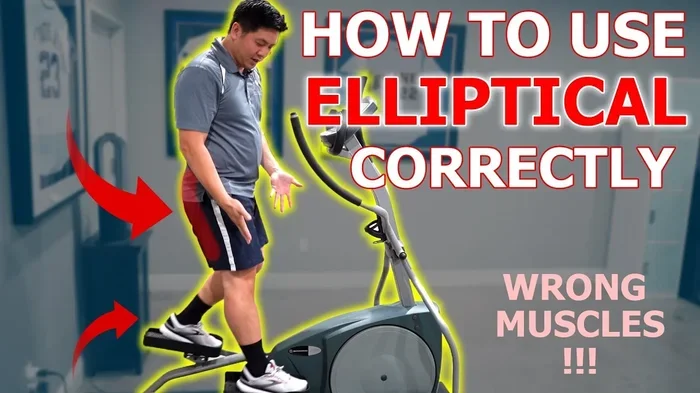
Starting your elliptical journey is easier than you think. This guide covers everything from machine setup to creating your first routine. You will learn proper form, settings, and tips to burn calories and stay motivated from day one.
The elliptical machine is one of the most popular pieces of cardio equipment in gyms and homes worldwide. It gives you a smooth, low-impact workout that is gentle on your joints. Whether you are brand new to fitness or getting back into it, learning how to start working out on an elliptical can set you up for success.
But where do you actually begin? It is not just about stepping on and moving your feet. There is a right way to set up the machine, use proper form, and build a routine that keeps you coming back. This guide walks you through every step in simple, practical terms. By the end, you will feel confident hopping on the machine and crushing your first workout.
Key Takeaways
- Pick the right machine: Choose an elliptical that fits your height, budget, and fitness goals for the best experience.
- Master your form first: Proper posture and foot placement prevent injury and maximize results.
- Start slow and build up: Begin with low resistance and short sessions, then gradually increase intensity.
- Track your progress: Use the machine’s display or a fitness app to monitor calories, distance, and time.
- Stay consistent: Regular short sessions beat occasional long workouts for long-term fitness gains.
📑 Table of Contents
- Why Choose the Elliptical for Your Cardio Workout?
- Getting Familiar With the Machine
- How to Set Up for a Safe and Effective Workout
- Starting Your First Elliptical Routine
- Common Mistakes Beginners Make on the Elliptical
- Tips to Stay Motivated and Build a Habit
- How Many Calories Can You Expect to Burn?
- Final Thoughts
Why Choose the Elliptical for Your Cardio Workout?
The elliptical offers a unique blend of benefits that make it ideal for beginners and seasoned athletes alike. Unlike running on pavement, the elliptical eliminates the harsh impact on your knees and ankles. Your feet stay on the pedals the entire time, which means less stress on your joints.
Here is why so many people love this machine:
- Low-impact cardio: It protects your joints while still giving you a solid heart workout.
- Full-body engagement: Moving the handles works your arms and core along with your legs.
- Easy to learn: The motion is natural and intuitive, even for complete beginners.
- Burns serious calories: A typical session can torch 300 to 600 calories depending on intensity.
- Adjustable difficulty: You can change resistance and incline to match your fitness level.
If you want a workout that feels challenging without beating up your body, the elliptical machine is a top choice. It is also a great option if you are recovering from an injury or dealing with joint pain. You can get an effective cardio workout without the wear and tear of high-impact exercises.
Getting Familiar With the Machine
Before you jump into your first session, take a few minutes to understand the parts of the elliptical. Most machines share common features, even if the brand or model differs. Knowing what everything does will make your experience smoother and more enjoyable.
The Console Display
The console is your control center. It shows your speed, distance, time, heart rate, and calories burned. Most modern machines also let you pick preset workout programs. These programs adjust resistance and speed automatically to keep things interesting. Spend a moment reading the labels on each button before you start moving.
Foot Pedals and Handles
The foot pedals are where you place your feet. They move in an elliptical path, which is how the machine got its name. The handles can be stationary or moving. Moving handles let you push and pull with your arms, turning the workout into a full-body routine. Some machines also have a heart rate monitor built into the handles.
Resistance and Incline Settings
Resistance controls how hard it is to push the pedals. Higher resistance makes your muscles work more, which increases calorie burn. Incline settings raise the pedal path, targeting your glutes and hamstrings more. As a beginner, keep both low and increase them gradually as you get stronger.
How to Set Up for a Safe and Effective Workout
Proper setup makes a huge difference in how your workout feels and how effective it is. Taking a few extra minutes to get things right will save you from discomfort or injury later.
Step One: Adjust the Pedal Height
Stand next to the machine and step onto the pedals. Your knees should have a slight bend when your feet are flat on the pedals. If your legs feel locked straight, the machine is too high. If your knees bend too much, lower the pedals. Most ellipticals have an adjustment lever underneath the foot platform.
Step Two: Set the Right Stance
Stand tall with your shoulders back and your core gently engaged. Do not hunch over the handles. Keep your head up and your eyes looking forward. Your arms should be relaxed, either resting on the stationary handles or lightly gripping the moving ones.
Step Three: Choose the Right Shoes
Wear athletic shoes with good cushioning. Avoid working out barefoot or in socks, as this can cause slipping and discomfort. A proper pair of sneakers supports your arches and absorbs shock, making your elliptical workout much more comfortable.
Starting Your First Elliptical Routine
Now comes the fun part. You are ready to actually start moving. The key is to begin slowly and let your body adjust to the motion. Do not try to go all out on day one.
Warm-Up Phase (First 5 Minutes)
Start with a very low resistance setting. Pedal at a comfortable pace, focusing on smooth and steady movements. This warm-up phase gets your blood flowing and prepares your muscles for the work ahead. Think of it as waking up your body gently.
Main Workout Phase (10 to 20 Minutes)
After warming up, you can increase the resistance slightly or pick up the pace a bit. Here is a simple structure to follow:
- Minutes 1 to 5: Moderate pace with light resistance. Focus on maintaining good posture.
- Minutes 6 to 10: Slightly increase resistance. Push a little harder but keep breathing steady.
- Minutes 11 to 15: Return to a moderate pace to recover.
- Minutes 16 to 20: Finish strong with a gradual cool-down.
If 20 minutes feels too long at first, that is perfectly okay. Start with 10 minutes and add time each week. Consistency matters more than duration, especially in the beginning. You can always build up as your fitness improves.
Cool-Down Phase (Last 5 Minutes)
Gradually reduce your pace and lower the resistance. This helps your heart rate come back down safely. Stretch your calves, quads, and hamstrings after you step off the machine. A proper cool-down reduces soreness and helps you recover faster.
For more guidance on building a routine that works for your goals, check out How To Get The Best Workout On An Elliptical. It has excellent tips on varying your sessions for maximum results.
Common Mistakes Beginners Make on the Elliptical
Everyone makes mistakes when starting something new. The good news is that most of them are easy to avoid. Here are the most common errors beginners make on the elliptical machine and how to fix them.
Leaning Too Much on the Handles
It is tempting to lean heavily on the handles, especially when the resistance feels high. But this reduces the effectiveness of your workout and can strain your back. Keep your upper body upright and let your legs do the work. Your arms should assist, not carry your weight.
Skipping the Warm-Up
Jumping straight into high intensity is a recipe for soreness and injury. Your muscles need time to warm up and loosen. Always start with a few minutes of easy pedaling before increasing the challenge.
Neglecting Your Posture
Slouching on the elliptical puts unnecessary pressure on your lower back and neck. Keep your spine straight, your shoulders relaxed, and your core lightly engaged. Good posture also helps you breathe more efficiently, which is essential during any cardio workout.
Doing the Same Workout Every Time
Repetition can stall your progress and make workouts boring. Mix things up by changing resistance levels, trying interval training, or adjusting the incline. Variety keeps your body challenged and your mind engaged.
Tips to Stay Motivated and Build a Habit
The hardest part of any new fitness routine is sticking with it. Here are some practical tips to help you stay on track with your elliptical workout routine.
Set Small, Achievable Goals
Instead of aiming for a dramatic transformation overnight, set small goals. Maybe your goal this week is three 15-minute sessions. Next week, try four sessions or add five minutes to each one. Small wins build momentum and confidence.
Use Entertainment to Your Advantage
Bring a tablet or phone to watch shows, listen to podcasts, or play music while you exercise. Time flies when you are entertained, and you might find yourself working out longer without even realizing it.
Track Your Progress
Most elliptical consoles track your distance, calories, and time. Write these numbers down or use a fitness app. Seeing your progress over weeks and months is incredibly motivating. It reminds you that every session counts.
Find a Workout Buddy
Exercising with a friend makes the time go faster and adds a social element to your routine. You can encourage each other, try new programs together, and celebrate milestones as a team.
If you are curious about how long your sessions should be, How Long Should You Work Out On An Elliptical has detailed recommendations based on different fitness levels and goals.
How Many Calories Can You Expect to Burn?
One of the biggest reasons people choose the elliptical is its calorie-burning potential. The exact number depends on your weight, intensity level, and workout duration. On average, a 155-pound person burns about 335 calories in 30 minutes of moderate elliptical use.
Here is a rough breakdown based on body weight and intensity:
- Light effort (125 lbs): Approximately 270 calories in 30 minutes.
- Moderate effort (155 lbs): Approximately 335 calories in 30 minutes.
- Vigorous effort (155 lbs): Approximately 450 calories in 30 minutes.
- Vigorous effort (185 lbs): Approximately 500 calories in 30 minutes.
These numbers are estimates, but they give you a good idea of what to expect. To maximize calorie burn, focus on increasing your intensity over time rather than just going longer. For detailed strategies on burning the most calories, read How To Burn The Most Calories On An Elliptical. It covers advanced techniques that take your workouts to the next level.
The beauty of the elliptical is that you can burn a significant number of calories without putting stress on your joints. This makes it an excellent choice for people of all ages and fitness levels. Whether you want to lose weight, improve heart health, or simply feel more energized, regular elliptical sessions can help you get there.
Final Thoughts
Starting to work out on an elliptical is one of the smartest decisions you can make for your fitness journey. It is accessible, effective, and easy on your body. You do not need any special skills or expensive equipment to get started. Just step on, set your resistance, and move.
Remember to focus on proper form, start slow, and build your routine gradually. Celebrate your progress, no matter how small it seems. Every minute on the machine counts toward a healthier, stronger you. Stay consistent, stay patient, and enjoy the ride. Your future self will thank you.
Frequently Asked Questions
Is the elliptical good for beginners?
Absolutely. The elliptical is one of the most beginner-friendly cardio machines available. Its smooth, low-impact motion is easy to learn and gentle on your joints. You can start with short sessions and gradually increase the duration and intensity as your fitness improves.
How often should I use the elliptical each week?
Aim for three to five sessions per week, lasting 15 to 30 minutes each. This frequency gives your body enough stimulus to improve cardiovascular fitness while allowing adequate recovery time between workouts.
Can I lose weight by using the elliptical?
Yes, the elliptical can be an effective tool for weight loss when combined with a balanced diet. It burns a significant number of calories and engages both your upper and lower body. Consistency is the key factor, so aim for regular sessions over time.
Should I use the elliptical every day?
Using the elliptical daily is fine if you keep the intensity moderate and listen to your body. However, mixing in other forms of exercise like strength training or walking can help prevent overuse injuries and create a more balanced fitness routine.
What is the proper form on an elliptical?
Keep your back straight, shoulders relaxed, and core lightly engaged. Do not lean on the handles for support. Your feet should stay flat on the pedals, and your knees should follow the natural path of the elliptical motion without locking or bending excessively.
How long does it take to see results from using the elliptical?
Most people notice improved energy levels and better endurance within two to three weeks of consistent use. Visible changes in body composition typically take four to six weeks, depending on your diet, workout intensity, and overall lifestyle habits.