How to Make Cork Yoga Mat Less Slippery
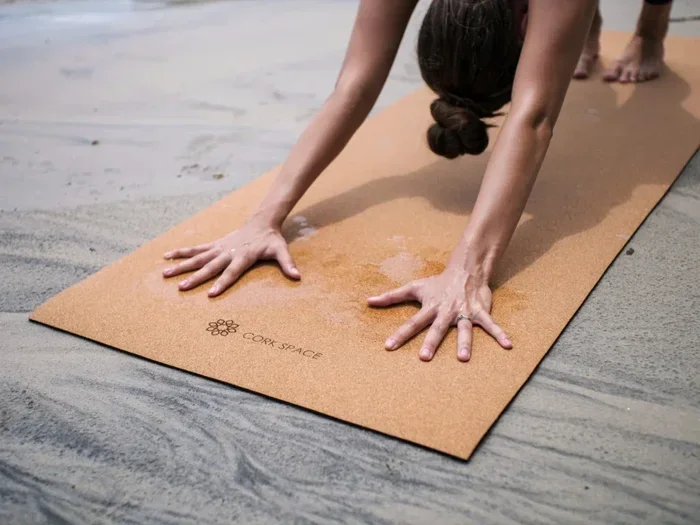
A cork yoga mat is a fantastic eco-friendly choice, but it can become slippery over time. This guide shows you simple, effective ways to make your cork yoga mat less slippery and restore its natural grip. You’ll learn cleaning tricks, surface treatments, and daily habits that keep your mat firm underfoot.
Key Takeaways
- Regular cleaning removes sweat and residue that reduce cork’s natural grip.
- Water activation is the simplest way to improve cork mat traction during practice.
- Avoid harsh chemicals that strip cork pores and worsen slipperiness.
- Proper storage in a dry, ventilated space prevents moisture buildup and grip loss.
- Grip-enhancing sprays can offer a quick fix, but natural methods often work better long-term.
- Knowing when to replace your mat ensures you always have reliable traction.
📑 Table of Contents
- Why Cork Yoga Mats Become Slippery
- How To Make Cork Yoga Mat Less Slippery
- Quick Tips for Immediate Grip Improvement
- Common Mistakes That Make Cork Mats Slippery
- How To Maintain Your Cork Yoga Mat for Better Grip
- When To Replace Your Cork Yoga Mat
- Expert Insights on Cork Mat Grip Performance
- Conclusion
Why Cork Yoga Mats Become Slippery
Cork yoga mats are loved for their sustainability, natural feel, and excellent grip when new. But many yogis notice that after a few weeks or months, the mat starts to feel slick. Understanding why this happens is the first step toward fixing it.
Cork is a natural material harvested from bark. It has tiny pores that absorb moisture and create friction against your skin. When those pores get clogged with sweat, dirt, and oil, the mat loses its ability to grip. This is why a cork mat that felt amazing on day one can start to slide around later.
Here are the most common reasons cork yoga mats lose traction:
- Sweat buildup from regular practice fills the cork pores.
- Body oils and lotions create a slippery film on the surface.
- Improper drying after cleaning traps moisture underneath.
- Exposure to heat can dry out and harden the cork surface.
- Lack of regular cleaning allows residue to accumulate over time.
Once you know the cause, solving the problem becomes much easier. Let’s dive into the solutions.
How To Make Cork Yoga Mat Less Slippery
If your cork yoga mat has lost its grip, don’t worry. There are several proven methods to restore traction. You can try these in order of simplicity, starting with the easiest fix first.
1. Water Activation Method
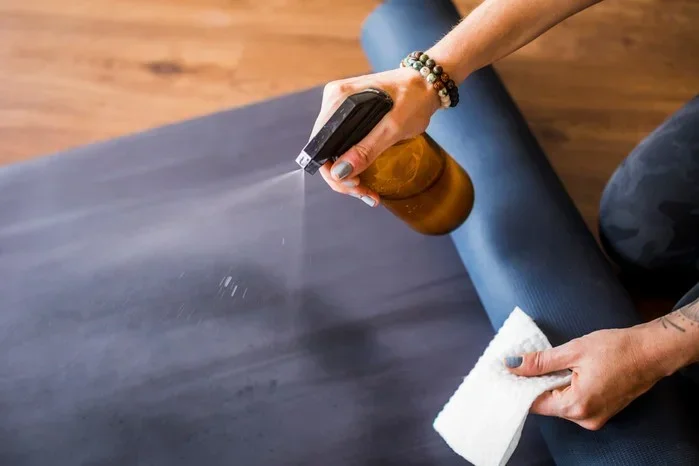
This is the simplest and most popular trick. Cork actually grips better when it’s slightly wet. The moisture fills the cork pores and increases friction against your hands and feet.
Here’s how to do it:
- Lightly spray your mat with clean water before practice.
- Use a damp towel to wipe the surface evenly.
- Wait about 30 seconds for the water to absorb.
- Begin your practice. The mat should feel firm and grippy.
Many yogis who struggle with slippery cork surface issues find that a quick water spray changes everything. This method works because cork is naturally hydrophilic, meaning it absorbs water readily. The absorbed moisture creates a natural yoga mat traction layer.
2. Deep Cleaning With Natural Solutions
Sometimes surface cleaning isn’t enough. A deep clean removes built-up oils and sweat trapped in the cork pores. This is especially important if you practice hot yoga or sweat heavily.
Mix equal parts water and white vinegar. Add a few drops of essential oil like tea tree or lavender for a pleasant scent. Spray the solution generously across the mat. Let it sit for 10 to 15 minutes, then scrub gently with a soft brush or cloth. Rinse with clean water and let the mat air dry completely.
For more detailed cleaning methods, check out this helpful guide on how to clean a yoga mat in the bathtub. It covers deep cleaning techniques that work well for cork mats too.
3. Using Grip-Enhancing Products
Several products on the market are designed specifically to improve cork mat grip. These include grip sprays, grip waxes, and textured pads. Here’s a quick comparison of popular options:
| Product Type | How It Works | Best For | Duration |
|---|---|---|---|
| Grip Spray | Creates a tacky surface layer | Quick pre-practice boost | Lasts 1-2 sessions |
| Grip Wax | Fills cork pores for better friction | Long-term grip restoration | Lasts several weeks |
| Textured Yoga Pad | Adds an extra layer of traction | Heavy sweaters | Lasts indefinitely |
While these products help, many yogis prefer natural methods first. If you want to avoid chemicals, the water activation and deep cleaning methods often do the job.
4. Scrubbing the Cork Surface
Gently scrubbing the cork with a coarse sponge or natural bristle brush can restore texture. This removes the smooth layer formed by accumulated oils and sweat. Use light pressure to avoid damaging the cork. Do this during your regular cork yoga mat care routine for best results.
After scrubbing, rinse thoroughly and let the mat dry flat. You should notice a difference in texture and grip almost immediately. This technique is especially useful for mats that haven’t been cleaned in a long time.
Quick Tips for Immediate Grip Improvement
Need a fast fix before your next session? Try these quick tips to improve yoga mat grip enhancement right away:
- Dampen your hands and feet before stepping onto the mat. This adds instant friction.
- Use a yoga towel over the mat for extra absorption. Place it on high-sweat areas like the top of the mat.
- Practice in a cooler room if possible. Less sweat means less buildup on the cork.
- Apply baby powder or magnesium powder to sticky spots for a temporary grip boost.
- Wipe the mat between poses with a dry cloth to remove excess moisture.
These quick fixes are perfect for days when your mat feels off. They pair well with long-term solutions for consistent performance. If you also struggle with hands slipping on yoga mat during poses, combining these tips with proper hand positioning can make a big difference.
Common Mistakes That Make Cork Mats Slippery
Sometimes the problem isn’t the mat itself. Certain habits can actually cause or worsen slipperiness. Avoiding these mat slip prevention mistakes will help maintain your cork mat’s performance.
Using Harsh Chemicals
Many people clean their mats with strong detergents or bleach. These products strip the natural oils from cork and clog its pores. Instead, stick to gentle solutions like diluted vinegar or mild soap. Protecting the cork’s natural texture is key to preserving its non-slip cork mat quality.
Storing the Mat Wet
Rolling up a damp mat creates a breeding ground for mildew and trapped moisture. Always let your mat dry completely before rolling or storing it. Store it in a dry, ventilated area rather than a closed bag. This simple habit extends your mat’s lifespan and keeps grip strong.
Skipping Regular Cleanings
If you practice daily, your mat needs cleaning at least once a week. Sweat and oils build up fast, especially during intense sessions. A regular cleaning schedule prevents residue from settling into the cork. Think of it as part of your cork mat maintenance routine.
Placing the Mat on Uneven Surfaces
Cork grips best on flat, hard surfaces. Placing it on carpet or uneven flooring can reduce contact and create sliding spots. If you practice on carpet, consider adding a non-slip base underneath. For tips on keeping your mat stable, check out our guide on how to stop yoga mat from sliding on floor.
How To Maintain Your Cork Yoga Mat for Better Grip
Prevention is always better than cure. A solid cork mat longevity plan keeps your mat grippy for years. Here’s a complete cork yoga mat cleaning and care routine you can follow.
Weekly Cleaning Routine
Set aside time each week for a thorough cleaning. Mix warm water with a small amount of gentle soap. Wipe down the entire mat with a soft cloth. Rinse with a damp cloth to remove soap residue. Hang or lay the mat flat to dry completely before rolling it up.
Monthly Deep Treatment
Once a month, give your mat extra attention. Use the vinegar solution mentioned earlier for a deep clean. After rinsing, lightly scrub the cork surface with a natural bristle brush. This removes any buildup that weekly cleaning might miss. Your mat will feel almost like new after each deep treatment.
Daily Habits for Longevity
- Always wash your hands and feet before practice to reduce oil transfer.
- Avoid using lotions or oils right before yoga on your mat.
- Wipe down the mat after each session if you sweat heavily.
- Let the mat breathe unrolled for a few hours after drying.
- Rotate your mat occasionally to ensure even wear across the surface.
These daily habits work alongside your weekly and monthly routines. Together, they ensure consistent yoga mat friction and reliable performance. Proper cork mat surface treatment doesn’t have to be complicated or time-consuming.
When To Replace Your Cork Yoga Mat
Even with excellent care, every mat has a lifespan. Knowing when to replace your mat saves you from frustrating practice sessions. Here are signs your cork mat may need replacing:
- Persistent slipperiness that doesn’t improve after deep cleaning and grip treatments.
- Visible wear and tear including deep scratches, peeling, or crumbling cork layers.
- Unpleasant odors that remain even after thorough cleaning. Check out our tips on getting rid of new yoga mat smell if odor is your concern.
- Thinning surface that reduces cushioning and comfort.
- Cracks or warping that affect the mat’s flatness and stability.
Most quality cork mats last between 3 to 5 years with proper care. If you find yourself constantly fighting slipperiness despite following every tip in this guide, it’s probably time for an upgrade. Choosing a high-quality natural cork yoga mat from the start also makes a difference in long-term grip performance.
Expert Insights on Cork Mat Grip Performance
Yoga instructors and mat manufacturers offer valuable perspective on this topic. Many experts agree that cork’s grip is activated by moisture, not hindered by it. This is a key distinction from rubber mats, which can become slippery when wet.
“Cork is a living material,” says one mat manufacturer. “It responds to humidity and temperature. The better you understand its behavior, the better your practice will feel.” This insight reinforces why the water activation method works so well for improving improve yoga mat grip.
Experts also recommend choosing cork mats with a thicker base layer. This prevents the cork from warping and maintains consistent surface contact. A mat that lays flat performs better than one that curls or buckles. If you’ve had trouble getting your mat to lie flat, our guide on how to get a yoga mat to lay flat offers practical solutions.
Another professional tip is to practice barefoot whenever possible. Socks and shoes create a barrier between your body and the cork surface. Bare skin provides the best natural friction against cork, especially when the mat is properly activated with moisture.
Conclusion
Learning how to make cork yoga mat less slippery doesn’t require expensive products or complicated procedures. The main causes are sweat buildup, oil residue, and improper care. By following the methods in this guide, you can restore and maintain excellent grip on your cork mat.
Start with the simple water activation technique. Add regular deep cleaning with natural solutions. Avoid common mistakes like harsh chemicals and wet storage. Build a consistent care routine that keeps your mat performing at its best. And know when it’s time to replace a worn-out mat for safety and comfort.
A well-maintained cork yoga mat offers one of the best practice experiences out there. It’s eco-friendly, naturally antimicrobial, and provides excellent traction when properly cared for. Take care of your mat, and it will take care of your practice. Apply these tips today and enjoy a safer, more confident session on your next yoga day.
Frequently Asked Questions
Can I use baking soda to make my cork yoga mat less slippery?
Yes, baking soda can help. Sprinkle it on the mat surface, let it sit for 15 minutes, then scrub gently and rinse. Baking soda absorbs oils and odors that contribute to slipperiness. However, don’t leave it on too long as it can dry out the cork.
Is a wet cork mat better or worse for grip?
A slightly wet cork mat is actually better for grip. Cork is naturally hydrophilic, meaning it grips better when moist. A light water spray before practice activates the cork’s natural traction. However, a soaking wet mat can be too slippery, so aim for damp, not drenched.
How often should I clean my cork yoga mat?
Clean your cork mat at least once a week if you practice regularly. For heavy sweaters or hot yoga practitioners, consider wiping it down after every session and doing a deep clean weekly. Regular cleaning prevents buildup that causes slipperiness.
What is the best natural way to improve cork mat grip?
The best natural method is the water activation spray. Mix a small amount of white vinegar with water in a spray bottle. Lightly mist your mat before practice. This cleans the surface while activating the cork’s grip. Avoid harsh soaps that strip the cork’s natural texture.
Will a yoga towel help with cork mat slipperiness?
Yes, a yoga towel can help significantly. Place it on areas where you sweat the most, like the top of the mat or under your hands. The towel absorbs excess moisture and adds an extra layer of traction. Just make sure the towel itself stays in place during your practice.
When should I stop trying to fix my cork mat and buy a new one?
Replace your cork mat if deep cleaning and grip treatments no longer restore traction. Visible damage like peeling, cracking, or crumbling cork means the mat is beyond repair. Persistent odors and a thinning surface are also clear signs. A worn mat can compromise your safety during practice.