Are Dumbbells or Barbells Better for Chest 2
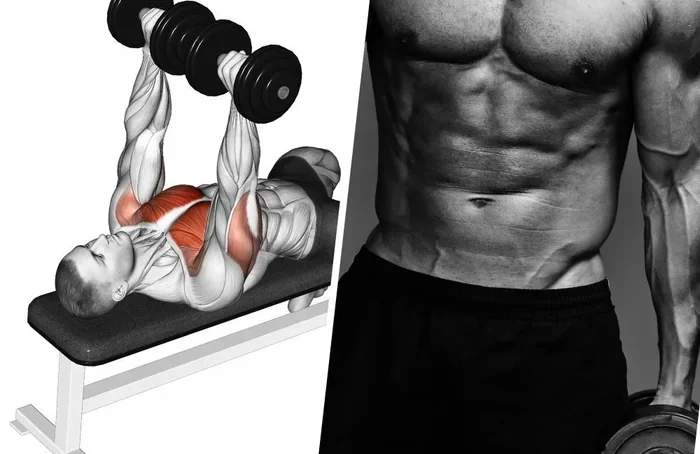
Dumbbells offer a greater range of motion and target stabilizer muscles, making them ideal for chest definition and balanced growth. Barbells let you lift heavier weights, which drives raw strength and mass building. Both tools have unique advantages for your chest workout routine.
When it comes to building a bigger, stronger chest, the debate between dumbbells and barbells never ends. Lifters argue about this in gyms every single day. Some swear by the barbell bench press. Others insist dumbbells are the only way to go.
The truth is, both tools work. But they work in different ways. Dumbbells and barbells for chest training each bring unique benefits to the table. Understanding these differences helps you train smarter. It also helps you choose the right tool for your specific goals.
This guide breaks down everything you need to know. We will compare muscle activation, strength gains, injury risk, and more. By the end, you will know exactly which option fits your chest workout routine best.
Key Takeaways
- Dumbbells provide a wider range of motion: This leads to better chest activation and muscle stretch during exercises.
- Barbells allow heavier loading: You can push more weight, which builds raw strength and size faster.
- Both tools target different muscle fibers: Using a mix gives you the best of both worlds for chest development.
- Injury risk differs between the two: Dumbbells are gentler on shoulders, while barbells demand stricter form.
- Your goals determine the best choice: Hypertrophy and definition favor dumbbells; raw strength favors barbells.
📑 Table of Contents
- Why Chest Training Matters
- Dumbbells for Chest: Benefits and Best Exercises
- Barbells for Chest: Benefits and Best Exercises
- Head-to-Head Comparison: Dumbbells vs Barbells for Chest
- Which Is Better for Your Goals?
- Common Mistakes to Avoid
- Expert Tips for Maximizing Chest Growth
- Final Verdict: Dumbbells or Barbells for Chest?
Why Chest Training Matters
Your chest is one of the largest upper body muscle groups. A strong chest improves your pushing power. It also enhances your posture and overall upper body aesthetics. Whether you want to bulk up or carve definition, chest training is essential.
Most lifters focus on a few staple movements. The bench press dominates many routines. But the question remains: should you use a barbell or dumbbells? The answer depends on several factors we will explore below.
Muscle Groups Targeted
The chest is made up of two main parts. The upper chest and the lower chest. Both need attention for a balanced, complete look. Dumbbells and barbells engage these muscles differently.
- Pectoralis major: The large chest muscle responsible for pushing movements.
- Pectoralis minor: A smaller muscle underneath the main pec.
- Anterior deltoids: The front shoulder muscles assist in pressing.
- Triceps: These muscles help extend the arm during presses.
Both dumbbells and barbells hit all these muscles. But the degree of activation varies. Let us dig deeper into how each tool affects your chest gains.
Dumbbells for Chest: Benefits and Best Exercises
Dumbbells are a favorite among many lifters. They offer freedom of movement that barbells simply cannot match. This freedom leads to better muscle activation in many cases.
Why Dumbbells Work Well for Chest
With dumbbells, each arm works independently. This means your stabilizer muscles kick in more. These small muscles help control the weight. Over time, they grow stronger and more defined.
Dumbbells also allow a greater range of motion. You can lower the weight further down. This creates a deeper stretch on the chest muscle. A deeper stretch is linked to better muscle growth and hypertrophy.
If you are looking for chest definition and symmetry, dumbbells are hard to beat. They help fix imbalances between your left and right sides. You can also adjust the angle more easily for different chest fibers.
Best Dumbbell Chest Exercises
- Dumbbell Flat Bench Press: A classic movement that builds overall chest mass.
- Dumbbell Incline Press: Targets the upper chest for a fuller look.
- Dumbbell Decline Press: Focuses on the lower portion of the pecs.
- Dumbbell Flyes: Isolates the chest for a great stretch and pump.
- Dumbbell Pullover: Works the chest and lats together for wider development.
For more tips on how to target chest with dumbbells, check out our guide on effective exercises and techniques.
One thing to keep in mind is weight selection. How heavy are the dumbbells you lift for side chest? This matters a lot. You want a weight that challenges you but still allows proper form. Going too heavy with dumbbells can strain your shoulders.
Also, learning to get heavy dumbbells up for bench press can be tricky. Use a spotter or a bench with safety pins. Safety always comes first when lifting heavy.
Barbells for Chest: Benefits and Best Exercises
The barbell bench press is a gym staple. It is often the first exercise people think of for chest day. And for good reason. Barbells allow you to lift heavier weights with more stability.
Why Barbells Work Well for Chest
Barbells provide a fixed path of motion. Both arms move together on the same track. This stability lets you load more weight. More weight means more tension on the chest muscles.
Heavy tension is one of the primary drivers of muscle growth. When you want to build raw size and strength, barbells shine. They also allow for progressive overload more easily. You can simply add plates to the bar each week.
Barbells are excellent for building overall chest mass. They create a strong mind-muscle connection through heavy pressing. Many elite powerlifters and bodybuilders rely heavily on barbell training.
Best Barbell Chest Exercises
- Barbell Flat Bench Press: The king of chest exercises for building mass.
- Barbell Incline Press: Shifts focus to the upper chest fibers.
- Barbell Decline Press: Targets the lower chest with heavy load.
- Close-Grip Barbell Press: Emphasizes the triceps while still hitting the chest.
- Barbell Floor Press: Limits range of motion to build pressing strength.
If you are wondering about the difference between dumbbell and barbell bench, is it better to do dumbbell bench or barbell is a common question. Both have their place, but the barbell generally allows heavier loads for strength gains.
Head-to-Head Comparison: Dumbbells vs Barbells for Chest
Let us put the two side by side. This comparison helps you decide which tool fits your goals better.
| Factor | Dumbbells | Barbells |
|---|---|---|
| Range of Motion | Greater stretch and activation | Fixed path, shorter range |
| Weight Capacity | Limited by individual arm strength | Heavier loads possible |
| Stabilizer Engagement | High | Lower |
| Injury Risk | Lower, more natural movement | Higher, stricter form needed |
| Muscle Imbalance Fixing | Excellent | Difficult |
| Best For | Definition, symmetry, hypertrophy | Raw strength, mass building |
The table makes the differences clear. But let us talk about what really matters. Your individual goals should drive your choice.
If you want chest hypertrophy and definition, dumbbells have the edge. If you want to build raw pressing strength, barbells win. Many advanced lifters use both in their routines. This approach gives you the best results over time.
Also consider your chest activation during each movement. Studies show dumbbells can activate the chest more at certain angles. The barbell is unmatched for heavy compound pressing. Both have scientific support behind them.
Which Is Better for Your Goals?
This is the million-dollar question. The answer depends on what you are trying to achieve. Let us break it down by common fitness goals.
Goal: Build Maximum Muscle Size
For pure muscle size, barbells take the lead. The ability to lift heavier weights creates more mechanical tension. This tension is a key driver of muscle growth. Use barbell presses as your main compound movement.
However, do not ignore dumbbells entirely. Adding dumbbell work to your routine helps with chest gains that barbells alone cannot provide. The extra range of motion and stabilizer work complement heavy barbell training perfectly.
Goal: Improve Chest Definition and Shape
If you want a chiseled, defined chest, dumbbells are your best friend. They allow you to target specific areas of the chest more precisely. You can adjust the angle and rotation for each rep.
Dumbbells also help with muscle symmetry. Most people have one side slightly stronger than the other. Barbells let the stronger side compensate. Dumbbells force each side to work independently. This leads to a more balanced and aesthetic chest over time.
Goal: Fix Muscle Imbalances
Muscle imbalances are common. They happen from favoring one side or from poor training habits. Dumbbells are the best tool to correct these imbalances. Each arm must do its fair share of the work.
Barbells can actually hide imbalances. Your stronger arm might be doing 60% of the work. Over time, this makes imbalances worse. Always address imbalances with unilateral dumbbell movements.
Goal: Maximize Strength and Power
For raw strength, nothing beats the barbell. Powerlifters train almost exclusively with barbells for this reason. The fixed bar path allows you to lift the heaviest possible weights.
That said, which is better for chest dumbbells or barbells for strength? The barbell wins for pure strength numbers. But dumbbells build functional strength that transfers to sports and daily life. A balanced approach works best for most lifters.
Common Mistakes to Avoid
Whether you use dumbbells or barbells, certain mistakes can hold you back. Avoid these pitfalls to get the most out of your chest workouts.
- Skipping warm-ups: Cold muscles are injury-prone. Always warm up before heavy pressing.
- Using too much weight: Sacrificing form for heavier weight is a fast track to injury.
- Partial reps: Going through a partial range of motion limits muscle growth. Use a full stretch and full contraction.
- Neglecting the upper chest: Most people have overdeveloped lower chest. Incline presses fix this imbalance.
- Overtraining: Training chest every day does not help. Muscles grow during rest, not during the workout.
Another common mistake is ignoring the incline dumbbell press vs barbell press debate. Both movements target the upper chest. But the dumbbell version offers a deeper stretch and more muscle activation. Try both and see which works better for your body.
Expert Tips for Maximizing Chest Growth
Want to get the most out of your chest sessions? Follow these expert-backed tips for better results.
- Control the eccentric phase: Lower the weight slowly. This creates more muscle damage, which drives growth.
- Squeeze at the top: Pause and squeeze the chest at the peak of each rep. This increases time under tension.
- Vary your angles: Hit the chest from multiple angles. Flat, incline, and decline all play a role.
- Prioritize mind-muscle connection: Focus on feeling the chest work. Do not just move the weight.
- Progress gradually: Add weight or reps each week. Small, consistent gains lead to big results over time.
If you are dealing with knee or joint concerns, note that dumbbells are generally easier on the body. The natural movement pattern reduces stress on your joints. This makes dumbbells a safer choice for many lifters, especially beginners.
Final Verdict: Dumbbells or Barbells for Chest?
The best answer is both. Dumbbells and barbells each bring something unique to chest training. Dumbbells excel at range of motion, definition, and symmetry. Barbells excel at heavy loading, strength, and mass building.
If you can only choose one, let your goals decide. Want a sculpted, defined chest? Go with dumbbells. Want to move the heaviest weight possible? Choose the barbell.
The smartest approach is to use both in your chest workout routine. Alternate between dumbbell and barbell exercises each session. This gives you balanced development and keeps your muscles guessing.
Remember, the best exercise is the one you perform consistently with good form. Pick the tool that keeps you motivated and progressing. Your chest will grow either way, as long as you stay consistent.
For more guidance on chest training with dumbbells, explore our detailed resources on effective techniques and weight selection.
Frequently Asked Questions
Are dumbbells or barbells better for chest fat loss?
Neither tool directly burns chest fat. Fat loss comes from a calorie deficit and overall exercise. However, dumbbells may burn slightly more calories due to greater stabilizer engagement. Both tools help build muscle, which boosts your metabolism over time.
Can I build a big chest with just dumbbells?
Absolutely. Many lifters build impressive chests using only dumbbells. The key is progressive overload and consistent training. Dumbbells offer a full range of motion that effectively stimulates chest growth. You do not need a barbell to get great results.
Which is safer for shoulders, dumbbells or barbells?
Dumbbells are generally safer for shoulders. They allow a more natural movement path. Barbells force a fixed position that can stress the shoulder joint. If you have shoulder issues, dumbbells are the better choice for chest pressing.
How often should I train chest with dumbbells or barbells?
Training chest 1 to 2 times per week is ideal for most people. This allows enough recovery between sessions. You can mix dumbbell and barbell exercises in the same workout. Just make sure you give your muscles 48 hours to recover.
Should beginners start with dumbbells or barbells for chest?
Dumbbells are often better for beginners. They are easier to learn and allow natural movement patterns. They also help identify and fix strength imbalances early. Once you build a foundation, you can add barbell work to your routine.
Can dumbbells and barbells be used in the same workout?
Yes, combining both is a great strategy. Start with barbell presses for heavy compound work. Then finish with dumbbell exercises for isolation and definition. This approach maximizes both strength and hypertrophy in a single session.