How to Hit All Bicep Heads with Dumbbells
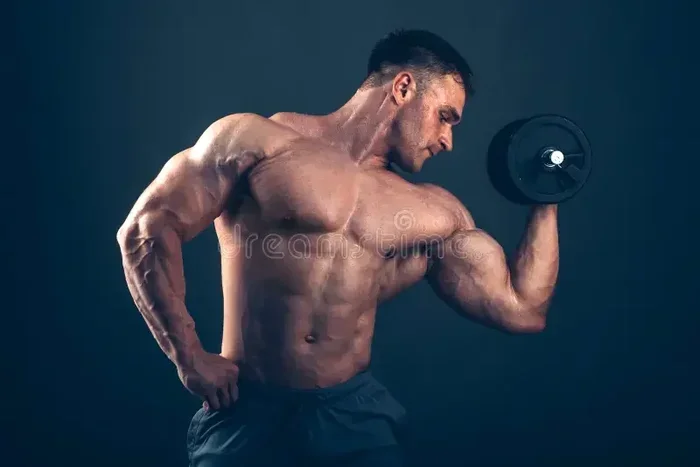
Hitting all bicep heads with dumbbells is the key to building bigger, more balanced arms. This guide covers the long head, short head, and brachialis so you can target every part of your biceps. You will learn the best dumbbell exercises, proper form, and a proven workout routine you can start today.
Want bigger biceps that turn heads? Most people only train one part of the bicep and wonder why their arms look flat from certain angles. The truth is, your biceps have multiple heads, and you need to hit each one to build truly impressive arms.
Using dumbbells makes this easier than you think. You do not need a fancy gym or expensive machines. A simple pair of dumbbells gives you the freedom to target the long head, short head, and brachialis from every angle. In this guide, we break down exactly how to do it.
Whether you are a beginner just starting out or someone looking to break through a plateau, this article has you covered. You will learn the anatomy of your biceps, the best dumbbell exercises for each head, and how to put it all together into a routine that actually works. Let us get into it.
Key Takeaways
- Three bicep heads matter: The long head, short head, and brachialis each need specific exercises to grow fully.
- Dumbbells are incredibly versatile: You can hit every bicep head from home with just a pair of dumbbells.
- Angle and grip change everything: Small adjustments in your curl position shift the focus between bicep heads.
- Progressive overload drives growth: Gradually increasing weight or reps is essential for building bigger arms.
- Form beats ego every time: Proper technique targets the right muscles and prevents injury.
- Consistency wins: Following a structured bicep routine 2-3 times per week delivers real results.
📑 Table of Contents
- Understanding the Anatomy of Your Biceps
- Best Dumbbell Exercises for the Long Head
- Best Dumbbell Exercises for the Short Head
- Targeting the Brachialis for Bigger Arms
- How to Structure Your Bicep Workout
- Common Mistakes to Avoid
- Expert Tips for Maximum Bicep Growth
- Final Thoughts on Hitting All Bicep Heads
Understanding the Anatomy of Your Biceps
Before you start curling, it helps to know what you are actually training. Your biceps brachii has two main heads, and there is also the brachialis muscle underneath that plays a big role in arm size and shape.
The Long Head of the Bicep
The long head runs along the outer side of your upper arm. It creates the famous bicep peak that everyone wants. When you flex and your arm is in a stretched position, the long head is doing most of the work. Exercises performed with a shoulder-extended position, like incline curls, put maximum tension on this head.
The Short Head of the Bicep
The short head sits on the inner side of your arm. It gives your biceps that thick, wide look when you flex from the front. This head is most active when your shoulder is in a flexed position, meaning your arm is already forward at the start of the movement. Concentration curls and preacher curls are great for isolating the short head.
The Brachialis Muscle
Many people forget about the brachialis, but it is a game-changer for arm size. This muscle sits underneath the biceps and pushes the bicep peak higher. When you train the brachialis, your arms look bigger from every angle. Hammer curls are the best dumbbell exercise for targeting this often-overlooked muscle.
Understanding these three muscles helps you choose the right movements and train smarter, not harder. Every arm workout should include exercises that hit all of them.
Best Dumbbell Exercises for the Long Head
If you want a dramatic bicep peak, you need to prioritize the long head. The key is to train your biceps with your shoulder extended behind your body. This stretches the long head under load, which is where the magic happens for muscle growth.
Incline Dumbbell Curls
Set your bench to about 45-60 degrees. Let your arms hang straight back behind your torso. Curl the dumbbells up while keeping your upper arms stationary. This is hands down one of the best exercises for the long head. You will feel a deep stretch at the bottom of every rep.
Dumbbell Drag Curls
Keep your elbows pinned to your sides and curl the dumbbells back toward your torso. The movement is slower and more controlled than a regular curl. This places constant tension on the long head throughout the entire range of motion. Many people notice a stronger peak after adding drag curls to their bicep workout routine.
Spider Curls on an Incline Bench
Lie face down on an incline bench and let your arms hang straight down. Curl the dumbbells up slowly. This position eliminates momentum and forces your long head to do all the work. It is a brutal but effective movement for building serious arm growth.
Best Dumbbell Exercises for the Short Head
The short head adds width and thickness to the front of your arm. To target it, you want exercises where your shoulder starts in a flexed or forward position. This keeps the short head under tension from the very beginning of each rep.
Concentration Curls
Sit on a bench and spread your legs apart. Rest your elbow against the inside of your thigh. Curl the dumbbell up slowly and squeeze at the top. This is one of the most effective bicep isolation exercises you can do. It removes momentum completely and puts all the focus on the short head.
Preacher Curls with Dumbbells
A preacher bench holds your arms in a fixed position with your shoulders flexed. This naturally emphasizes the short head. Use a slow and controlled tempo, squeezing at the top of every rep. If you do not have a preacher bench, you can use an incline bench and let your arms hang over the top for a similar effect.
Supinated Dumbbell Curls
Hold the dumbbell with a fully supinated grip, meaning your palms face up. Keep your elbows close to your body and curl up. The supinated position shifts more work to the short head and the biceps brachii overall. This is a staple movement for anyone serious about building bigger arms.
Targeting the Brachialis for Bigger Arms
The brachialis might not be a bicep head, but it plays a huge role in making your arms look bigger. Training this muscle pushes your bicep peak higher and adds girth to your upper arm from the side. Most people neglect it, which is a huge missed opportunity.
Hammer Curls
Hold the dumbbells with a neutral grip, meaning your palms face each other. Curl up while keeping your palms locked in this position. Hammer curls directly target the brachialis and also work the forearm muscles. They are one of the most underrated dumbbell exercises for overall arm development.
Reverse Curls
Flip your grip so your palms face down. Curl the dumbbells up using a slow and controlled motion. Reverse curls place heavy emphasis on the brachialis and the forearm extensors. Use a lighter weight than you would for regular curls because this grip is less natural and places more stress on the wrist.
Zottman Curls
Start with a supinated grip and curl up. At the top, rotate your wrists so your palms face down, then lower the dumbbells slowly. This exercise hits both the biceps and the brachialis in one movement. It is an excellent finisher for any arm workout and builds well-rounded arm strength.
How to Structure Your Bicep Workout
Knowing the exercises is only half the battle. You need a plan to put them together in a way that maximizes growth. Here is how to structure your dumbbell bicep workout for the best results.
Sample Bicep Workout Routine
Follow this routine twice per week with at least 48 hours of rest between sessions. It targets all three heads and gives you a complete bicep training session in under 30 minutes.
- Incline Dumbbell Curls: 3 sets of 10-12 reps (long head)
- Concentration Curls: 3 sets of 12-15 reps (short head)
- Hammer Curls: 3 sets of 10-12 reps (brachialis)
- Drag Curls: 2 sets of 12-15 reps (long head emphasis)
- Zottman Curls: 2 sets of 10-12 reps (brachialis and biceps)
Progressive Overload for Arm Growth
The most important principle for building bigger arms is progressive overload. This means gradually increasing the weight, reps, or sets over time. Your muscles grow in response to stress, and if you keep lifting the same weight forever, they have no reason to change. Start with a weight you can control and add a small amount each week. Even adding one extra rep counts. Consistency and progressive overload are the real secrets to building bigger biceps.
Rest and Recovery
Your muscles grow when you rest, not when you train. Give your biceps at least 48 hours between workouts. Sleep 7-9 hours per night and eat enough protein to support muscle repair. A good dumbbell training routine also includes rest days. Overtraining your biceps will slow your progress and increase your risk of injury.
Common Mistakes to Avoid
Even with the best exercises, mistakes can hold you back. Here are the most common errors people make when training their biceps with dumbbells.
- Using too much momentum: Swinging the dumbbells takes tension off your biceps and transfers it to your shoulders and back. Slow down and control every rep.
- Skipping the stretch position: Letting your arms go too far back reduces tension on the biceps. Keep a slight bend in your elbow at the bottom of each rep.
- Neglecting the brachialis: If you only do standard curls, you are missing out on serious arm size. Hammer curls and reverse curls are essential.
- Training the same way every time: Your muscles adapt quickly. Change your exercises, angles, and rep ranges every few weeks to keep growing.
- Ignoring the mind-muscle connection: Focus on squeezing your biceps at the top of every curl. Think about the muscle working, not just moving the weight.
Expert Tips for Maximum Bicep Growth
Here are some proven tips from experienced trainers that will take your bicep workouts to the next level.
- Train your biceps after your back: Your biceps are already pre-exhausted from pulling movements, so they respond well to direct work afterward.
- Use a 2-1-2 tempo: Take 2 seconds to curl up, hold for 1 second at the top, and take 2 seconds to lower. This maximizes time under tension.
- Vary your grip width: A shoulder-width grip works the biceps evenly. A narrower grip shifts focus to the outer head, while a wider grip emphasizes the inner head.
- Train to near failure: The last 2-3 reps of each set should be challenging. This is where the most muscle growth is triggered.
- Stay hydrated and fueled: Drink water throughout your workout and eat a balanced diet rich in protein and carbohydrates to support arm hypertrophy.
If you want a more complete home arm workout program, check out our guide on how to get bigger biceps at home with dumbbells for even more exercises and strategies. You can also learn more about targeting the long head of the bicep specifically in our detailed guide on how to target long head of bicep with dumbbells. For those looking to build overall arm size, our article on how to get bigger arms at home with dumbbells covers everything you need to know.
Final Thoughts on Hitting All Bicep Heads
Building bigger, more balanced arms comes down to one thing: training all the parts of your biceps. The long head gives you the peak, the short head adds width, and the brachialis pushes everything up for a bigger look. Dumbbells give you the tools to hit every head effectively from the comfort of your home.
Use the exercises and routine outlined in this guide. Focus on proper form, progressive overload, and consistency. Your arms will grow if you give them the right stimulus and enough time to recover. Start today, stay patient, and trust the process. Your bicep training will pay off with bigger, stronger arms you can be proud of.
Frequently Asked Questions
How many bicep heads are there?
The biceps brachii has two heads: the long head and the short head. There is also the brachialis muscle underneath that contributes to arm size. To build complete arms, you need to train all three muscles with different dumbbell exercises and angles.
Can I hit all bicep heads with just dumbbells?
Absolutely. Dumbbells are one of the most effective tools for training all bicep heads. You can target the long head with incline curls, the short head with concentration curls, and the brachialis with hammer curls. You do not need any machines or a gym membership.
How often should I train my biceps?
Training your biceps 2-3 times per week is ideal for most people. This gives you enough stimulus for growth while allowing proper recovery. Make sure you leave at least 48 hours between bicep workouts so your muscles can repair and grow stronger.
What is the best exercise for bicep peak?
Incline dumbbell curls are widely considered the best exercise for building the bicep peak. They place the long head of the biceps under maximum stretch, which is where the most muscle growth is stimulated. Pair them with concentration curls for full arm development.
How long does it take to see bicep growth?
Most people start to notice visible changes in their biceps within 4-8 weeks of consistent training. Results depend on your genetics, nutrition, and how well you follow a structured dumbbell workout routine. Stay consistent and trust the process.
Should I train biceps before or after back?
Training biceps after back is generally recommended. Your biceps are already warmed up and fatigued from pulling exercises, so they respond well to direct isolation work. This order maximizes the effectiveness of your bicep exercises and saves energy for heavier compound movements.
=== CONCLUSION ===
Hitting all bicep heads with dumbbells is one of the smartest things you can do for your arms. You do not need expensive equipment or a crowded gym. A pair of dumbbells and the knowledge in this guide are all you need. Focus on the long head with incline curls, the short head with concentration curls, and the brachialis with hammer curls. Follow a structured routine, apply progressive overload, and stay consistent. Your arms will thank you.