Can You Jump Rope with a Pulled Hamstring

Can you jump rope with a pulled hamstring? The short answer is no, not right away. Jumping rope puts intense strain on your hamstrings, and doing it with an injury can make things worse. However, once you heal properly, you can gradually return to this great cardio exercise. This guide covers everything from initial injury care to safe return-to-exercise strategies.
Have you ever been halfway through a great workout when a sharp pain in the back of your thigh stops you cold? A pulled hamstring is one of the most frustrating injuries for anyone who loves staying active. If you are a jump rope enthusiast, you might be wondering whether you can keep going or if you need to stop altogether.
The truth is, jumping rope with a pulled hamstring is risky business. Your hamstrings work hard every time you jump, land, and change direction. Pushing through the pain can turn a minor strain into a serious tear that keeps you sidelined for weeks or even months. But the good news is that recovery is absolutely possible, and you can get back to your jump rope routine with the right approach.
In this guide, we will walk you through everything you need to know. From understanding what a hamstring strain actually is, to step-by-step recovery strategies, to safely returning to your cardio workout. Whether you are a beginner or a seasoned jumper, this article will help you make smart decisions about your fitness recovery.
Key Takeaways
- Rest First: Never jump rope with an active pulled hamstring. Your muscle needs time to heal before any high-impact activity.
- Follow a Recovery Plan: Gentle stretches, physical therapy, and progressive loading help you come back safely.
- Listen to Your Body: Pain is your best guide. If something hurts during a test jump, stop immediately.
- Start Slow When Returning: Begin with short sessions and low intensity before jumping into your normal routine.
- Prevent Future Injuries: Warm up properly, strengthen your hamstrings, and use the right surface to avoid re-injury.
- Consult a Professional: Always get medical advice before returning to exercise after a hamstring strain.
📑 Table of Contents
Understanding a Pulled Hamstring
A pulled hamstring happens when the muscles at the back of your thigh get overstretched or torn. These muscles help you bend your knee and extend your hip. During jump rope exercise, they absorb a lot of impact every time your feet hit the ground.
What Causes a Hamstring Strain?
Several things can lead to a pulled hamstring:
- Sudden explosive movements like sprinting or high knees
- Inadequate warm-up before intense activity
- Muscle fatigue from overtraining
- Poor flexibility or tight muscles
- Weak hamstrings compared to surrounding muscles
- Previous injuries that were not fully healed
Jump rope workouts involve repetitive jumping and landing. If your form is off or your muscles are not ready, the constant impact can strain your hamstrings. This is especially true if you are doing high-intensity intervals or long sessions. People who jump rope for weight loss sometimes push too hard too fast, which increases the risk of injury.
Grades of Hamstring Strains
Not all hamstring injuries are the same. They fall into three categories:
| Grade | Severity | Symptoms | Recovery Time |
|---|---|---|---|
| Grade 1 | Mild | Slight discomfort, minimal strength loss | 1-3 weeks |
| Grade 2 | Moderate | Noticeable pain, swelling, difficulty walking | 3-6 weeks |
| Grade 3 | Severe | Sharp pain, significant swelling, bruising | 6-12 weeks or more |
Grade 1 strains might allow you to do light activity after a few days. Grade 2 and 3 strains require much more caution. Never try to jump rope with anything above a very mild grade 1 strain without medical clearance.
Why Jump Rope Is Tough on Hamstrings
You might wonder why a simple activity like jumping rope can cause so much trouble. The answer lies in how your body works during the exercise. Every jump requires your hamstrings to contract and lengthen rapidly. This repetitive cycle puts significant stress on the muscle fibers.
The Impact Factor
When you land from a jump, your hamstrings absorb shock along with your calves and quads. Research shows that high-impact exercise like jump rope can generate forces up to 2-3 times your body weight through your legs. If your hamstrings are already compromised, this force can worsen the tear.
Also, jump rope demands quick, rhythmic movements. Your hamstrings need to fire rapidly and consistently. This endurance demand can fatigue an already injured muscle, leading to more damage. For this reason, many people who want to burn calories with jump rope need to find alternative exercises during recovery.
Common Mistakes That Worsen Hamstring Injuries
Some habits can turn a minor pull into a major setback:
- Returning to exercise too soon
- Skipping warm-up and cool-down routines
- Jumping on hard surfaces without proper shoes
- Ignoring pain signals from your body
- Doing too much too fast after recovery
- Neglecting strength training for supporting muscles
Avoiding these mistakes is crucial. Many people rush back because they love their cardio workout routine. But patience during recovery leads to faster long-term results.
Immediate Steps After Pulling Your Hamstring
If you suspect you have pulled your hamstring during or after jump rope, the first few hours matter a lot. Acting quickly can reduce damage and speed up healing.
Follow the R.I.C.E. Method
The R.I.C.E. method is the gold standard for initial muscle injury care:
- Rest: Stop all activity immediately. Do not try to walk it off or finish your workout.
- Ice: Apply ice packs for 15-20 minutes every 2 hours during the first 48 hours.
- Compression: Use an elastic bandage to reduce swelling.
- Elevation: Elevate your leg when sitting or lying down to minimize swelling.
During this phase, you should completely avoid any jump rope workout. Even light bouncing can aggravate the injury. Focus on resting and letting your body begin the healing process.
When to See a Doctor
You should seek professional help if you experience any of the following:
- Severe pain that does not improve with rest
- Inability to bear weight on the affected leg
- Significant swelling or bruising
- A popping sensation at the time of injury
- Pain that persists beyond a few days
A doctor or physical therapist can assess the severity of your strain and create a personalized rehabilitation plan. This is especially important for moderate to severe injuries. Trying to self-diagnose can lead to incomplete healing and re-injury.
Recovery and Rehabilitation
Recovery from a hamstring strain is a gradual process. Rushing through it is the number one reason people re-injure themselves. A smart, structured approach gets you back to jump rope training safely and effectively.
Phase 1: Gentle Movement (Days 1-7)
Once the initial pain subsides, you can start gentle movement. This phase focuses on maintaining blood flow to the injured area without stressing the muscle.
- Light walking: Keep it slow and steady for 10-15 minutes
- Gentle hamstring stretches: Only stretch to the point of mild tension, never pain
- Seated leg extensions: Slowly straighten and bend your knee while seated
- Isometric exercises: Gently contract your hamstring without moving the joint
During this phase, you can still get a cardio workout using low-impact alternatives. Swimming, cycling on low resistance, or using an elliptical machine are excellent options. These exercises keep your heart rate up without pounding your hamstrings.
Phase 2: Strengthening (Weeks 2-4)
As pain decreases and your range of motion improves, you can begin strengthening exercises:
- Hamstring curls with light resistance
- Wall sits and wall squats
- Single-leg bridges to build glute and hamstring strength
- Calf raises to maintain lower body fitness
- Balance exercises like standing on one leg
These exercises prepare your hamstring for the demands of jump rope exercise. They also help prevent future injuries by building resilient muscle tissue. Progress slowly and stop if you feel any pain.
Phase 3: Return to Jump Rope
This is the phase most people are eager to reach. But it requires discipline and patience. Do not jump straight back into your old routine. Instead, follow this progression:
- Test jumps: Stand next to the rope and do small hops without turning the rope
- Slow rope turns: Turn the rope slowly and jump only a few times
- Short sessions: Jump for 1-2 minutes, then rest for 2 minutes
- Gradual increase: Add 30 seconds to each session every few days
- Normal routine: Return to your full jump rope workout only when pain-free
Many people who are focused on jump rope weight loss goals want to rush this phase. Resist that urge. A setback now could cost you weeks of recovery time.
Preventing Future Hamstring Injuries
Once you have recovered, your goal is to prevent another hamstring strain. Prevention is always better than cure, especially when it comes to fitness and exercise.
Warm Up Properly
Never start a jump rope session cold. A proper warm-up increases blood flow and prepares your muscles for impact. Try these warm-up exercises:
- 5 minutes of light jogging or marching in place
- Dynamic leg swings (front to back and side to side)
- High knees at a slow pace
- Butt kicks
- Walking lunges
Spend at least 5-10 minutes warming up before you pick up your rope. This simple habit can save you from a lot of pain and frustration.
Strengthen Your Hamstrings Regularly
Strong muscles are resilient muscles. Include hamstring-strengthening exercises in your regular fitness routine at least 2-3 times per week. Romanian deadlifts, Nordic curls, and Swiss ball curls are all excellent choices. Balanced strength between your hamstrings and quadriceps also reduces injury risk.
Use the Right Equipment
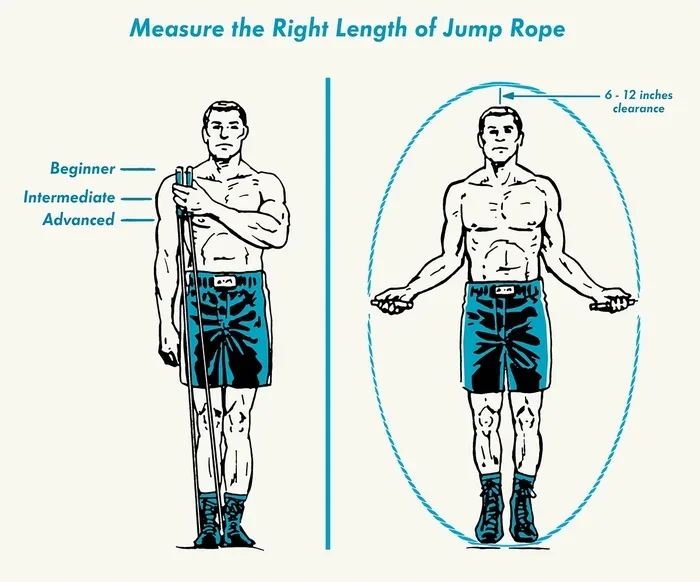
Your jump rope and your surface matter more than you might think. A rope that is the right length prevents awkward movements that strain your muscles. A yoga mat for jump rope can provide cushioning that reduces impact on your legs. You can find more about using yoga mats for this purpose here. Also, always wear supportive shoes with good shock absorption.
Manage Your Workout Volume
Overtraining is a leading cause of hamstring strains. If you are doing jump rope workouts for calories burned or weight loss, be smart about your volume. Start with 15-20 minutes per session and gradually increase duration. For more guidance on session length, check out this guide on workout duration. Also, make sure you are eating enough protein and getting adequate sleep to support muscle recovery.
Alternative Exercises During Recovery
Just because you cannot jump rope does not mean you have to stop exercising entirely. There are plenty of alternatives that keep you fit while your hamstring heals.
Best Low-Impact Cardio Options
- Swimming: Excellent full-body cardio with zero impact on your legs
- Cycling: Keep resistance low and avoid hills until fully healed
- Elliptical trainer: Mimics the motion of running without the jarring impact
- Rowing machine: Engages your upper body and core while resting your legs
- Walking: Simple but effective for maintaining fitness
These alternatives help you maintain your cardiovascular fitness during recovery. Many people worry about losing progress, but a few weeks of modified training will not undo your hard work. In fact, it sets you up for a stronger, more sustainable comeback.
Strength Training Options
You can still do upper body and core work while recovering. Focus on exercises that do not stress your hamstrings:
- Seated dumbbell exercises
- Wall push-ups and modified planks
- Resistance band work for arms and shoulders
- Core exercises like dead bugs and bird dogs
Keeping your body active during recovery also supports your mental health and keeps you motivated. Staying consistent with modified workouts makes the return to full training much smoother.
When to Expect Full Recovery
Recovery timelines vary depending on the severity of your strain and how well you follow your rehabilitation plan. Most people with grade 1 strains return to full activity within 2-4 weeks. Grade 2 strains may take 4-8 weeks, and grade 3 strains can require 3 months or more.
The key is to let your body guide you. If you feel ready to jump rope again but the muscle still feels tight or sore, wait a few more days. True readiness means you can perform all your normal movements without any discomfort whatsoever. For more information about jump rope calories burned and how to maximize your workouts once recovered, visit this calorie burn guide.
Remember that how much weight you can lose with jump rope depends on consistency over time, not on rushing back from injury. A patient approach now pays off with months and years of healthy, enjoyable training ahead.
Conclusion
Can you jump rope with a pulled hamstring? The answer is a clear no during the acute phase of your injury. But the journey does not end there. With proper rest, a structured rehabilitation plan, and gradual return to exercise, you can absolutely get back to your jump rope routine. The most important thing is to be patient and listen to your body. Rushing the process is the fastest way to re-injure yourself and extend your recovery time.
Use this guide as your roadmap. Follow each phase carefully, strengthen your muscles, and take preventive steps to avoid future injuries. Your hamstring will thank you, and you will come back stronger than before. Now go give your body the care it deserves, and get ready to pick up that rope when the time is right.
Frequently Asked Questions
Can I do light jump rope with a grade 1 hamstring strain?
It depends on your pain level and when the injury occurred. In the first 48-72 hours, you should avoid all jumping. After that, if the pain is very mild, you might try small hops without the rope first. But always consult a healthcare professional before returning to any exercise.
How long should I wait before jumping rope after a hamstring pull?
For a grade 1 strain, most experts recommend waiting at least 1-2 weeks before attempting light jump rope. Grade 2 strains may require 3-6 weeks, and grade 3 strains need even longer. Your personal timeline depends on your healing progress and medical advice.
What exercises can I do instead of jump rope with a pulled hamstring?
Swimming, cycling, elliptical training, and upper body workouts are all great alternatives. These exercises keep your cardiovascular fitness up while giving your hamstring time to heal. You can also do seated strength exercises to maintain overall fitness.
How do I know my hamstring is fully healed for jump rope?
Your hamstring is ready when you can perform all daily movements without pain or stiffness. You should also be able to do light jumps without any discomfort. If you feel any pulling or soreness during test jumps, wait a few more days before trying again.
Will jumping rope cause another hamstring injury?
Not if you take the right precautions. Proper warm-up, gradual return to exercise, regular hamstring strengthening, and using the right equipment all reduce your risk significantly. Most re-injuries happen because people return too quickly after a previous strain.
Can stretching prevent a pulled hamstring during jump rope?
Dynamic stretching before exercise and static stretching after exercise can significantly reduce your risk. However, stretching alone is not enough. You also need to strengthen your hamstrings, manage your workout volume, and allow proper recovery between sessions for complete injury prevention.