Discover More Information About Buying a Car in California
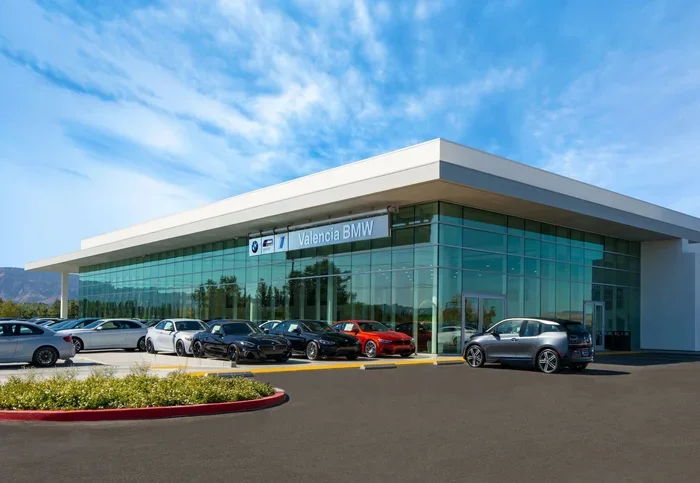
Buying a car in California involves unique steps like smog checks, state taxes, and EV incentives. This guide walks you through the entire process — from choosing the right vehicle to finalizing registration. You will learn how to save money, avoid common mistakes, and navigate the California car market with confidence.
Buying a car is one of the biggest purchases you will ever make. And when you are doing it in California, the process comes with its own set of rules, costs, and opportunities. Whether you want a sleek new sedan or a rugged used truck, understanding the California car market can make all the difference.
The Golden State has some of the highest car prices in the country. But it also offers amazing incentives, especially for electric vehicles. This guide will walk you through every step of the journey. You will learn about pricing, financing, registration, and how to avoid costly mistakes. Let us dive in.
Key Takeaways
- Know the Costs: California has higher sales tax and registration fees than most states.
- Smog Checks Matter: Most used cars need a passing smog test before registration.
- EV Incentives Are Huge: California offers rebates and tax credits for electric vehicles.
- Lemon Law Protects You: California has strong consumer protections for defective vehicles.
- Compare Dealerships: Shopping around can save you thousands of dollars.
- Financing Options Abound: Banks, credit unions, and dealers all offer car loans in California.
📑 Table of Contents
- Why Buying a Car in California Is Different
- How to Choose the Right Car for Your Needs
- Where to Buy a Car in California
- Financing Your Car Purchase
- California Registration and DMV Steps
- Protecting Yourself: California Lemon Law
- Common Mistakes to Avoid When Buying a Car in California
- Quick Tips for a Smooth Car Buying Experience
- Final Thoughts
Why Buying a Car in California Is Different
California stands out from other states when it comes to car buying. The rules are stricter, the costs are higher, and the options are more diverse. Here is why the process feels different here.
Higher Taxes and Fees
California charges a state sales tax of 7.25% on vehicle purchases. On top of that, local districts can add more. This means the total tax rate can reach 10% or higher in some areas. Registration fees are also among the highest in the nation. These costs add up fast, so budgeting is essential.
Smog and Emissions Rules
California has the strictest emissions standards in the US. Most used cars need a smog check before they can be registered. Newer vehicles are usually exempt, but older ones may need repairs to pass. Always check the smog status before buying a used car.
The Rise of Electric Vehicles
California leads the nation in electric vehicle adoption. The state offers generous rebates, HOV lane access, and charging infrastructure. If you are considering an EV, now is a great time to buy. The incentives can save you thousands of dollars.
How to Choose the Right Car for Your Needs
Picking the right car starts with understanding your lifestyle. Do you commute long hours? Do you need space for a family? Your daily habits should guide your choice.
New vs Used Cars
New cars come with warranties and the latest features. But they lose value quickly. Used cars cost less upfront and depreciate slower. However, you may face more maintenance costs. Here is a quick comparison:
- New Cars: Higher price, full warranty, latest technology, faster depreciation.
- Used Cars: Lower price, no warranty, proven reliability, slower depreciation.
If you want more details on evaluating a used vehicle, check out our guide on what to look for when buying a used product. The same principles apply to cars and other big purchases.
SUVs, Sedans, and Trucks
SUVs are popular in California for their versatility. Sedans offer better fuel economy for daily commuting. Trucks are great for outdoor enthusiasts who love camping and hauling. Think about what you need most before you start shopping.
Electric and Hybrid Options
California is the perfect place for an electric vehicle. The state has thousands of charging stations. Plus, you can get a federal tax credit of up to $7,500 on qualifying EVs. Hybrids are another great option if you are not ready for a full electric switch.
Where to Buy a Car in California
You have several options when it comes to buying a car in the Golden State. Each has its pros and cons. Let us break them down.
Dealerships
Dealerships are the most common way to buy a car. You can test drive multiple models in one visit. Dealers also handle paperwork and financing. But prices can be higher, and negotiation is often needed. Always visit more than one dealership to compare offers.
Private Sellers
Buying from a private seller can save you money. There is no dealer markup. But you take on more risk. Always get a vehicle history report and have a mechanic inspect the car. Private sales also mean you handle all the paperwork yourself.
Online Car Platforms
Online platforms make it easy to browse inventory from home. You can compare prices across different sellers quickly. Some platforms even offer delivery to your door. Just be sure to verify the seller’s reputation before committing.
When buying large items online, you also need to think about how you will get them home. For example, if you ever need to move fitness equipment like a treadmill, knowing how to transport a treadmill in a car can be surprisingly useful for planning your vehicle’s cargo space and transport strategy.
Financing Your Car Purchase
Most people cannot pay for a car outright. Financing helps you spread the cost over time. But not all loans are created equal. Here is what you need to know.
Check Your Credit Score
Your credit score is the biggest factor in your loan rate. A score above 700 will get you the best deals. If your score is lower, you may still qualify but with higher interest. Check your credit report for errors before you apply.
Get Pre-Approved
Getting pre-approved from a bank or credit union gives you leverage. You know your budget before you walk into a dealership. Dealers will also compete for your business when they see you are pre-approved. This can save you hundreds of dollars over the life of the loan.
Loan Terms to Watch
Longer loan terms mean smaller monthly payments. But you pay more in interest over time. A 36- or 60-month loan is usually the sweet spot. Avoid loans longer than 72 months unless absolutely necessary.
California Registration and DMV Steps
Once you buy a car, you need to register it with the California DMV. This process has several steps. Missing any of them can delay your registration.
Required Documents
You will need the following documents to register your car:
- A signed title from the seller
- A bill of sale
- Proof of insurance
- A smog certificate (for used cars)
- Identification and residency proof
Registration Fees
California registration fees vary based on the vehicle’s value and age. You can expect to pay anywhere from $60 to several hundred dollars. You can pay online, by mail, or in person at a DMV office.
License Plates
New cars usually come with temporary plates. Permanent plates arrive by mail within a few weeks. Make sure you display your plates correctly to avoid fines.
Protecting Yourself: California Lemon Law
California has one of the strongest lemon laws in the country. This law protects buyers from defective vehicles. If your car has repeated problems covered by the warranty, you may be entitled to a refund or replacement.
When Does the Lemon Law Apply?
The law covers new and used cars still under warranty. It applies when a serious defect cannot be fixed after a reasonable number of attempts. The vehicle must also have been purchased or leased in California.
What to Do If You Have a Lemon
Keep detailed records of all repairs. Contact the manufacturer in writing. If the issue is not resolved, you can file a claim with the California Department of Consumer Affairs. An attorney who specializes in lemon law cases can also help.
Common Mistakes to Avoid When Buying a Car in California
Many buyers make avoidable mistakes. Here are the most common ones and how to dodge them.
- Skipping the Inspection: Always have a trusted mechanic inspect a used car before you buy.
- Ignoring the Total Cost: Focus on the total price, not just the monthly payment.
- Not Negotiating: Dealerships expect negotiation. Always ask for a better price.
- Forgetting About Insurance: Get insurance quotes before you finalize the purchase.
- Rushing the Paperwork: Read every document carefully before signing.
Buying a car should feel empowering, not stressful. Take your time, do your research, and trust your instincts. If you want tips on organizing your garage space for your new vehicle, you might also enjoy our article on where to put a treadmill in your home for smart storage ideas.
Quick Tips for a Smooth Car Buying Experience
Here are some fast tips to keep in mind during your car search:
- Set a budget and stick to it.
- Research fair market prices using tools like Kelley Blue Book.
- Test drive at least three different vehicles.
- Read online reviews before visiting dealerships.
- Bring a friend or family member for a second opinion.
- Ask about all fees before signing any paperwork.
- Consider certified pre-owned vehicles for better value.
Final Thoughts
Buying a car in California can be a rewarding experience if you go in prepared. The process has its challenges, but the rewards are worth it. From finding the right vehicle at the right price to handling registration and protecting your investment, every step matters. California offers unique advantages, especially for electric vehicle buyers. Take advantage of the incentives, stay informed, and you will drive away happy.
Remember, the best car purchase is the one that fits your budget, your lifestyle, and your goals. Use this guide as your roadmap. Happy car shopping in the Golden State!
Frequently Asked Questions
Do I need a smog check to buy a used car in California?
Yes, most used cars need a passing smog check before you can register them. Newer vehicles and certain exemptions may not require one. Always verify the smog status before completing the purchase.
How much does it cost to register a car in California?
Registration fees vary based on the vehicle’s value, age, and location. Expect to pay between $60 and several hundred dollars. You can use the California DMV website to estimate your exact fee.
Are there incentives for buying an electric vehicle in California?
Yes, California offers state rebates and federal tax credits for qualifying EVs. Some areas also provide free or discounted charging. These incentives can significantly reduce the upfront cost of an electric vehicle.
Can I buy a car in California without a driver’s license?
You do not need a driver’s license to purchase a car. However, you will need one to register and insure the vehicle. Some buyers use a licensed co-signer for the registration process.
What is the California lemon law?
The California lemon law protects buyers from defective vehicles that cannot be repaired after a reasonable number of attempts. It applies to new and used cars still under warranty. You may be entitled to a refund or replacement if your car qualifies.
Should I buy from a dealership or a private seller?
Dealerships offer more protection and handle paperwork, but prices may be higher. Private sellers can save you money but come with more risk. Always get a vehicle inspection and history report regardless of the source.