How to Do Exercise with Dumbbells at Home
Doing exercise with dumbbells at home is one of the simplest and most effective ways to build strength, burn fat, and transform your fitness without ever leaving your living room. With just a pair of dumbbells, you can target every major muscle group through proven dumbbell workouts that deliver real results. This guide walks you through the best home dumbbell exercises, proper form, and practical routines so you can start training smarter and safer today.
How to Do Exercise with Dumbbells at Home
Working out with dumbbells at home is one of the smartest decisions you can make for your fitness journey. You do not need a fancy gym membership or expensive machines. A simple pair of dumbbells gives you everything you need to build strength, burn fat, and transform your body right in your living room. This guide covers exactly how to exercise with dumbbells at home, no matter your experience level.
Whether you are a complete beginner or someone looking to switch up your routine, dumbbell training offers unmatched flexibility. You control the weight, the pace, and the rest time. There is no waiting for equipment, no crowded locker rooms, and no commute. In this article, we walk you through proven exercises, a simple weekly plan, common mistakes to avoid, and practical tips that actually work. If you have ever wondered how to make dumbbell workouts part of your daily life, you are in the right place.
Before you grab those weights, let us set the foundation. Understanding why dumbbells work so well and what makes them ideal for home training will keep you motivated from day one. The exercises below are straightforward, effective, and require zero technical skill to get started.
Key Takeaways
- Warm up first: Start with a proper warm-up to prevent injuries and prepare your muscles for dumbbell exercises.
- Choose compound movements: Focus on squats and presses to maximize your home workout results efficiently.
- Progress gradually: Progressively increase weight over time to continuously challenge your muscles and build strength.
- Prioritize proper form: Maintain correct form throughout every rep to get the best results and avoid injury.
- Stay consistent: Create a consistent schedule and stick to it for steady progress with your dumbbell routine.
- Rest and recover: Rest between sessions to allow muscles time to repair and grow stronger.
📑 Table of Contents
- Why Dumbbells Are Perfect for Home Workouts
- Essential Dumbbell Exercises for Every Muscle Group
- How to Build a Weekly Dumbbell Workout Plan at Home
- Common Mistakes to Avoid When Training with Dumbbells
- Choosing the Right Dumbbells for Your Home Gym
- Tips to Maximize Your Results with Dumbbell Training
- Key Takeaways
Why Dumbbells Are Perfect for Home Workouts
Dumbbells are arguably the most versatile piece of equipment you can own. Unlike machines that lock you into a fixed path, dumbbells let your joints move naturally. This means better muscle activation and lower risk of injury. You can target almost every muscle group with just one or two pairs of weights.
Here are the main reasons dumbbells shine for home training:
- Space efficient — A pair of dumbbells fits in a corner or under a bed.
- Affordable — You do not need a thousand-dollar setup to get serious results.
- Scalable — You can go from light toning to heavy muscle building by adjusting the weight.
- Joint friendly — Free weights allow natural movement patterns that protect your knees and shoulders.
- Time saving — No waiting for machines. You can finish a full workout in 30 to 45 minutes.
Compared to bodyweight-only exercises, dumbbells add progressive overload much more easily. This is the key principle behind muscle growth. When your muscles adapt to a challenge, you simply pick up heavier dumbbells. That simple adjustment keeps your body changing over time.
Essential Dumbbell Exercises for Every Muscle Group
A well-rounded dumbbell workout hits all major muscle groups. Below we break down the best exercises by body part. Each movement includes a brief description so you can perform it safely and effectively.
Upper Body Exercises
Dumbbell Bench Press. Lie on a flat surface or bench and press the dumbbells upward from chest level. This exercise targets your chest, front shoulders, and triceps. Keep your feet flat on the floor and control the weight on the way down.
Dumbbell Shoulder Press. Stand or sit with dumbbells at shoulder height. Press them straight overhead until your arms are fully extended. Lower them back slowly. This is one of the best exercise with dumbbells at home moves for building strong shoulders.
Dumbbell Bent-Over Row. Hinge forward at the hips with a flat back. Pull the dumbbells toward your ribcage, squeezing your shoulder blades together. This exercise builds a strong back and improves posture significantly.
Dumbbell Bicep Curl. Stand tall and curl the dumbbells up toward your shoulders. Lower them slowly. This isolation movement is perfect for building bigger arms and is a staple in many dumbbell routines.
Lower Body Exercises
Dumbbell Goblet Squat. Hold one dumbbell vertically against your chest. Squat down until your thighs are parallel to the floor, then drive back up. This movement works your quads, glutes, and core all at once.
Dumbbell Romanian Deadlift. Hold dumbbells in front of your thighs. Hinge at the hips and lower the weights along your legs until you feel a stretch in your hamstrings. Return to standing. This is excellent for building strong posterior chain muscles.
Dumbbell Lunges. Step forward with one leg and lower your back knee toward the ground. Push back to the starting position. Lunges improve balance, coordination, and lower body strength simultaneously.
Core and Full Body Exercises
Dumbbell Farmer’s Walk. Hold a dumbbell in each hand and walk for 30 to 60 seconds. This simple movement builds grip strength, core stability, and overall endurance.
Dumbbell Thrusters. Combine a squat with an overhead press in one fluid motion. This full-body exercise burns calories and builds functional strength fast.
How to Build a Weekly Dumbbell Workout Plan at Home
Having a plan is what separates people who progress from those who stay stuck. A simple weekly structure keeps you consistent and ensures every muscle group gets trained. You do not need to spend hours in the gym. A focused dumbbell routine of three to four sessions per week works wonders.
Here is a sample weekly plan you can follow:
- Day 1 (Full Body): Squats, bench press, rows, and planks. Three sets of 10 to 12 reps each.
- Day 2 (Rest or Light Cardio): Take a walk or do gentle stretching.
- Day 3 (Upper Body Focus): Shoulder press, curls, bent-over rows, and tricep extensions. Three sets of 10 to 12 reps.
- Day 4 (Rest): Let your muscles recover fully.
- Day 5 (Lower Body Focus): Goblet squats, lunges, Romanian deadlifts, and calf raises. Three sets of 10 to 12 reps.
- Days 6 and 7: Active recovery or repeat the cycle.
The key to progress is consistency. Show up, do the work, and track your weights over time. If you are new to this, start lighter than you think you need to. Mastering proper form before adding weight prevents injuries and builds a strong foundation. For beginners looking for a more detailed starting point, check out How To Workout With Dumbbells At Home For Beginners for a step-by-step guide tailored to those just getting started.
Common Mistakes to Avoid When Training with Dumbbells
Even the best exercises lose their effectiveness when done incorrectly. Avoiding these common errors will keep you safe and help you get better results faster.
- Lifting too much weight too soon. This is the number one mistake beginners make. Choose a weight that lets you complete all reps with good form. You should feel challenged by the last two reps, not completely exhausted.
- Skipping the warm-up. Cold muscles are injury-prone muscles. Spend five to ten minutes doing light cardio or dynamic stretches before picking up the dumbbells.
- Rushing through reps. Controlled movements produce better results. Take two to three seconds on the lowering phase and one second on the lifting phase.
- Ignoring your weak side. If one arm or leg is weaker, give it extra attention. Dumbbells naturally reveal imbalances, and addressing them early prevents long-term problems.
- Not breathing properly. Exhale on the effort, inhale on the release. Holding your breath during heavy reps can spike your blood pressure dangerously.
Another mistake people make is doing the same routine every week. Your body adapts quickly, so change your exercises, rep ranges, or rest periods every four to six weeks. This keeps your muscles challenged and your workouts interesting.
Choosing the Right Dumbbells for Your Home Gym
Not all dumbbells are created equal, and picking the right pair makes a huge difference. The best dumbbells for home use depend on your budget, space, and fitness goals.
Here is a quick comparison of popular options:
| Type | Pros | Cons | Best For |
|---|---|---|---|
| Adjustable Dumbbells | Save space, one set covers many weights | Slightly slower to change weight | Small apartments or limited storage |
| Fixed Weight Dumbbells | Durable, no moving parts | Take up more space, need multiple pairs | Dedicated home gym setups |
| Selectorized Dumbbells | Quick weight changes, compact | Higher price point | Serious home trainers who want convenience |
| Resistance Bands (Alternative) | Ultra-portable, very affordable | Less progressive overload potential | Travel or budget-limited setups |
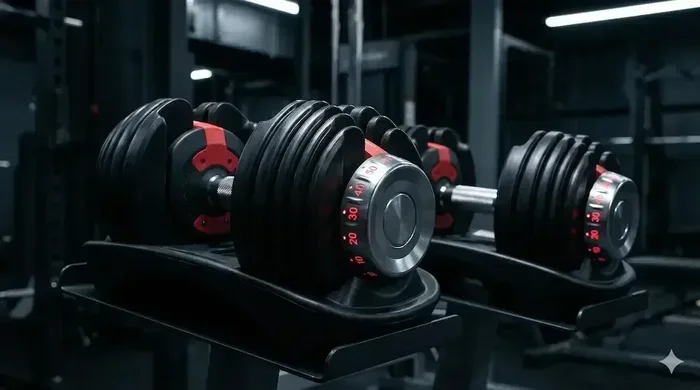
If you are just starting out, adjustable dumbbells are the best value. They replace five or six pairs of fixed dumbbells and cost significantly less in the long run. Look for brands with good weight increments, a secure locking mechanism, and comfortable grips.
For those who want to explore more exercise with dumbbells at home options and find the right exercises for their goals, What Exercises Can I Do With Dumbbells At Home offers a comprehensive library of movements to try.
Tips to Maximize Your Results with Dumbbell Training
Knowing the exercises is only half the battle. How you train matters just as much as what you train. These practical tips will help you get the most out of every session.
Progressive Overload Is Non-Negotiable
Your muscles only grow when they face a challenge greater than what they are used to. This means gradually increasing the weight, reps, or sets over time. Keep a simple training log. Write down what you lifted and how many reps you completed. Next week, aim to add a little more. This steady progression is what drives real results.
Prioritize Recovery
Muscles grow when you rest, not when you train. Aim for seven to nine hours of sleep each night. Eat enough protein to support muscle repair — a general guideline is about 0.7 to 1 gram per pound of body weight daily. Stay hydrated and give yourself at least one full rest day per week.
Stay Consistent and Patient
Visible results from dumbbell training typically show up after four to six weeks of consistent effort. Do not get discouraged if the changes feel slow at first. Every rep counts. Every session builds on the last one. Trust the process and let your habits do the heavy lifting.
Mix Up Your Routine Regularly
Doing the same workout for months can lead to plateaus. Try new exercises, change the order of your movements, or experiment with different rep ranges. For example, switch from 12-rep sets to 8-rep heavier sets for a few weeks to challenge your strength in a new way. For more ideas on building a complete dumbbell routine at home, explore How To Build Muscle At Home With Only Dumbbells for advanced strategies and workout variations.
Key Takeaways
Exercising with dumbbells at home is one of the most effective and accessible ways to build strength, improve fitness, and reach your health goals. You do not need expensive equipment or a lot of space. A pair of dumbbells, a clear plan, and consistent effort are all you need.
Focus on mastering proper form before chasing heavy weights. Follow a structured weekly plan that hits every muscle group. Avoid the common mistakes that slow people down. And most importantly, stay patient and enjoy the process. Your home gym is a powerful tool — use it wisely and the results will follow.
Start with what you have today. Pick up those dumbbells, try the exercises above, and commit to showing up three times this week. Small, consistent actions lead to extraordinary transformations over time. Your fitness journey starts right where you are, and dumbbells make it easier than ever to take the next step.
Frequently Asked Questions
What exercises can I do with dumbbells at home?
You can perform a wide range of exercises like squats, lunges, shoulder presses, bicep curls, and chest flyes using just a pair of dumbbells at home. These movements target your upper body, lower body, and core without needing any machines. A simple routine with 8 to 12 reps per exercise is a great place to start.
How do I choose the right dumbbell weight for home workouts?
Start with a weight that lets you complete 12 to 15 reps with proper form but still feels challenging by the last few reps. If the exercise feels too easy, increase the weight slightly. For beginners, a set of light and medium dumbbells usually covers most workout needs at home.
Can beginners exercise safely with dumbbells at home?
Absolutely, dumbbells at home are one of the safest and most effective tools for beginners. Focus on learning proper form first, and use lighter weights until you feel confident with each movement. You can follow guided workout videos to build a solid foundation.
How often should I train with dumbbells at home?
Training 3 to 4 times per week gives your muscles enough stimulus to grow while allowing proper recovery between sessions. You can split your routine by targeting different muscle groups on different days. Always include at least one rest day to let your body repair and get stronger.
What are the best dumbbell exercises for toning arms at home?
Bicep curls, tricep extensions, hammer curls, and overhead presses are excellent dumbbell movements for toning your arms. Perform 3 sets of 10 to 12 reps for each exercise to see noticeable results over time. Consistency and proper form matter more than using heavy weights.
Do I need a workout bench to exercise with dumbbells at home?
No, a workout bench is optional, and many effective exercises can be done on the floor or a sturdy chair. Moves like floor presses, seated curls, and standing shoulder presses require no bench at all. A flat bench is helpful but not essential for a great dumbbell workout at home.