How Much Weight Do I Need for Dumbbells
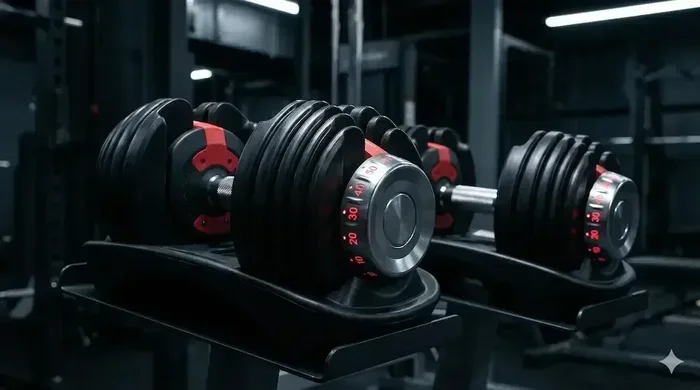
Choosing the right dumbbell weight depends on your fitness level, goals, and experience. Beginners should start light and progress gradually, while advanced lifters need heavier loads for continued growth. This guide breaks down exactly how much weight you need for dumbbells based on your personal goals and current strength level.
Have you ever stared at a rack of dumbbells at the gym and felt completely lost? You are not alone. Choosing the right weight for your dumbbells is one of the most important decisions you will make in your fitness journey. Pick too light, and you will not challenge your muscles. Pick too heavy, and you risk injury or poor form.
This guide will walk you through everything you need to know about dumbbell weight selection. Whether you are just starting out or looking to push past a plateau, you will find clear, actionable advice. We will cover beginner weights, intermediate ranges, and advanced loading strategies. By the end, you will know exactly what dumbbell weight to grab for every exercise.
Key Takeaways
- Start Light: Beginners should begin with 5-15 lbs for upper body and 10-25 lbs for lower body exercises.
- Match Weight to Goals: Toning requires lighter weights with more reps, while building muscle needs heavier weights with fewer reps.
- Progressive Overload Matters: Gradually increase weight every 2-4 weeks as your strength improves.
- Different Exercises Need Different Weights: Your bicep curl weight will differ from your goblet squat weight.
- Quality Over Quantity: A good adjustable dumbbell set is often better than buying multiple fixed-weight pairs.
- Listen to Your Body: If you cannot complete your target reps with good form, the weight is too heavy.
📑 Table of Contents
- Why Choosing the Right Dumbbell Weight Matters
- How to Determine Your Starting Dumbbell Weight
- Dumbbell Weights by Fitness Goal
- How Much Weight Should You Use for Common Exercises
- How to Progressively Increase Your Dumbbell Weight
- Common Mistakes People Make When Choosing Dumbbell Weight
- Quick Tips for Finding Your Perfect Dumbbell Weight
- How Many Days a Week Should You Train with Dumbbells?
- Final Thoughts on Dumbbell Weight Selection
Why Choosing the Right Dumbbell Weight Matters
Using the wrong weight can hold you back. Too light, and your muscles will not grow or change. Too heavy, and you will sacrifice form, which leads to injuries. The sweet spot is where the last two reps of each set feel challenging but doable.
Your dumbbell weight directly affects your resistance training results. When you lift the right weight, you create the right amount of tension on your muscles. This tension is what signals your body to adapt, get stronger, and build muscle. It is called progressive overload, and it is the foundation of every effective workout.
Here is why getting it right matters:
- Injury Prevention: Lifting too heavy often causes sloppy form and joint strain.
- Muscle Growth: The right weight pushes your muscles to adapt and grow.
- Consistent Progress: Proper loading helps you track improvements over time.
- Motivation: Working at the right intensity feels challenging but achievable.
How to Determine Your Starting Dumbbell Weight
Your starting weight depends on several factors. There is no one-size-fits-all answer. But there is a simple method you can use right now to find your starting point.
The Rep Test Method
Pick a weight and try to complete 12-15 reps. If you can do all 15 reps with perfect form and zero struggle, the weight is too light. If you cannot complete 8 reps, the weight is too heavy. Your ideal starting weight should feel manageable for about 10-12 reps, with the last few feeling slightly difficult.
For most weight lifting for beginners, here are some general starting ranges:
- Upper Body (Biceps, Triceps, Shoulders): 5-15 lbs for women, 10-25 lbs for men
- Lower Body (Goblet Squats, Lunges): 10-25 lbs for women, 15-35 lbs for men
- Chest and Back: 10-20 lbs for women, 15-30 lbs for men
Remember, these are just starting points. Your individual dumbbell weight may be higher or lower depending on your fitness background and body weight.
Dumbbell Weights by Fitness Goal
Your fitness goal is the biggest factor in determining the right weight. Different goals require different approaches to dumbbell weight selection. Let us break it down.
Goal: Toning and Endurance
If your goal is to tone up and improve muscular endurance, you need lighter weights and higher reps. Aim for 2-3 sets of 15-20 reps. The weight should feel manageable for the first 10 reps but challenging by rep 15.
Toning weights typically fall in these ranges:
- Women: 3-12 lbs for upper body, 8-15 lbs for lower body
- Men: 8-15 lbs for upper body, 15-25 lbs for lower body
Goal: Building Muscle (Hypertrophy)
To build muscle, you need moderate to heavy weights with fewer reps. Aim for 3-4 sets of 8-12 reps. The weight should feel tough by rep 8, and you should struggle to complete all 12 reps with good form.
For muscle building with dumbbells, your weights will be heavier:
- Women: 10-30 lbs depending on the exercise
- Men: 20-50 lbs depending on the exercise
If you want a more detailed breakdown of the right sizes for muscle building, check out our guide on what size dumbbells you need to build muscle. It covers specific exercises and weight ranges in depth.
Goal: Strength and Power
For pure strength gains, you need heavy weights and lower reps. Aim for 4-5 sets of 4-6 reps. The weight should be very challenging, and you should feel a significant effort on every single rep.
Strength training weights are the heaviest category:
- Women: 20-40 lbs for compound movements
- Men: 30-60+ lbs for compound movements
How Much Weight Should You Use for Common Exercises
Not all dumbbell exercises use the same weight. Compound movements that work multiple muscle groups can handle heavier loads. Isolation exercises that target one muscle need lighter weights. Here is a practical breakdown.
| Exercise | Beginner (Woman) | Beginner (Man) | Intermediate (Woman) | Intermediate (Man) |
|---|---|---|---|---|
| Bicep Curl | 5-8 lbs | 10-15 lbs | 10-15 lbs | 15-25 lbs |
| Goblet Squat | 10-15 lbs | 15-25 lbs | 15-25 lbs | 25-40 lbs |
| Dumbbell Press | 8-12 lbs | 15-20 lbs | 12-20 lbs | 20-35 lbs |
| Dumbbell Row | 8-12 lbs | 15-25 lbs | 12-20 lbs | 20-35 lbs |
| Lunge | 10-15 lbs | 15-25 lbs | 15-25 lbs | 25-40 lbs |
| Shoulder Press | 5-10 lbs | 10-15 lbs | 10-15 lbs | 15-25 lbs |
These numbers are general guidelines. Your body weight, fitness history, and training experience all play a role. The best approach is to test a weight and adjust from there.
If you are unsure about how to gauge the right weight for your specific situation, our article on how do you know what weight dumbbells to use provides a step-by-step method to dial in your perfect load.
How to Progressively Increase Your Dumbbell Weight
One of the biggest mistakes people make is sticking with the same weights for months. Your muscles adapt quickly, and if you do not increase the challenge, your progress will stall.
Progressive overload means gradually increasing the weight, reps, or sets over time. Here is how to do it safely:
- Week 1-2: Use your starting weight and focus on perfect form.
- Week 3-4: If 15 reps feel easy, increase by 2-5 lbs.
- Week 5-6: Continue at the new weight and build endurance.
- Week 7-8: Increase again if the current weight feels manageable.
Increase weight in small increments. Jumping up too much too fast is a recipe for injury. A good rule of thumb is to add no more than 10% more weight every 2-3 weeks.
For those who prefer working out at home, you might wonder about alternatives. Check out our guide on how to do weight lifting at home without dumbbells for effective bodyweight options when you do not have access to equipment.
Common Mistakes People Make When Choosing Dumbbell Weight
Even experienced lifters make mistakes with weight selection. Here are the most common errors and how to avoid them.
Mistake 1: Choosing Weight Based on What Others Use
Everyone is different. The person next to you at the gym might be years ahead of you in strength. Do not compare your starting weight to someone else’s. Focus on your own journey and progress.
Mistake 2: Going Too Heavy Too Fast
Ego lifting is real, and it leads to injuries. If you cannot complete your target reps with proper form, the weight is too heavy. Drop down and focus on control.
Mistake 3: Never Increasing the Weight
Your muscles need a reason to grow. If you have been using the same 10-pound dumbbells for six months, it is time to bump up the weight. Stagnation is the enemy of progress.
Mistake 4: Ignoring the Exercise Type
Not all exercises use the same weight. You might curl 15 lbs but squat 30 lbs. Understand that different muscle groups and movement patterns require different loads.
Quick Tips for Finding Your Perfect Dumbbell Weight
- Start conservatively. It is always better to start lighter and work up than to start too heavy and get injured.
- Keep a workout log. Tracking your weights helps you see progress and know when to increase.
- Invest in adjustable dumbbells. A good adjustable set saves space and money compared to buying many fixed-weight pairs.
- Ask for help. Gym staff and personal trainers can help you find the right starting weight.
- Prioritize form over weight. Perfect reps with lighter weight beat sloppy reps with heavy weight every time.
How Many Days a Week Should You Train with Dumbbells?
Once you know your proper dumbbell weight, you also need to know how often to train. For most people, training with dumbbells 3-4 days per week is ideal. This gives your muscles enough stimulus to grow while allowing adequate recovery time.
If you are new to training, start with 2-3 days per week and focus on full-body workouts. As you get stronger, you can split your routine into upper body and lower body days. For a detailed schedule, check out how many days a week you should do dumbbells.
Final Thoughts on Dumbbell Weight Selection
Finding the right dumbbell weight is a personal journey. There is no magic number that works for everyone. Your starting weight depends on your fitness level, your goals, and the specific exercise you are doing.
Start with the rep test method, use the guidelines in this article as a reference, and adjust based on how your body responds. The key is to challenge yourself without sacrificing form. Over time, you will naturally get stronger and need heavier weights. That is the whole point of training.
Remember, the best dumbbell weight is the one that helps you complete your target reps with good control and proper technique. Stay patient, stay consistent, and trust the process. Your results will come.
Frequently Asked Questions
What dumbbell weight should a beginner start with?
Most beginners should start with 5-15 lbs for upper body exercises and 10-25 lbs for lower body exercises. The exact weight depends on your current fitness level and body weight. Start lighter and increase gradually as your strength improves.
How do I know if my dumbbell weight is too heavy?
If you cannot complete your target reps with good form, the weight is too heavy. Other signs include shaking, using momentum to lift, or feeling pain (not just muscle fatigue). When in doubt, go lighter and focus on controlled movements.
Can I use the same weight for every dumbbell exercise?
No, different exercises require different weights. Compound movements like squats and presses use heavier weights than isolation exercises like bicep curls. Adjust the weight based on the specific exercise and the muscle group being targeted.
How often should I increase my dumbbell weight?
Increase your weight every 2-4 weeks if your current weight feels manageable. Add small increments of 2-5 lbs at a time. Never increase more than 10% at once to avoid injury and maintain proper form.
Are adjustable dumbbells worth it for home workouts?
Yes, adjustable dumbbells are highly recommended for home workouts. They save space, reduce cost compared to buying multiple fixed-weight pairs, and allow you to easily adjust the weight as you progress. They are one of the best investments for a home gym setup.
How long does it take to see results from dumbbell training?
Most people start noticing strength improvements within 2-4 weeks of consistent training. Visible muscle changes typically take 6-8 weeks or longer, depending on your diet, sleep, and training consistency. Stay patient and trust the process.
=== CONCLUSION ===
Choosing the right dumbbell weight does not have to be confusing. Start with the guidelines in this article, test different weights, and adjust as you grow stronger. The most important thing is to train consistently and prioritize good form over heavy weights. Your future self will thank you for starting smart and progressing safely.