How to Do Barbell Bench Press at Home

The barbell bench press is one of the best chest-building exercises you can do at home. This guide covers everything from setup and form to common mistakes and safety tips. You will learn how to press heavy, build a bigger chest, and train confidently without a gym membership.
Key Takeaways
- Proper form is everything: Mastering your bench press technique prevents injury and maximizes chest activation.
- Home setup is simple: You only need a flat bench, a barbell, and weights to get started.
- Grip width matters: Finding your ideal grip targets the chest, shoulders, and triceps effectively.
- Safety first: Always use a spotter or safety pins when lifting heavy at home.
- Progressive overload drives results: Gradually increasing weight or reps builds continuous strength gains.
- Common mistakes are easy to fix: Avoiding flared elbows and bouncing the bar off your chest keeps you safe and strong.
📑 Table of Contents
- How to Do Barbell Bench Press at Home
- Why the Barbell Bench Press Works So Well
- Setting Up Your Home Bench Press Station
- Step-by-Step Barbell Bench Press Form
- Common Barbell Bench Press Mistakes to Avoid
- Building a Home Bench Press Routine
- Safety Tips for Bench Pressing at Home
- How to Progress Beyond the Basics
- Nutrition Tips for Bench Press Gains
- Final Thoughts on the Barbell Bench Press at Home
How to Do Barbell Bench Press at Home
The barbell bench press is a staple movement for anyone serious about building upper body strength. Whether you are a beginner or a seasoned lifter, learning how to do barbell bench press at home opens up a world of gains without the gym membership fee. It targets your chest, shoulders, and triceps all at once.
Many people think the bench press belongs only in commercial gyms. That is not true. With a simple flat bench and a barbell, you can build a powerful chest right in your living room. This guide walks you through every step of the process in plain, easy-to-follow language.
We will cover proper form, setup, common mistakes, and safety tips. By the end, you will feel confident enough to press heavy and train smart at home. Let us get into it.
Why the Barbell Bench Press Works So Well
The barbell bench press is a compound exercise, meaning it works multiple muscle groups at the same time. This makes it incredibly efficient for building upper body strength. Unlike isolation moves, the bench press trains your entire pushing chain.
Here is why this exercise deserves a permanent spot in your home workout routine:
- Builds overall chest size: The barbell allows you to lift heavier than dumbbells, which drives muscle growth.
- Strengthens your front deltoids: Your front shoulders do a lot of the work during every rep.
- Engages your triceps: Locking out the bar recruits your triceps heavily.
- Boosts functional strength: Pushing heavy weight translates to real-world strength.
- Easy to track progress: You can add weight in small increments and measure your gains clearly.
Compared to the dumbbell bench press, the barbell version lets you lift more weight because both arms move together. This is great for building raw strength. However, dumbbell bench press offers more range of motion and helps fix muscle imbalances. Both have their place in a well-rounded home gym.
Setting Up Your Home Bench Press Station
Before you touch the bar, you need the right setup. A poor setup leads to bad form and potential injury. Here is how to create a safe and effective home bench press station.
Choose the Right Bench
You need a flat, stable bench. Avoid wobbly or folding chairs. A proper weight bench with adjustable legs or a sturdy flat bench works best. Your bench should not wobble side to side when you lie down.
Look for benches with a high weight capacity. If you plan to lift heavy, invest in a solid, heavy-duty bench. A flimsy bench will limit your progress and put you at risk.
Position the Barbell Correctly
Set the barbell on a squat rack or power rack at chest height. If you do not have a rack, you can use a sturdy table or have a partner hand you the bar. The bar should be at eye level when you are lying on the bench.
Make sure the bar is centered and secure before you unrack. A loose barbell is dangerous. Always double-check your setup every single time.
Gather Your Equipment
Here is what you need for a basic home bench press setup:
- A flat, sturdy bench
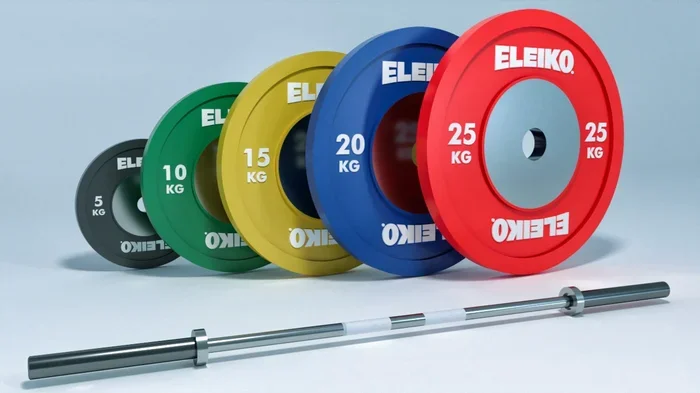
- A standard Olympic barbell (45 pounds or 20 kg)
- Weight plates
- Safety pins or a spotter
- Lifting shoes or flat-soled shoes for stability
You do not need a lot of equipment. A simple setup like this is all it takes to start building serious chest strength at home.
Step-by-Step Barbell Bench Press Form
Proper form is the single most important part of the barbell bench press. Bad form wastes muscle effort and invites injury. Follow these steps carefully every time you train.
Step 1: Lie Down on the Bench
Sit on the edge of the bench and lie back. Position your eyes directly under the barbell. Your feet should be flat on the floor, about shoulder-width apart. Drive your heels into the ground for a stable base.
Your back should have a natural arch, not a flat back or an exaggerated curve. Squeeze your shoulder blades together and pull them down. This creates a solid shelf for the bar to press from.
Step 2: Grip the Bar
Grab the bar with your hands slightly wider than shoulder-width apart. Your grip width depends on your body size. A good starting point is to mark the bar with tape at the spots where your hands feel most comfortable.
Wrap your thumbs around the bar fully. Never use a thumbless or “suicide” grip. This is extremely dangerous, especially when training alone at home.
Step 3: Unrack the Bar
Take a deep breath and brace your core. Press the bar off the rack by straightening your arms. Lock your elbows fully at the top. The bar should be directly over the middle of your foot.
Take a small step back with each foot to clear the rack. You are now in your starting position. Keep your body tight and your eyes on the bar.
Step 4: Lower the Bar to Your Chest
Slowly lower the bar in a controlled motion. Aim for the lower chest, just above your nipples. Keep your elbows at about a 45-degree angle from your torso. Do not let your elbows flare out wide. This protects your shoulder joints.
Touch the bar lightly to your chest. Do not bounce the bar off your body. A controlled touch keeps tension on the muscles and prevents injury.
Step 5: Press the Bar Back Up
Drive the bar up by pushing through your chest and triceps. Keep your feet planted and your back pressed into the bench. Exhale as you press the bar to the starting position.
Lock your arms out at the top without hyperextending your elbows. The bar should travel in a slight arc, landing back over your mid-foot. Repeat for your desired number of reps.
Common Barbell Bench Press Mistakes to Avoid
Even experienced lifters make mistakes on the bench press. These errors slow your progress and increase injury risk. Here are the most common ones and how to fix them.
- Flaring elbows too wide: This puts enormous stress on your shoulder joints. Keep your elbows at about 45 degrees from your body.
- Bouncing the bar off your chest: This is cheating and dangerous. Touch and go reps may look cool but they reduce muscle tension and risk rib injuries.
- Lifting your butt off the bench: Your entire back and glutes must stay in contact with the bench. Lifting your hips shifts the load and wastes effort.
- Feet in the air: Your feet must stay flat on the floor. Lifting your feet reduces your base of support and your ability to generate force.
- Using too much weight too soon: Ego lifting is the number one cause of bench press injuries. Start light and build up gradually.
- Not using a spotter or safety pins: Training alone without safety measures is risky. Always use a squat rack with safety pins set at chest height.
Fixing these mistakes will immediately improve your bench press technique and keep you training for years to come.
Building a Home Bench Press Routine
Now that you know proper form, it is time to put it into a routine. Consistency is the key to building strength. Here is a simple, effective plan you can follow at home.
Beginner Barbell Bench Press Program
If you are new to the bench press, start with lighter weights and focus on form. Here is a sample weekly routine:
- Day 1: 3 sets of 8 reps at a moderate weight
- Day 2: Rest
- Day 3: 3 sets of 8 reps, try to add 5 pounds
- Day 4: Rest
- Day 5: 3 sets of 8 reps, add another 5 pounds if form allows
Rest 2 to 3 minutes between sets. Focus on controlled reps and full range of motion. As you get stronger, you can increase the weight or add more sets.
Progressive Overload Tips for Home Lifters
Progressive overload means gradually increasing the demands on your muscles. Without it, your strength will plateau. Here is how to apply it at home:
- Add 5 pounds to the bar every one to two weeks
- Add one extra rep to each set before increasing weight
- Reduce rest time between sets to increase intensity
- Add a fourth set once you can comfortably complete three sets
Small, consistent increases add up to massive gains over time. Be patient and trust the process.
Safety Tips for Bench Pressing at Home
Training at home without a spotter requires extra caution. The bench press is a safe exercise when done correctly, but it becomes dangerous when shortcuts are taken.
Always use a squat rack with safety pins. Set the pins at chest height so the bar can rest on them if you fail a rep. This simple setup makes solo bench pressing much safer.
If you do not have a squat rack, use a power rack or a bench with a spotter attachment. Never attempt a heavy max-effort rep without a safety mechanism in place. Your life is not worth a personal record.
Warm up properly before every session. Start with 10 to 15 light reps using just the bar. Then gradually add weight over your working sets. Cold muscles and joints are injury-prone muscles.
For those looking to build a bigger chest at home, remember that the bench press is only one piece of the puzzle. Combine it with dumbbell chest exercises and full body home workouts for balanced development. This keeps your training varied and prevents plateaus.
How to Progress Beyond the Basics
Once you have mastered the standard flat bench press, you can explore variations to keep challenging your muscles. Here are some ways to level up your home bench press game.
Incline bench press: Set your bench to a slight incline to target the upper chest. This variation adds a new dimension to your chest development and hits the front shoulders more intensely.
Pause bench press: Pause the bar on your chest for 2 to 3 seconds before pressing up. This eliminates the stretch reflex and builds raw strength out of the bottom position.
Wide grip bench press: A wider grip shifts more emphasis to the chest and less to the triceps. Use this variation occasionally to shock your muscles into growth.
Narrow grip bench press: A closer grip puts more demand on your triceps. This is a great way to build arm strength alongside chest size.
Rotating through these variations every few weeks keeps your workouts fresh and your muscles guessing. It also prevents boredom, which is one of the biggest reasons people quit their home routines.
Nutrition Tips for Bench Press Gains
Lifting heavy is only half the equation. What you eat plays a huge role in building strength and muscle. Without proper nutrition, your bench press will stall no matter how hard you train.
Here are a few simple nutrition tips to support your bench press progress:
- Eat enough protein: Aim for 0.7 to 1 gram of protein per pound of body weight daily. Protein repairs and builds muscle tissue after heavy training.
- Do not skip carbs: Carbohydrates fuel your workouts. Eat rice, oats, or potatoes before training to power through heavy sets.
- Stay hydrated: Drink plenty of water throughout the day. Even mild dehydration hurts your strength and recovery.
- Eat after training: Have a protein-rich meal within an hour of your workout to kickstart recovery.
- Get enough sleep: Muscles grow during rest, not during the workout. Aim for 7 to 9 hours of quality sleep every night.
These nutrition habits support every other part of your training. They help you recover faster, lift heavier, and build a bigger chest over time.
Final Thoughts on the Barbell Bench Press at Home
The barbell bench press is one of the most rewarding exercises you can do at home. It builds a powerful chest, strong shoulders, and impressive triceps. With the right setup, proper form, and consistent effort, you can make remarkable progress without ever stepping foot in a gym.
Start light, focus on your form, and build up gradually. Avoid the common mistakes we covered, use safety equipment, and stay consistent with your routine. The gains will come if you put in the work.
Remember that every strong lifter started somewhere. Your home gym is just as effective as any commercial gym when you train smart and train hard. Now get under the bar and press.
Frequently Asked Questions
Can I do barbell bench press at home without a squat rack?
Yes, but safety is critical. You can use a power rack, a bench with safety pins, or have a trusted partner spot you. Never attempt heavy reps without a safety mechanism. A simple squat rack is one of the best investments for a home gym.
What weight should I start with for barbell bench press at home?
Beginners should start with just the barbell (45 pounds or 20 kg) for the first few sessions. Focus entirely on learning the movement pattern. Once the form feels natural, add small plates (2.5 to 5 pounds) each week.
How often should I bench press at home?
Training the bench press 2 to 3 times per week is ideal for most people. This gives your muscles enough stimulus to grow while allowing adequate recovery time between sessions. Listen to your body and adjust as needed.
Is barbell bench press better than dumbbell bench press?
Both have unique benefits. The barbell bench press allows you to lift heavier and build raw strength. The dumbbell bench press offers a greater range of motion and helps correct muscle imbalances. Using both in your routine gives you the best of both worlds.
Why can’t I bench press as much at home as in the gym?
Several factors contribute to this. Home setups often lack the heavy racks and calibrated weights found in gyms. More importantly, gym environments provide motivation and energy from training around others. Focus on your own progress and trust that your home gains are just as valid.
Should I use a spotter when bench pressing at home?
If you are lifting heavy, a spotter is strongly recommended. If no one is available, use safety pins set at chest height in your squat rack. This allows you to safely fail a rep without injury. Never attempt a max-effort bench press completely alone without safety measures in place.