Calories in Avocado Everything You Need to Know Today
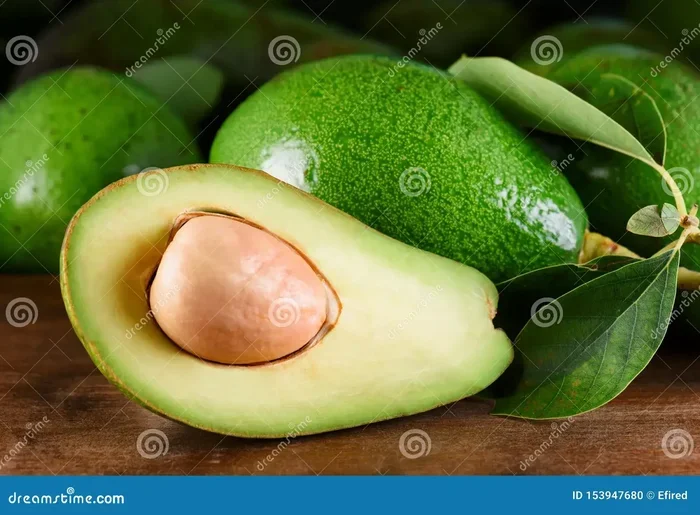
The calories in avocado depend on its size and variety, with a single Hass avocado containing around 240 calories. Avocados are packed with healthy fats, fiber, and essential nutrients that support heart health, weight management, and overall wellness. This guide covers everything from calorie counts and macros to tips for adding avocado to your daily diet.
Key Takeaways
- Calorie Content: A whole Hass avocado has roughly 240 calories, while half an avocado contains about 120 calories.
- Healthy Fats: Avocados are rich in monounsaturated fats that support heart health and help absorb vitamins.
- Fiber Powerhouse: One avocado provides about 10 grams of fiber, which aids digestion and keeps you full longer.
- Versatile Use: Avocados work in salads, smoothies, toast, and even desserts, making them easy to add to any meal.
- Nutrient-Dense: Avocados deliver potassium, vitamin K, vitamin E, and B vitamins in every serving.
- Weight Management: Despite being calorie-dense, avocados can support healthy weight goals when eaten in moderation.
📑 Table of Contents
- Calories in Avocado: A Complete Guide for 2024
- Understanding Calories in Avocado by Size and Type
- Avocado Nutrition Facts and Macros Explained
- Health Benefits of Eating Avocado Regularly
- How to Add Avocado to Your Diet Without Overdoing Calories
- Calories in Avocado Compared to Other Foods
- Common Mistakes People Make with Avocado
- Expert Insights on Avocado and Your Diet
- Key Takeaways
- Conclusion
Calories in Avocado: A Complete Guide for 2024
Avocados have become one of the most popular fruits on the planet. And it is easy to see why. They are creamy, delicious, and packed with nutrients that your body loves. But one question keeps coming up again and again. How many calories in avocado are we really talking about?
The answer depends on the size of the avocado and how you eat it. A whole Hass avocado typically has around 240 calories. Half an avocado comes in at about 120 calories. But there is so much more to know about avocado calorie count than just a single number. This guide breaks it all down for you.
Whether you are watching your weight, trying to eat healthier, or just curious about what makes avocados so special, you are in the right place. We will cover everything from avocado nutrition facts to practical tips for adding this superfood to your meals. Let us dive in.
Understanding Calories in Avocado by Size and Type
Not all avocados are the same size. And size matters a lot when you are counting calories. The most common type you will find in grocery stores is the Hass avocado. It has a dark, bumpy skin and a rich, buttery flesh. But there are other varieties too, like Florida avocados, which are larger and contain more water.
Calories in a Whole Hass Avocado
A standard Hass avocado weighs about 150 grams when you remove the pit and skin. The calories in avocado of this size break down like this:
- Total Calories: Approximately 240
- Fat: Around 22 grams
- Carbohydrates: About 12 grams
- Protein: Roughly 3 grams
- Fiber: About 10 grams
That might sound like a lot of calories for one fruit. But here is the key. Most of those calories come from healthy monounsaturated fats. These are the good fats that help lower bad cholesterol and support brain function. So do not be afraid of the calorie count. Avocados are nutrient-dense, which means they pack a lot of nutrition into every calorie.
Calories in Half an Avocado
Many recipes call for half an avocado. And that is the most common serving size people eat at one time. Half a Hass avocado has roughly 120 calories. It also gives you about 11 grams of fat, 6 grams of carbs, and 5 grams of fiber. This is a perfect portion for spreading on toast or adding to a salad.
Calories in a Quarter Avocado
If you are being more careful with your portions, a quarter of an avocado has about 60 calories. This is a great starting point if you are new to eating avocados or watching your daily calorie intake closely.
Florida Avocado vs. Hass Avocado
Florida avocados are bigger and have greener skin. They also contain more water and less fat than Hass avocados. Because of this, calories in Florida avocado are a bit lower per ounce. A whole Florida avocado can weigh up to 300 grams, but its calorie density is less than a Hass avocado. Here is a quick comparison:
- Hass Avocado (150g): 240 calories, 22g fat
- Florida Avocado (300g whole): Around 220-250 calories, less fat per gram
Both types are healthy choices. The Hass avocado is more popular and has a richer flavor. The Florida avocado is lighter and has a milder taste.
Avocado Nutrition Facts and Macros Explained
Now let us look at what makes up those calories in avocado. Understanding the macros helps you see why avocados are so good for you.
Healthy Fats
Avocados are famous for their fat content. And that is a good thing. About 77% of the calories in avocado come from fat. But this is not the kind of fat you want to avoid. Avocados are loaded with monounsaturated fatty acids, especially oleic acid. This is the same healthy fat found in olive oil. Studies show that oleic acid helps reduce inflammation and supports heart health.
A single avocado provides about 22 grams of total fat. Of that, about 14 grams are monounsaturated fats. Only about 3 grams are saturated fat. The rest is polyunsaturated fat. This fat profile makes avocados one of the best sources of healthy dietary fats you can find.
Fiber Content
One of the standout avocado nutrition facts is its fiber content. A whole avocado has around 10 grams of fiber. That is about one-third of the daily recommended intake for most adults. Fiber helps with digestion, keeps blood sugar stable, and makes you feel full after eating. This is why avocados are so satisfying despite their calorie density.
Vitamins and Minerals
Avocados are not just about fats and fiber. They also deliver a wide range of vitamins and minerals:
- Potassium: More than a banana, gram for gram
- Vitamin K: Important for blood clotting and bone health
- Vitamin E: A powerful antioxidant
- Vitamin C: Supports immune function
- B Vitamins: Help with energy production
These nutrients work together to support your overall health. That is why nutritionists often call avocados a superfood.
Health Benefits of Eating Avocado Regularly
Knowing the calories in avocado is one thing. Understanding what those calories do for your body is another. Let us look at the real health benefits of adding avocado to your diet.
Supports Heart Health
The healthy fats in avocados help lower LDL cholesterol (the bad kind) and raise HDL cholesterol (the good kind). Potassium in avocados also helps regulate blood pressure. Together, these effects reduce the risk of heart disease over time.
Aids in Weight Management
Wait, does not eating a high-calorie food make weight loss harder? Not always. Avocados are rich in fiber and healthy fats, both of which promote satiety. When you feel full, you are less likely to snack on unhealthy foods later. Research shows that people who eat avocados regularly tend to have lower body weight and a smaller waist circumference compared to those who do not.
Improves Nutrient Absorption
Some nutrients are fat-soluble, meaning your body needs fat to absorb them. Vitamins A, D, E, and K all fall into this category. Adding avocado to a salad or vegetable dish can significantly boost how many nutrients your body actually takes in. This makes avocado a smart addition to any meal.
Supports Skin and Hair Health
The vitamin E and healthy fats in avocados nourish your skin from the inside out. They help keep skin elastic and hydrated. Biotin, a B vitamin found in avocados, also supports healthy hair and nails.
How to Add Avocado to Your Diet Without Overdoing Calories
Avocados are delicious, but they are also calorie-dense. So how do you enjoy them without going overboard? Here are some practical tips.
Watch Your Portions
The easiest way to manage calories in avocado is to control your portions. Instead of eating a whole avocado at once, try using a quarter or half. A quarter avocado on toast or in a wrap is a perfect serving. You get the flavor and nutrition without consuming too many calories at once.
Use Avocado as a Topping
Rather than making avocado the main event, use it as a topping. Add a few slices to a salad, a bowl of soup, or a grain bowl. This way, you get the healthy fats and creamy texture without eating a large portion.
Swap Unhealthy Fats with Avocado
One of the best ways to use avocado is to replace less healthy fats. Instead of butter on your toast, use mashed avocado. Instead of sour cream on your baked potato, try avocado slices. This swap reduces saturated fat and adds valuable nutrients.
Blend It into Smoothies
Adding a quarter of an avocado to a smoothie creates a creamy texture without the need for ice cream or yogurt. It also adds healthy fats that keep you energized longer. This is a great option for a quick breakfast or post-workout snack.
Prepare Avocado-Based Dressings
Blend avocado with lime juice, garlic, and a little water to make a healthy salad dressing. It is simple, delicious, and gives your salad a nutrition boost. You control the ingredients, so you know exactly how many calories in avocado you are adding.
Quick Tips for Avocado Lovers
- Store ripe avocados in the fridge to slow down further ripening.
- Squeeze lemon or lime juice on cut avocado to prevent browning.
- Check for ripeness by gently pressing the skin. It should give slightly.
- Remove the pit and brush the flesh with water if storing half an avocado.
- Freeze mashed avocado for up to six months for use in smoothies and recipes.
Calories in Avocado Compared to Other Foods
It is always helpful to put calories in avocado into context. How does avocado compare to other common foods? Here is a simple comparison:
- Half an avocado: About 120 calories
- One tablespoon of butter: About 100 calories
- One medium banana: About 105 calories
- One slice of whole wheat bread: About 70 calories
- One ounce of almonds: About 160 calories
As you can see, avocados are comparable in calories to nuts and butter. But unlike butter, avocados bring a ton of fiber, vitamins, and healthy fats to the table. They are a far better choice for most people looking to eat a balanced diet.
If you are tracking your exercise and calorie burn alongside your food intake, knowing how much movement it takes to offset your meals can be helpful. For example, a 30-minute treadmill session can help you burn off the calories from half an avocado. Similarly, an hour of jump rope or 30 minutes on a stationary bike can also help you balance out your calorie intake from a hearty serving of avocado.
Common Mistakes People Make with Avocado
Avocados are healthy, but there are some common mistakes that can turn a nutritious choice into a calorie trap. Here is what to watch out for.
Eating Too Much at Once
It is easy to eat half an avocado or more without thinking. But over time, those extra servings add up. A whole avocado has 240 calories, and eating two in one sitting means you have consumed nearly 500 calories from a single food item. Be mindful of portion sizes, especially when dining out. Restaurant dishes often pack in more avocado than you realize.
Pairing Avocado with High-Calorie Foods
Avocado on toast is a classic. But if your toast is slathered in butter or cheese, the calories can climb quickly. The same goes for avocado-based sauces and dressings that contain added sugars or oils. Keep an eye on what you pair your avocado with to stay on track with your goals.
Assuming All Avocados Are the Same
As we covered earlier, different avocado varieties have different calorie counts and fat profiles. Do not assume every avocado you pick up has the same calorie content. Check the size and variety to get an accurate picture.
Expert Insights on Avocado and Your Diet
Nutrition experts agree that avocados are one of the most nutrient-dense foods available. According to dietitians, the key is moderation and balance. A serving of avocado fits well into most dietary plans, whether you are following a Mediterranean diet, a low-carb plan, or simply trying to eat cleaner.
The healthy fats in avocado support brain function, reduce inflammation, and help your body absorb essential vitamins. Fiber from avocado feeds beneficial gut bacteria, which plays a role in digestion and overall immune health. With so many benefits packed into one fruit, it is no wonder avocados have earned their superfood status.
If you are counting calories, tracking your intake of calories in avocado alongside your exercise routine can give you a complete picture of your daily energy balance. Understanding both sides of the equation, what you eat and what you burn, helps you make informed choices every day.
Key Takeaways
- Calorie Content: A whole Hass avocado has roughly 240 calories, while half an avocado contains about 120 calories.
- Healthy Fats: Avocados are rich in monounsaturated fats that support heart health and help absorb vitamins.
- Fiber Powerhouse: One avocado provides about 10 grams of fiber, which aids digestion and keeps you full longer.
- Versatile Use: Avocados work in salads, smoothies, toast, and even desserts, making them easy to add to any meal.
- Nutrient-Dense: Avocados deliver potassium, vitamin K, vitamin E, and B vitamins in every serving.
- Weight Management: Despite being calorie-dense, avocados can support healthy weight goals when eaten in moderation.
Conclusion
The calories in avocado are worth every single one. This fruit delivers healthy fats, fiber, and a wide range of vitamins and minerals that support your body in countless ways. Whether you eat half an avocado on toast or add chunks to your salad, you are giving your body quality nutrition.
Remember, the key is balance. Enjoy avocado as part of a varied diet, watch your portions, and pair it with other whole foods. Do not let the calorie count scare you away. Avocados are one of the most nutritious foods you can eat, and they taste amazing too.
Start small if you are new to avocados. Add a quarter to your next meal and see how you feel. Once you discover how versatile and satisfying this fruit is, you will wonder how you ever lived without it. Your body will thank you.
Frequently Asked Questions
How many calories are in a whole avocado?
A whole Hass avocado contains approximately 240 calories. The exact number depends on the size and variety. Florida avocados may have slightly different calorie counts due to their higher water content and larger size.
Is avocado good for weight loss despite its calories?
Yes, avocados can support weight loss. Their high fiber and healthy fat content promote fullness, which helps you eat less overall. The key is to eat avocado in moderation and pair it with a balanced diet and regular physical activity.
How many calories are in half an avocado?
Half of a standard Hass avocado has about 120 calories. This is a common serving size that works well for toast, salads, and smoothies. It provides a good balance of healthy fats and fiber without overloading your calorie intake.
Are avocado calories from fat bad for you?
No, the fat in avocados is not bad for you. The majority of fat in avocado is monounsaturated, which is the heart-healthy kind. This type of fat helps lower bad cholesterol and supports brain and body function.
How do avocado calories compare to other fruits?
Avocados are higher in calories than most fruits because of their fat content. A banana has about 105 calories, while half an avocado has 120 calories. However, avocado calories come with more healthy fats and fiber, making them more filling and nutritious than many other fruits.
Can I eat avocado every day and still stay healthy?
Yes, eating avocado every day is healthy for most people when consumed in appropriate portions. A quarter to half an avocado per day is a good range. It provides essential nutrients without excessive calorie intake, especially when balanced with other whole foods and an active lifestyle.