The Ultimate Guide on How to Cook a Ham in the Oven
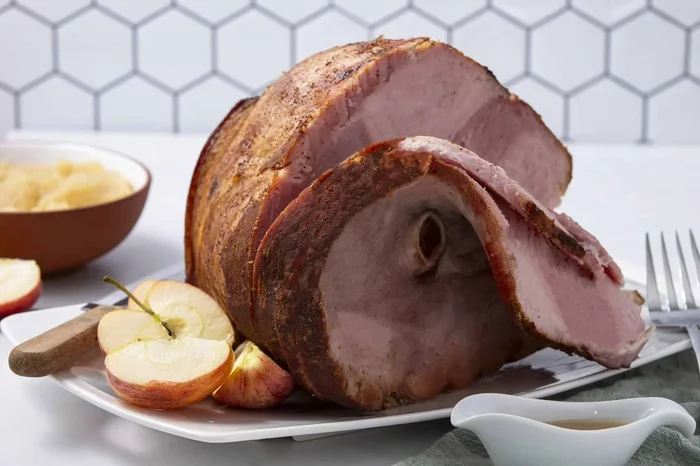
Cooking a ham in the oven is easier than you think. This guide walks you through every step, from choosing the right ham to pulling it out perfectly cooked. You will learn temperature settings, glaze recipes, and timing tips that guarantee great results.
There is nothing quite like a perfectly baked ham filling the kitchen with a warm, savory aroma. Whether you are preparing for a holiday dinner or a weekend family meal, how to cook a ham in the oven is a skill worth mastering. This guide covers everything you need to know, from picking out the right ham at the store to pulling it out of the oven with a gorgeous glaze on top.
Cooking ham in the oven might seem intimidating at first. But with the right temperature, timing, and a little patience, anyone can do it. In this article, we break down every step in simple terms. You will learn about different ham types, the best baking temperatures, how to make a delicious glaze, and common mistakes to avoid. By the end, you will feel confident enough to make oven baked ham like a pro.
Let us start with the basics. A ham is a cut of pork from the hind leg of a pig. It can be sold bone-in, semi-boneless, or fully cooked. Most store-bought hams come pre-cooked, which means you just need to heat them through. This makes baking a ham much easier than cooking raw pork from scratch. The real magic happens in the oven, where the heat slowly tenderizes the meat and brings out its rich flavor.
Key Takeaways
- Choose the right ham: Spiral hams and whole bone-in hams each have unique cooking needs.
- Temperature matters: Bake at 325°F for even, juicy results every time.
- Glazing is key: A simple brown sugar glaze adds flavor and a beautiful caramelized finish.
- Rest the ham: Letting it rest for 15 minutes keeps the juices locked in.
- Use a meat thermometer: Always check that the internal temperature reaches 145°F for safety.
- Prep ahead: Scoring and soaking the ham before baking improves taste and texture.
📑 Table of Contents
Choosing the Right Ham for Your Oven Recipe
Before you turn on the oven, you need to pick the right ham. Not all hams are the same, and choosing the wrong one can affect your cooking time and results. Here are the most common types you will find at the grocery store.
Spiral Ham
A spiral ham is pre-sliced and sold in a spiral cut pattern. It is very popular for holiday meals because it is easy to serve. The slices are already separated, so you just pop it in the oven and heat it up. Spiral hams usually come fully cooked, so your job is mainly to warm them and add a glaze.
Whole Bone-In Ham
A whole bone-in ham is the classic choice for a big family gathering. It looks impressive on the table and tends to be juicier because the bone keeps the meat moist during cooking. These hams may need a longer baking time, but the flavor is worth it.
Semi-Boneless Ham
A semi-boneless ham has the bone removed but still has some bone fragments for flavor. It is easier to carve than a whole bone-in ham and still delivers great taste. It is a good middle-ground option for most home cooks.
Smoked vs. Unsmoked Ham
Smoked hams come with a deeper, richer flavor already built in. They need less seasoning because the smoke does a lot of the work. Unsmoked hams are more mild in taste, which makes them a great canvas for your own glaze and seasoning choices. Both types work well in the oven.
How to Prep Your Ham Before Baking
Proper prep work makes a big difference in the final result. Do not skip these simple steps before your ham goes into the oven.
Remove the Ham from the Packaging
Take the ham out of its packaging and discard any liquid or broth it came in. Rinse the ham under cold water and pat it dry with paper towels. This removes excess salt and prepares the surface for your glaze.
Score the Ham
Scoring means cutting shallow diamond shapes into the surface of the ham. Use a sharp knife and cut about a quarter inch deep. Scoring helps the glaze sink into the meat and creates those beautiful caramelized edges everyone loves. It also allows heat to reach the inside more evenly during baking.
Soak If Needed
If your ham is very salty, you can soak it in water overnight in the refrigerator. This draws out some of the excess salt and makes the ham more enjoyable to eat. Not all hams need this step, but it is worth trying if you have ever found a ham too salty after baking.
Apply the Glaze Early
Some recipes suggest applying the glaze right before the ham goes in the oven. Others recommend applying it halfway through. For the best results, apply a thin layer of glaze before baking and add more during the last 30 minutes. This builds up layers of flavor and creates a sticky, sweet crust.
The Best Oven Temperature and Cooking Time
Getting the temperature right is the most important part of how to cook a ham in the oven. Too hot and the outside burns before the inside is warm. Too low and the ham dries out.
Recommended Temperature
The ideal oven temperature for baking ham is 325°F (165°C). This moderate heat allows the ham to cook evenly without drying out the edges. Preheat your oven before placing the ham inside so the cooking process starts immediately.
General Cooking Time Guidelines
Cooking time depends on the size of your ham. Here is a simple breakdown:
- Small ham (under 5 lbs): About 10 to 12 minutes per pound.
- Medium ham (5 to 8 lbs): About 18 to 20 minutes per pound.
- Large ham (over 8 lbs): About 20 to 25 minutes per pound.
These times are for fully cooked hams that you are simply reheating. If you are cooking a raw ham, you will need to increase the time and ensure the internal temperature reaches 145°F. Always use a meat thermometer to check.
How to Use a Meat Thermometer
A meat thermometer is your best friend when baking ham. Insert it into the thickest part of the ham, avoiding the bone if there is one. The reading should hit 145°F for a safe and juicy result. Let the ham rest for about 15 minutes after removing it from the oven. The temperature will continue to rise slightly during resting, which is called carryover cooking.
How to Make the Perfect Ham Glaze
The glaze is what turns a good ham into a great ham. It adds sweetness, a little tang, and a beautiful glossy finish. You can keep it simple or get creative with your ingredients.
Classic Brown Sugar Glaze
This is the most popular glaze for oven baked ham. You will need brown sugar, mustard, and a splash of pineapple juice. Mix them together in a bowl until smooth. Spread it over the ham during the last 30 minutes of baking. The sugar caramelizes in the heat and creates a sticky, delicious crust.
Honey Mustard Glaze
If you prefer a sweeter profile, try a honey mustard glaze. Combine honey, Dijon mustard, and a pinch of cinnamon. This glaze adds a warm, slightly spicy sweetness that pairs wonderfully with pork. Apply it in the last 20 minutes of baking for the best results.
Maple Bourbon Glaze
For a more sophisticated flavor, a maple bourbon glaze is hard to beat. Mix pure maple syrup with a splash of bourbon, a dash of black pepper, and a touch of apple cider vinegar. This glaze works especially well with smoked hams because it complements the smoky flavor.
Quick Tips for Glazing
- Apply glaze in thin layers for a deeper, more even coating.
- Baste the ham with the glaze juices every 10 minutes for extra flavor.
- Do not apply glaze too early, or the sugar will burn before the ham is done.
- Save some glaze to drizzle over sliced ham when serving.
Common Mistakes to Avoid When Baking Ham
Even experienced cooks make mistakes when baking ham. Here are the most common ones and how to avoid them.
Skipping the Rest Time
Never skip letting the ham rest after it comes out of the oven. Cutting into it too early releases all the juices, and the meat becomes dry. Give it at least 15 minutes to rest before slicing.
Overcooking the Ham
Overcooking is the number one enemy of a juicy ham. Check the internal temperature frequently, especially during the last 30 minutes. Once it reaches 145°F, pull it out and let it rest.
Using Too Much Glaze Too Early
Applying a thick layer of glaze at the start of baking causes the sugar to burn and turn bitter. Always apply glaze in the final 20 to 30 minutes of cooking.
Forgetting to Score the Ham
Skipping the scoring step means the glaze sits on top instead of soaking into the meat. The ham also cooks less evenly without scoring. Take the extra five minutes to make those diamond cuts.
Serving and Storing Your Baked Ham
Once your ham is out of the oven and resting, it is time to think about serving and storage.
How to Carve a Ham
For a bone-in ham, start by slicing along the bone to release the whole side. Then cut thin slices across the grain for the most tender pieces. For spiral hams, simply follow the pre-made cuts and serve each slice as is.
Storing Leftovers
Wrap leftover ham tightly in plastic wrap or aluminum foil and store it in the refrigerator. It will keep for up to five days. You can also freeze ham for up to three months. Reheat individual slices in the microwave or oven until warmed through.
Creative Ways to Use Leftover Ham
- Add diced ham to scrambled eggs for a protein-packed breakfast.
- Make ham sandwiches with your favorite cheese and condiments.
- Toss ham pieces into a pasta dish with cream sauce and peas.
- Use ham in a breakfast strata or casserole for the next morning.
Cooking a ham in the oven is one of the most satisfying things you can do in the kitchen. It fills your home with an irresistible aroma and produces a centerpiece dish that everyone will love. With the right ham, the proper temperature, a great glaze, and a little patience, you will serve up a meal that gets rave reviews every time.
Remember to always use a meat thermometer, let the ham rest before slicing, and never rush the glazing process. These small steps make a huge difference in the final product. Whether you are a beginner or a seasoned cook, this guide gives you everything you need for a perfect oven baked ham. So preheat that oven, grab your favorite glaze, and get ready to impress your family and guests with a showstopping ham dinner.
Now that you know how to cook a ham in the oven from start to finish, you can tackle any ham recipe with confidence. The process is straightforward, the results are delicious, and the leftovers are just as good the next day. Happy cooking.
Frequently Asked Questions
What temperature should I cook a ham in the oven?
The recommended temperature is 325°F (165°C). This moderate heat cooks the ham evenly and keeps it juicy. Always preheat your oven before placing the ham inside.
How long does it take to cook a ham in the oven?
Cooking time depends on the size of the ham. A general rule is about 18 to 20 minutes per pound for a fully cooked ham. Always use a meat thermometer to check that the internal temperature reaches 145°F.
Do I need to cover the ham with foil while baking?
It is a good idea to cover the ham with foil for the first half of baking. This keeps the moisture locked in. Remove the foil during the last 30 minutes so the glaze can caramelize properly.
Can I cook a frozen ham in the oven?
Yes, you can cook a frozen ham, but it will take significantly longer. Plan for about 50% more cooking time than a thawed ham. For best results, thaw the ham in the refrigerator overnight before cooking.
What is the best glaze for a ham?
The classic brown sugar glaze is the most popular choice. It is simple to make and pairs perfectly with ham. You can also try honey mustard or maple bourbon glazes for different flavor profiles.
How do I know when the ham is done?
Use a meat thermometer inserted into the thickest part of the ham. The internal temperature should read 145°F. Let the ham rest for 15 minutes after removing it from the oven, and the temperature will rise slightly.