Baked Potatoes in Oven 400 Degrees
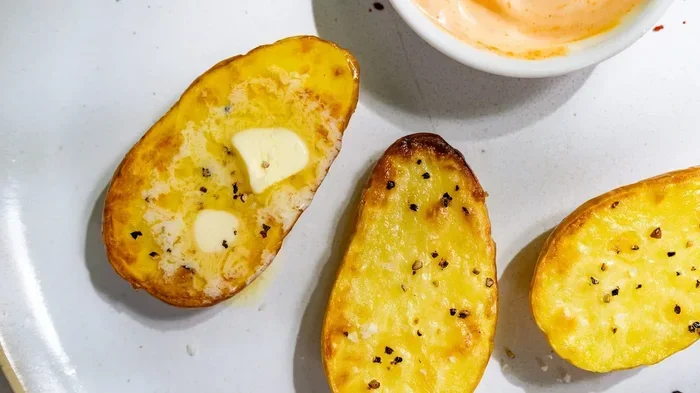
Baked potatoes in oven 400 degrees deliver crispy golden skins and fluffy, tender interiors with minimal effort. This guide covers everything from prep and seasoning to timing and serving suggestions. You’ll learn the exact temperature, baking time, and tips for oven-baked potatoes that taste restaurant-quality.
There’s something deeply satisfying about pulling a hot, crispy baked potato out of the oven. The golden skin crackles, the inside is fluffy and white, and you know you’ve got a delicious side dish ready to go. Baked potatoes in oven 400 degrees are one of the simplest recipes you can master. Yet so many people either burn them, undercook them, or end up with soggy skin. This guide fixes all of that.
You’ll learn the exact temperature, timing, and techniques that turn a plain potato into a meal-worthy side dish. Whether you’re cooking for one or feeding a family, this method works every time. Let’s get into it.
Key Takeaways
- 400°F is the sweet spot: This temperature creates the perfect balance of crispy skin and fluffy interior.
- Baking time ranges from 45 to 60 minutes: Size and prep method affect the exact timing.
- Russet potatoes work best: Their thick skin and high starch content make them ideal for baking.
- Skip the foil for crispier skin: Baking without foil lets moisture escape and creates a crunchier exterior.
- Season simply for the best results: Olive oil, salt, and pepper are all you need for classic flavor.
- Let potatoes rest after baking: A few minutes of resting helps the inside become fluffy and light.
📑 Table of Contents
- Why 400 Degrees Is the Ideal Temperature for Baked Potatoes
- How Long to Bake Potatoes at 400 Degrees
- Step-by-Step Guide to Baking Potatoes at 400 Degrees
- Best Potato Varieties for Baking
- Tips for Crispy Skin and Perfect Texture
- Common Mistakes and How to Avoid Them
- Serving Ideas and Delicious Variations
- Conclusion
Why 400 Degrees Is the Ideal Temperature for Baked Potatoes
Temperature is the single most important factor when baking potatoes. Too low and you end up with a hard, undercooked center. Too high and the outside burns before the inside is done. So why does 400 degrees work so well?
At 400°F, the heat is high enough to crisp up the skin quickly. At the same time, it’s low enough to allow the inside to cook through evenly. This balance is what makes oven baked potatoes turn out perfect every time.
The Science Behind 400°F Baking
When you bake a potato at 400 degrees, the starch inside the potato begins to gelatinize. This process turns the hard, raw starch into a soft, fluffy texture. The Maillard reaction also kicks in at this temperature, which is responsible for that beautiful golden-brown color on the skin.
The Maillard reaction happens when amino acids and sugars in the potato react to heat. This creates complex flavors and that irresistible crispy exterior. Lower temperatures don’t trigger this reaction as effectively. Higher temperatures can burn the skin before the inside is fully cooked.
What Happens at This Temperature
At 400 degrees Fahrenheit, here’s what occurs step by step:
- The skin dries out and begins to crisp up within the first 20 minutes.
- Heat penetrates slowly and evenly into the potato’s core.
- The starches convert to a soft, fluffy texture over 45 to 60 minutes.
- The natural sugars in the potato caramelize, adding a subtle sweetness.
This process takes time, but it’s worth the wait. Baked potatoes in oven 400 degrees consistently deliver that perfect crispy-outside, fluffy-inside texture.
How Long to Bake Potatoes at 400 Degrees
Timing depends on a few factors, but for most medium-sized potatoes, you’re looking at about 45 to 60 minutes. Let’s break this down so you can plan your cooking with confidence.
Standard Baking Time
For a standard russet potato weighing about 6 to 8 ounces, 45 to 55 minutes at 400 degrees is the sweet spot. If your potatoes are larger, add 10 to 15 minutes. Smaller potatoes may be done in as little as 35 minutes.
Here’s a simple reference for timing based on size:
- Small potatoes (4-5 oz): 35 to 40 minutes
- Medium potatoes (6-8 oz): 45 to 55 minutes
- Large potatoes (9-12 oz): 55 to 65 minutes
- Extra-large potatoes (12+ oz): 60 to 70 minutes
Factors That Affect Cooking Time
Several things can change how long your potatoes need in the oven:
- Potato size: Bigger potatoes take longer. Always choose similar-sized potatoes if you’re baking a batch.
- Starting temperature: Potatoes straight from the fridge take longer than room-temperature ones.
- Oven accuracy: Some ovens run hot or cold. An oven thermometer can help you get it right.
- Foil wrapping: Wrapping in foil traps steam and can add a few minutes to the bake time.
The best way to know if your baked potatoes in oven 400 degrees are done is to use a fork. Pierce the center of the potato. If it slides in smoothly with no resistance, your potato is ready.
Step-by-Step Guide to Baking Potatoes at 400 Degrees
Now that you know the temperature and timing, let’s walk through the full process. This method is simple enough for beginners but produces results that rival any restaurant.
Preparing the Potatoes
Start by washing your potatoes thoroughly. Use cold water and a vegetable brush to remove any dirt from the skin. Pat them completely dry with a clean towel. Moisture on the surface can prevent the skin from crisping up.
Next, trim off any eyes or dark spots. You don’t need to peel the potato — the skin adds flavor and texture during baking. Some people like to poke holes in the skin with a fork. This helps steam escape and prevents the potato from bursting in the oven.
Seasoning and Oil
Lightly coat each potato with olive oil. This helps the salt stick to the surface and promotes crispy skin. Use about a teaspoon of oil per potato and rub it evenly over the entire surface.
For seasoning, keep it classic:
- Coarse sea salt or kosher salt
- Freshly cracked black pepper
- A sprinkle of garlic powder (optional)
- A dash of paprika for color (optional)
Place the seasoned potatoes directly on the oven rack. This allows air to circulate all around the potato, which is key for even cooking and crispy skin.
The Baking Process
Preheat your oven to 400 degrees before you put the potatoes in. This ensures the oven is at the right temperature from the start. Place the potatoes on the middle rack for the most even heat distribution.
Set a timer for 45 minutes. At the 45-minute mark, check the potatoes by gently squeezing them. If they give slightly under pressure, they’re close to done. For extra certainty, use a meat thermometer. The internal temperature should reach 210°F for a perfectly fluffy baked potato.
Once done, remove the potatoes and let them rest for 5 minutes. This brief rest allows the inside to settle and become light and fluffy. Serve immediately with your favorite toppings.
Best Potato Varieties for Baking
Not all potatoes are created equal when it comes to baking. The variety you choose affects the texture, flavor, and skin quality of your finished dish.
Russet Potatoes
Russet potatoes are the gold standard for baking. They have thick, rough skin that becomes beautifully crispy in the oven. Inside, they have a high starch content that turns fluffy and mealy when baked. This is exactly the texture you want in a perfect baked potato.
If you’ve ever had a baked potato at a restaurant that was light and airy inside with a shatteringly crisp skin, it was almost certainly a russet. Look for russets that are firm, heavy for their size, and free of sprouts or green spots.
Yukon Gold and Other Options
Yukon Gold potatoes are a great alternative. They have a buttery, creamy texture that’s slightly denser than russets. Their thin, golden skin doesn’t get as crispy, but many people prefer the flavor and mouthfeel.
Red potatoes and fingerlings can also be baked at 400 degrees, but they behave differently. They hold their shape better and have a waxy texture. They’re better for salads than for the classic fluffy baked potato. If you want crispy skin and a fluffy interior, stick with russets or Yukon Golds.
Tips for Crispy Skin and Perfect Texture
The difference between a good baked potato and a great one often comes down to the skin and the interior texture. Here are some proven tips to elevate your results.
The Foil Debate
You’ve probably heard conflicting advice about wrapping potatoes in foil. Here’s the truth: foil traps steam and creates a boiled-like effect. This softens the skin and prevents it from becoming crispy.
If you want crispy skin — and most people do — skip the foil. Place your potatoes directly on the oven rack or on a parchment-lined baking sheet. The dry heat of the oven will do the work for you.
Achieving the Crispiest Skin
For the crispiest possible skin, try these extra steps:
- Soak your potatoes in cold water for 30 minutes before baking. This removes excess surface starch.
- Dry them thoroughly after soaking. Any remaining moisture will steam the skin.
- Rub the skin with a thin layer of oil and coarse salt before baking.
- Bake on the upper third of the oven for maximum top-down heat.
These small extra steps make a noticeable difference. Your oven baked potatoes will have skin that crackles when you break through it.
Common Mistakes and How to Avoid Them
Even experienced cooks make mistakes when baking potatoes. Here are the most common ones and how to fix them.
Skipping the poke: Not poking holes in the potato can cause it to burst in the oven. Use a fork and make 4 to 5 deep punctures on each side.
Using the wrong potato: Waxy potatoes like red or new potatoes don’t bake well. They stay dense and won’t fluff up. Always choose high-starch varieties for baking.
Overcrowding the pan: Give each potato space. Crowding blocks airflow and leads to uneven cooking. If you’re baking many potatoes, use multiple racks.
Cutting too early: Resist the urge to cut into the potato right away. Let it rest for 5 minutes after removing it from the oven. This allows the inside to finish setting.
Forgetting to preheat: Putting potatoes in a cold oven throws off the timing and can result in uneven cooking. Always preheat to 400 degrees first.
Serving Ideas and Delicious Variations
Once you’ve mastered the basic baked potatoes in oven 400 degrees method, it’s time to get creative with toppings and serving styles.
Classic toppings never go wrong:
- Butter, sour cream, and shredded cheddar cheese
- Chives, bacon bits, and a drizzle of olive oil
- Steak chunks, mushrooms, and gravy
- Broccoli, cheese sauce, and a sprinkle of breadcrumbs
For a healthier twist, try Greek yogurt instead of sour cream, fresh herbs, and a sprinkle of nutritional yeast. Baked potatoes in oven 400 degrees pair well with grilled meats, salads, and roasted vegetables. They also make excellent meal prep leftovers. Reheat them in the oven or microwave and they taste almost as good as fresh.
Just like choosing the right equipment matters in any pursuit, selecting the right potato and oven settings makes all the difference. When it comes to kitchen appliances, the same principles apply as when you research what to look for in a good treadmill: check the build quality, read reviews, and compare features before making your choice.
When sourcing quality ingredients, think about where you shop. Many home cooks also look for where can you buy a treadmill in store when upgrading their fitness setup, and the same retailers often carry premium produce and kitchen essentials. Similarly, finding where to buy a treadmill in my area led many fitness enthusiasts to stores that also stock high-quality baking potatoes and fresh ingredients for wholesome home cooking.
Conclusion
Baked potatoes in oven 400 degrees are one of the easiest and most rewarding recipes you can make. With the right temperature, timing, and a few simple techniques, you’ll get crispy skin and fluffy interiors every single time. Remember to choose the right potato variety, skip the foil for better texture, and let your potatoes rest after baking.
This method works for weeknight dinners, holiday sides, or simple meals any night of the week. Once you nail the basics, you can experiment with toppings and variations to keep things interesting. Now that you have this guide, you’re ready to bake potatoes like a pro. Preheat that oven to 400 degrees, grab some russets, and enjoy the process.
Frequently Asked Questions
Can I bake potatoes at 350 degrees instead of 400?
Yes, you can bake potatoes at 350 degrees, but it will take longer — typically 60 to 75 minutes. The lower temperature produces less crispy skin and a slightly denser interior. For the best results with crispy skin and fluffy centers, 400 degrees is the recommended temperature.
Should I wrap baked potatoes in foil?
No, wrapping potatoes in foil traps steam and prevents the skin from crisping. For the best texture, bake potatoes directly on the oven rack without foil. This allows hot air to circulate evenly and creates that satisfying crispy exterior.
How do I know when a baked potato is done?
A baked potato is done when a fork slides easily into the center with no resistance. You can also squeeze the potato gently — it should give slightly. For precision, use a meat thermometer; the internal temperature should reach 210°F.
Can I bake potatoes ahead of time?
Yes, you can bake potatoes ahead of time and reheat them later. Bake them fully, let them cool, and store in the refrigerator for up to 5 days. Reheat in the oven at 350 degrees or in the microwave until heated through. The texture won’t be quite as perfect as fresh, but they still taste great.
What is the best oil to use for crispy potato skin?
Olive oil is the best choice for crispy potato skin. It has a high smoke point and creates a thin, even coating that promotes browning and crisping. You can also use avocado oil or vegetable oil as alternatives. Avoid using too much oil — a light coating is all you need.
Can I bake potatoes on a baking sheet instead of the oven rack?
Yes, you can bake potatoes on a parchment-lined baking sheet. However, placing them directly on the oven rack allows better air circulation, which results in crispier skin on all sides. If you use a baking sheet, flip the potatoes halfway through for more even browning.