How to Cook a 4 Pound Chateaubriand Roast at Home Tonight
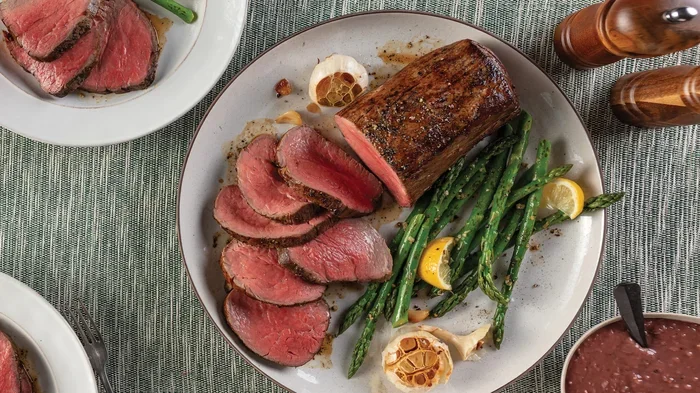
Cooking a 4 pound chateaubriand roast at home is easier than you think. This guide walks you through every step, from searing to oven roasting, so you can serve a restaurant-quality beef tenderloin dinner tonight. You will learn the right temperature, timing, and carving techniques for a juicy, flavorful chateaubriand.
There is something magical about cooking a big beef roast at home. The kitchen fills with a warm, savory aroma. The family gathers in the kitchen. And you feel like a real chef. A 4 pound chateaubriand roast is one of the most impressive cuts you can prepare. It looks elegant, tastes incredible, and yet it is surprisingly simple to make.
Whether you are cooking for a special occasion or just want a weeknight dinner that feels fancy, this guide has you covered. We will go through everything you need to know. From picking the right cut to hitting the perfect chateaubriand temperature, you will find clear steps that work every time. No fancy equipment needed. No culinary degree required. Just a good roast, a hot pan, and a reliable oven.
Key Takeaways
- A chateaubriand roast comes from the beef tenderloin and is known for its tenderness and rich flavor.
- Searing the roast first locks in juices and creates a beautiful crust.
- Cook at 425°F for about 25 to 30 minutes for a perfect medium-rare result.
- Use a meat thermometer to hit the exact internal temperature you want.
- Let the roast rest for 15 minutes before carving to keep it juicy.
- Pair with herb butter, red wine sauce, or horseradish cream for a restaurant-style finish.
- Resting and slicing against the grain are the keys to the best texture.
📑 Table of Contents
- What Is a Chateaubriand Roast?
- What You Need to Cook a 4 Pound Chateaubriand
- Step-by-Step Guide to Cooking a 4 Pound Chateaubriand
- How Long to Cook a 4 Pound Chateaubriand at Each Temperature
- Serving and Carving a Chateaubriand Roast
- Common Mistakes to Avoid When Cooking Chateaubriand
- Expert Tips for the Best Chateaubriand at Home
- Final Thoughts
What Is a Chateaubriand Roast?
The History and Origins
The name chateaubriand comes from a famous French writer named François-René de Chateaubriand. He loved a special way of preparing beef tenderloin. His chef created a method of roasting the thick center cut of the tenderloin and serving it with a rich sauce. Over time, the dish became a classic in French cuisine. Today, chateaubriand refers to the large center cut of the beef tenderloin itself, not just the recipe.
Why Chateaubriand Is Special
Beef tenderloin is the most tender cut of beef. It comes from the cow’s back, a muscle that does very little work. That means it stays incredibly soft and juicy when cooked properly. A 4 pound chateaubriand gives you a thick, center-cut piece that feeds a crowd. It is leaner than a prime rib but just as flavorful when you treat it right.
Many people confuse chateaubriand with filet mignon. The difference is size. Filet mignon is a small, individual steak. Chateaubriand is the large roast cut from the same part of the tenderloin. Think of it as the big brother of the filet. You get all the tenderness with a dramatic, shareable presentation.
What You Need to Cook a 4 Pound Chateaubriand
Ingredients
You do not need a long grocery list for this roast. The beef does most of the talking. Here is what you will want:
- One 4 pound beef tenderloin roast (chateaubriand cut, trimmed)
- 2 tablespoons of olive oil or vegetable oil
- 2 teaspoons of coarse kosher salt
- 1 teaspoon of freshly ground black pepper
- 3 to 4 cloves of garlic, smashed
- A few sprigs of fresh rosemary and thyme
- 2 tablespoons of butter (optional, for basting)
Keep it simple. The quality of the beef matters most. If you can, buy from a trusted butcher or a good grocery store meat counter. Look for a roast that is bright red with a thin layer of fat. Avoid anything that looks gray or dull.
Equipment
You do not need a lot of gear for this cook. Here is what will make your life easier:
- A large oven-safe skillet or roasting pan
- A reliable meat thermometer (this is non-negotiable)
- Tongs for flipping the roast
- Aluminum foil for resting
- A sharp carving knife
A meat thermometer is the single most important tool here. It removes all the guesswork. You will know exactly when your roast hits the right beef roast internal temp every single time.
Step-by-Step Guide to Cooking a 4 Pound Chateaubriand
Step 1: Prep the Roast
Take the roast out of the fridge about 30 to 45 minutes before cooking. Let it sit on the counter. This is a simple step that makes a big difference. A roast that starts at room temperature cooks more evenly than one straight from the refrigerator. Cold meat in a hot oven leads to a gray outer ring and an uneven doneness.
While the roast rests at room temperature, pat it dry with paper towels. Moisture is the enemy of a good sear. The drier the surface, the better the crust will be. Season all sides generously with salt and pepper. Press the seasoning in gently with your hands.
Step 2: Sear the Chateaubriand
Preheat your oven to 425°F. Place a large oven-safe skillet on the stove over medium-high heat. Add the oil and let it get hot. You want to see a light shimmer in the pan. Do not let the oil smoke.
Carefully place the roast in the skillet. It should sizzle loudly when it hits the pan. That sound means you are getting a good sear. Let it cook untouched for about 3 to 4 minutes per side. Use tongs to rotate it and get all sides browned. If you want extra flavor, add the smashed garlic and herb sprigs to the pan during the last minute of searing. You can also add butter and baste the roast as it sears.
The goal here is color, not cooking through. You are building a flavorful crust that will lock in the juices. This is the step that separates a good roast from a great one.
Step 3: Oven Roast
Once the roast is nicely browned on all sides, transfer the entire skillet to the preheated oven. A 4 pound chateaubriand will need about 25 to 35 minutes in the oven, depending on your target doneness.
Here is a quick reference for timing and temperature:
- Rare: 120 to 125°F internal temperature (about 25 minutes)
- Medium Rare: 130 to 135°F internal temperature (about 30 minutes)
- Medium: 140 to 145°F internal temperature (about 35 minutes)
- Well Done: 155°F and above (not recommended for tenderloin)
Remember that the temperature will rise about 5 degrees after you pull the roast out. This is called carryover cooking. So if you want medium-rare, pull it at 130°F and it will finish at 135°F during resting.
Step 4: Check the Temperature
Insert your meat thermometer into the thickest part of the roast. Do not touch the bottom of the pan or the side. You want the reading from the center. Check the temperature about 5 minutes before you expect it to be done. This helps you avoid overcooking.
If you do not have a meat thermometer, you can use the finger test. Press the center of the roast with your finger. Rare feels very soft, like the base of your thumb when your hand is relaxed. Medium-rare has a slight give, like touching your thumb to your index finger. Medium feels firmer. But honestly, a thermometer is far more reliable. Get one if you do not already have one.
Step 5: Rest the Roast
This is the step most people skip, and it is the biggest mistake you can make. Transfer the roast to a cutting board and cover it loosely with aluminum foil. Let it rest for 15 to 20 minutes.
Why does resting matter so much? When the roast comes out of the oven, the juices are pushed toward the center by the heat. If you cut into it right away, all those juices run out onto the board. You end up with a dry roast. Resting lets the juices redistribute throughout the meat. The result is a much juicier, more flavorful bite.
During resting, you can make a quick pan sauce. Just pour off excess fat from the skillet, add a splash of beef broth or red wine, and scrape up the browned bits. A few minutes on the stove gives you a beautiful sauce to drizzle over the slices.
How Long to Cook a 4 Pound Chateaubriand at Each Temperature
Time and Temperature Guide
The cooking time for a beef tenderloin roast depends on a few factors. Your oven might run hot or cool. The shape of the roast matters too. A thick, even roast cooks more evenly than one with uneven thickness. Here is a general guide based on a 425°F oven:
- 25 minutes for rare (pull at 120°F)
- 30 minutes for medium-rare (pull at 130°F)
- 35 minutes for medium (pull at 140°F)
Always use the thermometer as your final guide. Time is just a rough estimate. The temperature tells the real story.
Resting the Roast
Plan for at least 15 minutes of resting time. This means your total cook time from start to table is roughly 45 to 60 minutes. That includes the 30 to 45 minutes of room temperature resting, the 10 to 15 minutes of searing, and the 25 to 35 minutes in the oven.
If you are serving a big dinner, this timeline works in your favor. You can prep sides and make the sauce while the roast rests. The whole meal comes together smoothly when you plan ahead.
Serving and Carving a Chateaubriand Roast
Best Sauces for Chateaubriand
A good sauce elevates the whole dish. Here are some classic pairings that work beautifully with a chateaubriand roast:
- Red Wine Reduction: Simmer red wine with shallots, butter, and a touch of thyme. Rich and elegant.
- Horseradish Cream: Mix sour cream with freshly grated horseradish, a squeeze of lemon, and salt. A sharp, creamy contrast.
- Herb Butter: Soften butter with minced garlic, parsley, and a pinch of salt. Melt it over the warm slices.
- Béarnaise Sauce: The classic French choice. It is a bit more involved but absolutely worth it for a special occasion.
You do not need to pick just one. Set out a few small bowls and let your guests choose. It makes the meal feel festive and fun.
How to Carve Properly
Carving a chateaubriand is simple once you know the trick. Use a sharp carving knife. Slice against the grain of the meat. The grain runs lengthwise along the tenderloin, so you will cut across it in thick slices, about half an inch thick.
Cut with a smooth, steady motion. Do not saw back and forth. That tears the meat fibers and makes the slices look ragged. A clean cut keeps each piece tender and beautiful.
Serve the slices on warm plates. Drizzle any pan juices or sauce over the top. Garnish with a sprig of fresh rosemary or thyme if you have it. The presentation should feel effortless and impressive.
Common Mistakes to Avoid When Cooking Chateaubriand
Skipping the Room Temperature Rest
This is the number one mistake home cooks make. Putting a cold roast straight into a hot oven creates uneven cooking. The outside overcooks while the inside stays cold. Give your beef at least 30 minutes on the counter. It is a small step with a big payoff.
Overcooking the Roast
Beef tenderloin is lean. It has very little fat to keep it moist. This means it dries out fast once it passes medium. If you want medium-rare, pull it early and let carryover cooking do the rest. A 4 pound chateaubriand will continue cooking for several minutes after you take it out of the oven.
Not Using a Meat Thermometer
guessing when the roast is done leads to inconsistent results every time. A meat thermometer costs a few dollars and takes the guesswork out completely. It is the difference between a good roast and a forgettable one.
Cutting Too Soon
We said it once, but it bears repeating. Do not cut into the roast right away. The juices need time to settle. Those extra few minutes of patience make the difference between a juicy roast and a dry one.
Expert Tips for the Best Chateaubriand at Home
Buy Quality Beef
The flavor of your roast starts at the butcher counter. Look for beef that is USDA Choice or Prime grade. The tenderloin should be firm but not hard. It should have a clean, beefy smell. If it smells sour or off, pass on it.
Let the Herb Butter Work
Before searing, you can rub the roast with a soft herb butter. Mix softened butter with minced garlic, chopped rosemary, and a pinch of salt. Spread it all over the roast. As it melts in the oven, it adds incredible flavor and helps the outside brown beautifully.
Sear in Batches if Needed
If your skillet is not big enough to hold the whole roast, do not crowd it. Sear in batches if needed. Overcrowding the pan drops the temperature and steams the meat instead of searing it. A proper sear needs direct contact with a hot surface.
Save the Leftovers
A 4 pound chateaubriand makes great leftovers. Store sliced roast in an airtight container in the fridge for up to 3 days. Reheat gently in a low oven or use it in sandwiches, salads, or beef wraps the next day.
Final Thoughts
Cooking a 4 pound chateaubriand roast at home is one of the most rewarding things you can do in the kitchen. It is not hard. It does not require fancy skills. It just requires a good cut of beef, a little patience, and attention to temperature. Follow the steps in this guide, and you will serve a roast that looks and tastes like it came from a fine dining restaurant.
The beauty of chateaubriand is its simplicity. A great cut of beef, a hot pan, a hot oven, and a little rest time. That is all it takes. Tonight could be the night you try it. Your family and guests will be impressed. And you might just discover a new favorite way to cook beef at home.
So go ahead. Pull that beef tenderloin out of the fridge. Let it warm up. Get your pan hot. And enjoy the process. A perfect roast is not just about the end result. It is about the confidence you build in the kitchen every time you cook one. You have got this.
Frequently Asked Questions
Can I cook a 4 pound chateaubriand at a lower temperature?
Yes, you can cook it at 350°F, but it will take longer, about 45 to 55 minutes. The lower temperature gives you more control but less browning on the outside. Many cooks prefer the high-heat method at 425°F for a better crust. Choose the method that fits your schedule and preference.
How do I know when my chateaubriand is done?
The most reliable way is to use a meat thermometer. Insert it into the thickest part of the roast. For rare, aim for 120°F. For medium-rare, pull it at 130°F. The temperature will rise a few degrees during resting. Never rely on color alone, as it can be misleading.
Can I use a beef tenderloin that is not a chateaubriand cut?
Absolutely. Any beef tenderloin roast will work. The chateaubriand is simply the thick center portion. If your tenderloin is thinner at the ends, you can still roast it the same way. Just adjust your timing based on thickness rather than weight.
What is the best way to store leftover chateaubriand?
Let the roast cool completely, then store it in an airtight container in the refrigerator. It stays good for up to 3 days. Reheat slices gently in a 300°F oven for about 10 to 15 minutes. Avoid microwaving, which can dry out the meat quickly.
Can I freeze a cooked chateaubriand roast?
Yes, you can freeze cooked beef tenderloin. Wrap the sliced roast tightly in plastic wrap and then in foil or a freezer bag. It keeps well for up to 3 months. Thaw overnight in the refrigerator before reheating. The texture may be slightly softer than fresh, but the flavor remains great.
What sides pair best with a chateaubriand roast?
Chateaubriand pairs beautifully with roasted potatoes, grilled asparagus, creamed spinach, or a simple mixed green salad. A red wine reduction sauce and crusty bread round out the meal perfectly. Keep the sides simple so the roast stays the star of the plate.