Perfect Roast Turkey Temperature Guide for Juicy Results
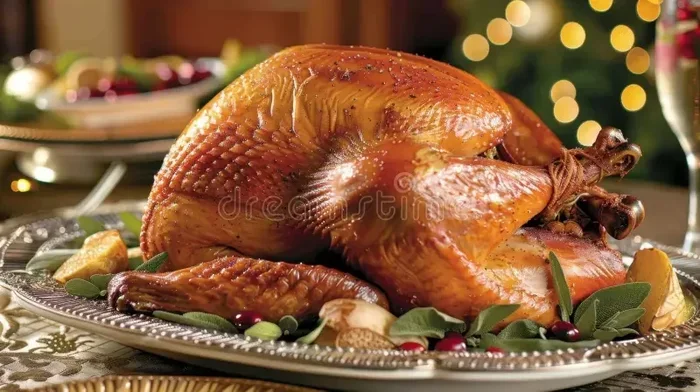
Finding the right roast turkey temperature is the single most important step to a juicy, delicious bird. The ideal internal temperature for a fully cooked turkey is 165°F in the thickest part of the breast and thigh, but pulling it at 160°F and letting it rest ensures perfect moisture. This guide covers everything from oven settings to resting times so you can serve a show-stopping holiday turkey every time.
There is nothing quite like a perfectly roasted turkey on the table. The golden skin, the juicy meat, the wonderful aroma that fills the house. But achieving that ideal roast turkey temperature can feel tricky. Many home cooks worry about drying out their bird or serving undercooked meat. The good news is that understanding a few simple temperature principles takes all the guesswork out of the equation.
Whether you are a first-time turkey cook or a seasoned holiday chef, this guide will walk you through everything you need to know. We will cover the target temperatures for different parts of the bird, how to measure them accurately, and the mistakes that cause dry, overcooked turkey. By the end, you will feel confident and ready to roast a bird that impresses everyone at the table.
Key Takeaways
- Target 165°F internally: This is the safe USDA temperature for turkey breast and thigh meat.
- Pull at 160°F and rest: Carryover cooking raises the temperature naturally, keeping your turkey juicy.
- Use a meat thermometer: Never guess doneness. A reliable probe thermometer is your best kitchen tool.
- Breast and thigh temps differ: The breast dries out faster, so monitor it separately from the thigh.
- Rest your turkey for 30-45 minutes: This redistributes juices and makes slicing much easier.
- Oven temperature matters: A steady 325°F is the recommended setting for even, safe cooking.
- Avoid common mistakes: Overcooking, skipping the rest, and not calibrating your thermometer ruin a great bird.
📑 Table of Contents
- The Ideal Roast Turkey Temperature for Juicy Meat
- How to Measure Turkey Internal Temperature Correctly
- Turkey Breast vs. Thigh: Temperature Differences
- Common Roast Turkey Temperature Mistakes to Avoid
- How Long to Cook Turkey at the Right Temperature
- Resting Your Turkey: The Final Step to Perfect Results
- Expert Tips for the Perfect Roast Turkey Every Time
- Conclusion
The Ideal Roast Turkey Temperature for Juicy Meat
The foundation of a great turkey is knowing the right roast turkey temperature to aim for. The United States Department of Agriculture states that poultry must reach an internal temperature of 165°F to be considered safe to eat. However, the secret to juicy turkey lies in understanding that carryover cooking will continue to raise the temperature after you pull the bird from the oven.
For the best results, remove your turkey from the oven when the breast reaches 160°F and the thigh reaches 165°F. During the resting period, the temperature will climb another 5 to 10 degrees. This means your turkey arrives at the table perfectly cooked and full of moisture.
Why Carryover Cooking Matters
Carryover cooking is one of the most important concepts in roasting turkey. When you take the bird out of a hot oven, the residual heat continues to cook the interior. The hotter the oven temperature, the more carryover occurs. This is why experienced cooks pull the turkey early and let it rest.
Think of it like a baked potato. When you pull it from the oven, the inside is still cooking. The same principle applies to your holiday turkey. A good meat thermometer helps you track this process and avoid overcooking.
How to Measure Turkey Internal Temperature Correctly
Getting an accurate reading is essential for nailing the roast turkey temperature. A digital instant-read thermometer or a probe thermometer gives you precise results every time. Never rely on pop-up timers alone, as they are not always reliable.
Where to Insert the Thermometer
Placement matters just as much as the thermometer itself. Here are the key spots to check:
- Turkey breast: Insert the probe into the thickest part of the breast, avoiding the bone. This is where the meat dries out fastest.
- Turkey thigh: Place the probe near the thigh joint, deep into the meat without touching the bone.
- Wing area: Check the wing joint if you want to be thorough, though the breast and thigh are the most critical spots.
Choosing the Right Thermometer
Not all thermometers are created equal. A digital probe thermometer with a fast response time is ideal for roasting turkey. Some models even have wireless capabilities, letting you monitor the oven temperature from across the room. Look for one that is easy to read, accurate within 1 degree, and simple to clean.
Calibrating your thermometer before each use ensures accuracy. You can test it by inserting it into a glass of ice water. It should read 32°F. If it does not, adjust accordingly or replace the batteries.
Turkey Breast vs. Thigh: Temperature Differences
One of the biggest challenges of roasting turkey is that different parts cook at different rates. The breast meat and thigh meat have distinct needs when it comes to roast turkey temperature. Understanding these differences helps you serve perfectly cooked meat throughout the entire bird.
Breast Temperature: The Delicate Part
The turkey breast is leaner than the thigh, which means it dries out more quickly. The ideal breast temperature is 160°F to 162°F when you pull the bird from the oven. At this point, the meat is fully cooked but still incredibly moist. Going beyond 165°F in the breast often leads to dry, stringy meat that nobody enjoys.
Some cooks use a technique called butterballing, where they place a butter pat under the skin of the breast. This adds fat and flavor, helping the breast stay juicy even at higher roast turkey temperatures.
Thigh Temperature: The Forgiving Cut
The thigh is darker meat with more fat and connective tissue. It can handle higher temperatures without drying out. The ideal thigh temperature is 170°F to 175°F for the best texture and flavor. Dark meat is naturally more forgiving, so even if the thigh runs a few degrees over, it will still taste great.
If you notice the breast is cooking faster than the thighs, you can tent the breast loosely with aluminum foil. This slows down the cooking of the breast while allowing the thighs to catch up. It is a simple trick that makes a big difference in your final roast turkey temperature balance.
| Turkey Part | Pull Temperature | Final Temperature After Rest | Texture |
|---|---|---|---|
| Breast | 160°F | 165°F | Tender, juicy |
| Thigh | 165°F | 170-175°F | Rich, moist |
| Drumstick | 165°F | 170°F | Falling off the bone |
Common Roast Turkey Temperature Mistakes to Avoid
Even experienced cooks make mistakes when it comes to turkey temperature. Learning from common errors helps you avoid the same pitfalls and serve a better bird every time.
Relying on Visual Cues Alone
The color of the juices or the look of the skin does not tell you the internal temperature reliably. Clear juices do not always mean the turkey is done. The only way to know for sure is to use a meat thermometer. Skip the guesswork and trust the numbers.
Overcooking the Turkey
Overcooking is the number one enemy of a juicy turkey. Many cooks leave the bird in the oven too long because they fear undercooking. The result is dry, tough meat that needs heavy gravy to save it. Remember that carryover cooking will continue to raise the temperature after removal. Pulling the turkey early is always better than pulling it late.
Skipping the Rest Period
Cutting into your turkey immediately after removing it from the oven is a costly mistake. The resting period allows the juices to redistribute throughout the meat. Without it, the juices run out onto the cutting board instead of staying in the bird. A minimum rest of 30 to 45 minutes makes a noticeable difference in moisture and flavor.
Not Calibrating Your Thermometer
An inaccurate thermometer leads to inaccurate readings. If your probe is off by just 5 degrees, you could be serving undercooked or overcooked turkey without knowing it. Test your thermometer regularly and replace it if it is not giving consistent results.
How Long to Cook Turkey at the Right Temperature
Cooking time depends on several factors, including the size of the bird, the oven temperature, and whether the turkey is stuffed or unstuffed. A steady oven temperature of 325°F is the recommended setting for most turkey recipes. This temperature allows the meat to cook evenly without drying out the outer layers before the inside is done.
General Cooking Time Guidelines
Here is a rough guide for estimating roast turkey temperature and time at 325°F:
- 8 to 12 pounds: 2.5 to 3 hours
- 12 to 14 pounds: 3 to 3.75 hours
- 14 to 18 pounds: 3.75 to 4.25 hours
- 18 to 20 pounds: 4.25 to 4.5 hours
- 20 to 24 pounds: 4.5 to 5 hours
These times are approximate. Always rely on the internal temperature rather than the clock. Every oven is different, and factors like starting temperature, roasting pan material, and whether the turkey is brined all affect cooking time.
Should You Brine Your Turkey?
Brining is a popular technique that adds moisture and flavor to the turkey. A wet brine involves soaking the bird in a saltwater solution for 12 to 24 hours before roasting. A dry brine involves rubbing the turkey with salt and letting it rest uncovered in the refrigerator overnight.
Brined turkeys tend to cook at a slightly different rate because of the extra moisture in the meat. Monitor your roast turkey temperature closely if you brine your bird, as the extra moisture can affect how quickly the internal temperature rises.
Resting Your Turkey: The Final Step to Perfect Results
The resting period is the final and arguably most important step in achieving the perfect roast turkey temperature. When you remove the turkey from the oven, the internal temperature continues to rise. During this time, the juices inside the meat relax and redistribute evenly.
Here is how to rest your turkey properly:
- Remove the turkey from the oven and transfer it to a warm serving platter or cutting board.
- Tent it loosely with aluminum foil. Do not wrap it tightly, as this traps steam and can soften the crispy skin.
- Let it rest for at least 30 minutes for a smaller bird and up to 45 minutes for a larger one.
- Check the final temperature after resting to confirm it has reached the safe zone.
During the rest, the turkey breast temperature will rise by about 5 to 10 degrees, and the thigh temperature will rise by a similar amount. This carryover cooking ensures that every slice is perfectly done and incredibly juicy.
What to Do with the Drippings
While your turkey is resting, use the time to make a pan gravy from the drippings. The browned bits stuck to the roasting pan are packed with flavor. Add some chicken broth, a splash of white wine, and a bit of flour to create a rich, savory gravy that complements your perfectly cooked turkey.
Expert Tips for the Perfect Roast Turkey Every Time
Beyond temperature, a few extra tips can elevate your turkey from good to extraordinary. These expert insights come from years of roasting experience and help you nail the roast turkey temperature and flavor every single time.
- Bring the turkey to room temperature: Take the bird out of the refrigerator 1 to 2 hours before roasting. This helps it cook more evenly and reduces the overall cooking time.
- Dry the skin thoroughly: Pat the turkey skin completely dry before seasoning. Dry skin crisps up beautifully in the oven.
- Use a roasting rack: Elevating the turkey on a rack allows hot air to circulate around the bird for more even cooking.
- Season generously: Do not be shy with salt, pepper, herbs, and butter. Seasoning enhances the natural flavor of the turkey.
- Monitor the oven temperature: Use an oven thermometer to verify that your oven is actually at the temperature you set. Many ovens run hot or cold.
- Let the turkey rest uncovered: If you want crispy skin, skip the foil tent or remove it during the last 10 minutes of cooking.
These small adjustments add up to a big difference in the final result. Your turkey will be the star of the holiday table, and everyone will want the recipe.
Conclusion
Mastering the roast turkey temperature is the key to a juicy, flavorful bird that everyone will love. The target internal temperature of 165°F is your safety benchmark, but pulling the turkey at 160°F for the breast and letting it rest is the real secret to perfect moisture. Use a reliable meat thermometer, check the breast and thigh separately, and never skip the resting period.
With the right knowledge and a little practice, you can roast a turkey that is golden on the outside and tender on the inside. Avoid common mistakes like overcooking, relying on visual cues, or skipping the rest. Follow the guidelines in this guide, and you will serve a holiday turkey that earns a standing ovation from every guest at the table.
The perfect roast turkey temperature is not complicated. It just takes attention, a good thermometer, and a bit of patience. Now you have all the tools you need to make this holiday season one for the books.
Frequently Asked Questions
What is the safe internal temperature for roast turkey?
The USDA recommends a minimum internal temperature of 165°F for all parts of the turkey. However, pulling the breast at 160°F and allowing carryover cooking ensures the meat reaches 165°F while staying juicy and flavorful.
Should I cook my turkey at 325°F or 350°F?
325°F is the recommended oven temperature for most turkey recipes. It allows the bird to cook evenly without drying out the outer meat before the inside reaches the proper roast turkey temperature. A lower temperature gives you more control and better results.
How long should I rest my turkey before cutting?
Rest your turkey for at least 30 minutes, and up to 45 minutes for larger birds. During this time, the carryover cooking raises the internal temperature by 5 to 10 degrees, and the juices redistribute for a much juicier result.
Can I use a meat thermometer instead of a pop-up timer?
Absolutely. A digital meat thermometer is far more reliable than a pop-up timer. Pop-up timers can be inaccurate, and they only measure one spot. A thermometer lets you check multiple areas of the turkey for a precise roast turkey temperature reading.
Why is my turkey breast dry even at the right temperature?
The breast dries out when it overcooks, even by a few degrees. The key is to pull the turkey early and let carryover cooking finish the job. Brining the turkey beforehand also adds moisture and helps protect the breast meat from drying out.
Does stuffing a turkey affect the cooking temperature?
Yes. A stuffed turkey requires a longer cooking time because the stuffing insulates the interior. The stuffing itself must also reach 165°F to be safe. Many experts recommend cooking the stuffing separately for more control over the roast turkey temperature and timing.