How Many Fluid Ounces Are in a Full Gallon of Water
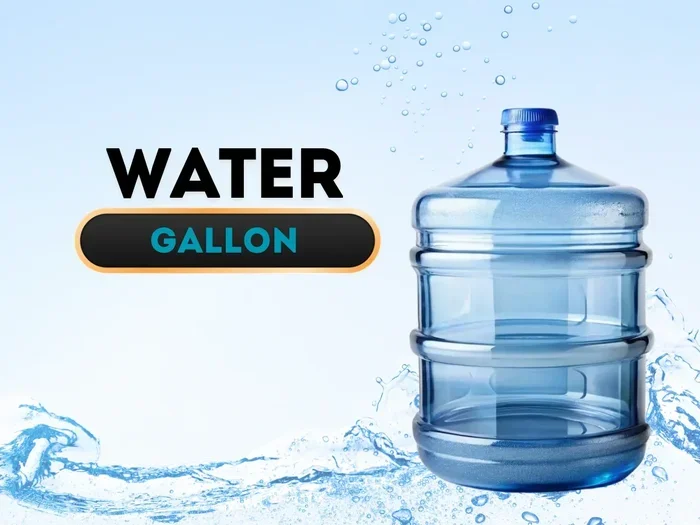
A full US gallon of water holds 128 fluid ounces, which is the key number you need for everyday hydration and cooking. Understanding this how many fl oz in a gallon conversion helps you track your daily water intake, plan meals, and stay properly hydrated. This guide covers the differences between US and imperial gallons, easy conversion math, and practical tips for hitting your hydration goals.
Have you ever stood in front of a water cooler and wondered exactly how much water a gallon holds? Maybe you are trying to hit a daily hydration goal, or perhaps you are following a recipe that calls for a gallon of liquid. Whatever the reason, knowing how many fl oz in a gallon is a simple skill that makes everyday life easier.
Here is the quick answer: a standard US gallon contains 128 fluid ounces. But the story does not stop there. The size of a gallon changes depending on where you live and what liquid measurement system you use. In this article, we will walk through the full fluid ounces to gallons conversion, explain the differences between US and imperial gallons, and give you practical tips for tracking your daily water intake. By the end, you will never have to guess again.
Whether you are an athlete, a fitness enthusiast, or someone who simply wants to drink more water, understanding liquid volume is a game changer. Let us dive in.
Key Takeaways
- 128 fl oz in a US gallon: A standard US liquid gallon holds exactly 128 fluid ounces of liquid.
- Imperial gallons are larger: The UK imperial gallon contains 160 fluid ounces, about 20% more than the US gallon.
- Easy conversion math: Divide fluid ounces by 128 to get US gallons, or multiply gallons by 128 to get fluid ounces.
- Daily hydration matters: Knowing this ounce conversion helps you track your daily water intake and stay properly hydrated.
- Common container sizes help: A 16.9 oz water bottle means about 7.5 bottles fill one full gallon.
- Use practical tools: Marked water bottles and tracking apps make reaching your gallon goal simple and consistent.
📑 Table of Contents
- What Is a Gallon and Why Does It Matter?
- How Many Fluid Ounces Are in a Gallon?
- US vs Imperial Gallons: What Is the Difference?
- How to Convert Fluid Ounces to Gallons
- Why This Conversion Matters for Daily Hydration
- Practical Tips for Hitting Your Water Goals
- Common Mistakes People Make with Gallon Measurements
- Final Thoughts
What Is a Gallon and Why Does It Matter?
A gallon is a unit of liquid volume used to measure how much space a liquid takes up. In the United States, the gallon is part of the customary measurement system. Most other countries use the metric system, which relies on liters and milliliters. But in America, you will hear gallons used all the time, especially when buying milk, juice, or fuel.
Understanding gallon size matters for more than just cooking. Your body needs a certain amount of hydration every day. Many health experts recommend drinking around a gallon of water daily. When you know how many fluid ounces are in a gallon, you can break that big goal into smaller, manageable sips throughout the day.
The Basic Units of Liquid Measurement
Before we get into the numbers, let us look at how the units connect. The US liquid measurement system builds on itself like a ladder:
- 1 gallon = 4 quarts
- 1 quart = 2 pints
- 1 pint = 2 cups
- 1 cup = 8 fluid ounces
When you multiply all of these together, you get 128 fluid ounces in one gallon. This is the number you need to remember for most everyday situations. A single cup holds 8 ounces, and it takes 16 cups to fill a full gallon. Once you understand this chain of cup measurements, the whole system clicks into place.
How Many Fluid Ounces Are in a Gallon?
The answer depends on which type of gallon you are talking about. In the United States, a standard liquid gallon holds 128 fluid ounces. This is the number you will see on most grocery store jugs, water coolers, and recipes. When someone in the US says “a gallon,” they almost always mean 128 fl oz.
But what if you are looking at a gallon to liters conversion? One US gallon equals about 3.785 liters. And since one liter is roughly 33.8 fluid ounces, the math checks out. 3.785 liters times 33.8 ounces per liter gives you approximately 128 fluid ounces. This is a helpful way to cross-check your work if you are more comfortable with the metric system.
Quick Conversion Chart
Here is a simple breakdown to help you visualize the ounce conversion:
- 1 gallon = 128 fluid ounces
- 1/2 gallon = 64 fluid ounces
- 1/4 gallon = 32 fluid ounces
- 1/8 gallon = 16 fluid ounces
- 1 quart = 32 fluid ounces
- 1 pint = 16 fluid ounces
- 1 cup = 8 fluid ounces
Keep this chart handy. It makes liquid measurement quick and painless. Whether you are filling a water bottle or scaling a recipe, these numbers will serve you well. You can even memorize the key ratios: 1 gallon equals 4 quarts, 8 pints, 16 cups, or 128 fluid ounces.
US vs Imperial Gallons: What Is the Difference?
Not all gallons are created equal. The US gallon and the imperial gallon, used in the United Kingdom and some other countries, are two different things. The imperial gallon is larger than the US gallon, and this difference matters if you are reading recipes, buying beverages, or traveling abroad.
The US Liquid Gallon
The US liquid gallon is the one most Americans encounter every day. It holds 128 fluid ounces, which is about 3.785 liters. When you buy a gallon jug of milk at the supermarket, you are getting the US liquid gallon.
This gallon is defined as 231 cubic inches. It was established by the US government in the early 19th century and has been the standard ever since. For everyday purposes, 128 fluid ounces is the number you need to know. Whether you are measuring water for cooking or tracking your hydration goals, the US gallon is the standard to use.
The Imperial Gallon
The imperial gallon comes from the British measurement system. It is based on the volume of 10 pounds of water at a specific temperature. The imperial gallon holds 160 fluid ounces, which is about 4.546 liters. That is roughly 20% more than the US gallon.
If you are reading a British recipe or buying a beverage imported from the UK, keep this difference in mind. A gallon from a British source is not the same as a gallon from an American store. The imperial gallon is the larger of the two, and using the wrong one can throw off your fluid measurement results.
Why the Difference Exists
The two systems developed separately over centuries. The US inherited its measurements from English settlers, but the definitions shifted over time. Britain updated its standards, while the US kept the older version. Today, both systems are still in use, which is why it helps to know which gallon you are dealing with. Always check the label or the source of your recipe before you convert.
How to Convert Fluid Ounces to Gallons
Converting between fluid ounces and gallons is straightforward once you know the base number. For US gallons, the magic number is 128. For imperial gallons, it is 160. Once you have that number locked in, the math is simple division or multiplication.
Converting Ounces to Gallons
To convert fluid ounces to gallons, divide the number of ounces by 128 (for US gallons). For example:
- 256 fluid ounces divided by 128 = 2 gallons
- 64 fluid ounces divided by 128 = 0.5 gallons
- 1,000 fluid ounces divided by 128 = about 7.8 gallons
This simple division works every time. If you have a large number of ounces and want to know how many gallons that is, just divide by 128. This is especially useful when you are reading nutrition labels or recipe instructions that list ingredients in ounces.
Converting Gallons to Ounces
Going the other direction is just as easy. Multiply the number of gallons by 128 to get fluid ounces. For example:
- 3 gallons times 128 = 384 fluid ounces
- 0.5 gallons times 128 = 64 fluid ounces
- 10 gallons times 128 = 1,280 fluid ounces
These simple calculations help you plan ahead. Whether you are prepping drinks for a party or measuring water for a garden project, knowing how to convert fluid ounces to gallons saves time and reduces waste. A quick mental shortcut: multiply gallons by 100, then add 28% more for a close estimate.
Why This Conversion Matters for Daily Hydration
Staying properly hydrated is one of the most important things you can do for your health. Water supports nearly every function in your body, from digestion to temperature regulation to joint lubrication. And when you are active, your body loses water faster through sweat, which makes tracking intake even more important.
Many fitness experts recommend drinking a gallon of water per day for active adults. That means 128 fluid ounces, spread across the whole day. For someone who weighs more or exercises intensely, the recommendation may be even higher. Breaking this into 8-ounce servings gives you 16 glasses a day, which sounds much more manageable than “drink a gallon.”
How Hydration Ties Into Your Workout Routine
If you are someone who exercises regularly, you already know that water plays a big role in performance. During a kettlebell workout, for instance, your body can lose a significant amount of fluid through sweat. Replacing that fluid is essential for recovery and performance.
The same applies to cardio exercises like jumping rope. Many people wonder how many calories burned in 1 hour jump rope, but they forget that intense cardio also means serious fluid loss. Drinking enough water before, during, and after exercise helps maintain energy and prevents dehydration. Proper hydration levels directly impact your endurance and overall workout quality.
Setting a Daily Water Goal
One of the easiest ways to make sure you drink enough water is to set a clear daily goal. A popular target is one full gallon, or 128 fluid ounces. This is roughly equivalent to six 20-ounce water bottles or eight 16-ounce glasses.
If you are active, you might need even more. A good rule of thumb is to drink an extra 12 to 20 ounces of water for every 30 minutes of moderate exercise. This keeps your hydration levels balanced and supports muscle recovery. Tracking your intake against a clear gallon goal gives you a concrete number to aim for each day.
Practical Tips for Hitting Your Water Goals
Drinking a gallon of water every day sounds simple, but it can be hard to put into practice. Life gets busy, and before you know it, you have barely had a glass. Here are some practical strategies that actually work.
Use a Marked Water Bottle
A water bottle with time markers or ounce measurements takes the guesswork out of hydration. You can see exactly how much you have consumed and how much you still need to drink. Some bottles even have reminders built in, which can be a helpful nudge during a busy day.
For example, if you use a 20-ounce bottle, you need to refill it about 6.4 times to reach a full gallon. That is a tangible, easy-to-track goal. You can mark your bottle with tape or a marker to show hourly targets, which makes the process feel more manageable. Many people find that having a visible water bottle size reference keeps them accountable throughout the day.
Set Reminders on Your Phone
Technology can be a great ally in building hydration habits. Setting a simple alarm or reminder every hour prompts you to take a few sips. Over time, this becomes second nature. Many people find that after a week of consistent reminders, they no longer need them. The habit sticks naturally.
Track Your Intake with an App
There are many free apps designed to help you track your daily water consumption. These apps let you log each glass or bottle you drink and show you your progress throughout the day. Some even sync with fitness trackers, so your hydration data is right alongside your exercise stats.
If you are also tracking your exercise routine, you might already be familiar with apps that monitor how many minutes a day should you jump rope or other activities. Pairing your water tracking with your fitness tracking creates a complete picture of your daily health habits. This holistic approach makes it easier to see how hydration supports your overall fitness goals.
Make Water More Enjoyable
If plain water feels boring, you are not alone. Adding a slice of lemon, cucumber, or mint can make it more appealing. Herbal teas, sparkling water, and fruit-infused water all count toward your daily fluid goals. Just be mindful of added sugars, which can work against your health goals. The key is to find flavors you enjoy so that drinking water feels like a treat rather than a chore.
Common Mistakes People Make with Gallon Measurements
Even though the conversion is simple, people still make mistakes when it comes to gallon measurements. Knowing what to watch out for can save you time and frustration.
Confusing Fluid Ounces with Weight Ounces
This is one of the most common errors. A fluid ounce measures volume, not weight. Sixteen fluid ounces of water weighs about 16 ounces by weight, but this is not true for all liquids. Honey, for example, is denser than water, so 16 fluid ounces of honey weighs more than 16 ounces. When you are measuring water specifically, the numbers line up nicely. But for other liquids, it is important to remember that fluid ounces and weight ounces are different measurements.
Using the Wrong Gallon Standard
As we discussed earlier, US gallons and imperial gallons are not the same. If you are following a recipe from the UK or buying a product imported from Europe, using the wrong gallon standard can throw off your measurements. Always check which system is being used before you convert. A simple search for “is this a US or imperial gallon” can save you from a costly mistake in cooking or baking.
Overestimating How Much You Drink
Many people think they are drinking more water than they actually are. A quick glance at an almost-empty water bottle does not give an accurate picture. Using a marked bottle or tracking app gives you a much clearer view of your true intake. Honesty with yourself about your actual consumption is the first step toward better hydration habits.
Final Thoughts
Knowing how many fl oz in a gallon is more than just a math exercise. It is a practical skill that supports your health, your cooking, and your daily routines. A US gallon holds 128 fluid ounces, and that number is the foundation for all your conversion needs.
Remember the key relationships: 1 gallon equals 4 quarts, 8 pints, 16 cups, or 128 fluid ounces. The imperial gallon is larger at 160 fluid ounces, but for most Americans, the US gallon is the standard you will use every day. Understanding the ounce conversion between these systems gives you flexibility whether you are cooking, exercising, or simply staying hydrated.
Tracking your daily water intake becomes much easier when you break a gallon into smaller, measurable portions. Whether you use a marked bottle, set phone reminders, or track your intake with an app, the goal is the same: stay hydrated and feel your best. Start today. Grab a water bottle, know your numbers, and make proper hydration a simple part of your routine. Your body will thank you for it.
Frequently Asked Questions
How many fluid ounces are in a gallon of water?
A standard US gallon of water contains 128 fluid ounces. This is the most common measurement used in the United States for liquid volume. If you are using the imperial gallon, the number is 160 fluid ounces.
Is a US gallon the same as an imperial gallon?
No, they are not the same. The US gallon holds 128 fluid ounces, while the imperial gallon holds 160 fluid ounces. The imperial gallon is about 20% larger than the US gallon. Always check which standard is being used before you convert.
How can I track my daily water intake more easily?
Using a marked water bottle with ounce measurements is one of the best methods. You can also set phone reminders or use a hydration tracking app. Breaking your gallon goal into smaller targets, like 16 ounces per hour, makes the process feel much more manageable.
How many cups are in a gallon?
There are 16 cups in a US gallon. Since each cup holds 8 fluid ounces, multiplying 16 by 8 gives you 128 fluid ounces. This is a helpful shortcut if you do not have a gallon-sized container on hand.
Does drinking a gallon of water help with hydration during exercise?
Yes, drinking a gallon of water can support proper hydration during exercise, especially for intense or prolonged workouts. Active adults lose more fluid through sweat, so replacing it is essential. You may need even more than a gallon on particularly hot or strenuous workout days.
What is the difference between fluid ounces and weight ounces?
A fluid ounce measures volume, while a weight ounce measures mass. For water, 1 fluid ounce weighs approximately 1 weight ounce, but this is not true for all liquids. Denser liquids like honey or oil will weigh more per fluid ounce than water does.