What to Use to Clean Lululemon Yoga Mats
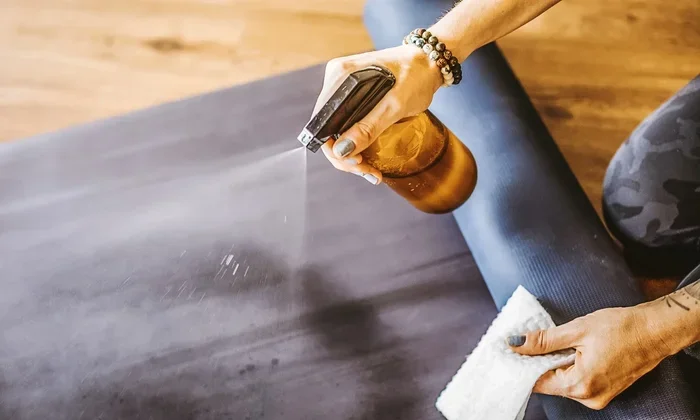
Knowing what to use to clean Lululemon yoga mats is essential for longevity and hygiene. You can safely clean your mat with gentle soap, baking soda, vinegar solutions, or specialized mat cleaners. This guide covers the best cleaning methods, common mistakes to avoid, and expert tips to keep your Lululemon mat fresh and odor-free for years.
Your Lululemon yoga mat is more than just a piece of gear. It is your personal space for movement, mindfulness, and wellness. But with regular use, it picks up sweat, oils, dirt, and sometimes even stubborn odors. That is why knowing what to use to clean Lululemon yoga mats matters so much.
Many people guess at cleaning methods. Some reach for household cleaners without thinking twice. Others skip cleaning altogether, hoping the problem goes away. Neither approach works well. In fact, using the wrong products can damage your mat and shorten its lifespan. This guide breaks down the best cleaning solutions, methods, and tips specifically for Lululemon yoga mats. You will learn exactly what works, what does not, and how to keep your mat in top shape.
Whether you practice hot yoga daily or do gentle stretches on weekends, this guide has something for you. We will walk through every cleaning method step by step. You will also find quick tips and expert insights that make the process simple and fast. Let us dive in.
Key Takeaways
- Mild soap and water is the safest and most effective everyday cleaner for Lululemon yoga mats.
- Baking soda and vinegar solutions work wonders for deep cleaning and removing stubborn odors from your mat.
- Avoid harsh chemicals like bleach and abrasive scrubbers that can damage the mat surface and degrade the material.
- Regular maintenance after every use prevents buildup and keeps your mat hygienic and fresh.
- Proper drying techniques are just as important as cleaning to prevent mold and mildew growth.
📑 Table of Contents
- Why Cleaning Your Lululemon Yoga Mat Matters
- Best Cleaners for Lululemon Yoga Mats
- Step-by-Step Cleaning Methods
- How to Remove Odors from Lululemon Yoga Mats
- What NOT to Use on Your Lululemon Yoga Mat
- Drying and Storing Your Cleaned Mat
- Comparison of Cleaning Methods
- Expert Tips for Long-Lasting Mat Care
- Conclusion
Why Cleaning Your Lululemon Yoga Mat Matters
Lululemon yoga mats are premium products. They are designed with high-quality materials that offer great grip, cushioning, and durability. But even the best mats collect bacteria over time. Sweat, skin cells, and environmental dirt build up with every session. Without regular cleaning, this buildup can lead to unpleasant smells and even skin irritation.
Here is why yoga mat maintenance should be a non-negotiable part of your routine:
- Hygiene: Yoga mats harbor bacteria, fungi, and germs that thrive in warm, moist environments.
- Odor Control: A clean mat smells fresh, making your practice more enjoyable.
- Longevity: Proper cleaning prevents material breakdown and keeps your mat performing like new.
- Grip Quality: Dirt and oils reduce the stickiness of your mat, which affects your balance and safety.
- Health: Clean mats reduce the risk of skin infections and allergic reactions.
Taking a few minutes after each session to wipe down your mat goes a long way. Think of it as part of the cool-down process. The more consistent you are, the less deep cleaning you will need later.
Best Cleaners for Lululemon Yoga Mats
Not all cleaners are created equal. Some work beautifully on Lululemon mats, while others can cause damage. Let us explore the best options for yoga mat cleaning.
Mild Dish Soap and Water
The simplest and most effective cleaner is a mix of mild dish soap and lukewarm water. This combination cuts through sweat and oils without harming the mat material. Use a few drops of gentle soap like Dawn or a plant-based alternative. Mix it in a spray bottle with water and spray lightly onto the mat surface.
Avoid soaking the mat completely. Lululemon mats should never be fully submerged for long periods. A light mist and gentle wipe is all you need for regular cleaning.
Baking Soda Solution
Baking soda is a natural deodorizer and mild abrasive. It works exceptionally well for deep cleaning yoga mats and removing stubborn odors. Mix one tablespoon of baking soda with two cups of warm water in a spray bottle. Spray the solution lightly over the mat, let it sit for five to ten minutes, and wipe it down with a damp cloth.
For a more thorough approach, you can also clean your yoga mat with baking soda by making a paste. Mix baking soda with a small amount of water, apply it to stained areas, gently scrub with a soft cloth, and rinse with a damp towel. This method is especially useful for Lululemon mat odor removal.
White Vinegar and Water
Vinegar is a natural disinfectant that kills bacteria and eliminates odors. Mix equal parts white vinegar and water in a spray bottle. Spray the solution onto the mat, let it sit for a few minutes, and wipe it off with a clean cloth.
Many people ask, can I use vinegar to clean my yoga mat? The answer is yes, but with caution. Vinegar works well for most Lululemon mats, especially those made from closed-cell foam. However, if your mat has a delicate or textured surface, test a small hidden area first. Some mat materials can be sensitive to acidic solutions over time.
Commercial Yoga Mat Cleaners
The market offers several yoga mat cleaner sprays designed specifically for this purpose. Brands like Manduka, Gaiam, and YogaDesignLab make effective products. These cleaners are formulated to be gentle on mat materials while providing strong antibacterial protection.
If you prefer a ready-made solution, a mat cleaner spray is a convenient option. Look for products that are non-toxic, alcohol-free, and fragrance-free. These ingredients are safest for both your mat and your skin.
Step-by-Step Cleaning Methods
Now that you know which cleaners work best, let us walk through the actual cleaning process. Each method is simple and takes only a few minutes.
Quick Daily Wipe-Down
After every practice, give your mat a quick wipe. This prevents sweat and oils from building up. Here is how to do it:
- Spray a light mist of mild soap solution or mat cleaner onto the surface.
- Wipe gently with a soft microfiber cloth or a damp towel.
- Hang the mat over a railing or towel rack to air dry.
- Never fold a wet mat, as this can trap moisture and encourage mold growth.
This daily habit takes less than two minutes and keeps your mat fresh between deeper cleanings.
Weekly Deep Clean
Once a week, give your mat a more thorough cleaning. This is especially important if you practice hot yoga or sweat heavily. Here is the process:
- Fill a bathtub or large sink with lukewarm water and a small amount of mild soap.
- Submerge the mat partially and gently agitate the water to create suds.
- Let the mat soak for five to ten minutes.
- Drain the soapy water and rinse the mat thoroughly with clean water.
- Roll the mat in a clean towel to absorb excess water.
- Hang it over a clothesline, shower rod, or drying rack until completely dry.
You can also clean a yoga mat in the bathtub using this method. Just be sure not to use hot water, as it can warp or damage the foam material. Lukewarm is always the safest temperature.
Spot Cleaning Stains
Accidents happen. Maybe you dropped sunscreen on your mat or stepped in something sticky. Spot cleaning handles these situations quickly. Mix a small amount of baking soda with water to form a paste. Apply it directly to the stain, gently rub with a soft cloth, and wipe away with a damp towel.
For stubborn stains on Lululemon mats, you can also check out expert tips on how to get stains out of Lululemon yoga mats for additional guidance. The key is to act quickly and avoid letting stains set in.
How to Remove Odors from Lululemon Yoga Mats
Odor is one of the most common complaints among yoga practitioners. A smelly mat can make your practice feel less enjoyable. Fortunately, there are several effective ways to eliminate odors from Lululemon mat odor and keep your mat smelling fresh.
Baking Soda Soak
Baking soda absorbs odors naturally. For a deep odor treatment, sprinkle a generous amount of baking soda over the entire mat surface. Let it sit for thirty minutes to an hour. Then, wipe it off with a damp cloth and rinse the mat with clean water. Hang it to dry completely before rolling it up.
Vinegar Rinse
Vinegar neutralizes odor-causing bacteria. After your regular cleaning, do a final rinse with a diluted vinegar solution. The smell of vinegar fades as the mat dries, leaving behind a fresh, clean scent.
Essential Oils for Fragrance
If you want your mat to smell amazing, add a few drops of tea tree oil or lavender essential oil to your cleaning solution. Tea tree oil has natural antibacterial properties, and lavender provides a calming scent. Mix a few drops into your soap-and-water solution or vinegar spray before wiping down your mat.
For more detailed advice on tackling persistent smells, check out our guide on how to get rid of Lululemon yoga mat smell. It covers advanced odor removal techniques that work wonders.
What NOT to Use on Your Lululemon Yoga Mat
Knowing what to avoid is just as important as knowing what to use. Certain cleaning products and methods can seriously damage your mat.
Harsh Chemicals and Bleach
Bleach, ammonia, and strong household cleaners break down the foam and rubber in Lululemon mats. They can cause discoloration, cracking, and a loss of grip. Never use these products on your yoga mat, no matter how tempting they may be for tough stains.
Abrasive Scrubbers
Steel wool, rough sponges, and stiff brushes scratch and damage the mat surface. Always use soft cloths, microfiber towels, or gentle sponges when cleaning your mat.
Excessive Water
While cleaning your mat with water is necessary, too much water is harmful. Over-saturation weakens the adhesive layers in multi-layer mats and can cause delamination. Use a damp cloth rather than soaking the mat, and always dry it thoroughly before storing.
High Heat and Direct Sunlight
Never put your Lululemon mat in a dryer or leave it in direct sunlight for extended periods. High heat warps the material and can cause it to become brittle or sticky. Always air dry your mat in a shaded, well-ventilated area.
Drying and Storing Your Cleaned Mat
Proper drying is a critical step that many people overlook. A damp mat stored in a bag or rolled up creates the perfect environment for mold and bacteria. Here is how to dry and store your mat correctly:
- Air Dry Completely: Hang your mat over a railing, shower rod, or drying rack. Make sure both sides are completely dry before rolling it up.
- Use a Fan: If you are in a hurry, point a fan at the mat to speed up the drying process.
- Avoid Direct Sunlight: Dry the mat in the shade to prevent material damage from UV rays.
- Roll With the Top Side Out: This prevents creasing and maintains the mat’s surface texture.
- Store in a Breathable Bag: Use a mesh bag or a mat carrier with ventilation. Avoid sealed plastic bags that trap moisture.
For hot yoga practitioners, cleaning your yoga mat after hot yoga is especially important because the intense sweating accelerates bacteria growth. Always give your mat extra attention after high-sweat sessions. You can learn more about this in our guide on how to clean a yoga mat after hot yoga.
Comparison of Cleaning Methods
Not sure which method suits your needs best? Here is a quick comparison of the most popular yoga mat cleaning methods:
| Method | Best For | Effort Level | Frequency |
|---|---|---|---|
| Mild Soap and Water | Daily maintenance and light cleaning | Easy | After every use |
| Baking Soda Paste | Stain removal and deep odor treatment | Moderate | Once a week or as needed |
| Vinegar Solution | Disinfection and odor elimination | Easy | Once a week |
| Commercial Mat Cleaner | Convenience and consistent results | Very Easy | As needed |
| Bathtub Soak | Thorough deep cleaning | Moderate | Once a month |
Each method has its place in your cleaning routine. For best results, combine daily wiping with weekly deep cleaning and monthly thorough soaks. This layered approach keeps your mat in excellent condition with minimal effort.
Expert Tips for Long-Lasting Mat Care
Here are some insider tips from cleaning and fitness experts that make a huge difference in extending the life of your Lululemon mat:
- Wash your hands before practice. This reduces the amount of oil and dirt transferred to your mat in the first place.
- Use a yoga towel during hot sessions. A towel absorbs excess sweat and protects your mat from heavy moisture.
- Never leave your mat rolled up wet. Always unroll it to dry completely before storing.
- Rotate between two mats if possible. Giving each mat a full day to dry between uses prevents moisture buildup.
- Check Lululemon’s care instructions. Different mat models may have specific care recommendations based on their material composition.
For additional mat care advice, you might find it helpful to explore how to clean a yoga mat with baking soda for a deeper dive into one of the most popular and effective cleaning methods.
Conclusion
Taking care of your Lululemon yoga mat does not have to be complicated or time-consuming. With the right cleaning products and a simple routine, you can keep your mat fresh, hygienic, and performing at its best for years to come. The key is consistency. A quick wipe after each session and a deeper clean once a week makes all the difference.
Remember to stick with gentle, non-toxic cleaners like mild soap, baking soda, and diluted vinegar. Avoid harsh chemicals, excessive water, and high heat that can damage your mat. And always let your mat dry completely before storing it away.
Your yoga mat supports you in every practice. Now you know exactly how to support it back. Start your cleaning routine today, and your mat will thank you with better grip, fewer odors, and a longer lifespan.
Frequently Asked Questions
Can I machine wash my Lululemon yoga mat?
It is not recommended to machine wash your Lululemon yoga mat. The agitation and heat from a washing machine can warp, tear, or delaminate the mat material. Stick to hand cleaning with mild soap and water for the safest results.
How often should I deep clean my Lululemon yoga mat?
A weekly deep clean is ideal for most practitioners. If you practice hot yoga or sweat heavily, consider cleaning your mat after every session and doing a thorough deep clean once a week to prevent bacteria buildup and odor.
Is vinegar safe for all Lululemon yoga mat types?
Vinegar is generally safe for most Lululemon mats, especially closed-cell foam. However, if your mat has a delicate or textured surface, test a small hidden area first. If you notice any discoloration or damage, switch to a mild soap solution instead.
How long does it take for a yoga mat to dry after cleaning?
A yoga mat typically takes two to four hours to air dry completely, depending on the thickness, material, and humidity in your space. Always ensure the mat is fully dry before rolling it up or storing it to prevent mold and mildew.
Can I use essential oils directly on my yoga mat?
Do not apply essential oils directly to your mat. The oils can leave a slippery residue that reduces grip and may degrade certain mat materials. Instead, add a few drops to your cleaning solution for a light, refreshing scent.
What is the best way to store a cleaned yoga mat?
Store your cleaned yoga mat rolled up with the top side facing out in a breathable bag or mesh carrier. Keep it in a cool, dry place away from direct sunlight. Avoid sealed plastic bags that trap moisture and encourage bacteria growth.