How Often Should You Replace Your Yoga Mat
Your yoga mat should typically be replaced every 6 to 12 months with regular use. Yoga mat replacement depends on your practice frequency, mat material, and how well you care for it. Watch for signs like loss of grip, thinning cushioning, and odors that signal it is time for a new mat.
Your yoga mat takes a beating. It absorbs sweat, supports your joints, and keeps you from slipping around during tough poses. Over time, all of that wear adds up. So how often should you replace your yoga mat? The honest answer is that it depends on how often you practice and what kind of mat you own.
Most yoga mats need replacement every 6 to 12 months if you use them several times a week. But some mats can last longer with proper care. In this guide, we walk you through everything you need to know about yoga mat lifespan. You will learn the clear signs that your mat is worn out, how different materials hold up, and simple tips to make your mat last longer.
Whether you are a beginner or a seasoned practitioner, knowing when to swap out your mat keeps your practice safe and effective. Let us dive in.
Key Takeaways
- Replace every 6–12 months: Regular practice wears down mats faster than occasional use.
- Watch for grip loss: A slippery surface increases injury risk during poses.
- Check the thickness: Worn mats lose cushioning, which hurts your joints over time.
- Clean your mat regularly: Proper care extends lifespan and delays replacement.
- Material matters: TPE, PVC, and rubber mats each have different durability levels.
- Budget wisely: Spending more upfront on a quality mat can save money long-term.
- Trust your body: Discomfort or pain during practice often means the mat is failing you.
📑 Table of Contents
Why Yoga Mat Replacement Matters
It is easy to ignore a worn-out mat. It still lies flat on the floor. It still looks mostly okay. But using a mat past its prime can cause real problems. Yoga mat wear and tear affects your safety, your hygiene, and the quality of your practice.
A mat that has lost its grip can cause you to slide during a downward dog or a warrior pose. That slip can lead to strained muscles or even a serious fall. A mat that has thinned out stops cushioning your joints properly. Your knees, wrists, and spine take more impact than they should. And let us talk about hygiene. Old mats trap bacteria, sweat, and odor even after you clean them.
Replacing your mat at the right time is not about wasting money. It is about investing in your health and your practice. If you are wondering how much you should spend on a yoga mat, keep in mind that a good mat is a small price for safety and comfort.
Signs Your Yoga Mat Needs Replacing
Your mat will tell you when it is time to retire it. You just need to look for the right signals. Here are the most common signs of a worn yoga mat:
- Loss of grip: Your hands or feet slide during poses, even on a dry mat.
- Thinning surface: The top layer looks worn, shiny, or feels papery thin.
- Visible cracks or tears: The material is breaking down and flaking.
- Persistent odor: The mat still smells bad even after deep cleaning.
- Reduced cushioning: You feel the floor through the mat during seated or kneeling poses.
- Color fading: The mat has lost its original color significantly.
- Flat spots: Areas where you always stand or kneel have compressed and no longer bounce back.
If you notice two or three of these signs, it is time to start shopping for a replacement. Do not wait until the mat is falling apart. Waiting can increase your risk of injury.
How Often Should You Replace Your Yoga Mat Based on Usage
The frequency of yoga mat replacement depends heavily on how often you practice. Here is a general breakdown:
- Daily practice (5–7 days per week): Replace every 4 to 6 months. Your mat takes a serious beating with daily use.
- Regular practice (3–4 days per week): Replace every 6 to 9 months. This is the most common range for dedicated practitioners.
- Occasional practice (1–2 days per week): Replace every 12 to 18 months. Less use means the mat holds up longer.
- Rare use (a few times a month): Replace every 18 to 24 months. But always inspect the mat for hidden wear.
These timelines assume you are caring for your mat properly. If you skip cleaning or leave your mat rolled up in a hot car, the lifespan drops significantly.
How Practice Style Affects Mat Lifespan
Not all yoga styles wear a mat at the same rate. Hot yoga and power yoga generate more sweat and friction, which breaks down the material faster. Gentle or restorative yoga puts less stress on the mat, so it lasts longer. If you do a mix of styles, lean toward the shorter replacement window to stay safe.
Yoga Mat Materials and Their Durability
Not all mats are created equal. The material your mat is made from plays a big role in how long it lasts and when it needs replacing. Let us break down the most common yoga mat materials.
TPE (Thermoplastic Elastomer) Mats
TPE mats are lightweight and affordable. They are a popular choice for beginners. However, TPE tends to wear out faster than other materials. Most TPE mats last around 6 to 12 months with regular use. They also lose their cushioning more quickly, which can affect your joint support during practice.
PVC (Polyvinyl Chloride) Mats
PVC mats are dense and durable. They can last 12 to 24 months with proper care. The downside is that PVC is less eco-friendly and can contain harmful chemicals. PVC yoga mat options are widely available and budget-friendly, making them a common choice for gyms and studios.
Natural Rubber Mats
Rubber mats offer excellent grip and cushioning. They are also more eco-friendly than synthetic options. A quality rubber mat can last 12 to 18 months with regular use. However, rubber can degrade faster if exposed to sunlight or heat. Always store your rubber mat in a cool, dry place.
Cork Mats
Cork mats are a newer option that many yogis love. They are naturally antimicrobial, which helps with hygiene. Cork mats typically last 12 to 24 months. They are also firm, so they may not suit everyone, especially those who need extra cushioning for their knees.
| Material | Avg Lifespan | Grip Level | Cushioning |
|---|---|---|---|
| TPE | 6–12 months | Medium | Medium |
| PVC | 12–24 months | High | High |
| Natural Rubber | 12–18 months | Very High | High |
| Cork | 12–24 months | Medium-High | Medium |
How to Make Your Yoga Mat Last Longer
You do not have to replace your mat every few months if you take good care of it. A solid mat care routine can add months or even years to your mat’s life. Here is what you should do.
Clean Your Mat After Every Use
Sweat, dirt, and oils build up on the surface of your mat every time you practice. Wipe it down with a gentle mat cleaner or a mix of water and mild soap. Avoid harsh chemicals that can break down the material. Let the mat air dry completely before rolling it up.
Roll It Up Properly
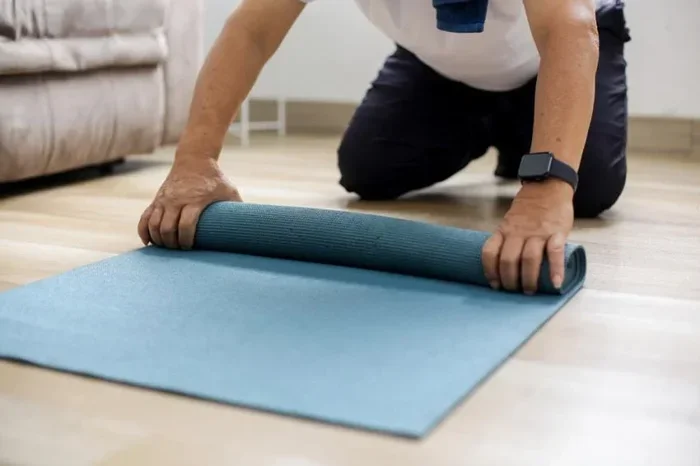
Never fold your mat. Folding creates creases that weaken the material over time. Instead, roll it up with the top side facing outward. This keeps the surface smooth and prevents cracking.
Store It in a Cool, Dry Place
Heat and humidity are the enemies of yoga mats. Do not leave your mat in a hot car or in direct sunlight for long periods. Store it in a dry area with good airflow. If you use a mat bag, unzip it after practice to let moisture escape.
Avoid Harsh Surfaces
Practicing on rough or gritty surfaces can scratch and wear down your mat faster. If you practice on a hard floor, consider placing a carpet or rug underneath. This is similar to the idea behind should you put a mat under your treadmill — a protective layer reduces direct friction and extends the life of both surfaces.
Rotate Your Mat
If you practice often, consider having two mats and rotating them. This gives each mat time to dry out fully between sessions and reduces the overall wear on each one.
How to Choose a New Yoga Mat
When it is time for yoga mat replacement, choosing the right new mat makes a big difference. Here are a few things to keep in mind.
- Thickness: Thicker mats offer more cushioning for your joints. If you are new to yoga, look for a mat that is at least 5mm thick. Check how thick a yoga mat should be for beginners to find the right fit for your body and practice style.
- Material: Choose a material that matches your needs. TPE is lightweight and affordable. Rubber offers the best grip. Cork is eco-friendly and antimicrobial.
- Texture: A textured surface gives better grip, especially when you are sweating. Test the mat in person if you can.
- Size: Make sure the mat is long enough for your height. Most standard mats are around 72 inches, but taller practitioners may need 78 or 84 inches.
- Budget: Quality mats range from $20 to $100 or more. Spending a bit more upfront often means the mat lasts longer and performs better.
Remember that the cheapest mat is not always the best deal. A mat that falls apart after three months will cost you more in the long run than a durable, mid-range option.
Common Mistakes That Shorten Mat Life
Many yogis unknowingly damage their mats through simple habits. Here are the most common mistakes to avoid:
- Leaving the mat rolled up wet: Moisture trapped inside breeds mold and bacteria. Always air dry your mat fully before storing it.
- Using harsh cleaners: Bleach and strong detergents break down the mat material. Stick to gentle, mat-safe cleaners.
- Walking on the mat with shoes: Shoes grind dirt and grit into the surface, causing scratches and wear.
- Exposing the mat to extreme heat: Leaving your mat in a hot car or near a heater can warp and crack the material.
- Ignoring small tears: A tiny tear can quickly spread and turn into a larger problem. Address minor damage early.
Avoiding these simple mistakes can add significant time to your mat’s life. But even with the best care, all mats eventually wear out. When that happens, embrace the replacement and treat yourself to a new one.
When to Upgrade Instead of Just Replace
Sometimes replacing your mat with the same type is not enough. If you have been practicing for a while, you might benefit from upgrading. Here are a few reasons to consider an upgrade:
- You have changed your practice style: If you moved from gentle yoga to power yoga, you need a mat with better grip and durability.
- You have joint issues: A thicker mat with more cushioning can help protect your knees and wrists.
- You want eco-friendly options: If sustainability matters to you, consider switching to a natural rubber or cork mat.
- Your old mat no longer supports your needs: Maybe you need a longer mat or a different texture. Upgrading lets you tailor your setup.
Upgrading is also a great opportunity to invest in a mat that fits your current body and practice better. Yoga is a journey, and your mat should evolve with you.
Final Thoughts
Knowing when to replace your yoga mat is one of the simplest ways to protect your body and improve your practice. Most mats need replacement every 6 to 12 months with regular use, but the exact timeline depends on your frequency, material, and care routine. Pay attention to the warning signs — loss of grip, thinning surface, persistent odor, and reduced cushioning. These are your mat’s way of telling you it is time to move on.
Take care of your mat, and it will take care of you. Clean it after every session, store it properly, and choose a quality replacement when the time comes. Your yoga practice deserves a reliable, safe, and comfortable surface. So next time your mat starts to feel off, trust your instincts and invest in a fresh one. Your body will thank you every time you step onto it.
Frequently Asked Questions
How do I know if my yoga mat needs to be replaced?
Look for signs like loss of grip, thinning surface, persistent odor, visible cracks, and reduced cushioning. If your mat slides around during poses or you can feel the floor through it, it is time for a replacement.
Can I extend the life of my yoga mat?
Yes, regular cleaning, proper storage, and avoiding harsh surfaces can significantly extend your mat’s lifespan. Rolling it instead of folding it and letting it air dry after each use are simple habits that help.
Is it okay to use a worn-out yoga mat?
It is not recommended. A worn mat loses grip and cushioning, which increases the risk of slipping and joint strain. Using a damaged mat can lead to injuries during your practice.
How often should I clean my yoga mat?
You should clean your mat after every use if possible. At minimum, give it a thorough wipe-down and deep clean once a week. Regular cleaning prevents bacteria buildup and keeps the mat in good condition.
What is the best material for a long-lasting yoga mat?
Natural rubber and PVC mats tend to last the longest. Rubber offers excellent grip and cushioning, while PVC is dense and durable. Choose based on your grip needs, budget, and environmental preferences.
Should I replace my yoga mat even if it looks fine?
Yes, if you practice frequently, your mat may have internal wear that is not visible. Loss of grip and cushioning can happen even when the surface looks intact. Replace your mat every 6 to 12 months for optimal safety and performance.