How Much Does a Good Yoga Mat Cost
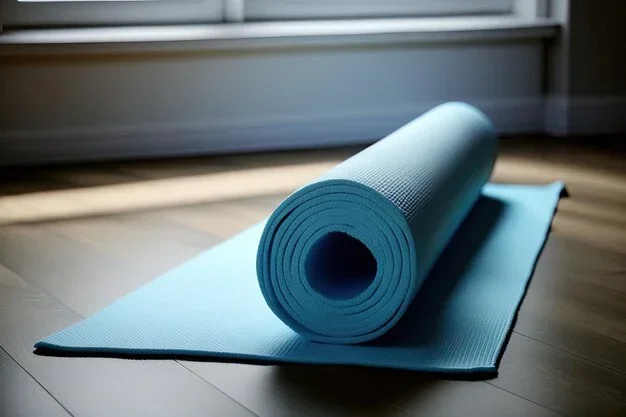
The cost of a good yoga mat typically ranges from $20 to $100, depending on thickness, material, and brand quality. Budget mats under $30 work fine for casual users, while serious practitioners benefit from mid-range options between $40 and $70. Premium mats above $80 offer superior grip, cushioning, and durability for frequent use.
This is a comprehensive guide about How Much Does A Good Yoga Mat Cost.
Key Takeaways
- Budget mats ($10-$30): Great for beginners and occasional use, though they may wear out faster.
- Mid-range mats ($40-$70): The sweet spot for most yogis, balancing quality and price perfectly.
- Premium mats ($80+): Built for serious practitioners who need top-tier grip and cushioning.
- Material matters: TPE, rubber, and PVC each have different price points and performance levels.
- Thickness affects cost: Thicker mats generally cost more but provide better joint protection.
- Brand reputation: Well-known brands often charge a premium, but lesser-known brands can offer equal quality.
- Consider your needs: Your practice style and frequency should guide your spending decision.
[FEATURED_IMAGE_PLACEHOLDER]
How Much Does a Good Yoga Mat Cost?
Shopping for a new yoga mat can feel overwhelming. There are so many options, and prices vary wildly. You might find a mat for $15 at a discount store or spend $150 on a high-end brand. So, how do you know what you should actually pay?
The truth is, how much does a good yoga mat cost depends on several factors. Your experience level, practice style, and personal preferences all play a role. This guide breaks down everything you need to know about yoga mat pricing so you can make a smart choice without wasting money.
We will look at different price ranges, materials, thickness options, and what features actually matter. By the end, you will know exactly how much to spend on your next yoga mat.
Why Yoga Mat Price Varies So Much
Not all yoga mats are created equal. A cheap foam mat and a premium rubber mat can cost three times as much. But the price difference comes from real factors that affect your practice.
Material Quality
The type of material used is the biggest factor in yoga mat cost. PVC mats are the cheapest to produce, which is why they are so affordable. TPE mats are a step up in eco-friendliness and comfort. Natural rubber mats are the most expensive because they use higher-quality, sustainable materials.
Each material has its own feel, grip level, and durability. A budget yoga mat made from thin PVC will feel different from a dense rubber mat that costs three times as much.
Thickness and Cushioning
Thicker mats cost more because they use more material. A standard mat is about 3 to 5 millimeters thick. Mats that are 6 millimeters or thicker provide extra cushioning for your knees, wrists, and spine. If you have joint issues or prefer extra comfort, you will likely pay more for a thicker option.
Want to know what thickness is right for you? Check out our guide on how thick a yoga mat needs to be for detailed recommendations.
Brand and Marketing
Big brand names charge more. You are partly paying for the logo and their marketing budget. However, some lesser-known brands offer mats with the same quality for half the price. Do not assume that a higher price tag always means a better mat.
Yoga Mat Price Ranges Explained
Breaking down the price ranges helps you understand what you get at each level. Here is a simple breakdown of what to expect.
Budget Mats: Under $30
Budget mats are perfect for people just starting out or who practice occasionally. These mats usually range from $10 to $25. They are lightweight, easy to carry, and get the job done for basic stretching and gentle yoga.
The trade-off is durability. Budget mats tend to wear out faster. They may lose their grip after a few months of regular use. They also offer less cushioning, which can be uncomfortable during long sessions.
If you are not sure whether yoga is right for you, a budget mat is a smart starting point. You can always upgrade later once you know what you need.
Mid-Range Mats: $30 to $70
This is where most people should look. Mid-range mats offer the best balance of quality, comfort, and price. You get better grip, thicker cushioning, and materials that last longer.
At this price point, you will find TPE and higher-quality PVC mats. These mats feel great under your feet and provide solid support for your joints. Many experienced yogis stick with mid-range mats because they offer everything they need without overspending.
If you practice yoga 2 to 4 times a week, a mid-range mat is likely the best investment. It will last you one to two years with proper care.
Premium Mats: $70 to $150+
Premium mats are built for serious practitioners. They use top-tier materials like natural rubber or cork. The grip is exceptional, even when you are sweating heavily. The cushioning is superior, and the durability is outstanding.
These mats can last several years with proper maintenance. They are also heavier and thicker, which means they stay firmly in place during intense flows. If you practice daily or teach yoga professionally, a premium mat pays for itself over time.
For those wondering about rental options, you can also check out how much it costs to rent a yoga mat at CorePower if you want to try before you buy.
What Material Should You Choose?
The material of your mat affects both the price and your experience on the mat. Here is a closer look at the most common options.
PVC Mats
PVC mats are the most affordable option. They are widely available and come in many colors and designs. The downside is that PVC is not eco-friendly. It can also feel slippery when you first start using it, though it tends to grip better over time.
TPE Mats
TPE (Thermoplastic Elastomer) mats are a popular middle-ground choice. They are lightweight, recyclable, and more comfortable than PVC. TPE mats usually cost between $30 and $60. They offer decent grip and cushioning without breaking the bank.
Natural Rubber Mats
Natural rubber mats are the gold standard for grip and durability. They are heavy, thick, and provide excellent cushioning. The downside is the price, which typically starts around $70 and can go well above $150. They also have a natural rubber smell that some people find off-putting at first.
Cork Mats
Cork mats are a newer option that combines sustainability with performance. They are naturally antimicrobial and have a unique textured grip. Cork mats tend to be in the premium price range, usually $80 to $150.
How Thickness Affects Cost and Comfort
Thickness is one of the most important factors in both comfort and price. A thicker mat provides more cushioning, which is great for poses that put pressure on your knees, hips, and spine.
Standard mats are about 3 to 4 millimeters thick and cost less because they use less material. Mats that are 5 to 6 millimeters thick cost a bit more but feel noticeably more comfortable. Extra-thick mats at 7 millimeters or more are the most expensive but offer the most joint protection.
For a detailed guide on choosing the right thickness, see our article on what is a good thickness for a yoga mat. It covers all the thickness options and helps you decide what works best for your body and practice style.
Keep in mind that thicker mats can be heavier. If you carry your mat to classes, a thick premium mat might become tiring to transport. Balance comfort with portability when choosing your mat.
How Much Should You Spend on a Yoga Mat?
The right amount to spend depends entirely on your situation. Here are some guidelines to help you decide.
For Beginners
If you are brand new to yoga, start with a budget or mid-range mat. Spend between $20 and $40. You do not need to invest in a premium mat right away. As you develop your practice and learn what you prefer, you can upgrade later.
For Regular Practitioners
If you practice yoga 2 to 4 times per week, aim for a mid-range mat in the $40 to $70 range. This gives you good grip, solid cushioning, and enough durability to last 1 to 2 years.
For Serious Yogis and Teachers
If you practice daily or teach classes, invest in a premium mat. Spending $80 to $150 ensures you get the best grip, cushioning, and longevity. A quality mat is a tool for your practice, and professionals deserve professional-grade equipment.
For more insights on spending the right amount, check out our article on how much you should spend on a yoga mat. It provides additional budgeting tips and product recommendations.
Common Mistakes People Make When Buying a Yoga Mat
Avoid these common pitfalls so you do not waste money on the wrong mat.
- Buying only on price: The cheapest mat is not always the best deal. It might wear out in weeks, forcing you to buy another one sooner.
- Ignoring grip: A mat that slips during poses can cause injuries. Always test the grip or read reviews before buying.
- Choosing thickness over quality: A very thick mat that uses cheap material will still feel bad and wear out fast.
- Overlooking size: Make sure the mat is long enough for your height. A mat that is too short can be uncomfortable during poses like downward dog.
- Not considering your practice style: Hot yoga requires a different mat than gentle hatha. Choose based on what type of yoga you do most.
Quick Tips for Getting the Best Value
Getting the most bang for your buck is easy with a few smart strategies.
- Shop during sales: Many retailers offer discounts during holiday seasons or clearance events.
- Read reviews: Real user reviews give you honest feedback on durability and grip.
- Check for warranty: A good warranty shows the manufacturer stands behind their product.
- Consider eco-friendly options: TPE and cork mats are sustainable and often reasonably priced.
- Test before you buy: If possible, try a mat at a local studio or store before committing online.
Remember, the best yoga mat is the one that fits your practice, your body, and your budget. You do not need to spend a fortune to find a mat that works well for you.
Final Thoughts
So, how much does a good yoga mat cost? The answer really depends on who you are and how you practice. A good yoga mat can be found anywhere from $20 to $100, and each price range has excellent options.
Start by assessing your needs. Are you a beginner exploring yoga for the first time? A budget mat is a perfect choice. Do you practice regularly and want something reliable? A mid-range mat will serve you well. Are you a dedicated yogi who needs the best? Invest in a premium mat and it will last you for years.
The most important thing is to choose a mat that supports your practice comfortably. Do not let price alone make your decision. Consider material, thickness, grip, and durability. With the right mat, every session becomes more enjoyable and effective.
Take your time, do your research, and pick the mat that feels right for you. Your yoga practice will thank you for it.
How Much Does a Good Yoga Mat Cost?
A good yoga mat typically costs between $20 and $100. Budget mats under $30 work well for beginners, while mid-range mats between $40 and $70 offer the best overall value for regular practitioners.
What is the best yoga mat for the money?
Mid-range mats in the $40 to $70 range usually offer the best value. They provide solid grip, good cushioning, and lasting durability without the premium price tag of high-end brands.
How long should a good yoga mat last?
A quality yoga mat should last between one and five years depending on how often you use it and how well you care for it. Mid-range mats typically last one to two years, while premium mats can last three to five years or more.
Is it worth buying an expensive yoga mat?
It depends on your practice. If you yoga daily or teach classes, an expensive premium mat is worth the investment. For casual practitioners, a mid-range mat provides excellent performance at a reasonable price.
What thickness yoga mat is best for beginners?
A 4 to 5 millimeter thick mat is ideal for beginners. It provides enough cushioning for comfort while still being stable and easy to carry. You can learn more about yoga mat thickness in our detailed guide.
Can I use a cheap yoga mat for hot yoga?
It is not recommended. Hot yoga requires a mat with excellent grip and sweat resistance. Cheap mats tend to become slippery when wet, which can be unsafe during hot yoga sessions.
Frequently Asked Questions
What is How Much Does A Good Yoga Mat Cost?
How Much Does A Good Yoga Mat Cost is an important topic with many practical applications.