Why Is My Dumbbell Press Better Than Barbell
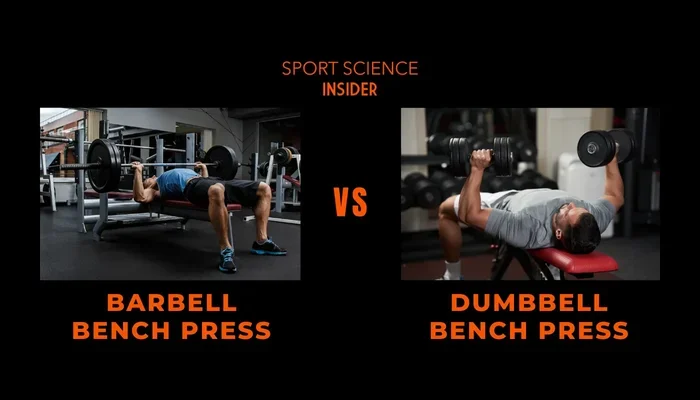
Your dumbbell press offers a greater range of motion, better muscle activation, and improved joint health compared to the barbell press. It allows each arm to work independently, which helps correct strength imbalances and reduces injury risk. Whether you are a beginner or a seasoned lifter, the dumbbell press can transform your upper body workouts.
Have you ever wondered why your dumbbell press is better than barbell for building a strong, balanced chest? You are not alone. Many lifters start with the barbell bench press and then discover that switching to dumbbells changes everything. The difference is real, and it goes way beyond just picking up a different piece of gym equipment.
The dumbbell press gives you more freedom of movement, hits your muscles from angles a barbell simply cannot, and keeps your joints happier in the long run. In this article, we will break down exactly why the dumbbell press wins for so many people. We will also look at when the barbell still makes sense. By the end, you will know which press belongs in your workout routine.
Key Takeaways
- Greater Range of Motion: Dumbbells let your chest and shoulders stretch further, leading to better muscle growth.
- Fixes Muscle Imbalances: Each arm works independently, so no side gets left behind.
- Joint-Friendly: Dumbbell presses put less stress on your shoulders and wrists than a barbell.
- Better Stabilizer Activation: Your core and shoulder stabilizers work harder with dumbbells.
- Versatile for All Levels: Beginners and advanced lifters both benefit from dumbbell pressing.
- Barbell Still Has Its Place: Heavy barbell pressing has value for raw strength goals.
📑 Table of Contents
- Why the Dumbbell Press Wins for Many Lifters
- Range of Motion and Muscle Activation
- Joint Health and Injury Prevention
- Unilateral Training Benefits
- When to Stick With the Barbell Press
- How to Choose the Right Press for Your Goals
- Quick Tips for a Better Dumbbell Press
- Common Mistakes to Avoid
- Expert Insights on the Dumbbell vs Barbell Debate
- Final Thoughts
Why the Dumbbell Press Wins for Many Lifters
The dumbbell press has been a staple in strength training for decades. But it is often overshadowed by the barbell bench press in gyms around the world. Here is the thing: the dumbbell version offers benefits that the barbell just cannot match. Let us dive into the details.
More Freedom of Movement
When you grab a barbell, your hands are locked in place. Your arms stay at a fixed width the entire time. With dumbbells, your body guides each arm through its natural path. This means your shoulders, elbows, and wrists can move the way they were designed to move.
This freedom allows you to adjust the angle mid-rep. If your shoulder feels tight on one side, you can shift slightly. Your body knows what it needs, and dumbbells let you listen. Many lifters find that this natural movement pattern leads to better results over time.
Superior Muscle Activation
Studies show that the dumbbell press activates the chest muscles more fully than a barbell. Why? Because you can lower the weights further down. This deeper stretch under load is one of the most powerful triggers for muscle growth.
Your pectorals get a longer range to work through. The fibers lengthen and shorten through a greater distance. This means more time under tension and more muscle fiber recruitment. The result? A stronger, more defined chest over time.
Less Pressure on Your Shoulders
Barbell pressing can be tough on the shoulder joints. The fixed grip forces your shoulders into a position that may not suit everyone. Some people have narrower or wider shoulders that make the bar path uncomfortable.
Dumbbells solve this problem. You can adjust the angle, the width, and the rotation of each arm. This customization reduces the strain on your shoulder joints. If you have dealt with shoulder pain before, switching to a dumbbell press might be the best decision you make for your joints.
Range of Motion and Muscle Activation
The range of motion is one of the biggest advantages of the dumbbell press over the barbell. Let us talk about why this matters so much for your training.
Why Range of Motion Matters
When you do a barbell bench press, the bar stops you from going too low. Your chest muscles never get fully stretched under load. This limits the amount of muscle fiber you can recruit during each rep.
With dumbbells, you can lower the weights until your upper arms are slightly below your torso. This deep stretch activates more muscle fibers and promotes greater hypertrophy. Think of it like this: the barbell gives you a partial range, while the dumbbell gives you the full picture.
Better Mind-Muscle Connection
Using dumbbells forces you to focus on each arm individually. You cannot cheat by letting your stronger side take over. This creates a stronger mind-muscle connection with your chest and shoulders.
When you really feel the muscle working, you get better results. The dumbbell press makes it nearly impossible to disengage your target muscles. Your brain has to stay locked in throughout every single rep.
Joint Health and Injury Prevention
One of the most overlooked benefits of the dumbbell press is how much easier it is on your joints. Let us look at why this matters for long-term training.
Natural Joint Paths
Your shoulders, elbows, and wrists were not designed to move in a straight line. They rotate, tilt, and shift during every movement. The barbell locks your arms into one rigid path, which can create wear and tear over time.
Dumbbells allow each joint to follow its natural track. This reduces the friction and stress on cartilage and ligaments. Over months and years of training, this difference adds up. Your joints will thank you when you are fifty years old and still lifting strong.
Reducing Common Pressing Injuries
Shoulder impingement, wrist pain, and elbow tendinitis are common complaints among bench press enthusiasts. The barbell press often contributes to these issues because of its fixed position.
Switching to dumbbells can help prevent or reduce these problems. You can rotate your palms slightly, adjust the grip width, and change the angle of the press. All of these adjustments take pressure off the vulnerable spots in your joints.
If you want to learn more about how dumbbells compare to barbells for overall strength, check out this article on why you can lift more with a barbell than dumbbell. Understanding the difference helps you choose the right tool for your goals.
Unilateral Training Benefits
The term “unilateral” means training one side of your body at a time. The dumbbell press is the perfect unilateral exercise, and here is why it matters.
Fixing Strength Imbalances
Almost everyone has a stronger side. Your dominant arm naturally takes over during barbell presses. This means your weaker side never catches up. Over time, these imbalances can lead to poor posture, uneven muscle development, and even pain.
With a dumbbell press, each arm must do its own work. There is no bar to lean on. Your left arm cannot rely on your right arm to help push the weight. This forces your weaker side to grow stronger and more balanced.
Core Engagement
Because each arm works independently, your core has to stabilize your torso throughout the movement. Your abs, obliques, and lower back all fire up to keep you from twisting or tipping.
This hidden benefit turns a simple chest exercise into a full-core workout. The barbell press does not challenge your core the same way because the bar provides a stable, balanced load. With dumbbells, your body has to do the stabilizing on its own.
Better Functional Strength
In real life, you rarely push something with both arms equally. You carry groceries with one arm, push a door open with one hand, or throw a ball using one arm. The dumbbell press trains your body for these real-world movements.
This type of functional strength is harder to develop with a barbell. Unilateral training with dumbbells builds coordination, balance, and practical power that translates directly to everyday activities and sports.
When to Stick With the Barbell Press
The dumbbell press is not perfect for every situation. The barbell still has a place in a well-designed program. Let us look at when the barbell makes more sense.
Building Maximum Strength
If your goal is to lift the heaviest weight possible, the barbell bench press is hard to beat. You can load much more weight on a barbell than you can hold in two dumbbells. This makes it the go-to exercise for testing and building raw upper body strength.
Powerlifters and strength athletes rely heavily on the barbell press for this reason. The fixed bar path allows you to move more weight with better leverage. If your primary goal is a big bench number, the barbell deserves a spot in your program.
Progressive Overload Made Easy
Adding weight to a barbell is simple. You just slap on more plates. With dumbbells, you are limited to the weight increments your gym has available. This can slow down your progressive overload if you are chasing new records.
For strength-focused lifters, this limitation can be frustrating. The barbell allows for smaller, more consistent jumps in weight over time. This makes tracking progress straightforward and precise.
Many lifters find success by doing both. If you want to understand how to balance these two exercises, read this guide on whether you should do both dumbbell and barbell bench press. A combined approach gives you the best of both worlds.
How to Choose the Right Press for Your Goals
Now that you know the strengths of both the dumbbell press and the barbell press, how do you decide which one to use? The answer depends on your goals, your body, and your training experience.
Ask Yourself These Questions
Before you pick up the weights, think about what you want to achieve. Here are some quick questions to guide your choice:
- Are you trying to build muscle size? Go with the dumbbell press for its greater range of motion and muscle activation.
- Are you chasing a new max on your bench press? The barbell is your best tool for heavy, low-rep work.
- Do you have shoulder or joint issues? The dumbbell press is much gentler on your joints.
- Do you want balanced, functional strength? Dumbbells win for unilateral training and core engagement.
- Are you a beginner? Start with dumbbells to build a solid foundation and avoid developing bad habits.
A Balanced Approach
The smartest approach for most lifters is to use both exercises in their routine. You can do heavy barbell presses for strength and lighter dumbbell presses for hypertrophy and joint health. This combination builds a well-rounded upper body.
If you are curious about how much more you can lift on the barbell compared to dumbbells, this breakdown explains the numbers. Understanding the gap helps you set realistic expectations for both exercises.
Also, if you are considering replacing the barbell entirely, check out whether you can do the dumbbell bench press instead of the barbell for a deeper look at making the switch.
Quick Tips for a Better Dumbbell Press
Want to get the most out of your dumbbell press? Here are some quick tips to improve your form and results:
- Keep your feet flat on the floor. This gives you a stable base and helps you generate power from your legs.
- Start with a neutral grip. Your palms should face each other or slightly inward to protect your shoulders.
- Lower the weights slowly. Control the eccentric phase for maximum muscle activation and joint safety.
- Do not let the dumbbells touch at the top. Keep a slight gap to maintain tension on your chest muscles.
- Use a bench angle of 30 to 45 degrees. This shifts focus slightly toward the front shoulders while still hitting the chest hard.
- Breathe out as you press. Exhale during the pushing phase to maintain core stability and power output.
These simple adjustments can make a huge difference in the quality of every rep. Focus on form over weight, and the results will follow.
Common Mistakes to Avoid
Even with the best intentions, lifters make mistakes on the dumbbell press that hold them back. Here are the most common ones to watch out for:
- Bouncing the dumbbells off your chest. This reduces muscle tension and increases injury risk. Keep a controlled, steady tempo.
- Letting your elbows flare out too wide. This puts unnecessary stress on your shoulder joints. Keep your elbows at about a 45-degree angle to your body.
- Using too much weight. Going heavy with poor form defeats the purpose. Choose a weight that lets you complete each rep with full control.
- Arching your back excessively. A slight natural arch is fine, but over-arching can cause lower back pain. Keep your glutes and upper back pressed into the bench.
- Neglecting the negative phase. Lowering the weight too quickly or dropping it wastes half the exercise. Control the descent for better results.
Avoiding these mistakes will help you get safer, more effective workouts every time you step into the gym.
Expert Insights on the Dumbbell vs Barbell Debate
Many strength coaches and sports scientists agree that the dumbbell press is the superior choice for most gym-goers. Here is what the experts say:
Dr. Mike Israetel, a renowned sports physiologist, often recommends dumbbells for general trainees because of the superior range of motion and lower injury risk. He notes that the barbell is best reserved for advanced lifters who specifically need to test max strength.
Other coaches emphasize that the dumbbell press builds a more complete athlete. The unilateral nature of the exercise addresses imbalances that the barbell ignores. For athletes in sports like football, basketball, and martial arts, this balance is critical for performance and longevity.
The consensus among most experts is clear: use the dumbbell press as your primary pressing movement and the barbell as a supplementary strength tool. This combination gives you the best results for both muscle building and joint health.
Final Thoughts
The dumbbell press is better than barbell for most people, and the reasons are clear. It gives you a greater range of motion, better muscle activation, and a joint-friendly pressing pattern. It fixes imbalances, builds functional strength, and works your core in ways the barbell simply cannot.
That does not mean the barbell has no value. For heavy strength work and max testing, the barbell still holds a special place. But for building a strong, balanced, and healthy upper body, the dumbbell press is the clear winner.
Start incorporating more dumbbell pressing into your routine. Your chest, shoulders, and joints will feel the difference. And remember, the best exercise is the one you can do safely and consistently over the long term. The dumbbell press checks every box on that list.
So next time you hit the gym, grab a pair of dumbbells instead of the barbell. Your body will notice the difference from the very first rep.
Frequently Asked Questions
Can I build a big chest with just dumbbell presses?
Yes, you can build a strong, well-developed chest using primarily dumbbell presses. The greater range of motion and muscle activation make the dumbbell press highly effective for chest growth. Combine it with other dumbbell exercises like flyes and incline presses for the best results.
Is the barbell press bad for your shoulders?
The barbell press is not inherently bad, but it can be harsh on shoulders due to its fixed grip and limited range of motion. If you have shoulder issues, the dumbbell press is a much safer alternative that allows natural joint movement and reduces impingement risk.
How often should I do dumbbell presses per week?
Most lifters benefit from training the dumbbell press 2 to 3 times per week. This allows enough volume for muscle growth while giving your joints and muscles adequate recovery time between sessions.
Should beginners start with dumbbells or a barbell?
Beginners should start with dumbbells. They are easier to learn, safer for joints, and help build a balanced foundation. Once you have solid form and basic strength, you can add the barbell for heavy strength work.
Can dumbbell presses replace barbell bench presses entirely?
For most gym-goers, yes. The dumbbell press covers all the key muscle groups and offers additional benefits like unilateral training and joint protection. However, competitive powerlifters may still need the barbell for specific strength testing.
What weight dumbbells should I use for pressing?
Choose a weight that allows you to complete 8 to 12 reps with good form. The last 2 reps should feel challenging but still controlled. The goal of the dumbbell press is steady progression, not lifting the heaviest weight possible at the expense of form.