How Many Teaspoons in a Tablespoon
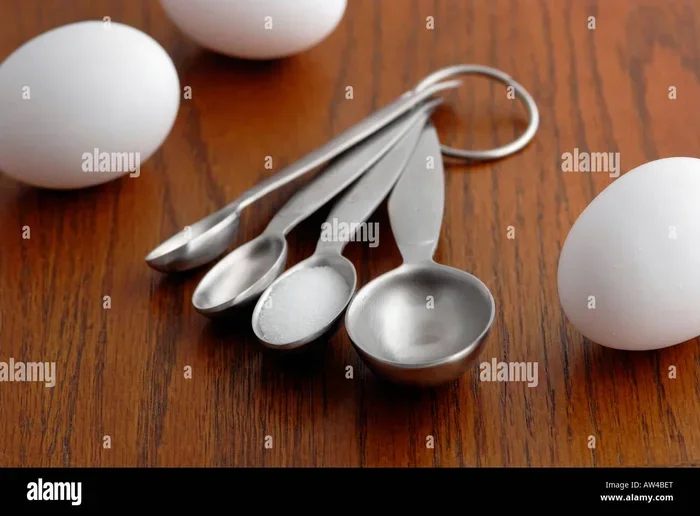
Knowing how many teaspoons in a tablespoon is one of the most important kitchen skills you can learn. The answer is simple: there are 3 teaspoons in 1 tablespoon. This basic conversion helps you scale recipes, substitute ingredients, and measure spices accurately. Whether you are baking a cake or seasoning a stir-fry, getting this right makes a huge difference in your cooking results.
Cooking should be fun, not frustrating. But here is the thing. So many recipes call for teaspoons and tablespoons, and if you do not know the exact conversion, things can go wrong fast. You might end up with a dish that is too salty, too sweet, or just flat. The good news? How many teaspoons in a tablespoon is one of the easiest kitchen facts to learn. Once you know it, you will never second-guess a recipe again.
Whether you are a beginner just starting out in the kitchen or a seasoned cook looking to sharpen your skills, understanding basic cooking measurements is essential. This guide covers everything you need to know about the teaspoon-to-tablespoon relationship. We will walk through the simple math, share practical tips, and help you avoid the most common measurement mistakes. Let us get started.
Key Takeaways
- 3 teaspoons equal 1 tablespoon: This is the standard US conversion every cook should know.
- Teaspoons and tablespoons measure volume: They are not the same as weight measurements like grams.
- Accuracy matters in baking: Small measurement errors can change the texture and taste of baked goods.
- Use proper measuring spoons: Regular spoons from your drawer are not precise enough for cooking.
- Metric conversions exist too: One tablespoon equals about 15 milliliters in the metric system.
- Level your spoons: Always scrape off excess for the most accurate measurement.
- Know your substitutions: When you are missing a tablespoon, three level teaspoons work perfectly.
📑 Table of Contents
What Is a Teaspoon?
A teaspoon is a small unit of volume measurement used in cooking and baking. It is one of the most common kitchen measurements you will see on recipe cards, spice jars, and ingredient labels. In the United States, a standard teaspoon holds about 5 milliliters of liquid. In the metric system, it is very close to that same amount.
Teaspoons are typically used for small quantities. Think salt, sugar, vanilla extract, baking powder, or spices. Because these ingredients pack a lot of flavor, using the right amount matters a great deal. A little too much or too little can completely change the taste of your dish.
When Do You Use a Teaspoon?
You will reach for a teaspoon in many cooking situations. Here are some common examples:
- Seasoning: Adding salt or pepper to a dish while cooking.
- Baking: Measuring baking powder, baking soda, or a pinch of cinnamon.
- Flavorings: Pouring vanilla extract, lemon juice, or hot sauce.
- Medicine: Many liquid medicines use teaspoon measurements on the label.
As you can see, the teaspoon shows up everywhere. That is exactly why knowing your volume measurement basics is so important.
What Is a Tablespoon?
A tablespoon is a larger unit of volume measurement compared to a teaspoon. In the US standard system, one tablespoon equals about 15 milliliters. It is roughly the size of the tip of your thumb, which is a handy mental picture when you do not have a measuring spoon nearby.
Tablespoons are used for bigger quantities than teaspoons. You might measure oil, butter, sugar, flour, or sauces with a tablespoon. In many recipes, the tablespoon is the go-to unit for liquids and dry ingredients alike.
Tablespoon vs. Dinner Spoon
Here is a quick note that trips up a lot of people. A tablespoon is not the same as a regular dinner spoon you eat with. A dinner spoon holds more volume than a standard tablespoon. So if you use your dinner spoon to measure ingredients, your amounts will be off. Always use a proper measuring spoon set for accurate results.
How Many Teaspoons in a Tablespoon?
Here is the answer you have been waiting for. There are exactly 3 teaspoons in 1 tablespoon. This is the standard tablespoon conversion used in the United States and most countries that follow the imperial measurement system.
This simple relationship makes recipe conversions easy. If a recipe calls for 1 tablespoon of honey and you only have a teaspoon, just use 3 level teaspoons. If you need 2 tablespoons of olive oil, that is 6 teaspoons. The math is straightforward once you know the base ratio.
The Math Behind the Conversion
Let us break this down with a few quick examples so the concept really sticks:
- 1 tablespoon = 3 teaspoons
- 2 tablespoons = 6 teaspoons
- 3 tablespoons = 9 teaspoons
- 4 tablespoons (¼ cup) = 12 teaspoons
- 8 tablespoons (½ cup) = 24 teaspoons
Once you memorize that 1 tablespoon equals 3 teaspoons, you can do all of these conversions in your head. It is one of the most useful cooking conversions to have in your back pocket.
How This Relates to Your Fitness Nutrition
If you are tracking what you eat for fitness goals, understanding measurements becomes even more important. For example, if you are meal prepping and reading that a serving of a kettlebell workout recovery drink calls for 1 tablespoon of protein powder, you know that is 3 teaspoons. Many people who track their calorie burn from activities like how many calories does a kettlebell workout burn also pay close attention to portion sizes in the kitchen. Accurate measuring helps you fuel your body properly after a tough session.
Similarly, if you are counting calories from cardio like jump rope, knowing that 30 minutes of jump rope can burn a significant number of calories means you want to be precise about what you eat afterward. Using the right measuring spoons ensures your portion control stays on track.
Conversion Chart and Quick Reference
Having a quick reference chart makes cooking so much smoother. Here is a handy measurement chart for teaspoons and tablespoons:
- 1 teaspoon (tsp) = 1/3 tablespoon
- 2 teaspoons (tsp) = 2/3 tablespoon
- 3 teaspoons (tsp) = 1 tablespoon (tbsp)
- 6 teaspoons (tsp) = 2 tablespoons
- 9 teaspoons (tsp) = 3 tablespoons
- 12 teaspoons (tsp) = 4 tablespoons (¼ cup)
- 24 teaspoons (tsp) = 8 tablespoons (½ cup)
Print this out or save it on your phone. You will find yourself reaching for it more often than you think. It is one of the best kitchen conversions to have on hand, especially when you are trying a new recipe for the first time.
Metric vs. Imperial Measurements
Different countries use different measurement systems. In the United States, the imperial system dominates, and the tablespoon-to-teaspoon ratio is 3 to 1. In the metric system, which is used in most other countries, 1 tablespoon equals 15 milliliters and 1 teaspoon equals 5 milliliters. That also gives you a 3-to-1 ratio, so the conversion holds true worldwide. This makes life much easier for cooks who follow international recipes.
Tips for Accurate Measuring
Knowing the conversion is only half the battle. How you actually measure your ingredients makes a big difference too. Here are some tried-and-true tips that will improve your accuracy every time you cook.
Use the Right Tools
Always use a proper set of measuring spoons. These are designed to hold exact volumes at the rim. Regular spoons from your kitchen drawer vary widely in size and shape. A tablespoon from your silverware drawer might hold 20 milliliters instead of 15. That difference adds up, especially in baking.
Level Off Dry Ingredients
When measuring dry ingredients like flour, sugar, or spices, use a flat edge (like the back of a knife) to level off the top of the spoon. This is called a level measurement. Scooping directly from the bag can pack the ingredient in and give you more than the recipe intended.
Measure Liquids at Eye Level
For liquid ingredients like water, oil, or vinegar, place your measuring spoon on a flat surface and bend down to check the level at eye height. This prevents over-pouring and gives you a much more accurate result.
Do Not Pack the Spoon
With the exception of brown sugar (which is often packed), most dry ingredients should be lightly spooned into the measuring spoon and then leveled. Packing ingredients down leads to using more than you should, which can throw off the balance of a recipe.
Use a Kitchen Scale for Precision
If you really want to be precise, especially for baking, consider using a kitchen scale. Volume measurements like teaspoons and tablespoons can vary slightly depending on how tightly an ingredient is packed. Weight measurements in grams give you the most consistent results every single time.
Common Mistakes When Measuring
Even experienced cooks make measurement errors from time to time. Here are the most common mistakes and how to avoid them.
Confusing Teaspoons and Tablespoons
This is the number one mistake. A teaspoon is much smaller than a tablespoon. Using a tablespoon when a recipe calls for a teaspoon can make a dish overwhelmingly salty or sweet. Always double-check which spoon the recipe asks for before you start measuring.
Using the Wrong Type of Spoon
As mentioned earlier, a dinner spoon is not a tablespoon. And a coffee spoon is certainly not a teaspoon. Always reach for your measuring spoons, not your everyday flatware, when a recipe calls for specific amounts.
Not Accounting for Ingredient Density
One tablespoon of honey weighs more than one tablespoon of flour because honey is denser. This is why volume measurements are not always the same as weight measurements. Keep this in mind when substituting ingredients or scaling recipes up or down.
Eyeballing Instead of Measuring
It is tempting to just guess, especially when you are cooking by feel. But eyeballing almost always leads to inaccurate amounts. Taking the extra few seconds to measure properly can be the difference between a good dish and a great one.
Why Precision Matters in Cooking and Baking
Cooking is more forgiving than baking. If you add a little extra salt to a soup, you can adjust the flavor later. But if you add too much baking powder to a cake, there is no going back. Baking is a science, and precise measurements are the foundation of success.
Understanding how many teaspoons in a tablespoon gives you the flexibility to adjust recipes on the fly. You can halve or double a recipe with confidence. You can substitute ingredients without guessing. You can scale a family recipe up for a dinner party or down for a single serving.
Beyond baking, precision in measuring helps with portion control, which matters for anyone watching their nutrition. If you are tracking your daily calorie intake alongside your exercise routine, accurate measurements ensure your numbers are reliable. Whether you are monitoring your calorie burn from activities like an hour of jump rope or simply trying to eat balanced meals, getting your portions right starts with the right tools and knowledge.
So take a moment to get yourself a good set of measuring spoons. Learn the basic conversions. Practice leveling and measuring properly. These small habits compound over time and will seriously elevate your cooking.
Frequently Asked Questions
Can I use a regular spoon from my kitchen drawer instead of a measuring spoon?
You can, but the results will not be as accurate. Regular spoons vary in size and are not designed for precise volume measurement. For baking especially, always use proper measuring spoons to get consistent results every time.
Is a tablespoon the same in all countries?
In most countries, the ratio of 3 teaspoons to 1 tablespoon holds true. The US tablespoon is about 15 milliliters, and the metric tablespoon in some countries is 20 milliliters. However, the teaspoon-to-tablespoon relationship of 3 to 1 remains standard in most recipes you will encounter.
How do I convert teaspoons to tablespoons quickly?
Simply divide the number of teaspoons by 3. For example, 9 teaspoons divided by 3 equals 3 tablespoons. This quick trick makes recipe conversions fast and easy, even when you are in the middle of cooking.
Does the weight of a teaspoon change depending on the ingredient?
The volume of a teaspoon stays the same, but the weight changes based on density. A teaspoon of honey weighs more than a teaspoon of flour. For the most accurate results in baking, use a kitchen scale to measure by weight rather than volume.
What is the difference between a liquid measuring cup and a dry measuring cup?
Liquid measuring cups are designed to measure volume for fluids and have a spout for pouring. Dry measuring cups are designed to be filled and leveled off for solid ingredients. Using the right one for each type of ingredient improves your cooking measurements significantly.
How can I remember that 3 teaspoons equal 1 tablespoon?
Think of it this way: a tablespoon is a big spoon and it takes three small teaspoons to fill it up. Some cooks use the mnemonic “Three little teaspoons make one big tablespoon.” Once you have it locked in, the conversion becomes second nature.
Conclusion
How many teaspoons in a tablespoon is a simple question with a powerful answer: 3 teaspoons make 1 tablespoon. This basic cooking conversion is one of the first things every new cook should learn, and it stays useful no matter how experienced you become. From scaling recipes to substituting ingredients to practicing better portion control, knowing this ratio gives you confidence in the kitchen.
Pair this knowledge with the right measuring tools, a little practice, and the tips shared in this guide, and you will be measuring like a pro in no time. Remember to level your spoons, use the correct tools, and never eyeball important ingredients. These small steps add up to consistently better meals and baked goods.
So the next time you are in the kitchen and a recipe calls for a tablespoon, you will know exactly what to do. Reach for your measuring spoons, count out three level teaspoons, and keep cooking with confidence. Happy cooking!