My Husband Gives the Bird More Attention Than Me and Is Always Angry with Me
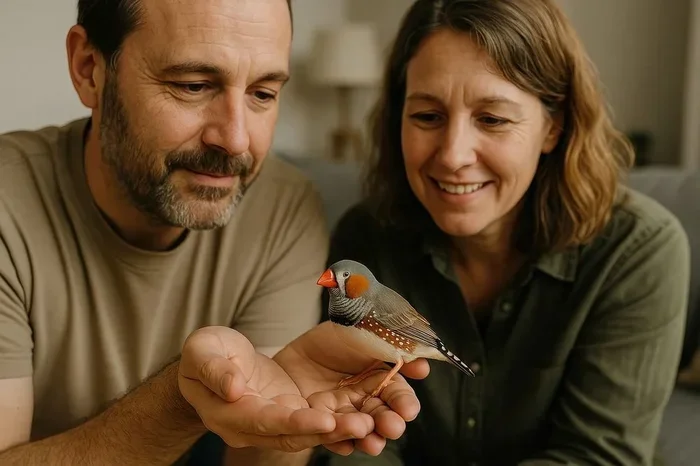
Feeling like your husband prioritizes the pet bird over you is painful and isolating. When he is always angry and showers more affection on the bird, it can erode your self-esteem and damage the marriage. This guide covers the real reasons behind this behavior, how it affects you, and actionable steps you can take to address the imbalance and protect your emotional health.
Marriage is supposed to be a partnership built on mutual love, respect, and attention. But when my husband gives the bird more attention than me and is always angry with me, it can feel like you are living alone in your own home. The sting of watching your spouse dote on a pet while ignoring your emotional needs is real and deeply painful. This article explores why this happens, how it affects your well-being, and what you can do about it.
You are not overreacting. Feeling neglected by a partner who pours affection into a feathered friend is a legitimate concern. Many spouses find themselves in this exact situation, wondering what went wrong and how to fix it. The good news is that there are practical steps you can take to address the imbalance and reclaim your sense of worth in the relationship.
Key Takeaways
- Pet favoritism is common: Many husbands form deep bonds with pets, sometimes at the expense of their marriage.
- Anger often masks deeper issues: Your husband’s frustration may stem from stress, avoidance, or unmet emotional needs.
- Communication is essential: Using I statements and choosing the right moment can open productive dialogue.
- Self-care matters: Exercise and stress relief help you maintain emotional strength during this challenging time.
- Professional help works: Couples therapy and individual counseling can address deep-rooted patterns of neglect and anger.
- You deserve equal attention: Your emotional needs are valid and worth advocating for in the relationship.
📑 Table of Contents
- Why Your Husband Gives the Bird More Attention Than You
- Recognizing the Signs of Emotional Neglect
- Why Does This Happen in Marriage
- How to Communicate Your Feelings
- Practical Steps to Rebalance Your Marriage
- When to Seek Professional Help
- Comparing Emotional Needs: Pet Bird vs. Marriage Partner
- Common Mistakes to Avoid
- Expert Insights on Pet Favoritism in Marriage
- Key Takeaways
Why Your Husband Gives the Bird More Attention Than You
Understanding the root cause is the first step toward solving the problem. There are several reasons why a husband might prioritize a pet bird over his spouse.
The Bond Between Men and Their Pets
Pets offer something that can feel easier than human connection. A bird does not judge, does not argue back, and provides constant companionship without demanding emotional labor. For many men, this low-pressure bond becomes deeply comforting. Pet favoritism is more common than most people realize, and it often stems from a genuine emotional connection that formed over time.
Birds are particularly engaging pets. They sing, they mimic words, and they respond to their owners in ways that feel rewarding. Your husband may genuinely love the bird and feel a sense of pride in caring for it. That love is real, but it should not come at the cost of your emotional needs in the marriage.
Why Birds Specifically Can Be So Captivating
Birds require daily care, which creates a routine that owners can become attached to. The morning feeding, the evening songs, the playful chirping, all of these small moments add up. Unlike a dog that needs walks or a cat that demands less attention, a bird can sit on your shoulder and feel like a constant companion.
This routine of care can feel more predictable and less emotionally charged than navigating the complexities of a marriage. For a husband who struggles with emotional vulnerability, the bird becomes a safe harbor. He knows exactly what the bird needs, and the bird responds with affection on its own terms.
Recognizing the Signs of Emotional Neglect
When a husband is always angry and gives more attention to the pet, the signs of emotional neglect can be subtle at first. Over time, they become impossible to ignore.
How Anger Becomes a Pattern
Anger in a marriage is not always about the pet. Often, the anger is a symptom of deeper frustration, stress, or avoidance. If your husband lashes out at you regularly but remains calm and gentle with the bird, it creates a painful dynamic. You start to feel like the bird is the favored one, and you are the one who always has to walk on eggshells.
Chronic anger in a relationship erodes trust and intimacy. It makes you feel small, unheard, and unappreciated. The constant tension can lead to anxiety, sleep problems, and a growing sense of isolation. These are signs that something needs to change, and it needs to change soon.
The Impact on Your Self-Worth
Being consistently overlooked in favor of a pet takes a toll on your self-esteem. You may start to question your worth as a wife, as a partner, and as a person. Emotional neglect is one of the most damaging forces in a marriage because it is often invisible to outsiders but devastating to the person experiencing it.
You might find yourself making excuses for your husband’s behavior or minimizing your own feelings. This is a natural response, but it only deepens the imbalance. Recognizing that your feelings are valid is the first step toward addressing the problem.
Why Does This Happen in Marriage
There are deeper dynamics at play when a husband channels his emotional energy into a pet rather than his spouse. Understanding these patterns can help you approach the situation with more clarity and less personal hurt.
Pets as Emotional Substitutes
Sometimes, a pet becomes an emotional substitute for the things a person struggles to find in their marriage. The bird provides unconditional acceptance, a sense of purpose through caregiving, and a daily routine that feels manageable. For a husband who finds marriage conflict overwhelming, the pet offers a safe space where he feels competent and loved without the complexity of human emotions.
This does not mean he does not love you. It means he may be avoiding the harder work of emotional connection with a human partner. The bird becomes a coping mechanism, and over time, the attachment grows stronger than the marital bond.
Avoidance and Conflict Resolution
Some husbands use anger as a way to avoid dealing with deeper issues in the marriage. Instead of sitting down and having an honest conversation about what is missing, they express frustration through anger. The pet bird becomes a convenient distraction from these unresolved tensions.
If your husband is always angry with you but gentle with the bird, consider whether the anger is really about you or about something else. Sometimes relationship conflict is not about the surface issue. It is about unspoken needs, unmet expectations, and unresolved resentment that has built up over months or years.
How to Communicate Your Feelings
Talking to your husband about how you feel is essential, but it needs to be done carefully. The wrong approach can make things worse, especially if he is already prone to anger.
Choosing the Right Time to Talk
Timing matters. Do not bring up your concerns in the heat of an argument or right after he has spent a long time with the bird. Choose a calm moment when you are both relaxed and there are no distractions. A quiet evening after the bird has gone to sleep can be a good opportunity.
Start the conversation gently. Avoid blame and accusations. Instead of saying “You care more about the bird than me,” try something like “I feel lonely when I do not get your full attention.” This approach invites empathy rather than defensiveness.
Using I Statements Effectively
I statements are one of the most powerful tools in healthy communication. They focus on your feelings rather than his behavior, which reduces the chance of triggering anger. Here are some examples:
- “I feel hurt when I do not get the same attention you give the bird.”
- “I need more quality time with you to feel connected in our marriage.”
- “I feel unappreciated when my efforts around the house go unnoticed.”
These statements are honest without being attacking. They give your husband a clear picture of what you need without putting him on the defensive.
Practical Steps to Rebalance Your Marriage
Communication is only one part of the solution. You also need practical strategies to address the imbalance and create a healthier dynamic in your home.
Setting Boundaries With Pet Time
It is not about taking the bird away or eliminating the bond your husband has with the pet. It is about setting healthy boundaries. For example, you might suggest that certain times of the day are dedicated to couple time, with no pet interruptions. Marriage boundaries are not about controlling your partner; they are about protecting the relationship.
You can also involve your husband in activities that do not center around the bird. Go for a walk together, try a new hobby, or plan a date night. The goal is to shift some of his attention back toward you and the relationship.
Reclaiming Quality Time Together
Quality time does not have to be elaborate. It can be as simple as cooking dinner together, watching a movie without the bird on your husband’s shoulder, or going for a walk in the evening. Physical activity together, like a light walk or walking on the treadmill, can also help both of you reconnect. Many people find that exercise clears the mind and opens up space for honest conversation.
The key is consistency. Small, regular moments of connection matter more than grand gestures. Over time, these shared experiences rebuild the emotional closeness that the bird may have taken over.
Taking Care of Yourself
While you work on the marriage, do not neglect your own well-being. Exercise is a powerful tool for managing stress and maintaining emotional balance. Whether it is a workout at home or a session on the elliptical for calorie burning and stress relief, staying active helps you process difficult emotions and maintain the strength you need to navigate this situation.
Journaling, talking to a trusted friend, or practicing mindfulness can also help you stay grounded. You cannot pour from an empty cup, and taking care of yourself is not selfish. It is necessary.
When to Seek Professional Help
Sometimes, the patterns of neglect and anger are too deep to resolve on your own. There is no shame in seeking help, and doing so can be the turning point your marriage needs.
Couples Therapy Options
A qualified therapist can help both of you identify the underlying causes of the imbalance. Couples therapy provides a safe, neutral space where both partners can express their feelings without fear of retaliation or dismissal. A therapist can also teach you both healthier ways to communicate and connect.
Many couples find that therapy works best when both partners are willing to participate. If your husband is resistant, consider starting with individual sessions for yourself. A therapist can help you develop strategies for coping and communicating, regardless of whether your husband is ready to change.
Individual Counseling for You
Even if your husband does not join couples therapy, individual counseling can be incredibly valuable for you. It gives you a space to process your feelings, build resilience, and gain clarity about what you want from the relationship. Individual therapy is not a sign of weakness. It is a proactive step toward protecting your mental health and making informed decisions about your future.
Remember, you deserve a marriage where you feel seen, heard, and valued. If the current dynamic is not working, it is okay to seek help and set boundaries to protect yourself.
Comparing Emotional Needs: Pet Bird vs. Marriage Partner
To understand the imbalance better, it helps to compare what a pet bird offers versus what a marriage partner should provide. This table highlights the key differences.
| Aspect | Pet Bird | Marriage Partner |
|---|---|---|
| Emotional Complexity | Simple, predictable responses | Deep, nuanced emotional connection |
| Communication | Non-verbal, low-pressure | Verbal, requires vulnerability |
| Conflict | No arguments or disagreements | Natural disagreements that build growth |
| Attention Required | Routine-based, scheduled | Ongoing, spontaneous, and emotional |
| Long-Term Fulfillment | Provides comfort but not deep connection | Offers growth, intimacy, and partnership |
As you can see, a pet bird offers comfort and routine, but it cannot replace the deep emotional connection that a marriage partner should provide. Recognizing this difference is important for understanding why the imbalance feels so painful.
Common Mistakes to Avoid
When dealing with a husband who gives the bird more attention than you and is always angry, it is easy to fall into traps that make things worse. Here are some mistakes to watch out for.
- Avoiding the conversation entirely: Pretending everything is fine only lets the resentment build. Address the issue before it grows.
- Blaming the bird: The bird is not the enemy. Your husband is the one making choices about where to direct his attention and energy.
- Giving ultimatums without a plan: Threatening to leave or remove the bird without a constructive plan can backfire and create more anger.
- Ignoring your own needs: Focusing only on his behavior while neglecting your own well-being will leave you exhausted and resentful.
- Comparing yourself to the bird: You are not a pet. You are a whole person with complex emotional needs that deserve to be met.
Avoiding these mistakes keeps you grounded and focused on what truly matters: finding a healthy path forward in your marriage.
Expert Insights on Pet Favoritism in Marriage
Relationship experts have noted that pet obsession in marriage is often a sign of emotional avoidance. Dr. Gary Chapman, author of The Five Love Languages, explains that some partners redirect their need for connection toward pets when they struggle to express vulnerability with their spouse. This does not mean the marriage is over. It means there is an unmet need that needs to be addressed.
Experts also emphasize that anger in relationships is rarely about the surface issue. When a husband is consistently angry with his wife but gentle with the pet, it often points to a deeper fear of emotional intimacy or a learned pattern of conflict avoidance. Understanding this can help you approach the situation with more compassion, even as you set firm boundaries.
Key Takeaways
- Pet favoritism is common: Many husbands form deep bonds with pets, sometimes at the expense of their marriage.
- Anger often masks deeper issues: Your husband’s frustration may stem from stress, avoidance, or unmet emotional needs.
- Communication is essential: Using I statements and choosing the right moment can open productive dialogue.
- Self-care matters: Exercise and stress relief help you maintain emotional strength during this challenging time.
- Professional help works: Couples therapy and individual counseling can address deep-rooted patterns of neglect and anger.
- You deserve equal attention: Your emotional needs are valid and worth advocating for in the relationship.
Frequently Asked Questions
Why does my husband pay more attention to the pet bird than to me?
Birds provide predictable, low-pressure companionship that can feel easier than navigating the complexities of a marriage. Your husband may have formed a deep bond with the bird because it offers immediate rewards like songs and interaction without the emotional challenges of human communication.
Is it normal for a spouse to prefer a pet over their partner?
Pet favoritism is more common than many people admit. It does not necessarily mean your husband does not love you. It often reflects an avoidance of deeper emotional work or a preference for the simplicity of pet care over the complexity of marital connection.
How do I talk to my husband about feeling neglected?
Choose a calm moment, avoid blame, and use I statements to express how you feel. Focus on your emotions and needs rather than accusing him of neglecting you. This approach reduces defensiveness and opens the door for productive conversation.
Can a marriage recover from emotional neglect caused by pet favoritism?
Yes, many marriages recover from this pattern with effort from both partners. Open communication, setting boundaries, and often professional guidance can help restore balance and rebuild the emotional connection that may have been lost.
Should I be worried about my husband’s constant anger?
Chronic anger in a marriage is a serious concern. If your husband is frequently angry with you but calm with the bird, it may indicate deeper issues like stress, avoidance, or unresolved conflict. Consider seeking professional help if the anger feels controlling or harmful.
What if my husband refuses to change or seek help?
You cannot force someone to change, but you can set boundaries and prioritize your own well-being. Individual therapy can help you process the situation and make decisions about what is best for you. Your emotional health should always come first.
=== CONCLUSION ===
My husband gives the bird more attention than me and is always angry with me is a painful reality for many wives, but it is not a hopeless one. Understanding why the imbalance exists, communicating your feelings clearly, and taking practical steps to rebalance the relationship are all within your power. Whether you seek couples therapy, individual counseling, or simply start setting healthier boundaries, the most important thing is to recognize that your emotional needs matter.
You deserve a marriage built on mutual love, attention, and respect. Do not settle for a relationship where a pet bird receives more care and affection than you do. Start taking steps today to reclaim the connection you deserve, protect your self-worth, and build a partnership that truly honors both of you.