How Many Calories Does a Stationary Bike Burn
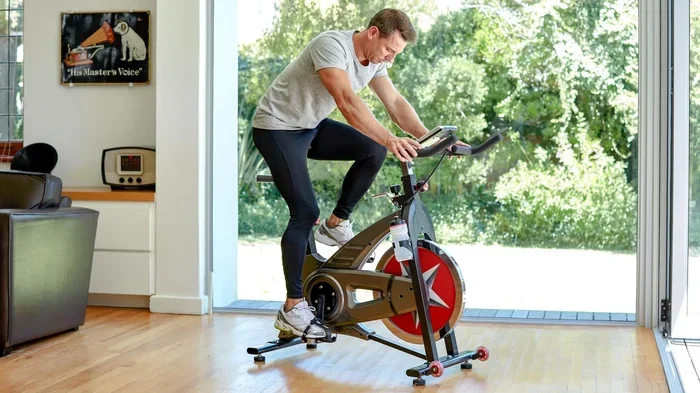
Riding a stationary bike can burn between 400 and 1000 calories per hour, depending on your weight, intensity level, and workout duration. This low-impact cardio machine offers a joint-friendly way to burn calories and improve fitness from the comfort of home.
Have you ever wondered how many calories does a stationary bike burn during a typical workout? Whether you are trying to shed a few pounds or simply stay active, understanding the calorie burn from your stationary bike workout can make a huge difference. A stationary bike is one of the most popular pieces of home cardio equipment. It is simple, effective, and easy to use. But how does it stack up when it comes to burning calories?
The answer depends on several factors. Your weight, the intensity of your ride, the duration of your session, and even the type of bike you use all play a role. In this guide, we will break down everything you need to know about calories burned on a stationary bike. You will learn how to estimate your burn, what affects your results, and how to get the most out of every workout. Let us dive in.
Key Takeaways
- Calorie burn varies widely: A 155-pound person burns roughly 400–600 calories in 30 minutes at moderate intensity.
- Intensity matters most: Higher resistance and interval training dramatically increase your calorie burn.
- Body weight plays a role: Heavier individuals burn more calories doing the same workout.
- Consistency beats intensity: Regular sessions deliver better long-term results than occasional extreme workouts.
- Stationary bikes are joint-friendly: They offer a low-impact alternative to running or jumping exercises.
- You can boost burn further: Adding intervals, increasing resistance, and extending session length all help.
📑 Table of Contents
How Many Calories Does a Stationary Bike Burn Per Hour?
The number of calories you burn on a stationary bike depends largely on your body weight and workout intensity. A person weighing around 155 pounds can expect to burn roughly 400 to 600 calories in one hour at a moderate pace. If you increase the intensity to a vigorous level, that number can rise to 700 or more calories per hour.
Here is a quick look at estimated calorie burn based on body weight and intensity level. These numbers are for a 60-minute session:
- Light intensity (120–140 watts): A 155-pound person burns about 300–400 calories.
- Moderate intensity (140–160 watts): The same person burns around 400–600 calories.
- Vigorous intensity (160–200 watts): Calorie burn jumps to 600–800 calories.
- Very high intensity (200+ watts): You can burn 800–1000+ calories in an hour.
If you weigh more, you will burn more calories. For example, a 185-pound person doing the same moderate workout might burn closer to 500–700 calories per hour. Lighter individuals will burn fewer calories at the same intensity. Calories burned riding a stationary bike can also vary based on whether you use a recumbent bike or an upright bike. Both styles work your legs and cardiovascular system, but upright bikes tend to engage more muscles, which can slightly increase your burn.
What About Shorter Workouts?
Not everyone has an hour to spare on the bike. The good news is that even shorter sessions still count. A 30-minute moderate ride can burn 200–300 calories for most people. A 20-minute high-intensity session can torch 250–400 calories. Every minute on the bike adds up, and consistency is what really drives results over time.
If you are curious about specific time frames, you might want to check out how long it takes to burn 500 calories on a stationary bike. That article breaks down time-based calorie goals in detail.
Factors That Affect Calorie Burn on a Stationary Bike
Not all workouts burn the same number of calories. Several key factors influence how much energy you use during a stationary bike session. Understanding these factors can help you plan smarter workouts and get better results.
Body Weight
This is the single biggest factor. Heavier bodies require more energy to move, which means more calories burned. A 200-pound person will burn more calories than a 130-pound person doing the exact same workout at the same intensity. This is why calorie burn estimates always list a weight range.
Workout Intensity
Intensity is the engine behind your calorie burn. Pedaling at a leisurely pace burns fewer calories than pushing hard against resistance. When you increase the resistance on your bike, your muscles work harder. This forces your body to use more energy, which means more calories burned.
High-intensity interval training, or HIIT, is especially effective. You alternate between short bursts of all-out effort and periods of rest or low pedaling. This style of indoor cycling workout can boost your calorie burn well beyond what a steady, moderate ride delivers. Plus, the afterburn effect means you continue burning extra calories even after you stop pedaling.
Duration of Your Ride
Longer rides naturally burn more calories. A 10-minute session will not match the calorie burn of a 45-minute ride. But duration alone does not tell the whole story. A short, intense workout can sometimes burn more calories than a longer, easy one. The key is finding a balance you can sustain over time.
Bike Type and Setup
The type of bike you use matters too. Upright bikes mimic outdoor cycling and engage your core and upper body slightly more. Recumbent bikes are more comfortable and easier on the back, but they may burn slightly fewer calories because they support more of your body weight. Proper bike setup, including seat height and pedal strap tightness, also affects how efficiently you pedal and how many calories you burn.
Fitness Level and Efficiency
As you get fitter, your body becomes more efficient at pedaling. This means you might burn fewer calories doing the same workout over time. To keep challenging your body, you need to increase resistance, add intervals, or extend your ride duration. Progressive overload is the principle behind continued improvement.
Stationary Bike vs Other Cardio Machines
How does a stationary bike compare to other popular cardio machines? Many people wonder whether they should choose a bike over a treadmill or an elliptical. The answer depends on your goals, preferences, and physical needs.
Stationary Bike vs Treadmill
A treadmill generally burns more calories than a stationary bike at the same effort level. Running is a high-impact activity that engages more muscle groups. However, a stationary bike is much easier on your joints. If you have knee, hip, or ankle issues, the bike is a safer choice.
For a direct comparison, check out our article on does a stationary bike or treadmill burn more calories. It covers the numbers in detail.
Stationary Bike vs Elliptical
An elliptical machine offers a full-body workout that engages both your upper and lower body. This can lead to a higher calorie burn than a stationary bike. However, the bike is still excellent for targeting your lower body and building cardiovascular endurance. Both machines are low-impact, making them great options for people who want to protect their joints.
Stationary Bike vs Jump Rope
Jump rope is one of the most calorie-torching exercises you can do. A 30-minute jump rope session can burn 300–500 calories depending on your weight and pace. A stationary bike at moderate intensity burns fewer calories in the same time frame. But the bike is much easier on your joints and does not require the same level of coordination.
Both are excellent tools for a well-rounded fitness routine. You can alternate between them throughout the week for variety and balanced results.
How to Maximize Your Calorie Burn on a Stationary Bike
Want to get the most out of every ride? There are several proven strategies to boost your calorie burn and take your stationary bike workout to the next level.
1. Add Interval Training
Interval training is the single most effective way to increase calorie burn on a bike. Instead of pedaling at a steady pace, alternate between high-intensity bursts and recovery periods. For example, pedal all-out for 30 seconds, then recover at a slow pace for 60 seconds. Repeat this cycle for 15–20 minutes.
This approach keeps your heart rate elevated and challenges your muscles in new ways. You will burn more calories during the workout and continue burning extra calories afterward. This afterburn effect is called excess post-exercise oxygen consumption, or EPOC.
2. Increase Resistance
Turning up the resistance makes your legs work harder. More muscle effort means more energy used, which equals more calories burned. Try increasing resistance gradually during your ride. You can also do hill模拟 workouts where you alternate between high and low resistance to mimic climbing.
3. Extend Your Ride Duration
Longer rides naturally burn more calories. If you currently ride for 20 minutes, try extending to 30 or 40 minutes. The key is to build up gradually so your body adapts without getting burned out. Consistency over time matters more than any single workout.
For more tips on boosting your burn, see our guide on how to burn more calories on a stationary bike.
4. Use Proper Form
Good form helps you pedal more efficiently and engage the right muscles. Keep your back straight, your core engaged, and your hands relaxed on the handlebars. Avoid leaning too far forward or hunching your shoulders. Proper form not only improves calorie burn but also reduces your risk of injury.
5. Stay Consistent
The best workout is the one you do regularly. Aim for at least three to five rides per week. Mix up the intensity and duration to keep things interesting and challenge your body in different ways. Over weeks and months, this consistency adds up to significant calorie burn and real fitness gains.
Is Riding a Stationary Bike Good for Weight Loss?
Riding a stationary bike can absolutely support weight loss when combined with a healthy diet and consistent routine. It is one of the best low-impact cardio options available. You do not need to be a fitness expert to get started. Simply hop on the bike, set a comfortable pace, and ride regularly.
To lose one pound of body fat, you need to burn roughly 3500 calories more than you consume. A 155-pound person doing a 30-minute moderate ride burns about 300 calories. If you ride five days a week, that adds up to 1500 calories burned per week from biking alone. Combine this with a balanced diet and a slight calorie deficit, and you will see steady progress.
Riding a stationary bike also helps preserve lean muscle mass while you lose weight. This is important because muscle tissue burns more calories at rest than fat tissue. By keeping your muscles active through cycling, you support a healthier metabolism over the long term.
For more on how stationary biking supports your weight loss goals, check out how does a stationary bike help you lose weight. It covers the connection between cycling and weight management in depth.
Final Thoughts
How many calories does a stationary bike burn? The answer is clear: it burns a significant number of calories, making it one of the best cardio machines for home fitness. Whether you are aiming to burn 300 calories in 30 minutes or push past 1000 calories in an hour, the stationary bike gives you the tools to get there. The key is to understand your own body, set realistic goals, and stay consistent with your workouts.
Remember that calorie burn is just one piece of the puzzle. The stationary bike also improves your heart health, boosts your mood, strengthens your legs, and increases your overall endurance. These benefits go far beyond the number on a calorie tracker. Start where you are, ride regularly, and enjoy the journey toward a fitter, healthier you.
Every ride counts. Whether it is a quick 15-minute session or a full hour of intense cycling, you are doing something great for your body. Keep pedaling, keep improving, and keep having fun on your stationary bike.
Frequently Asked Questions
How many calories does a 30-minute stationary bike session burn?
A 30-minute moderate stationary bike session burns roughly 200–300 calories for most people. If you increase the intensity to vigorous, you can burn 300–500 calories in the same timeframe. Your exact burn depends on your body weight and the resistance level you use during the workout.
Does a stationary bike burn belly fat?
Spot reduction is a myth, but a stationary bike helps you burn overall body fat, including belly fat. Consistent cycling creates a calorie deficit, which is essential for fat loss. Pair your rides with strength training and a balanced diet for the best results.
Is riding a stationary bike every day okay?
Yes, riding a stationary bike every day is generally safe and effective. It is a low-impact exercise that puts minimal stress on your joints. Just listen to your body and adjust intensity as needed. Rest days are still important for muscle recovery and long-term progress.
How can I burn more calories on a stationary bike?
You can burn more calories by adding interval training, increasing resistance, extending ride duration, and maintaining proper form. Mixing up your workouts keeps your body challenged and prevents plateaus. Consistency and progressive effort are the keys to continuous improvement.
What is a good stationary bike workout for beginners?
A good beginner workout starts with 15–20 minutes of light to moderate pedaling. Focus on maintaining a steady pace and comfortable resistance. As your fitness improves, gradually increase the duration and intensity. The most important thing is to show up and ride consistently.
How does body weight affect calories burned on a bike?
Heavier individuals burn more calories during the same workout because their bodies require more energy to move. A 200-pound person will burn more calories than a 130-pound person at the same intensity and duration. This is why calorie burn estimates always vary by body weight.