How Many Calories Did I Burn on Elliptical

Figuring out your calories burned on elliptical sessions comes down to your weight, intensity, and duration. This guide breaks down the exact math, real-world numbers, and proven strategies so you can track every workout with confidence and reach your fitness goals faster.
You just finished an elliptical workout. You wiped the sweat from your forehead, hopped off the machine, and glanced at the display. The number stared back at you. But did you really burn that many calories? And more importantly, does the number even matter?
If you have ever hopped on an elliptical machine and wondered about your calories burned on elliptical, you are not alone. This is one of the most common questions gym-goers ask. Whether you are trying to lose weight, build endurance, or just stay active, understanding your calorie burn helps you make smarter decisions.
Here is the good news. Calculating your elliptical calorie burn is not magic. It is math, biology, and a little bit of effort. In this guide, we will walk you through everything you need to know. From the formulas behind the numbers to practical tips that actually work, you will leave with a clear picture of what your body is doing during every session.
Key Takeaways
- Calorie burn varies by weight: A 155-pound person burns roughly 335 calories in 30 minutes on a moderate elliptical.
- Intensity matters more than you think: Increasing resistance and incline can boost your elliptical calorie burn by up to 30%.
- Use the MET formula for accuracy: The Metabolic Equivalent of Task gives you a reliable estimate based on your body weight and effort level.
- Fitness trackers help but aren’t perfect: Devices like Fitbit and Apple Watch provide useful estimates, but they can be off by 10-20%.
- Duration and consistency win: Longer sessions and regular workouts compound your results over time for meaningful weight loss.
- Avoid common mistakes: Standing still on the pedals, skipping warm-ups, and ignoring resistance settings all limit your calorie burn.
- Pair your elliptical routine with nutrition: Tracking your intake alongside your energy expenditure gives you the full picture.
📑 Table of Contents
- How Many Calories Did I Burn on Elliptical? The Simple Answer
- The Math Behind Calories Burned on Elliptical
- How Long Do You Need to Burn Significant Calories?
- Maximizing Your Elliptical Calorie Burn
- Common Mistakes That Reduce Your Calorie Burn
- How Your Elliptical Workout Fits Into Your Fitness Goals
- Tracking Your Progress Over Time
- Final Thoughts on Your Elliptical Calorie Burn
How Many Calories Did I Burn on Elliptical? The Simple Answer
The short answer depends on three things: your body weight, your workout intensity, and how long you exercised. A person weighing around 155 pounds burns approximately 335 calories in 30 minutes on a moderate-intensity elliptical. Bump that up to a vigorous pace, and the number climbs closer to 450 calories in the same window.
But here is where it gets interesting. The calorie count is not one-size-fits-all. Someone who weighs 120 pounds will burn fewer calories than someone who weighs 200 pounds doing the exact same workout. This is because your body has to do more work to move a larger frame. The energy expenditure scales directly with your weight.
Most elliptical machines display a calorie estimate after your workout. But these numbers can be misleading. Many machines use a standard formula that does not account for your individual factors. They often overestimate, sometimes by as much as 20-30%. So while the display number gives you a rough idea, it should not be your only reference point.
What Affects Your Elliptical Calorie Burn?
Several factors influence how many calories you torch during an elliptical session. Understanding these can help you push harder and get better results.
- Body weight: Heavier individuals burn more calories because moving a larger body requires more energy.
- Intensity level: Going faster and pushing the resistance up forces your muscles to work harder, which increases your calorie burn.
- Exercise duration: Longer workouts naturally burn more calories, but only if you maintain a decent intensity throughout.
- Incline and resistance settings: Cranking up the incline simulates hill climbing, which engages more muscles and spikes your heart rate.
- Heart rate zone: Training in your target heart rate zone (typically 60-80% of your max heart rate) maximizes fat burning and cardiovascular benefits.
- Fitness level: As you get fitter, your body becomes more efficient, which means you burn fewer calories doing the same workout over time.
- Body composition: Muscle tissue burns more calories at rest than fat tissue, so building muscle through consistent training helps you burn more calories even when you are not exercising.
The Math Behind Calories Burned on Elliptical
Want to know the actual formula behind those calorie estimates? It is not as complicated as it sounds. The science uses something called the MET value, which stands for Metabolic Equivalent of Task.
What Is a MET Value?
A MET value represents the energy cost of physical activity compared to resting. Sitting quietly has a MET value of 1.0. A moderate-intensity elliptical workout typically has a MET value of 4.0 to 6.0. A vigorous session can reach 8.0 or higher. The higher the MET value, the more calories you burn per minute.
The formula looks like this:
Calories per minute = (MET value × 3.5 × body weight in kg) ÷ 200
Let us say you weigh 75 kilograms (about 165 pounds) and you are working out at a MET value of 5.0. Here is what the math looks like:
Calories per minute = (5.0 × 3.5 × 75) ÷ 200 = 6.56 calories per minute
Over a 30-minute session, that is roughly 197 calories. Over an hour, it doubles to about 394 calories. This gives you a solid baseline to work from.
Using Online Calorie Calculators
If the math feels like too much, you are not alone. Plenty of free online tools do the work for you. Simply enter your weight, the duration of your workout, and the activity type, and the calculator spits out an estimate. These tools use standardized MET values, so they are surprisingly accurate for general tracking purposes.
Just remember that these are estimates. They are excellent for planning and comparing, but they should not be treated as gospel. Think of them as a helpful guide rather than an exact science.
How Long Do You Need to Burn Significant Calories?
Duration plays a huge role in your calories burned on elliptical. Here is a quick breakdown of what you can expect based on different time frames and intensity levels for a person weighing around 155 pounds.
| Duration | Moderate Intensity | Vigorous Intensity |
|---|---|---|
| 15 minutes | ~165 calories | ~225 calories |
| 30 minutes | ~335 calories | ~450 calories |
| 45 minutes | ~500 calories | ~675 calories |
| 60 minutes | ~670 calories | ~900 calories |
These numbers are estimates, but they give you a clear picture of what your time on the machine can achieve. If you are short on time, a 15-minute high-intensity session can still deliver meaningful results. And if you have an hour to spare, a steady-state workout can burn over 600 calories.
For those wondering how long it takes to burn a specific number of calories, check out how many minutes on elliptical to burn 500 calories. That article breaks down the exact timing for different body weights and intensity levels.
Maximizing Your Elliptical Calorie Burn
Hopping on the elliptical and pedaling at the same pace for 30 minutes is better than doing nothing. But if you want to maximize your elliptical calorie burn, you need to be strategic about how you train.
1. Increase the Resistance
Most people stay at a low resistance level because it feels easier. But pushing the resistance up forces your legs, glutes, and core to work harder. This increases your energy expenditure significantly. Try adding resistance every few minutes during your workout and see how your heart rate responds.
2. Try Interval Training
Instead of maintaining a steady pace the entire time, alternate between high-intensity bursts and recovery periods. This style of training, often called HIIT (High-Intensity Interval Training), keeps your heart rate elevated and burns more calories in less time. Even after you step off the machine, your body continues to burn calories at an elevated rate. This is called the afterburn effect, and it is a game-changer for weight loss.
3. Focus on Your Form
Slouching on the handles or standing still on the pedals wastes energy and reduces your calorie burn. Keep your back straight, engage your core, and use the moving foot pedals to maintain a smooth, full range of motion. Pushing and pulling the handles also engages your upper body, which adds more muscles to the work and boosts your calorie count.
4. Track Your Heart Rate
Your heart rate is the best indicator of how hard your body is working. Aim to stay in your target heart rate zone, which is typically 60-80% of your maximum heart rate. Wearing a heart rate monitor or using the sensors on the elliptical machine helps you stay on track and avoid under- or over-training.
5. Mix Up Your Workouts
Doing the same elliptical routine every day can lead to a plateau. Your body adapts to the repetitive motion, and your calorie burn drops over time. Switch between steady-state sessions, interval training, and hill-climbing workouts to keep your body challenged and your cardio exercise routine fresh.
Common Mistakes That Reduce Your Calorie Burn
Avoiding these mistakes can make a big difference in your calories burned on elliptical results.
- Leaning on the handles: This takes the work off your legs and reduces your calorie burn by up to 25%. Keep your hands lightly on the handles or use the moving arm poles for a full-body workout.
- Skipping the warm-up: Jumping straight into a high-intensity workout can lead to early fatigue and poor form. A 5-minute warm-up prepares your muscles and joints for the work ahead.
- Ignoring the incline: A flat elliptical workout targets fewer muscles than one with an incline. Adding even a slight incline engages your glutes and hamstrings more effectively.
- Not tracking your workouts: If you do not record your sessions, you cannot measure progress. Use a fitness tracker or the machine’s memory function to log your workouts and compare over time.
- Overestimating your burn: Many people assume they burned more calories than they actually did. This can lead to eating more than you should, which stalls weight loss progress. Use reliable tracking methods and be honest with yourself.
How Your Elliptical Workout Fits Into Your Fitness Goals
The calories burned on elliptical is just one piece of the puzzle. Your overall fitness depends on a combination of exercise, nutrition, and recovery. The elliptical is a fantastic tool for cardio exercise and burning calories, but it works best when paired with a balanced approach.
If your main goal is weight loss, aim for at least 150 minutes of moderate-intensity aerobic exercise per week, as recommended by health experts. That could be 30 minutes on the elliptical, five days a week. If you are short on time, increase the intensity and aim for 75 minutes of vigorous exercise per week instead.
If you are looking for a specific calorie target, understanding how many calories you should burn on the elliptical helps you plan your sessions more effectively. For example, if you want to burn 500 calories per session, a 155-pound person would need to exercise at a vigorous intensity for about 35 minutes.
Remember that the elliptical is a low-impact machine, which makes it gentle on your joints compared to running. This is a huge advantage if you have knee or hip issues. You get a challenging cardio workout without the pounding stress on your body. That means you can train more consistently, which compounds your results over weeks and months.
Elliptical vs. Other Cardio Machines
Curious how the elliptical stacks up against other popular machines? Here is a quick comparison of estimated calories burned in 30 minutes for a 155-pound person:
| Machine | Moderate Intensity | Vigorous Intensity |
|---|---|---|
| Elliptical | ~335 calories | ~450 calories |
| Treadmill (running) | ~370 calories | ~500 calories |
| Stationary Bike | ~260 calories | ~390 calories |
| Rowing Machine | ~315 calories | ~420 calories |
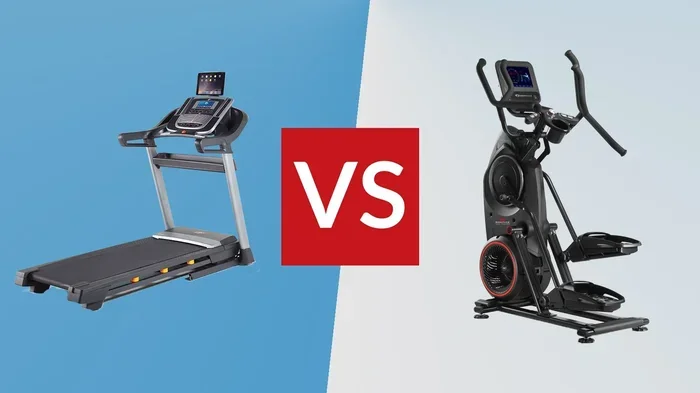
As you can see, the elliptical holds its own among the top cardio machines. It burns a comparable number of calories to the treadmill while being easier on your joints. If you want to compare your elliptical results with treadmill workouts, you can explore how many calories did I burn on the treadmill for a detailed breakdown.
For those interested in other equipment, check out how many calories do i burn on a elliptical for more specific insights tailored to your machine settings.
Tracking Your Progress Over Time
One of the best ways to stay motivated is to track your progress. Keep a log of your elliptical workouts, including the duration, intensity level, and estimated calorie burn. Over time, you will see patterns emerge. You might notice that your calorie burn increases as you get fitter, or that certain resistance levels give you better results.
Using a fitness tracker or smartwatch adds another layer of accuracy. These devices monitor your heart rate in real time and use that data to estimate calorie burn. While they are not perfect, they provide a much closer estimate than the display on the elliptical machine alone.
Set realistic goals and celebrate small wins. Maybe your first goal is to burn 300 calories in a 30-minute session. Once you hit that consistently, bump it up to 400 calories. Gradual progression keeps you engaged and prevents burnout. The key is consistency, not perfection.
Final Thoughts on Your Elliptical Calorie Burn
Understanding your calories burned on elliptical empowers you to take control of your fitness journey. You now know the factors that influence your burn, the math behind the numbers, and the strategies to maximize every session. Whether you are aiming for weight loss, better heart health, or simply a fun way to stay active, the elliptical delivers results when you use it wisely.
Do not get hung up on the exact number displayed on the machine. Focus instead on how you feel, how consistently you show up, and how your performance improves over time. The calorie count is a useful tool, but it is not the whole story. Your dedication, effort, and consistency are what truly drive results.
So the next time you step onto the elliptical, pedal with purpose. Push the resistance, engage your core, and keep your heart rate in the zone. Every minute counts, and every session moves you closer to your goals. Trust the process, track your progress, and enjoy the ride.
For more details on how long specific sessions take to hit your calorie targets, explore our guide on how many minutes on elliptical to burn 500 calories. And if you want to understand what a healthy weekly burn looks like, check out how many calories should i burn on the elliptical for personalized recommendations based on your fitness level and goals.
Frequently Asked Questions
How accurate are the calorie counts on elliptical machines?
Elliptical machine displays give you a rough estimate, but they often overestimate by 10-30%. They use generalized formulas that do not account for your individual weight, fitness level, or body composition. For a more accurate reading, pair your workout with a heart rate monitor or fitness tracker that uses your personal data.
Does body weight really affect how many calories I burn on the elliptical?
Yes, absolutely. Heavier individuals burn more calories during the same workout because their bodies require more energy to move. A person weighing 200 pounds will burn significantly more calories than someone weighing 120 pounds doing the identical elliptical session at the same intensity.
Can I burn 1000 calories on the elliptical in one session?
Burning 1000 calories on the elliptical in one session is possible but challenging. It typically requires a very vigorous intensity and a session lasting 60-90 minutes for most people. For a realistic approach, focus on consistent moderate-to-vigorous workouts and let the cumulative weekly burn add up over time.
Is the elliptical better than running for burning calories?
The elliptical and running burn a similar number of calories at comparable intensities. Running tends to burn slightly more per minute, but the elliptical is much easier on your joints. If you have knee or hip issues, the elliptical is an excellent alternative that still delivers a strong cardio workout and solid calorie burn.
How can I increase my calorie burn on the elliptical?
Increase the resistance and incline settings, try interval training with bursts of high intensity, maintain proper form by not leaning on the handles, and keep your heart rate in your target zone. These strategies engage more muscles and push your body to burn more calories during and after your workout.
How long should I exercise on the elliptical to see weight loss results?
For meaningful weight loss, aim for at least 150 minutes of moderate-intensity elliptical exercise per week, or 75 minutes of vigorous exercise. Combined with a balanced diet, this level of consistent activity creates a calorie deficit that supports healthy and sustainable weight loss over time.