Filet Mignon Cooking Time Chart
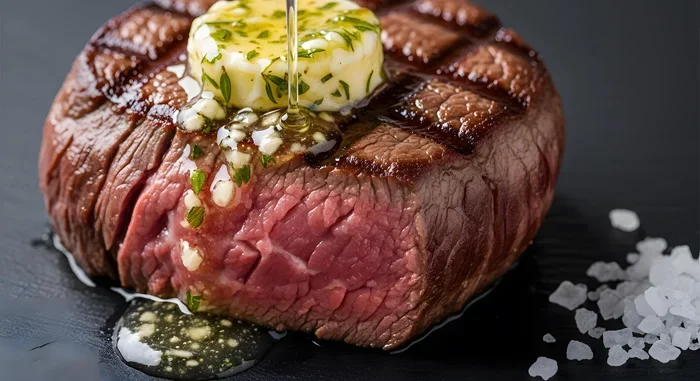
A filet mignon cooking time chart helps you cook the perfect steak every single time. Whether you prefer pan-seared, oven-baked, or sous vide, knowing the right time and temperature makes all the difference. This guide covers everything from thick cuts to thin steaks, with clear times and temperatures for each method so you can achieve a flavorful crust while keeping the inside fork tender and juicy.
There is something truly special about a perfectly cooked filet mignon. It is tender, juicy, and full of flavor. But getting it just right can feel tricky. That is where a filet mignon cooking time chart comes in handy. Whether you are a beginner or a seasoned cook, having clear times and temperatures at your fingertips changes everything. This guide gives you everything you need to cook steak like a pro.
Think about how much time you spend planning other parts of your life. You track how much time on the treadmill to lose weight to hit your fitness goals. You plan your workouts down to the minute. Cooking a great steak deserves the same level of attention. A good filet mignon cooking time chart gives you that precision.
In this article, you will find charts, tips, and methods that cover every way to cook filet mignon. We will look at pan-searing, oven-baking, sous vide, and more. By the end, you will feel confident walking into the kitchen and pulling off a restaurant-quality steak. Let us dive in.
Key Takeaways
- Use a cooking time chart: A filet mignon cooking time chart takes the guesswork out of preparing steak perfectly every time.
- Thickness matters most: Thicker cuts need lower heat and longer cooking times, while thin cuts sear fast.
- Rest your steak: Always let filet mignon rest for at least 5 minutes after cooking to keep juices inside.
- Use a meat thermometer: An accurate thermometer is the best way to hit your desired doneness every time.
- Try multiple methods: Pan-searing, oven-baking, sous vide, and reverse sear all produce excellent results with different timing.
- Avoid common mistakes: Skipping the sear, cooking from cold, and cutting too early are the top errors to avoid.
📑 Table of Contents
- What Is Filet Mignon and Why Does Cooking Time Matter
- Filet Mignon Cooking Time Chart by Thickness
- Best Methods for Cooking Filet Mignon
- Internal Temperatures and Doneness Levels
- Common Mistakes to Avoid
- Pro Tips for Perfect Filet Mignon Every Time
- Final Thoughts on the Filet Mignon Cooking Time Chart
What Is Filet Mignon and Why Does Cooking Time Matter
Understanding Filet Mignon
Filet mignon comes from the beef tenderloin. It is a lean, tender cut that is prized by steak lovers everywhere. Because it has less fat than other cuts, it cooks faster and can dry out easily if you are not careful. This is exactly why a filet mignon cooking time chart is so valuable.
Unlike fattier steaks like ribeye or strip steak, filet mignon relies on precise timing and temperature. There is no fat to render and baste the meat from within. You have to manage the heat yourself. That is what makes this cut both challenging and rewarding to cook.
The typical filet mignon ranges from 1 to 2 inches thick. Some cuts are even thicker at 2.5 inches. Each thickness requires a different approach and different timing. A chart that accounts for these variations takes a lot of the stress out of cooking.
Why Timing Is Everything
Timing affects everything about your steak. Too little time and the center stays cold. Too much time and you end up with a gray, dry piece of meat. The difference between a great steak and a disappointing one often comes down to just a few minutes.
Think of it this way. When you are doing how long is a good time to jump rope, you need the right duration to get the best workout. Too short and you do not get the benefits. Too long and you burn out. Cooking steak works the same way. The right window makes all the difference.
A filet mignon cooking time chart removes the guesswork. It tells you exactly how long to cook based on thickness and method. This lets you focus on other parts of the meal, like preparing sides or making a sauce.
Filet Mignon Cooking Time Chart by Thickness
Thin Cuts (Less Than 1 Inch)
Thin filet mignon cuts cook very quickly. They are great for weeknight dinners when you want something fast. A thin cut, about ¾ inch thick, will sear in just 2 to 3 minutes per side on a hot skillet.
For oven-baked thin cuts, preheat your oven to 400°F. Place the steak on a baking sheet and cook for 6 to 8 minutes total. Flip halfway through for even browning. The internal temperature should reach 130°F for medium rare.
Standard Thickness (1 to 1.5 Inches)
This is the most common size you will find at the butcher or grocery store. For a 1-inch thick filet, pan-sear for 3 to 4 minutes per side. That gives you about 6 to 8 minutes total cook time on the stovetop.
If you prefer the oven method, sear each side for 2 minutes, then transfer to a 400°F oven. Cook for an additional 5 to 7 minutes depending on your desired doneness. The total time from start to finish is usually around 10 to 12 minutes.
Thick Cuts (1.5 to 2 Inches)
Thick cuts are where things get interesting. They need more time but reward you with a juicy, restaurant-quality result. For a 1.5-inch thick filet, sear for 3 minutes per side on the stovetop, then finish in a 400°F oven for 8 to 10 minutes.
For a 2-inch thick cut, plan on 4 minutes per side for the sear and 10 to 12 minutes in the oven. These longer cook times give the heat time to reach the center without overcooking the outside.
Extra Thick Cuts (2+ Inches)
Extra thick filet mignon, 2.5 inches or more, really benefits from the reverse sear method. This means you cook it low and slow in the oven first, then finish with a hot sear. Start in a 275°F oven and cook until the internal temperature reaches about 110°F. This can take 20 to 30 minutes depending on thickness.
Then remove the steak and let it rest. Heat your cast iron skillet until it is smoking hot. Sear each side for 1 to 2 minutes to build a flavorful crust. The total time for an extra thick cut is longer, but the results are worth it.
Best Methods for Cooking Filet Mignon
There are several ways to cook filet mignon, and each one has its own timing rules. Let us walk through the most popular methods so you can pick the one that fits your style.
Pan-Seared Filet Mignon
Pan-searing is the most popular method for a reason. It creates a beautiful brown crust while keeping the inside tender and pink. Start by taking your steak out of the fridge 30 minutes before cooking. This lets it come to room temperature, which helps it cook more evenly.
Heat a cast iron skillet over high heat until it is very hot. Add a high smoke-point oil like avocado or grapeseed oil. Place the filet in the pan and do not move it for 3 to 4 minutes. Let the sear do its work. Flip and cook for another 3 to 4 minutes for medium rare.
For extra flavor, add butter, garlic, and fresh thyme to the pan during the last minute. Tilt the pan and spoon the melted butter over the steak. This butter baste technique adds richness and a gorgeous finish.
Oven-Baked Filet Mignon
Oven-baking is a hands-off method that works well for thicker cuts. Preheat your oven to 400°F. Season your filet with salt and pepper, then place it on a wire rack set over a baking sheet.
Cook for about 10 to 15 minutes for a 1.5-inch thick steak. The internal temperature should read 130°F when you insert a meat thermometer into the thickest part. Let the steak rest for 5 minutes before slicing. The temperature will continue to rise by about 5 degrees during the resting period.
Sous Vide Filet Mignon
Sous vide is a method where you cook the steak in a vacuum-sealed bag submerged in a water bath at a precise temperature. This method gives you incredible control over the steak doneness. Set your water bath to 130°F for medium rare and cook the filet for 1 to 2 hours.
After the sous vide cook, remove the steak and pat it dry. Heat your cast iron skillet until it is smoking hot. Sear each side for 30 to 60 seconds to develop a crust. The total time is longer with sous vide, but the results are incredibly consistent and hard to mess up.
Reverse Sear Method
The reverse sear is a two-step process that starts in the oven and finishes on the stove. It is ideal for thick cuts of filet mignon. Start by placing the steak in a low oven, around 275°F, and cook until the internal temperature is about 10 to 15 degrees below your target doneness.
This low-heat phase can take 20 to 40 minutes depending on thickness. Then remove the steak and let it rest briefly. Heat a cast iron skillet with a touch of oil until it is smoking. Sear the steak for 1 to 2 minutes per side. The result is a perfectly even pink center with a deep brown crust.
Much like knowing when is the best time to do treadmill workouts for maximum results, choosing the right method for your filet mignon makes a huge difference in the final outcome.
Internal Temperatures and Doneness Levels
Understanding internal temperatures is the key to nailing your filet mignon every time. A meat thermometer is the single best tool you can own for this purpose. It takes the guesswork out of cooking and gives you reliable results every time.
Rare (120°F to 125°F)
A rare filet mignon has a very red, cool center. The outside is seared and browned, but the inside is barely cooked. This is the preferred doneness for many steak purists who love the pure, tender texture of the beef. Cook to 120°F and let it rest for 5 minutes. The temperature will rise to about 125°F during the resting period.
Medium Rare (130°F to 135°F)
Medium rare is the sweet spot for most steak lovers. The center is warm and pink, with a hint of red. The steak is juicy and tender with a slightly firmer texture than rare. This is the recommended doneness for filet mignon because it balances flavor and moisture perfectly. Most chefs consider this the ideal level for this cut.
Medium (140°F to 145°F)
A medium filet mignon has a pink center that is more uniform in color. It is still juicy but slightly less tender than medium rare. Some people prefer this level because it feels more cooked through while still retaining good flavor and moisture.
Well Done (155°F and Above)
Well done is not usually recommended for filet mignon. This cut is best enjoyed when it retains some moisture and tenderness. Cooking to well done will make the steak dry and firm. If you must cook it well done, use a lower heat and add more butter or sauce to keep it moist.
The key takeaway is that your target internal temperature should match your preferred doneness. Pull the steak off the heat a few degrees early and let carryover cooking bring it up to the right level during the resting period.
Common Mistakes to Avoid
Even experienced cooks make mistakes when preparing filet mignon. Knowing what to avoid saves you from serving a less-than-perfect steak. Here are the most common errors and how to fix them.
Cooking from Cold
One of the biggest mistakes is putting a cold steak straight from the fridge onto a hot pan. The outside will burn before the inside has a chance to warm up. Always take your filet out at least 30 minutes before cooking. Let it sit on the counter and come to room temperature. This simple step leads to much more even cooking.
Skipping the Rest Time
Cutting into your steak right after cooking is a mistake many people make. The juices inside the steak need time to redistribute. If you cut too early, all those flavorful juices run out onto the plate instead of staying in the meat. Always let your filet rest for at least 5 minutes before slicing.
Not Using a Meat Thermometer
Relying on touch or time alone is not reliable. Every stove, oven, and cut of meat is different. A meat thermometer takes the guesswork out and gives you confidence. Insert it into the thickest part of the steak, away from any bone or fat. This is the best way to hit your target doneness consistently.
Overcrowding the Pan
If you are cooking multiple filets at once, give them space. Overcrowding the pan traps steam and prevents a good sear. The steak will steam instead of brown, and you will lose that beautiful flavorful crust. Cook in batches if you need to, or use a larger skillet.
Neglecting the Sear
The sear is what gives filet mignon its deep, rich flavor and appetizing color. Do not rush this step. Make sure your pan is hot before adding the steak. A proper sear takes 3 to 4 minutes per side. Cutting this short means missing out on one of the best parts of cooking steak.
Pro Tips for Perfect Filet Mignon Every Time
Now that you have the chart and the methods down, here are some extra tips that will elevate your filet mignon from good to great. These small details make a big difference.
Dry the Surface Before Searing
Pat your filet mignon dry with paper towels before seasoning and searing. Moisture on the surface creates steam, which prevents browning. A dry surface means a better sear and a more flavorful crust. This is one of the easiest steps that makes the biggest impact on your final result.
Season Generously and in Advance
Salt your steak at least 40 minutes before cooking, or right before you put it in the pan. Salting too early draws out moisture, which then gets reabsorbed and seasons the meat from within. If you salt right before cooking, the salt sits on the surface and enhances the crust beautifully.
Use the Right Oil
Not all oils are created equal for high-heat cooking. Use avocado oil, grapeseed oil, or clarified butter. These have high smoke points and will not burn during the sear. Olive oil and regular butter burn too quickly and can add a bitter taste to your steak.
Let the Steak Breathe
After cooking, let your filet mignon rest on a warm plate for at least 5 minutes. During this resting period, the juices redistribute throughout the meat. The internal temperature will also rise by a few degrees, bringing the steak to its final perfect doneness. Do not skip this step if you want the best results.
Slice Against the Grain
When you are ready to cut, look for the direction of the muscle fibers and slice perpendicular to them. This makes each bite more tender and easier to chew. Even a perfectly cooked filet will seem tough if you slice with the grain instead of against it.
Much like tracking when is the best time to do treadmill sessions for optimal performance, timing your rest period and slicing technique properly completes the cooking process.
Final Thoughts on the Filet Mignon Cooking Time Chart
A filet mignon cooking time chart is one of the simplest tools you can add to your kitchen arsenal. It takes the mystery out of cooking steak and gives you the confidence to try new methods and techniques. Whether you prefer a quick pan-sear or a slow sous vide cook, the right timing makes all the difference.
Remember to always use a meat thermometer, let your steak rest, and choose the method that fits the thickness of your cut. With practice and the chart as your guide, you will cook filet mignon that rivals any restaurant. The beef tenderloin is a forgiving cut once you understand how time and heat work together. Start with the chart, follow the tips, and enjoy the process.
Your next steak dinner is going to be a hit. Pull out that filet mignon, check your chart, and get ready to impress. You have got this.
Frequently Asked Questions
What is the best cooking method for filet mignon?
The best method depends on your preference and the thickness of the cut. Pan-searing is the most popular and gives a great crust. Oven-baking works well for thicker steaks. Sous vide offers the most precise control over doneness. The reverse sear is ideal for extra thick cuts. Each method has its own filet mignon cooking time chart to follow.
How long should you rest filet mignon after cooking?
Always rest your filet mignon for at least 5 minutes after cooking. This allows the juices to redistribute throughout the meat. If you cut too early, the juices will run out and the steak will be less flavorful. A short resting period makes a big difference in the final result.
What internal temperature should filet mignon reach?
For medium rare, which is the most recommended doneness, aim for an internal temperature of 130°F to 135°F. For rare, target 120°F to 125°F. For medium, aim for 140°F to 145°F. Use a meat thermometer for the most accurate reading, and remember that the temperature will rise a few degrees during the resting period.
Can you cook filet mignon from frozen?
It is best to cook filet mignon from a thawed state for even cooking. If you must cook from frozen, allow extra time and use a lower heat setting. The cooking time will be significantly longer, and the outside may overcook before the center thaws. Thawing in the fridge overnight is the safest method.
What thickness is ideal for filet mignon?
A 1 to 1.5 inch thick filet mignon is ideal for most cooking methods. Thinner cuts cook too quickly and can dry out. Thicker cuts benefit from the reverse sear or sous vide methods. The filet mignon cooking time chart varies based on thickness, so knowing your cut size is the first step.
Do I need a cast iron skillet to cook filet mignon?
A cast iron skillet is the best choice because it retains heat extremely well and provides an even sear. However, any heavy-bottomed skillet will work. The key is to get the pan very hot before adding the steak. A hot pan is more important than the specific material you use.