Can I Sleep on a Yoga Mat 2

Yes, you can sleep on a yoga mat, but comfort and support depend on thickness, material, and your sleep position. A yoga mat works as a temporary sleeping surface for camping, guests, or floor sleeping, but it lacks the cushioning of a real mattress. Choosing the right mat and adding extras like a pillow or blanket can make a big difference in sleep quality.
This is a comprehensive guide about Can I Sleep On A Yoga Mat 2.
Key Takeaways
- Sleeping on a yoga mat is possible: It provides a clean, cushioned surface for floor sleeping or temporary use.
- Thickness matters a lot: Thicker mats (6mm+) offer better comfort for overnight sleep than thin ones.
- Material affects sleep quality: PVC, TPE, and rubber mats each have different feel, breathability, and durability.
- Add support where needed: Use a pillow under your knees or neck to improve alignment and reduce pressure points.
- Not a long-term mattress replacement: A yoga mat lacks the spinal support and cushioning of a proper bed.
- Check if your mat doubles as a sleeping pad: Some mats are designed for both yoga and outdoor sleeping.
- Size matters for full-body coverage: Pick the right mat length so your feet and head stay on the surface.
[FEATURED_IMAGE_PLACEHOLDER]
Can I Sleep on a Yoga Mat? The Full Breakdown
You might find yourself in a situation where you need to sleep on a yoga mat. Maybe you have guests coming over and no extra bed. Maybe you are camping and forgot your sleeping pad. Or perhaps you just prefer floor sleeping. Whatever the reason, the question is simple: can you actually sleep on a yoga mat? The short answer is yes. But the longer answer depends on a few things like mat thickness, material, and your personal comfort preferences.
Sleeping on a yoga mat is not the same as sleeping on a mattress. A yoga mat gives you a clean, flat surface with some padding. It keeps you off the cold or hard floor. But it does not offer the same support or cushioning as a real bed. If you are planning to use a yoga mat for sleep, even just occasionally, there are some important things you should know first.
This guide covers everything you need to think about before you spend the night on a yoga mat. We will look at comfort, safety, the best types of mats, and simple tips to make the experience better. Whether you need a backup bed for guests or you are exploring floor sleeping as a habit, this article has you covered.
Why People Sleep on Yoga Mats
There are many reasons someone might choose to sleep on a yoga mat. Some of these are temporary situations. Others are lifestyle choices. Let us look at the most common reasons people end up on a yoga mat at night.
Guest Emergencies
Nothing is worse than a guest arriving and having nowhere for them to sleep. A yoga mat can serve as a quick backup sleeping surface. It is clean, easy to set up, and takes up very little space. You can roll it out on the floor, add a blanket and pillow, and your guest has a place to rest. It is not luxurious, but it works in a pinch.
Camping and Outdoor Trips
Many people use a yoga mat as a substitute for a sleeping pad when camping. A yoga mat provides a barrier between you and the cold ground. It adds some cushioning. However, standard yoga mats are not insulated, so they do not keep you warm in cold weather. If you are looking for a sleeping pad alternative, a yoga mat can work in warm conditions but falls short in the cold.
Floor Sleeping Preference
Some people actually prefer sleeping on the floor. They believe it helps with back pain, improves posture, or feels more grounding. A yoga mat makes floor sleeping more comfortable by providing a soft, non-slip surface. If you are curious about floor sleeping, a yoga mat is a great starting point.
Travel and Budget Solutions
Traveling on a tight budget sometimes means sleeping on the floor of a hostel or a friend’s couch. A yoga mat rolls up small and fits in a backpack. It gives you a clean surface to sleep on in places where beds might not be available or hygienic. If you are wondering about the size of mat you need for this, check out our guide on how big of a yoga mat do I need to find the right dimensions.
Is Sleeping on a Yoga Mat Safe?
Sleeping on a yoga mat is generally safe for most people. Yoga mats are designed to be non-toxic and skin-safe. They are used for exercise on a daily basis, so they are built to handle body contact. That said, there are a few safety and comfort concerns you should keep in mind.
Pressure Points and Joint Pain
A yoga mat is thin compared to a mattress. This means your body’s pressure points, like your shoulders, hips, and spine, are closer to the hard floor underneath. If you sleep on a thin mat for many hours, you might wake up with aches or stiffness. People with existing joint issues should be especially careful. Adding a pillow or a folded blanket under sensitive areas can help reduce pressure.
Material Safety
Most quality yoga mats are made from non-toxic materials. But cheaper mats might use materials that off-gas chemicals, especially when new. If you plan to sleep on a mat regularly, choose one made from non-toxic TPE or natural rubber. These materials are safer for prolonged skin contact. Avoid mats with a strong chemical smell, as that can affect your breathing during sleep.
Temperature and Warmth
Yoga mats do not insulate well. On a cold floor, you will feel the chill seeping through. This can disrupt your sleep and make you uncomfortable. If you are sleeping on a floor or outdoors in cool weather, layer a blanket or a sleeping bag underneath the mat. Some people place a yoga mat on top of a thicker foam pad for added warmth and cushioning.
Hygiene Considerations
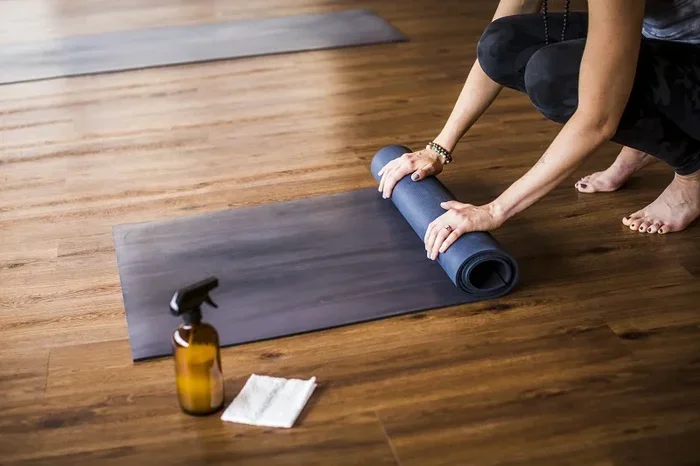
A yoga mat that is used for exercise can harbor sweat and bacteria. If you plan to sleep on it, make sure you clean it first. You can use gentle cleaners or wipes to sanitize the surface. Never sleep on a mat that is visibly dirty or has a lingering odor. Cleanliness matters a lot when you are in direct skin contact with any surface for hours.
Best Yoga Mats for Sleeping
Not all yoga mats are created equal when it comes to sleeping. Some are too thin to be comfortable overnight. Others are made of materials that trap heat and make you sweaty. Here is what to look for in a yoga mat if you plan to use it for sleep.
Thickness
This is the most important factor. A standard yoga mat is about 4mm to 6mm thick. That is fine for a yoga session, but it is not enough for a full night of sleep. For sleeping, look for mats that are at least 8mm thick, or even 10mm to 15mm. The thicker the mat, the more cushion your joints get. Some people use extra layers, like a folded blanket on top of the mat, to boost comfort.
Material Type
Different materials feel different on your skin and affect how hot or cold you sleep. PVC mats are durable and affordable but can feel slippery and trap heat. TPE mats are lighter, more breathable, and eco-friendly. Rubber mats offer great grip and cushioning but can be heavy and have a strong natural smell at first. For sleeping, a thick TPE or rubber mat tends to be the most comfortable choice.
Size and Length
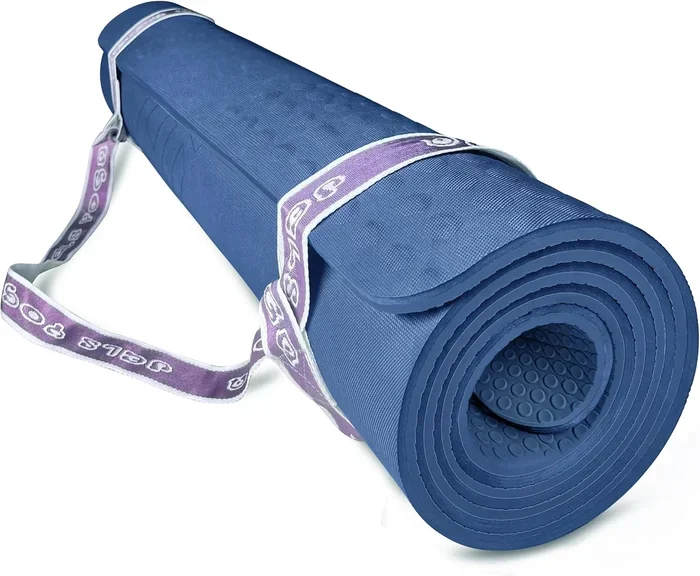
Standard yoga mats are about 68 inches long. If you are taller than average, your feet or head might hang off the edge. For sleeping, you want a mat that fits your full body. Extra-long mats (72 to 84 inches) are ideal. If you are curious about what size works best for your body type, you can refer to our article on can a yoga mat work as a sleeping pad for more sizing and comfort tips.
Texture and Grip
You will be lying in one position for hours, so the surface texture matters. A mat with a slightly textured or cushioned top layer feels better against your skin than a smooth, slippery one. Grip also prevents the mat from sliding around on the floor while you move in your sleep.
| Mat Type | Thickness | Comfort for Sleep | Best For |
|---|---|---|---|
| Standard PVC Mat | 4-6mm | Low | Yoga only, short naps |
| Thick TPE Mat | 8-15mm | Medium-High | Floor sleeping, guests |
| Rubber Mat | 6-10mm | Medium | Grip, moderate comfort |
| Extra Thick Mat | 15mm+ | High | Overnight sleep, camping |
| Yoga Mat + Topper | Varies | Very High | Best comfort setup |
Tips for Sleeping Comfortably on a Yoga Mat
If you have decided to sleep on a yoga mat, you can make the experience much better with a few simple adjustments. These tips will help you wake up feeling rested instead of sore.
Add a Pillow
Your neck and head need support, even on a yoga mat. Use a regular pillow or a small travel pillow to keep your spine aligned. Without a pillow, your neck may bend at an awkward angle, leading to pain the next morning.
Use a Blanket or Sheet
A yoga mat alone can feel hard and cold. Lay a soft blanket or fitted sheet over the mat. This adds a layer of softness and warmth. It also keeps the mat clean and makes it feel more like a real bed.
Place a Pillow Under Your Knees
If you sleep on your back, put a pillow under your knees. This reduces the curve in your lower back and takes pressure off your spine. It is one of the simplest ways to make floor sleeping or yoga mat sleeping much more comfortable.
Choose the Right Sleeping Position
Some positions work better on a thin mat than others. Side sleeping puts more pressure on your shoulders and hips, so you need more cushioning. Back sleeping distributes weight more evenly and works well on a yoga mat. Stomach sleeping can strain your neck on any thin surface, so avoid it if possible.
Layer Two Mats for Extra Comfort
If you have two yoga mats, stack them for double the cushioning. This is a great trick for overnight guests or camping trips. It also works well if your single mat is too thin for comfortable sleep.
Keep the Room Warm
Since yoga mats do not insulate, the floor will feel cold. Warm up the room before you go to sleep. A space heater or extra blankets can make a huge difference. Warm muscles also relax better, which improves your sleep quality.
Yoga Mat vs. Sleeping Pad vs. Mattress
It helps to compare a yoga mat to other common sleeping surfaces. This way, you can understand where a yoga mat fits and what it lacks.
Yoga Mat
A yoga mat is thin, lightweight, and easy to carry. It provides basic cushioning and a clean surface. It works well for short naps, floor sleeping, or emergency guest situations. But it is not designed for long-term sleep comfort. It lacks insulation and proper joint support for overnight use.
Sleeping Pad
A sleeping pad is designed specifically for outdoor sleep. It insulates from the cold ground and provides more cushioning than a yoga mat. Sleeping pads are thicker and often have an air-filled core. If you are camping or hiking, a sleeping pad is a better choice than a yoga mat. However, a yoga mat is more versatile because you can also use it for yoga and exercise.
Mattress
A mattress is the gold standard for sleep comfort. It provides proper spinal alignment, pressure relief, and insulation. A yoga mat cannot replace a mattress for regular use. But for occasional situations, a yoga mat is a practical and affordable alternative.
If you already own a yoga mat and want to know if it can handle the extra use, you might also wonder about other creative uses for your mat. For example, some people ask can I use a yoga mat under my treadmill to protect floors. Yoga mats are surprisingly versatile, and understanding their limits helps you get the most out of them.
Can You Use a Yoga Mat Long-Term for Sleep?
Using a yoga mat for occasional sleep is fine. But can you use one as a regular sleeping surface? The honest answer is no, not for long. A yoga mat does not provide the support your spine needs night after night. Over time, sleeping on a thin mat can contribute to back pain, stiffness, and poor sleep quality.
If you are considering floor sleeping as a long-term habit, invest in a proper floor mattress or a thick futon. These are designed for sustained use and give your body the support it needs. A yoga mat can still play a role, though. You can place it underneath a floor mattress for extra cushioning, or use it as a clean base layer.
Some people also ask whether a yoga mat counts as carry-on luggage if they are traveling with one. The answer depends on the airline and the mat size, but that is a different topic entirely. If you want to explore that, check out our article on does a yoga mat count as a carry on.
Conclusion
So, can you sleep on a yoga mat? Yes, you absolutely can. A yoga mat provides a clean, cushioned surface that works well for temporary sleeping situations like guests, camping, or floor sleeping. But it is not a replacement for a real mattress. Comfort depends on mat thickness, material, and the extra support you add like pillows and blankets.
Use the tips in this guide to make your yoga mat sleeping experience as comfortable as possible. Choose a thick mat, keep the room warm, and support your pressure points. And remember, for long-term sleep, invest in proper bedding. A yoga mat is a great backup and a versatile tool, but your body deserves a real bed for every night.
FAQs
Can I sleep on a yoga mat every night?
It is not recommended to sleep on a yoga mat every night. A yoga mat lacks the cushioning and spinal support that your body needs for consistent, healthy sleep. Over time, this can lead to back pain, joint stiffness, and poor sleep quality. Use a yoga mat for occasional sleep only, and invest in a proper mattress for nightly use.
What type of yoga mat is best for sleeping?
A thick TPE or rubber mat, at least 8mm to 15mm, is the best choice for sleeping. These materials provide good cushioning, are non-toxic for prolonged skin contact, and offer decent comfort. Avoid thin PVC mats for overnight use, as they provide too little padding and can feel hard on your joints.
Can I put a blanket on top of a yoga mat for sleeping?
Yes, absolutely. Placing a blanket or soft sheet over your yoga mat adds comfort, warmth, and a more bed-like feel. It also protects the mat from sweat and keeps it clean. Layering a blanket on top is one of the simplest ways to make sleeping on a yoga mat much more pleasant.
Is it bad for your back to sleep on a yoga mat?
Sleeping on a yoga mat occasionally is not bad for your back. But sleeping on one regularly can cause back pain because the mat is too thin to support proper spinal alignment. If you must sleep on a mat, use a pillow under your knees if you sleep on your back, or between your knees if you sleep on your side to maintain good alignment.
Can I use a yoga mat as a sleeping pad while camping?
Yes, a yoga mat can work as a makeshift sleeping pad for camping in warm weather. It keeps you off the ground and provides some cushioning. However, it does not insulate from cold, so it is not ideal for chilly conditions. For cold-weather camping, a proper insulated sleeping pad is a much better choice.
How do I clean a yoga mat after sleeping on it?
After sleeping on your yoga mat, wipe it down with a gentle cleaner or a damp cloth. You can also use mild soap and water. Let the mat air dry completely before rolling it up. This removes sweat, oils, and bacteria, keeping the mat fresh and hygienic for its next use.
Frequently Asked Questions
What is Can I Sleep On A Yoga Mat 2?
Can I Sleep On A Yoga Mat 2 is an important topic with many practical applications.