How Long Should I Do the Rowing Machine For
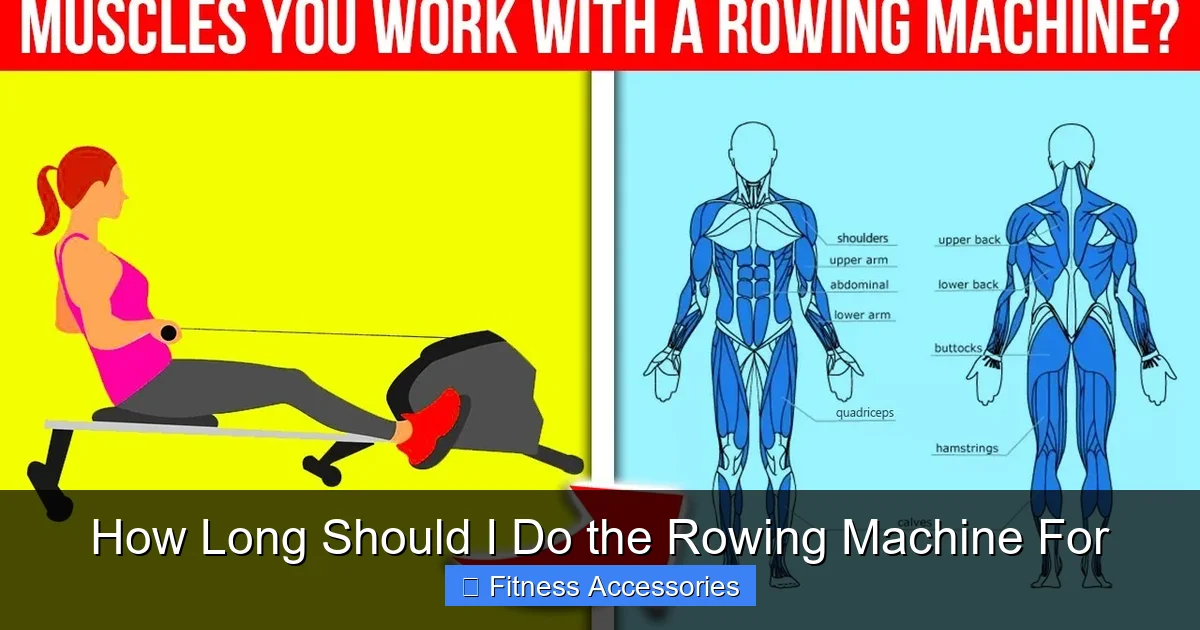
Wondering how long you should spend on the rowing machine? We break down optimal session times for every fitness level, explain why duration matters, and give easy‑to‑follow plans that fit your goals. Start rowing smarter, not longer.
Key Takeaways
- Start Small: Beginners should aim for 5‑10 minutes of steady rowing to build technique and confidence.
- Progress Gradually: Add 2‑5 minutes each week until you reach 20‑30 minutes for general fitness.
- Goal‑Based Timing: HIIT intervals need 15‑20 minutes total, while endurance rows can last 30‑60 minutes.
- Listen to Your Body: Stop or reduce time if you feel excessive fatigue, joint pain, or loss of form.
- Recovery Matters: Pair rowing sessions with rest or low‑impact cross‑training to avoid overuse injuries.
- Use Metrics: Track split time, strokes per minute, and calories to gauge when you’ve hit your target duration.
- Consistency Beats Length: Consistent 3‑5 sessions per week are more effective than occasional long rows.
📑 Table of Contents
- Introduction: Why the Question Matters
- 1. Understanding the Basics of Rowing Duration
- 2. Rowing Duration for Different Fitness Goals
- 3. How to Structure Your Rowing Sessions
- 4. Listening to Your Body: When to Stop or Adjust
- 5. Tools and Metrics to Track Your Progress
- Conclusion: Find Your Sweet Spot and Keep Moving
Introduction: Why the Question Matters
Rowing machines have become a staple in home gyms and commercial facilities alike. They promise a full‑body workout, low impact on joints, and a calorie‑burning efficiency that rivals running. Yet, many newcomers ask the same question: How long should I do the rowing machine for? The answer isn’t a one‑size‑fits‑all number. It depends on your fitness level, goals, and how your body reacts to the motion.
In this guide we’ll walk you through the science of workout duration, break down the best time frames for different objectives, and give you practical, step‑by‑step plans you can start using today. Think of it as a friendly chat with a coach who wants you to enjoy rowing without overdoing it.
1. Understanding the Basics of Rowing Duration
What Does “Duration” Really Mean?
When we talk about how long to row, we’re referring to the total time you spend actively pulling the handle, not the warm‑up or cool‑down. A typical session includes:
- Warm‑up: 3‑5 minutes of easy rowing or dynamic stretching.
- Work Set: The main portion where you hit your target intensity.
- Cool‑down: 3‑5 minutes of light rowing or stretching.
Only the “Work Set” counts toward the duration you’re trying to determine.
Why Duration Impacts Results
Longer rows increase aerobic endurance, while shorter, high‑intensity bursts boost power and anaerobic capacity. The body uses different energy systems based on how long you row:
- 0‑10 minutes: Primarily phosphocreatine (PCr) system – quick energy for short bursts.
- 10‑30 minutes: Glycogen stores dominate – good for steady‑state cardio.
- 30‑60 minutes: Fat oxidation ramps up – ideal for endurance training.
Knowing which system you want to target helps you pick the right duration.
2. Rowing Duration for Different Fitness Goals
Goal #1: Building Basic Fitness & Technique
If you’re brand‑new to rowing, focus on mastering the stroke before worrying about length. Aim for 5‑10 minutes of steady rowing, 3‑4 times a week.

Visual guide about How Long Should I Do the Rowing Machine For
Image source: boxlifemagazine.com
- Keep your split (time per 500 m) between 2:30‑3:00 minutes.
- Focus on a smooth catch, strong drive, and controlled finish.
Goal #2: Weight Loss & Calorie Burn
For fat loss, the calorie count matters more than the exact minutes. A session of 30‑45 minutes at a moderate intensity (split 2:20‑2:40) typically burns 300‑500 calories for most adults.
- Combine steady rowing with 1‑minute bursts every 5 minutes to keep the heart rate high.
- Track calories on the machine or using a fitness app.
Goal #3: Improving Cardiovascular Endurance
Endurance athletes (runners, cyclists) benefit from longer rows. Aim for 45‑60 minutes at a comfortable pace (split 2:15‑2:30). This trains the heart and lungs to sustain effort for hours.
- Maintain a stroke rate of 22‑24 strokes per minute.
- Periodically check your heart rate; stay in 70‑80% of max HR.
Goal #4: HIIT & Power Development
High‑Intensity Interval Training (HIIT) on a rowing machine is efficient and short. A typical HIIT session lasts **15‑20 minutes** total, including rest.
- Example: 30 seconds all‑out rowing (split < 1:45), 90 seconds easy, repeat 8‑10 times.
- Finish with a 3‑minute cool‑down.
Goal #5: Rehabilitation & Low‑Impact Cardio
If you’re recovering from injury or have joint concerns, keep rows under 20 minutes** and stay at a low intensity (split > 3:00).
- Focus on perfect form; avoid jerky movements.
- Use a lighter resistance setting to reduce strain.
3. How to Structure Your Rowing Sessions
Step‑by‑Step Beginner Plan (Weeks 1‑4)
- Week 1: 3 sessions, 5 minutes each. Warm‑up 2 min, work 5 min, cool‑down 2 min.
- Week 2: Increase work set to 7 minutes. Keep total session < 15 minutes.
- Week 3: Add a second interval: 2 × 5 minutes with 2 minute easy rows between.
- Week 4: Row 10 minutes continuous, aim for split 2:45‑2:55.
Intermediate 30‑Minute Steady‑State Plan
Designed for weight loss and cardio improvement.
- Warm‑up: 5 minutes easy (split > 3:00).
- Main set: 20 minutes at target split 2:30‑2:40.
- Cool‑down: 5 minutes light rowing.
- Frequency: 4‑5 days per week.
Advanced HIIT Blueprint (20 Minutes Total)
- Warm‑up: 3 minutes easy.
- Intervals: 10 rounds of 30 seconds max effort, 90 seconds recovery.
- Cool‑down: 2 minutes easy.
- Goal: Improve split below 1:45 during work phases.
Endurance Marathon Prep (60 Minutes)
Great for athletes training for long events.
- Warm‑up: 10 minutes progressive increase in pace.
- Main set: 40 minutes at a steady split 2:15‑2:25.
- Cool‑down: 10 minutes very easy rowing.
- Tip: Use a music playlist with a 4‑minute beat to keep rhythm.
4. Listening to Your Body: When to Stop or Adjust
Warning Signs to Cut the Session Short
- Sharp lower‑back pain or knee discomfort.
- Loss of proper form (hunching, jerky pulls).
- Excessive shortness of breath that doesn’t improve with pacing.
- Heart rate exceeding 90% of max for more than a few minutes.
How to Modify Duration on the Fly
If you feel good but your planned time feels too long, drop the session by 5 minutes and note how you feel the next day. Conversely, if you finish early and still feel strong, add a 2‑minute easy row before cooling down.
Recovery Strategies
- Stretch the hamstrings, hips, and shoulders after each session.
- Hydrate and consume a protein‑carb snack within 30 minutes.
- Schedule at least one rest or active‑recovery day per week.
5. Tools and Metrics to Track Your Progress
Key Numbers to Watch
- Split Time: Lower split = faster pace.
- Strokes per Minute (SPM): 22‑28 SPM is typical for most workouts.
- Calories Burned: Use machine or wearable tracker.
- Heart Rate Zones: Zone 2 (70‑80% max) for endurance, Zone 4 (80‑90%) for HIIT.
Apps and Devices
Popular choices include Strava, MyFitnessPal, and the Concept2 Logbook. These let you record duration, split, and distance, then compare week‑over‑week improvements.
Setting Realistic Milestones
Instead of “row 30 minutes next month,” set a measurable target: “Row 2 km in under 8 minutes by week 6.” This gives you a clear endpoint and motivation.
Conclusion: Find Your Sweet Spot and Keep Moving
There’s no magic number that fits everyone. The ideal rowing machine duration hinges on what you want to achieve, how often you train, and how your body feels. Start small, progress gradually, and use the metrics above to fine‑tune your workouts. Whether you aim for a quick HIIT blast, a steady 45‑minute cardio session, or a marathon‑prep endurance row, the key is consistency and listening to your body.
So, how long should you do the rowing machine for? Begin with 5‑10 minutes, then add 2‑5 minutes each week until you reach the time that matches your goal. Keep tracking, stay patient, and enjoy the smooth glide of progress.
Frequently Asked Questions
How many times a week should I row?
For most people, 3‑5 sessions per week provides enough stimulus for improvement while allowing recovery.
Is it okay to row every day?
Daily rowing can lead to overuse injuries unless you keep intensity low and vary the workouts (e.g., mix HIIT with easy rows).
What split time indicates good rowing form?
A split between 2:15‑2:30 per 500 m is considered efficient for most recreational rowers; beginners may start around 2:45‑3:00.
Can I lose weight by rowing just 15 minutes a day?
Yes, if you keep the intensity high (HIIT style) and combine it with a calorie‑controlled diet, 15‑minute sessions can contribute to weight loss.
Should I adjust the resistance setting for longer rows?
Use a moderate resistance that lets you maintain a steady pace without compromising form; increase resistance only when you can keep technique solid.
How do I know if I’m overtraining on the rowing machine?
Signs include persistent soreness, declining performance, trouble sleeping, and elevated resting heart rate. Reduce volume or take a rest day if these appear.