How Long Should I Be on the Rowing Machine
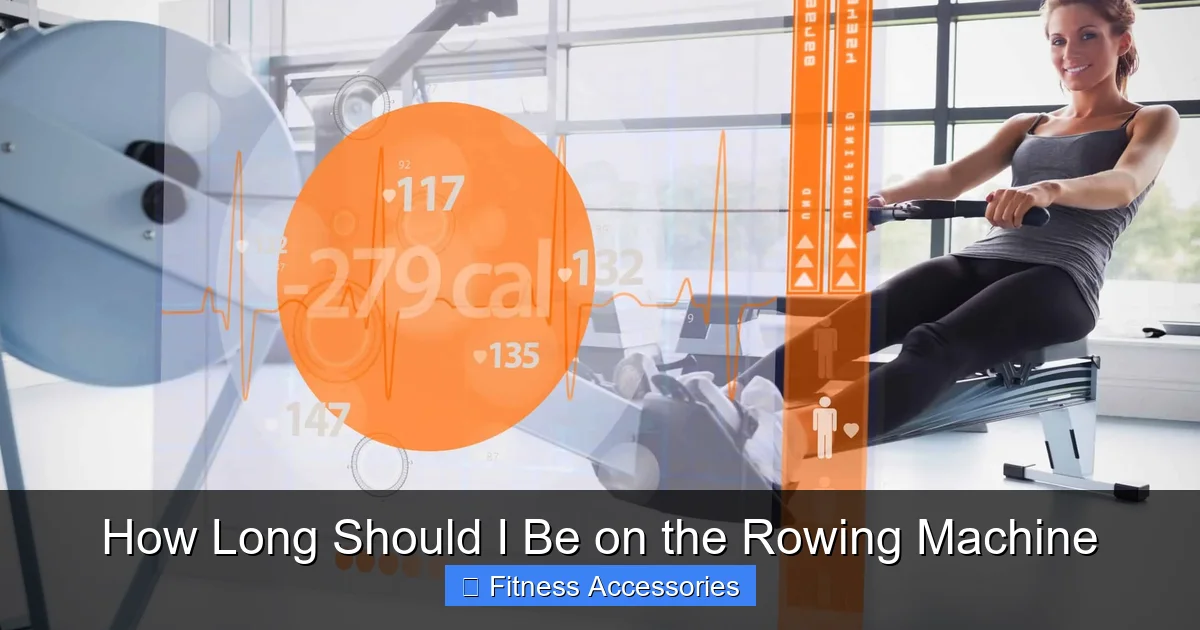
Wondering how long you should be on the rowing machine? The answer depends on your fitness level, goals, and schedule. This guide breaks down optimal times for weight loss, strength, and endurance, plus practical tips to make every minute count.
Key Takeaways
- Start small: Beginners should aim for 10‑15 minutes, focusing on form.
- Goal matters: Weight loss needs 30‑45 minutes of steady rowing, while strength work can be 15‑20 minutes of intervals.
- Intensity over time: High‑intensity intervals can be shorter but just as effective as longer steady sessions.
- Listen to your body: Fatigue, soreness, or loss of technique are signs to stop or reduce duration.
- Progress gradually: Add 5‑10 minutes each week to avoid plateaus and injuries.
- Mix it up: Vary duration, intensity, and stroke rate to keep training fresh.
- Recovery counts: Rest days and active recovery help you stay consistent long‑term.
📑 Table of Contents
- Introduction: Why the Rowing Machine Deserves Your Time
- 1. Understanding the Basics: What Does Rowing Do?
- 2. Goal‑Based Duration Guidelines
- 3. How to Structure Your Rowing Sessions
- 4. Listening to Your Body: When to Stop or Adjust
- 5. Personalizing Duration: Factors to Consider
- 6. Sample Weekly Plans
- Conclusion: Find the Sweet Spot for You
Introduction: Why the Rowing Machine Deserves Your Time
Rowing machines have become a staple in gyms and home workout spaces for a good reason. They give you a full‑body workout, burn calories fast, and are gentle on the joints. But just like any piece of equipment, the results you get depend on how you use it. One of the most common questions we hear is, “How long should I be on the rowing machine?” The answer isn’t a one‑size‑fits‑all number; it’s a mix of your fitness level, goals, and how you structure each session.
In this article we’ll walk through the science behind rowing duration, break down recommendations for different objectives, and give you practical tools to design a routine you actually enjoy. By the end, you’ll know exactly how long you should be on the rowing machine to see the results you want—without overdoing it.
1. Understanding the Basics: What Does Rowing Do?
Full‑Body Engagement
Rowing works the legs, core, back, and arms in a single, fluid motion. Each stroke can be visualized as a “push‑pull” sequence: you push with the legs, lean back using the core, then pull the handle with the arms. This coordination means you burn more calories per minute than many single‑muscle‑group machines.

Visual guide about How Long Should I Be on the Rowing Machine
Image source: longgloryfit.com
Energy Systems at Play
When you row, your body taps into two primary energy systems:
- Aerobic (oxygen‑based): Dominates during longer, steady‑state rows (20‑45 minutes). Improves endurance and burns fat.
- Anaerobic (without oxygen): Takes over during short, high‑intensity bursts (30‑60 seconds). Builds power and muscle.
Understanding which system you’re training helps you decide how long each session should be.
2. Goal‑Based Duration Guidelines
2.1 Weight Loss and Fat Burning
If shedding pounds is your primary aim, the key is to stay in the aerobic zone long enough to deplete glycogen stores and tap into fat. For most people, that means rowing for 30‑45 minutes at a moderate intensity (about 60‑70% of your maximum heart rate).

Visual guide about How Long Should I Be on the Rowing Machine
Image source: startrowing.com
Tip: Use a heart‑rate monitor or the machine’s built‑in metrics to keep your pulse in the right range. If you’re new, start with 20 minutes and add five minutes each week until you reach 45.
2.2 Building Strength and Power
Strength‑focused rowers benefit from high‑intensity interval training (HIIT). A typical session might look like:
- Warm‑up: 5 minutes easy rowing
- Work interval: 30‑45 seconds all‑out effort
- Recovery: 90‑120 seconds easy rowing
- Repeat: 8‑12 rounds
- Cool‑down: 5 minutes gentle rowing
This totals about 15‑20 minutes**. The short, intense bursts stimulate fast‑twitch muscle fibers and boost metabolic rate without long‑time exposure.
2.3 Improving Cardiovascular Endurance
Endurance athletes often row for longer, steady sessions to increase VO₂ max. Aim for 40‑60 minutes** at a steady, slightly challenging pace (70‑80% max heart rate).
Include “steady state” rows where you maintain a consistent stroke rate (e.g., 22‑24 strokes per minute) and avoid big spikes in effort.
2.4 Skill Development and Technique
Beginners and those polishing form should keep sessions short—**10‑15 minutes**—focusing on the catch, drive, finish, and recovery phases. Quality beats quantity; a poor technique can lead to back pain.
Practice drills like “pause at the finish” or “single‑arm rows” within this time frame to reinforce muscle memory.
3. How to Structure Your Rowing Sessions
3.1 The Warm‑Up: Set the Stage
Spend 5‑10 minutes at a low resistance, gradually increasing stroke rate. This raises body temperature, lubricates joints, and primes the nervous system.
3.2 Main Set: Choose Your Template
Pick a template that matches your goal:
- Steady‑State Cardio: 20‑45 minutes at a consistent pace.
- Interval Power: 8‑12 rounds of 30‑45‑second sprints with equal or longer recovery.
- Mixed Modal: 5 minutes easy, 5 minutes intervals, 5 minutes steady, repeat.
3.3 Cool‑Down and Stretch
Finish with 5‑10 minutes of easy rowing, then stretch the hamstrings, hip flexors, lats, and forearms. This promotes recovery and keeps flexibility high.
4. Listening to Your Body: When to Stop or Adjust
Signs You’ve Rowed Too Long
- Loss of proper form (rounded back, jerky pull)
- Excessive shortness of breath beyond normal exertion
- Sharp or lingering joint pain, especially in the lower back
- Extreme fatigue that interferes with daily activities
If any of these appear, reduce the session length or lower the intensity. Remember, consistency beats occasional marathon sessions.
Recovery Strategies
– **Active recovery:** Light cycling or walking on non‑rowing days.
– **Hydration and nutrition:** Replenish electrolytes and consume protein within 30‑60 minutes post‑row.
– **Sleep:** Aim for 7‑9 hours to let muscles repair.
5. Personalizing Duration: Factors to Consider
5.1 Fitness Level
Beginners start at 10‑15 minutes, intermediate users 20‑30, and advanced athletes 40‑60. Progression should be gradual—add 5‑10 minutes per week, not 30 minutes.
5.2 Age and Health Conditions
Older adults or those with joint issues may benefit from shorter, low‑impact rows (10‑20 minutes) and focus on stroke quality.
5.3 Time Constraints
If you only have 20 minutes, choose a high‑intensity interval format. It delivers comparable calorie burn to a 45‑minute steady state in less time.
5.4 Equipment Features
Modern rowing machines often have built‑in programs (e.g., “5‑minute sprint,” “20‑minute endurance”). Use these as templates and adjust duration based on how you feel.
6. Sample Weekly Plans
Plan A – Balanced Fitness (Beginner to Intermediate)
- Monday: 15‑minute technique focus + 5‑minute cool‑down
- Wednesday: 30‑minute steady‑state cardio
- Friday: 20‑minute interval session (30‑sec sprint/90‑sec rest × 8)
- Saturday: Optional 20‑minute light row or active recovery
Plan B – Weight‑Loss Focus (Intermediate)
- Tuesday: 45‑minute moderate‑intensity row
- Thursday: 30‑minute interval row (45‑sec sprint/75‑sec rest × 10)
- Saturday: 45‑minute steady‑state with occasional 1‑minute bursts
Plan C – Athlete Endurance (Advanced)
- Monday: 60‑minute steady‑state at 70% max HR
- Wednesday: 20‑minute power intervals (20‑sec sprint/40‑sec rest × 12)
- Friday: 45‑minute mixed row (5‑min easy, 5‑min intervals, 5‑min steady, repeat)
Conclusion: Find the Sweet Spot for You
There’s no magic number that says, “You must row for exactly 30 minutes every day.” The right answer to how long should I be on the rowing machine lives at the intersection of your goals, current fitness, and lifestyle. Start with short, quality sessions, track how you feel, and gradually increase duration or intensity. By listening to your body and tweaking the variables—time, intensity, and frequency—you’ll build a rowing habit that’s sustainable, enjoyable, and effective.
So grab your shoes, set the damper to a comfortable level, and begin with the duration that feels right for you today. The rows will add up, and the results will follow.
Frequently Asked Questions
How many minutes should a beginner row?
Beginners should start with 10‑15 minutes, focusing on proper form and a comfortable stroke rate before adding time.
Can I lose weight with short rowing sessions?
Yes. High‑intensity interval rows of 15‑20 minutes can burn as many calories as longer steady‑state sessions, making them great for weight loss when time is limited.
Is rowing harder on the back than other cardio machines?
When performed with correct technique, rowing is low‑impact and safe for the back. Poor form—rounded shoulders or excessive lumbar arch—can cause strain, so prioritize technique.
How often should I row each week?
Aim for 3‑5 sessions per week, mixing steady‑state, interval, and technique days to balance endurance, power, and recovery.
Should I adjust the damper setting for longer rows?
Yes. A lower damper (closer to 3‑4) mimics a smoother, water‑like feel and is easier on the joints for longer sessions, while a higher setting adds resistance for short power work.
What’s the best way to track progress on the rowing machine?
Use metrics like total distance, average split time (time per 500 m), and calories burned. Recording these after each session helps you see improvements over weeks.