How Long Should I Spend on a Rowing Machine

Wondering how long you should spend on a rowing machine? Whether you’re a beginner or a seasoned athlete, the ideal session length depends on your goals, fitness level, and schedule. Read on for practical guidelines, sample workouts, and tips to maximize results without overdoing it.
Key Takeaways
- Goal‑Based Timing: Weight‑loss rows 20‑30 min, endurance rows 30‑60 min, strength rows 10‑20 min.
- Fitness Level Matters: Beginners start with 5‑10 min intervals, advancing to 30‑45 min steady rows.
- Intensity Over Duration: High‑intensity intervals (HIIT) can replace longer steady‑state sessions.
- Listen to Your Body: Fatigue, form breakdown, or joint pain signal it’s time to stop.
- Progressive Overload: Add 5‑10 minutes or a few strokes each week to keep improving.
- Recovery Counts: Schedule at least one rest day or active‑recovery day per week.
- Consistency Beats Length: Regular 3‑5 sessions per week trumps occasional marathon rows.
📑 Table of Contents
Introduction: Why the Question Matters
Rowing machines have become a staple in home gyms and commercial facilities alike. They promise a full‑body workout, low impact on joints, and a calorie‑burn that rivals running. Yet, many newcomers ask the same question: How long should I spend on a rowing machine? The answer isn’t a one‑size‑fits‑all number. It depends on what you want to achieve, how fit you already are, and how much time you can realistically devote each week.
In this article we’ll break down the science behind rowing duration, match session length to common fitness goals, and give you step‑by‑step plans you can start today. Think of it as a friendly chat over coffee—simple language, real‑world examples, and no jargon.
1. Understanding the Basics of Rowing Workouts
What Does a Rowing Session Actually Do?
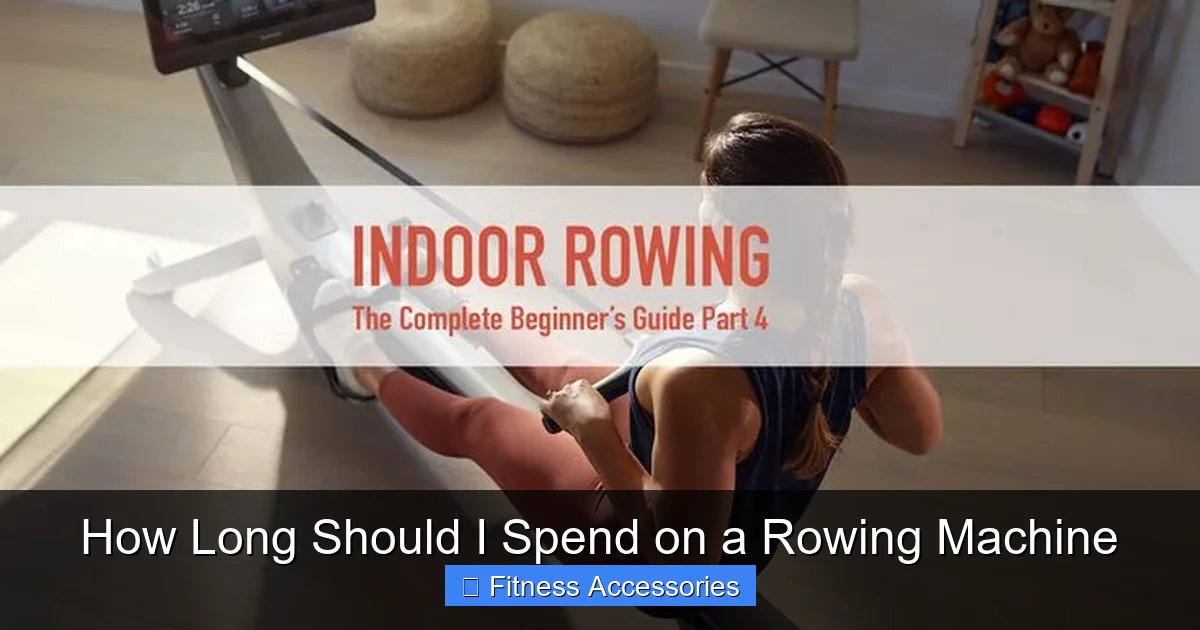
When you pull the handle, you engage your legs, core, back, and arms in a smooth, coordinated motion. This means you’re working large muscle groups simultaneously, which leads to a high metabolic demand. The three main energy systems come into play:
Visual guide about How Long Should I Spend on a Rowing Machine
Image source: i.pinimg.com
- Aerobic system: Dominates during steady‑state rows lasting 20 minutes or more.
- Anaerobic glycolysis: Kicks in during high‑intensity bursts of 30 seconds to 2 minutes.
- Phosphagen (ATP‑CP) system: Powers short, explosive pulls lasting under 10 seconds.
Knowing which system you’re targeting helps you decide how long to stay on the machine.
How Intensity Influences Duration
Intensity is measured by your stroke rate (strokes per minute, or spm) and watts (power output). A low‑intensity row might sit at 18‑22 spm and 150‑180 watts, while a high‑intensity sprint can climb to 30‑36 spm and 300+ watts.
Generally, the higher the intensity, the shorter the session should be to avoid excessive fatigue and form breakdown. Conversely, lower‑intensity rows can be extended safely, provided you maintain good technique.
2. Goal‑Based Recommendations
Weight Loss and Fat Burning
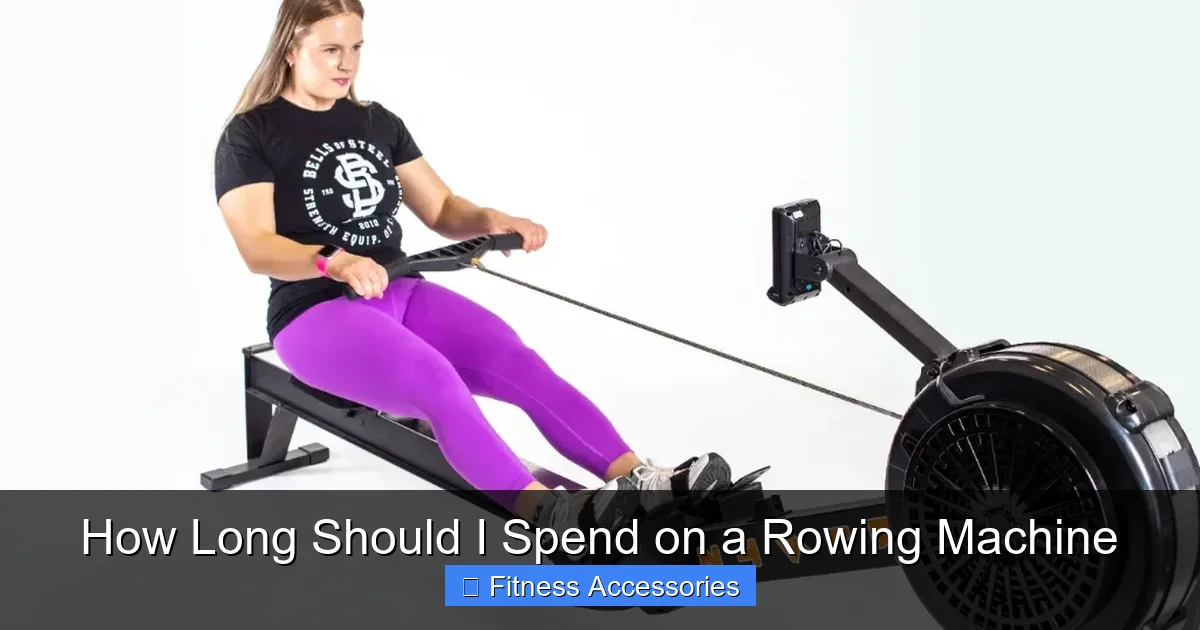
If shedding pounds is your primary goal, the key is to create a calorie deficit while preserving muscle. Rowing burns roughly 8‑12 calories per minute for most people.
Visual guide about How Long Should I Spend on a Rowing Machine
Image source: bellsofsteel.com
- Starter range: 20‑30 minutes at a moderate pace (22‑24 spm, 180‑220 watts).
- Progression: Increase time by 5 minutes every 2 weeks or add a 5‑minute HIIT finisher (30 seconds all‑out, 90 seconds easy).
- Frequency: 3‑5 sessions per week.
Example: Jane, a 35‑year‑old office worker, starts with three 20‑minute rows per week. After four weeks she adds a 5‑minute interval block (30 seconds sprint, 30 seconds rest) and sees her weekly calorie burn rise from ~1,200 kcal to ~1,600 kcal.
Cardiovascular Endurance
Endurance athletes—cyclists, runners, rowers—need longer, steady sessions to improve VO₂ max and lactate threshold.
- Starter range: 30‑45 minutes at a comfortable pace (20‑22 spm, 150‑180 watts).
- Progression: Add 5‑10 minutes every 1‑2 weeks, aiming for 60‑90 minutes for seasoned athletes.
- Frequency: 2‑4 times per week, with one day dedicated to a longer “steady state” row.
Example: Alex, a recreational cyclist, rows 40 minutes at 20 spm on Tuesdays and Thursdays. After six weeks he extends each session to 55 minutes, noticing a smoother climb on his bike rides.
Strength and Power Development
When the goal is to build muscular strength, focus on short, high‑intensity intervals that recruit fast‑twitch fibers.
- Starter range: 10‑20 minutes total, broken into 4‑6 sets of 30‑60‑second power strokes.
- Intensity: 30‑36 spm, 250‑350 watts, with full recovery (2‑3 minutes) between sets.
- Frequency: 2‑3 sessions per week, allowing a day of rest between power days.
Example: Maya, a 28‑year‑old CrossFit athlete, performs 5 × 45‑second power rows at 320 watts, resting 3 minutes each. Her total session lasts just 15 minutes, yet she feels a strong burn in her lats and quads.
Rehabilitation and Low‑Impact Cardio
Rowing is gentle on the knees and hips, making it ideal for those recovering from injury.
- Starter range: 5‑15 minutes at very low intensity (15‑18 spm, 100‑130 watts).
- Progression: Add 2‑3 minutes per week as pain‑free range of motion improves.
- Frequency: Daily short sessions, or 5‑6 days per week.
Example: Tom, recovering from a meniscus repair, rows 8 minutes at 16 spm, focusing on perfect form. After three weeks he comfortably reaches 12 minutes without discomfort.
3. Building a Personal Rowing Schedule
Assess Your Current Fitness Level
Use a simple “talk test.” If you can hold a conversation comfortably, you’re in an aerobic zone (good for longer rows). If you’re gasping after 30 seconds, you’re in a high‑intensity zone (shorter, harder intervals).
Sample Weekly Plans
Beginner (Goal: General Fitness)
- Monday: 10‑minute easy row (focus on technique).
- Wednesday: 15‑minute interval row (30 sec fast, 90 sec easy ×4).
- Friday: 20‑minute steady row.
Intermediate (Goal: Weight Loss + Endurance)
- Tuesday: 30‑minute steady row.
- Thursday: 20‑minute HIIT (45 sec sprint, 60 sec recovery ×6).
- Saturday: 45‑minute moderate row.
Advanced (Goal: Power & Performance)
- Monday: 15‑minute power intervals (30 sec max, 3 min rest ×5).
- Wednesday: 60‑minute endurance row (steady, 20 spm).
- Friday: 20‑minute mixed intervals (1 min sprint, 1 min easy ×8).
Tracking Progress
Most rowing machines display distance, strokes, and watts. Keep a simple log:
- Date & duration.
- Average spm and watts.
- How you felt (energy, soreness).
Review the log every two weeks and adjust time or intensity accordingly.
4. Tips to Maximize Efficiency Within Your Chosen Time Frame
Perfect Your Technique
Even a short 5‑minute session can be highly effective if your form is spot‑on. Remember the “catch, drive, finish, recovery” sequence. Keep your back straight, engage the core, and push through the heels.
Use a Warm‑Up and Cool‑Down
Spend 2‑3 minutes at a very light pace before any session. After rowing, do 2‑3 minutes of easy rowing or gentle stretching to prevent stiffness.
Incorporate Variable Resistance (if available)
Some machines let you adjust drag. Higher resistance mimics hill climbs and is great for strength; lower resistance suits long cardio sessions.
Stay Hydrated and Fuel Properly
Even a 20‑minute row can deplete glycogen if you’re low on carbs. A small snack (banana or a handful of nuts) 30‑minutes before helps sustain energy.
Listen to Your Body
If you notice slouching, knee pain, or a sudden drop in power, stop immediately. Better a short, quality row than a long, sloppy one.
5. Common Mistakes and How to Avoid Them
“Longer Is Always Better” Myth
People often think adding minutes will automatically boost results. In reality, quality beats quantity. A 15‑minute high‑intensity interval can burn more calories than a 45‑minute lazy row.
Neglecting Recovery
Over‑rowing leads to burnout and injury. Schedule at least one full rest day per week, or swap a rowing day for a low‑impact activity like walking.
Ignoring Heart Rate Zones
Use a heart‑rate monitor to stay in the right zone. For fat loss, aim for 60‑70 % of max HR; for endurance, 70‑80 %; for power, 80‑90 % during sprints.
Skipping the Warm‑Up
Jumping straight into a hard row can cause tight hamstrings and lower‑back strain. A brief warm‑up prepares muscles and joints.
Conclusion: Find the Sweet Spot for You
So, how long should you spend on a rowing machine? The answer is personal. Start with a duration that matches your current fitness, then align the time with your specific goal—whether that’s weight loss, endurance, strength, or rehabilitation. Remember, consistency, proper technique, and listening to your body matter more than the exact minute count.
Pick a plan, log your sessions, and adjust as you grow stronger. In a few weeks you’ll notice improvements in stamina, tone, and overall health—all from the time you choose to spend on that rower. Happy rowing!
Frequently Asked Questions
How often should I row if I’m a beginner?
Start with 3 sessions per week, each 5‑15 minutes long. This allows your body to adapt while you learn proper technique.
Can I lose weight by rowing only 10 minutes a day?
Yes, if those 10 minutes are high‑intensity intervals and you pair them with a healthy diet. Consistency is key.
What is the ideal stroke rate for a moderate workout?
A moderate pace typically falls between 20‑24 spm. At this rate you stay in the aerobic zone without overexerting.
Should I increase time or intensity first?
For most goals, improve intensity first (e.g., add intervals) while keeping duration manageable. Once comfortable, gradually add minutes.
Is rowing safe for people with joint problems?
Rowing is low‑impact and generally joint‑friendly. Start with low resistance and short sessions, and consult a physician if you have serious concerns.
How do I know if I’m rowing too long?
If you notice form breakdown, excessive fatigue, or joint pain, it’s a sign you’ve exceeded your optimal duration. Scale back and focus on quality.