How Heavy Is a Barbell in a Gym
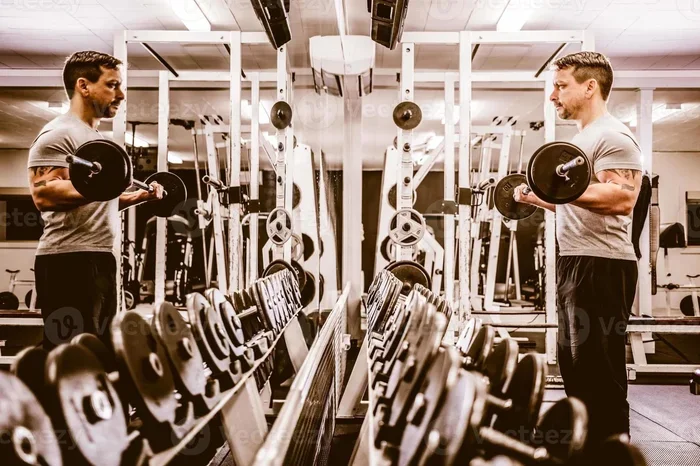
A standard barbell in a gym typically weighs 45 pounds (20 kg), but the answer depends on the type, brand, and purpose of the barbell. Whether you are bench pressing, squatting, or performing deadlifts, knowing the exact weight of your barbell is essential for tracking progress and planning workouts. This guide breaks down every barbell type, its weight, and how to choose the right one for your fitness goals.
Walking into a gym for the first time can feel overwhelming. The racks, the machines, the free weights — it is a lot to take in. But one of the first things you need to understand is how heavy a barbell actually is. Whether you are starting your first bench press or loading up for a deadlift, knowing the base weight of the bar matters.
The barbell weight is not always the same across different gyms and equipment types. A standard barbell at most commercial gyms weighs 45 pounds. But that is just the starting point. There are many types of barbells, and each one has a different weight. In this guide, we will walk through every type of barbell you will encounter in a gym, explain how much each one weighs, and help you make sense of the numbers.
If you have ever wondered why your lift numbers look different from someone else’s, the barbell weight might be the reason. Let us dive in and break it all down.
Key Takeaways
- A standard Olympic barbell weighs 45 pounds (20 kg) and is the most common bar found in gyms.
- Women’s barbells and lighter training bars weigh between 15 and 35 pounds.
- Smith machine barbells vary widely in weight depending on the counterbalance system.
- Knowing your barbell weight helps you calculate total lift weight accurately.
- Barbell weight differs by type, including trap bars, EZ bars, and safety squat bars.
- Always check the specifications of your gym’s equipment before loading plates.
📑 Table of Contents
What Is the Standard Barbell Weight?
The most common barbell you will see in any gym is the standard Olympic barbell. It weighs 45 pounds or 20 kilograms. This bar is about 7 feet long and has a shaft diameter of 28 millimeters. It is the go-to bar for powerlifting, Olympic lifting, and general strength training.
When people talk about lifting “the bar,” they mean this standard barbell. So when someone says they bench pressed 225 pounds, that includes the 45-pound bar plus 180 pounds of plates on each side. Understanding this basic fact is key to tracking your progress accurately.
The barbell weight of 45 pounds is the industry standard for men’s Olympic bars. Most gyms, from big-box chains to independent fitness centers, use this weight as their baseline. However, not all barbells are created equal, and that is where things get interesting.
Why Does Barbell Weight Matter?
Knowing the gym barbell weight helps you calculate your total lift accurately. If you add 100 pounds of plates on each side of a 45-pound bar, your total lift is 245 pounds. If you forget to count the bar, you think you are lifting 200 pounds. Over time, those small errors add up and can mess up your training log.
Tracking your barbell exercises correctly also helps you set realistic goals. When you know exactly what you are lifting, you can plan your progressive overload properly. This is one of the most important principles in strength training — gradually increasing the weight over time.
Also, different exercises use different barbells. A squat bar might feel different from a bench press bar because of the knurling pattern and bar diameter. The weight stays the same, but the feel changes. This is why understanding the base weight of every bar you use is so important.
Types of Barbells and Their Weights
Not every barbell in a gym weighs the same. There are several types, and each serves a different purpose. Let us go through the most common ones you will see on the gym floor.
Standard Olympic Barbell
This is the bar we already covered. It weighs 45 pounds (20 kg) and is 7 feet long. It has rotating sleeves on each end that allow the plates to spin freely. This rotation reduces wrist strain during Olympic lifts like the clean and jerk and the snatch.
The standard Olympic bar is what most people think of when they picture a barbell. It is used for squats, bench presses, deadlifts, and overhead presses. Almost every gym has at least one of these bars, and they are built to handle heavy loads.
Women’s Barbell
A women’s barbell is shorter and lighter than the standard Olympic bar. It typically weighs 33 pounds (15 kg) and is about 6.5 feet long. The shaft diameter is also thinner, usually around 25 millimeters, which makes it easier to grip for people with smaller hands.
Many gyms carry a women’s barbell, especially in facilities that cater to a diverse membership. If you have ever noticed a lighter bar in the rack, this is probably what it is. It is not just for women — anyone who prefers a lighter or thinner bar can use it.
Safety Squat Barbell
The safety squat bar is a specialty bar designed to reduce shoulder strain during squats. It weighs more than a standard bar, typically around 60 to 70 pounds (27 to 32 kg). The bar has a padded pad in the front and curved ends that wrap around your back.
This bar is popular among people who have shoulder mobility issues or injuries. It allows them to perform squats without the discomfort of a straight bar across their shoulders. The extra weight of the bar is something to keep in mind when logging your squat bar workouts.
Trap Bar (Hex Bar)
The trap bar, also called a hex bar, is shaped like a hexagon. You stand inside the bar and grip the handles on the sides. The weight of a trap bar varies, but most standard models weigh between 45 and 60 pounds (20 to 27 kg). Some Olympic-grade trap bars weigh closer to 45 pounds.
Trap bars are great for deadlifts and shrugs. They put less stress on the lower back and allow a more natural lifting position. If your gym has a trap bar, check the weight before you start loading plates. The barbell weight of a trap bar is different from a standard straight bar.
EZ Bar (Ez-Curl Bar)
The EZ bar is the curved bar you see in the curling area. It weighs much less than a standard barbell, usually between 10 and 25 pounds (4.5 to 11 kg). The weight varies a lot depending on the brand and length of the bar.
EZ bars are designed for isolation exercises like curls and tricep extensions. The angled grips reduce wrist strain. Because the bar is so light, it is not suitable for heavy compound lifts. But for targeted arm work, it is a gym staple.
Smith Machine Barbell
The barbell on a Smith machine is a bit of a mystery for many gym-goers. Unlike a free-weight barbell, the Smith machine bar is attached to a rail system. The actual barbell weight on a Smith machine can vary significantly. Some Smith machine bars weigh as little as 6 pounds, while others weigh close to 45 pounds.
This is because many Smith machines have a counterbalance system that offsets the weight of the bar. The counterbalance makes the bar feel lighter or even weightless in some cases. If you are comparing your Smith machine lifts to your free-weight lifts, this difference matters a lot.
For example, if you are doing bench presses on a Smith machine and the bar weighs only 15 pounds, your total lift will be much lower than if you were using a free-weight barbell. Always check the weight of the Smith machine barbell before you start your set.
How to Find the Weight of Your Gym Barbell
If you are not sure how much the barbell at your gym weighs, there are a few ways to find out. Most commercial gyms have the weight printed or engraved on the bar itself. Look near the sleeve or on the shaft for a number followed by “lbs” or “kg.”
If the weight is not stamped on the bar, you can check the gym’s website or ask a staff member. Many gyms list their equipment specifications online. You can also look up the brand and model of the barbell. Popular brands like Rogue, Eleiko, and York Barbell publish detailed specs for every bar they make.
Another quick method is to weigh yourself on a scale while holding the bar, then weigh yourself without it. The difference is the weight of the barbell. This works well if you are at home or at a smaller gym without printed specifications.
Quick Tips for Measuring Barbell Weight
- Check the bar for engraved weight markings.
- Ask gym staff if the weight is not visible.
- Look up the barbell brand and model online.
- Use a bathroom scale to weigh yourself holding the bar.
- Remember that plate weight is added to the bar weight.
Why the Barbell Weight Differs Between Gyms
Not all gyms use the same bars. Commercial gyms like Planet Fitness or large chain facilities often use lighter, cheaper bars. These bars might weigh less than 45 pounds and may not meet Olympic standards. Boutique gyms and CrossFit boxes tend to use higher-quality bars that weigh exactly 45 pounds.
The material and construction also play a role. A cheap barbell made from lower-grade steel might weigh less than a precision-engineered Olympic bar. The sleeves might not spin as smoothly, and the knurling might be less defined. But the weight difference is what affects your lift numbers the most.
If you are serious about tracking your strength training bar progress, consider investing in a calibrated barbell for home use. A reliable barbell removes the guesswork and gives you consistent measurements every time you train.
Common Mistakes People Make with Barbell Weight
One of the most common mistakes is forgetting to include the barbell weight in your total lift. This happens especially to beginners who are just starting to track their workouts. If you load 100 pounds on each side but forget the 45-pound bar, you are actually lifting 245 pounds, not 200.
Another mistake is assuming all bars weigh the same. As we covered, Smith machine bars, trap bars, and EZ bars all have different weights. Always confirm the weight of the specific bar you are using before you start your working sets.
Some people also confuse barbell weight with plate weight. The plates are the round discs you load onto the bar. The bar is the long metal rod in the middle. Both contribute to the total weight you are lifting, but they are two separate components. Keep this distinction clear in your training log.
Quick Tips to Avoid Barbell Weight Mistakes
- Always write down the bar weight in your training log.
- Confirm the bar type before you start lifting.
- Do not assume every gym uses the same standard bar.
- Double-check Smith machine bar weights because they vary a lot.
- Ask a more experienced lifter if you are unsure.
How Barbell Weight Affects Your Training
The weight of the barbell you choose directly impacts your training. A heavier barbell requires more stabilization and grip strength. A lighter bar allows you to focus more on the target muscle without tiring out your forearms and shoulders.
For compound lifts like squats and deadlifts, using the standard 45-pound Olympic bar is ideal. It gives you a consistent baseline for progressive overload. For isolation exercises like curls, a lighter EZ bar or standard curl bar works better because it lets you focus on the muscle contraction without the extra load.
If you are following a barbell workout program, make sure you know the weight of every bar you use. Programs are designed with specific weights in mind, and using the wrong bar can throw off your sets and reps. This is especially important when you are working with percentages of your one-rep max.
When in doubt, always start by weighing the bar. A few extra seconds of checking can save you from weeks of inaccurate training data. Consistency in your measurements leads to better results over time.
Final Thoughts
The weight of a barbell in a gym is not a one-size-fits-all answer. A standard Olympic barbell weighs 45 pounds, but there are many other types of bars with different weights. From women’s bars to trap bars to Smith machine bars, each one has its own specifications. Knowing these differences helps you train smarter and track your progress more accurately.
Take the time to understand the barbell weight at your gym. Check the markings, ask the staff, and always include the bar weight in your calculations. This simple habit will make a big difference in your training over time. Whether you are a beginner just starting out or an experienced lifter chasing a new PR, the barbell is the foundation of your strength journey. Make sure you know exactly what you are lifting.
Frequently Asked Questions
How much does a standard barbell weigh?
A standard Olympic barbell weighs 45 pounds or 20 kilograms. This is the most common barbell found in gyms worldwide. It is about 7 feet long and used for most compound lifts like squats, bench presses, and deadlifts.
Do all barbells in a gym weigh the same?
No, barbells vary in weight depending on the type. Women’s barbells weigh around 33 pounds, trap bars range from 45 to 60 pounds, and Smith machine bars can weigh as little as 6 pounds. Always check the specific bar you are using.
Why does the barbell weight matter?
The barbell weight matters because it is part of your total lift. If you forget to include the bar weight, your recorded numbers will be inaccurate. Over time, these small errors can affect your training plan and progress tracking.
How heavy is a Smith machine barbell?
The weight of a Smith machine barbell varies widely. Some weigh as little as 6 pounds due to counterbalance systems, while others weigh close to 45 pounds. Check your specific machine or ask gym staff to find the exact weight.
What is the difference between a barbell and a Smith machine bar?
A standard barbell is a free-weight bar that weighs 45 pounds and requires your body to stabilize the weight. A Smith machine bar is attached to a guided rail and its weight varies depending on the machine’s counterbalance system. The Smith machine bar is generally not the same weight as a free-weight barbell.
Should I use a lighter barbell for isolation exercises?
Yes, lighter bars like EZ bars or standard curl bars work well for isolation exercises. They allow you to focus on the target muscle without the extra strain of a heavy barbell. Save the standard 45-pound bar for compound lifts like squats and deadlifts.