How Do I Stop My Jump Rope from Tangling

Never wrestle with a knotted rope again. This guide reveals easy fixes, smart storage ideas, and maintenance habits that keep your jump rope untangled and ready for every workout. Say goodbye to frustration and hello to smoother, more efficient jumps.
Key Takeaways
- Choose the right rope type: Certain materials and designs are less prone to tangling.
- Mindful handling: Proper hand placement and rotation technique reduce twists.
- Smart storage: Hanging, coiling, or using a rope bag prevents knots before they start.
- Regular maintenance: Cleaning and inspecting the rope extends life and keeps it smooth.
- DIY fixes: Simple tricks like the “figure‑eight coil” can instantly untangle a mess.
- Upgrade when needed: Knowing when a rope is worn out saves time and frustration.
- Practice consistency: Consistent habits make untangling a thing of the past.
📑 Table of Contents
Introduction: The Frustration of a Tangled Jump Rope
If you’ve ever tried to start a quick cardio session only to wrestle with a knotty jump rope, you know the feeling. The rope snarls, you waste precious minutes untangling, and the momentum you needed for a solid workout disappears. It’s a tiny problem that can feel huge, especially when you’re trying to stay consistent with your fitness routine.
Good news: a tangled rope isn’t inevitable. With a few simple habits, the right equipment, and a bit of know‑how, you can keep your rope smooth, straight, and ready to spin. This article walks you through everything from picking the perfect rope to storing it like a pro, so you can focus on the jump, not the knot.
1. Choose the Right Rope for Your Needs
Materials matter
Not all jump ropes are created equal. The material of the rope determines how it behaves during use.

Visual guide about How Do I Stop My Jump Rope from Tangling
Image source: down-ph.img.susercontent.com
- PVC (plastic) ropes: Light and fast, but they can twist easily if not handled carefully.
- Beaded ropes: Heavy and audible, great for beginners, and they tend to stay straight because the beads lock together.
- Speed ropes (wire coated in plastic): Ideal for double‑unders and speed work; they glide smoothly but can tangle if the cable twists.
- Cloth or rope‑style cords: Soft on the hands, perfect for low‑impact workouts, but they can fray and knot over time.
Design features that reduce tangling
Look for these built‑in features when shopping:
- Ball‑bearing handles: They rotate freely, preventing the rope from winding around the handles.
- Twist‑lock cables: Some speed ropes have a twisted core that resists turning on its own.
- Coiled storage loops: Ropes that come with a built‑in loop make it easy to store them without creating knots.
Fit the rope to your height
A rope that’s too long will naturally loop and tangle. To measure the right length, stand on the middle of the rope and pull the handles up to your armpits. The handles should reach just below your shoulders. Adjusting the length eliminates excess slack that can cause knots.
2. Master the Technique: How You Hold and Spin
Proper grip
Hold the handles lightly, as if you’re holding a pair of water bottles. A tight grip squeezes the rope, making it harder for the cable to spin freely and more likely to wrap around itself.

Visual guide about How Do I Stop My Jump Rope from Tangling
Image source: s3.amazonaws.com
Rotate the handles, not the rope
Think of the rope as a passive line. Your wrists should do the work, turning the handles in a circular motion. When you rotate the handles correctly, the rope follows a smooth, even path and stays untangled.
The “Figure‑Eight” coil
When you finish a set, use the “figure‑eight” coil to keep the rope organized. Here’s how:
- Hold one handle in each hand.
- Make a loose figure‑eight shape with the rope, crossing the middle once.
- Pull the loops tight and slide the handles into the loops.
- Secure the ends with a small rubber band or a built‑in clip.
This method prevents the rope from looping over itself while you’re not using it.
3. Smart Storage Solutions
Hang it up
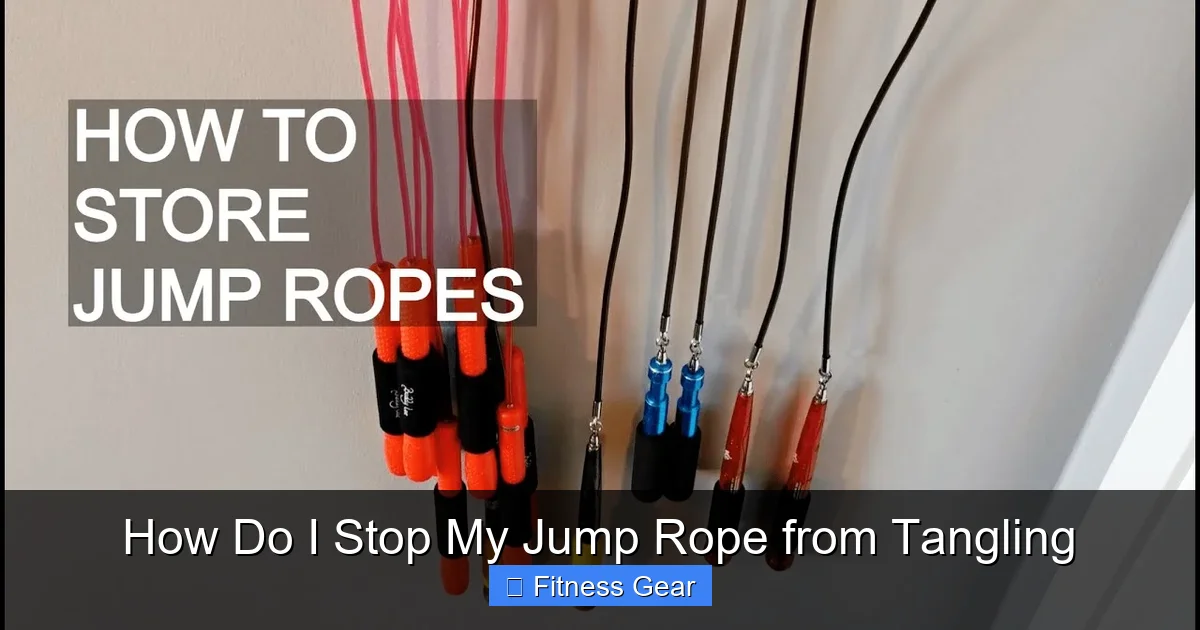
The simplest way to avoid knots is to hang the rope. Use a wall hook, a pegboard, or even a sturdy coat hanger. Make sure the rope is fully extended; a slack rope will still develop twists.
Visual guide about How Do I Stop My Jump Rope from Tangling
Image source: i.ytimg.com
Coil it correctly
If hanging isn’t an option, coil the rope in a “lazy‑Susan” style:
- Lay the rope flat on a clean surface.
- Start at the handles and make loose, even loops about 12‑inch wide.
- Keep the loops loose enough that the rope can move but tight enough to stay in place.
- Secure the coil with a Velcro strap or a rubber band.
Use a dedicated rope bag
Many brands sell small canvas or nylon bags with a handle. These bags keep dust away, protect the rope from accidental bends, and make it easy to toss into your gym bag.
Travel tips
When you’re on the road, roll the rope inside a shirt or towel. The fabric cushions the rope and prevents it from winding around other items in your luggage.
4. Maintenance: Keep Your Rope in Top Shape
Regular cleaning
Dust and sweat can cause the rope fibers to stick together, leading to tangles. Wipe the rope after each use with a damp cloth. For PVC or beaded ropes, a quick rinse with mild soap and water works well. Let it air‑dry completely before storing.
Inspect for wear
Check the rope weekly for fraying, broken beads, or a worn cable. Small issues can cause the rope to snag and tangle. Replace the rope before the damage spreads.
Lubricate the cable (speed ropes only)
If the cable feels gritty, apply a tiny drop of silicone spray to the interior of the cable. Rotate the handles a few times to spread it evenly. This reduces friction and helps the rope spin smoothly.
Rotate the rope periodically
Even when stored, the cable can develop a natural twist. Every few weeks, hold the rope at the midpoint and give it a gentle twist in the opposite direction of any visible coil. This “reset” keeps the rope from developing a permanent twist.
5. Quick Fixes When a Knot Happens
Step‑by‑step untangling
- Lay the rope on a flat surface.
- Identify the tightest knot and gently pull the surrounding loops apart.
- Use a pair of tweezers or a small crochet hook to loosen stubborn loops.
- Once the knot loosens, run the rope through your fingers to straighten it.
- Finish with a quick figure‑eight coil to keep it tidy.
Use a “rope‑straightener” tool
Some fitness stores sell a plastic rod with a curved edge designed to slide along the rope and smooth out twists. Slide it from handle to handle a few times; the rope will often unwind itself.
When to replace
If you find yourself untangling the same spot repeatedly, the rope’s core may be damaged. It’s time to invest in a new rope—usually after 6‑12 months of regular use, depending on intensity.
Conclusion: A Tangled Rope Is a Solvable Problem
Jump rope is one of the most efficient cardio tools out there, but a tangled rope can kill the momentum you need. By choosing the right rope, mastering proper technique, storing it wisely, and giving it regular care, you can say goodbye to knots for good. The next time you reach for your rope, you’ll spend less time wrestling and more time jumping, burning calories, and having fun.
Remember, the secret isn’t a fancy gadget—it’s consistency. Keep these habits in your routine, and your rope will stay smooth, straight, and ready whenever you are.
Frequently Asked Questions
Why does my jump rope keep tangling even though I store it properly?
Even with good storage, the rope can develop a twist over time due to the cable’s natural memory. Periodically rotate the rope in the opposite direction of any visible coil to reset it.
Can I use any type of rope for speed work?
For speed work, a lightweight speed rope with a coated wire cable and ball‑bearing handles is best. PVC or beaded ropes are heavier and slower, making double‑unders harder.
How often should I clean my jump rope?
Wipe it down after every workout. If you use it heavily or sweat a lot, give it a quick rinse with mild soap and water once a week.
Is it okay to oil a PVC rope?
No. PVC ropes don’t need oil and can become slippery or degrade. Use silicone spray only on speed rope cables.
What is the best way to travel with a jump rope?
Roll the rope inside a soft shirt or towel, then place it in a small canvas bag. This protects it from bends and keeps it from tangling with other items.
When should I replace my jump rope?
Replace the rope when you notice frayed strands, broken beads, or a cable that no longer rotates smoothly. For most active users, this is every 6‑12 months.