Is an Exercise Bike Good After Knee Replacement
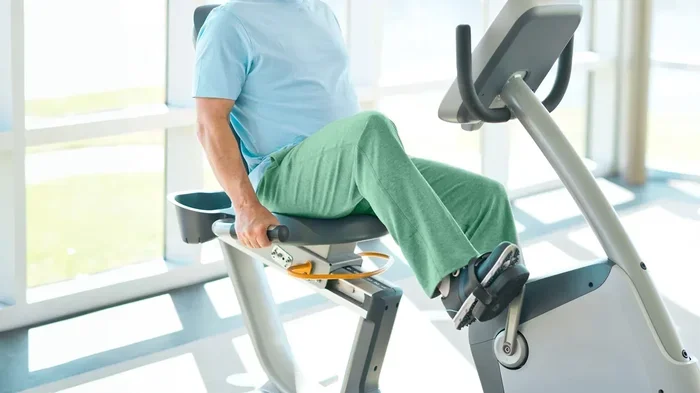
An exercise bike is one of the best tools for recovering after knee replacement surgery. It offers a low-impact cardio workout that strengthens muscles without stressing your new joint. This article covers when you can start, how to ride safely, and tips to maximize your knee rehabilitation.
Recovering from a knee replacement can feel like a long road. You want to get back on your feet, but every movement makes you wonder: is an exercise bike good after knee replacement? The short answer is yes. In fact, stationary cycling is one of the most recommended exercises by orthopedic surgeons and physical therapists worldwide.
A knee replacement is a major surgery. Your joint needs time to heal, muscles need to rebuild, and your range of motion needs to improve. That is where a stationary bike shines. It lets you move your knee gently, build strength, and get your heart pumping without putting heavy pressure on the new joint. Whether you just had the surgery or are weeks into recovery, an exercise bike can be a game-changer for your knee rehabilitation journey.
In this article, you will learn when it is safe to start, how to set up your bike correctly, and practical tips to make your recovery smoother. Let us dive in.
Key Takeaways
- Early cycling helps recovery: Starting stationary bike sessions early can improve blood flow and speed up healing after knee replacement.
- Low-impact exercise is key: An exercise bike puts minimal stress on your knee joint compared to running or jumping.
- Follow your surgeon’s advice: Always get medical clearance before beginning any post-surgery exercise routine.
- Gradual progression matters: Start with short sessions and slowly increase duration and resistance over weeks.
- Proper bike setup is essential: Correct seat height and handlebar position prevent strain and maximize comfort during recovery.
- Consistency beats intensity: Regular short rides are more effective than occasional long sessions for post-surgery rehab.
📑 Table of Contents
- Why an Exercise Bike Is Great After Knee Replacement
- When Can You Start Riding After Knee Replacement?
- How to Set Up Your Exercise Bike for Recovery
- Safe Riding Tips for Post-Surgery Recovery
- Common Mistakes to Avoid When Cycling After Surgery
- Comparing Exercise Bike to Other Exercises After Knee Replacement
- How an Exercise Bike Supports Long-Term Knee Health
- Expert Insights on Cycling After Knee Replacement
- Quick Tips for a Successful Recovery Ride
- Conclusion
Why an Exercise Bike Is Great After Knee Replacement
So, is a stationary bike a good form of exercise after surgery? Absolutely. Here is why doctors love it:
Gentle on Your New Joint
Running, jumping, or even walking can put a lot of force on your knee. A stationary bike, on the other hand, keeps you seated and supports your body weight. The smooth pedaling motion moves your knee through a controlled range of motion without sudden impact. This makes it perfect for post-surgery fitness.
When you compare cycling to other activities, the difference is clear. Running sends shock waves through your joints with every step. Cycling glides. That gentle motion helps reduce knee pain and swelling while keeping the joint lubricated.
Builds Muscle Strength
After knee replacement, your leg muscles often weaken. This is normal. Surgery itself can cause muscle loss, and months of limited movement make things worse. Cycling targets your quadriceps, hamstrings, and calves. Over time, these muscles support and stabilize your new knee joint.
Stronger muscles also mean less stress on the joint itself. Think of it this way: your muscles act like a support system for your knee. The stronger they get, the better they protect it.
Improves Range of Motion
One of the biggest challenges after joint replacement is getting your knee to bend and move properly. Regular cycling helps. The repetitive pedaling action gently stretches and flexes the joint. Over weeks, most people notice a significant improvement in their range of motion.
Many patients who ride consistently reach their full bending goals faster than those who skip cycling. It is one of those simple exercises that delivers big results.
Boosts Blood Flow and Healing
Your body heals better when blood flows well. Cycling gets your heart rate up and pushes blood through your legs. This delivers oxygen and nutrients to the surgical area, which helps speed up recovery. Better circulation also reduces stiffness and keeps tissues healthy.
When Can You Start Riding After Knee Replacement?
This is the question almost every patient asks. The honest answer: it depends on your situation. But here are some general guidelines.
First Few Days After Surgery
Most surgeons recommend gentle movement as soon as possible, sometimes even the day after surgery. You might not hop on a bike right away, but simple rehabilitation exercises like ankle pumps and gentle knee bends start early. Some hospitals even have patients use a stationary bike within the first few days under supervision.
Weeks 1 to 3
During the early weeks, short rides of 5 to 10 minutes are common. You will likely ride at very low resistance. The goal is not fitness. It is to keep the joint moving, reduce swelling, and begin rebuilding confidence. If you had a hip replacement as well, the timeline may differ slightly, so always check with your care team.
Weeks 4 to 6
By this point, most patients can ride for 15 to 20 minutes. Resistance can increase a little. You might also start walking short distances between rides. This is a great phase to build consistency. Even if you feel unsure, is a stationary bike a good form of exercise? Yes, and this is exactly when it pays off the most.
After 6 Weeks
Many people return to longer rides and even light outdoor cycling. Your surgeon or physical therapist will guide you. Some patients wonder, how long to ride stationary bike after knee replacement? There is no set deadline. Listen to your body and follow professional advice.
Important: Always Get Clearance
Never start riding without your doctor or physical therapist saying it is okay. Every surgery and patient is different. What worked for someone else might not work for you. Medical clearance is non-negotiable.
How to Set Up Your Exercise Bike for Recovery
Setting up your bike the right way makes a huge difference. Poor setup can cause strain, discomfort, or even injury. Here is how to get it right:
Seat Height
This is the most important setting. When your foot is at the bottom of the pedal stroke, your knee should have a slight bend. If the seat is too low, you lose range of motion. If it is too high, your hip rocks side to side and strains the joint. Aim for a nearly full extension at the bottom of each pedal push.
Handlebar Position
Keep handlebars at a comfortable height where you can sit upright without hunching. If you lean too far forward, you put extra weight on your knees. An upright position supports your back and keeps pressure off the surgical joint.
Resistance Level
Start with zero or very low resistance. You are not trying to crush it on day one. Smooth, easy pedaling is the goal. As your strength builds over weeks, slowly increase the resistance. Think gradual, not dramatic.
Seat Fore and Aft
Make sure the seat is not too far forward or backward. When your foot is on the pedal at the 3 o’clock position, your knee should sit directly above your toes. This alignment protects the joint and keeps pedaling efficient.
Safe Riding Tips for Post-Surgery Recovery
Knowing how to ride safely helps you avoid setbacks. Here are practical tips that work:
Start Slow and Short
Begin with 5-minute sessions, 2 to 3 times a day. Yes, that is it. No pressure. As your body adjusts, add 2 to 5 minutes each week. Consistency matters far more than intensity.
Focus on Smooth Pedaling
Do not pedal like you are racing. Smooth, steady circles work best. This keeps the joint moving evenly and reduces jerky movements that can irritate the knee. If you feel any grinding or catching, stop and rest.
Listen to Your Body
Some discomfort is normal. Sharp pain is not. If you feel a sudden spike of pain, stop immediately. Mild muscle soreness after riding is fine. Swelling or sharp joint pain means you overdid it. Rest and recover before your next session.
Use Ice After Riding
Applying ice to your knee for 10 to 15 minutes after cycling helps control swelling. It also soothes any stiffness that builds up during the ride. Keep a bag of ice or a cold pack near your bike. Make this part of your post-ride routine.
Wear Supportive Shoes
Do not ride barefoot or in flip-flops. Supportive footwear keeps your foot stable on the pedal and prevents awkward foot positions. This simple detail protects your entire leg, not just your knee.
Track Your Progress
Keep a simple log. Write down how long you rode, the resistance level, and how your knee felt before and after. Over time, you will see clear improvement. This also helps your physical therapist adjust your plan. If you want to explore other options, you might ask yourself: is a stationary bike good exercise for bad knees? The answer is yes, especially during recovery.
Common Mistakes to Avoid When Cycling After Surgery
Even with good intentions, some mistakes can slow your recovery. Watch out for these:
Riding Too Hard Too Soon
Your knee is healing. It does not need a tough workout yet. Pushing too much resistance or riding for too long can cause swelling, pain, and setbacks. Patience pays off big time here.
Ignoring Pain Signals
Some people think “no pain, no gain.” That is the worst advice after surgery. Your body is telling you something. Respect it. Modify, rest, or stop as needed. Pain is a warning sign, not a badge of honor.
Skipping Warm-Up
Jumping straight into a ride is a bad idea. Spend 2 to 3 minutes pedaling at zero resistance before increasing anything. This warms up the joint and prepares the muscles. Think of it like easing into a pool instead of diving in.
Poor Posture on the Bike
Slouching or leaning too far forward puts uneven stress on your body. Sit tall, keep your back straight, and grip the handlebars lightly. Good posture protects your knee, back, and hips.
Not Following a Plan
Random riding without structure leads to inconsistent progress. Work with your physical therapist to create a plan. Follow it. Adjust it as you improve. A plan gives you direction and keeps you accountable.
Comparing Exercise Bike to Other Exercises After Knee Replacement
Cycling is not the only option. But how does it stack up? Here is a quick comparison:
| Exercise | Impact on Knee | Muscle Building | Range of Motion | Safe for Early Recovery |
|---|---|---|---|---|
| Exercise Bike | Very Low | Good | Excellent | Yes |
| Walking | Low to Moderate | Moderate | Good | Gradually |
| Running | High | Good | Limited | No |
| Rowing Machine | Low to Moderate | Very Good | Good | With Caution |
| Pool Exercises | Very Low | Good | Very Good | Yes |
As you can see, the exercise bike stands out for early recovery. It is safe, effective, and easy to do at home. That said, other activities like walking and pool exercises have their place too. A mix of options often works best as you progress. If you are curious about alternatives, you may wonder: is an exercise bike better than a rowing machine for recovery? Both are great, but cycling is usually easier on a freshly replaced knee.
How an Exercise Bike Supports Long-Term Knee Health
Recovery does not end when the swelling goes down. You want your new knee to last decades. Regular cycling helps with that long-term goal.
Maintains Joint Mobility
Even after full recovery, keeping your knee flexible matters. A regular cycling routine keeps the joint loose and functional. It prevents stiffness from creeping in as you age.
Supports Healthy Weight
Extra weight puts more stress on your knee. Regular cycling helps with weight management. It burns calories, boosts metabolism, and keeps your body lean. Lighter joints last longer. If you are also looking to shed some pounds, you might explore topics like how effective an exercise bike is for weight loss. The results can be very positive when combined with a balanced diet.
Reduces Stiffness and Pain
Many people with knee replacements deal with occasional stiffness, especially in the morning. Daily cycling keeps things moving. It is like oiling a hinge. The more you use it, the smoother it operates.
Builds Confidence
This one is underrated. After major surgery, many people fear movement. Cycling gives you a safe, controlled way to rebuild trust in your body. Each ride proves to you that your knee can handle it. That confidence spreads to everything else you do.
Expert Insights on Cycling After Knee Replacement
Physical therapists who specialize in post-surgery rehab almost always include cycling in their plans. Here is what they commonly say:
Dr. Sarah Lin, DPT notes, “We introduce stationary bikes within the first two weeks for most patients. The key is proper setup and realistic expectations. We are not training athletes here. We are helping people move again.”
Mark Thompson, PT adds, “I always tell patients that consistency beats heroics. Ten minutes a day, five days a week, will do more than a one-hour session once a week. The joint responds to regular gentle motion.”
These experts agree on one thing: an exercise bike is a cornerstone of modern knee rehabilitation. It is simple, effective, and backed by years of clinical practice.
Quick Tips for a Successful Recovery Ride
- Start with 5 minutes and build up slowly over weeks.
- Ride at the same time daily to build a habit.
- Keep resistance low for the first month at least.
- Ice your knee after riding to control swelling.
- Wear proper shoes for stable pedal contact.
- Track your rides in a simple journal or app.
- Stay hydrated to support joint health and recovery.
Conclusion
So, is an exercise bike good after knee replacement? The evidence and expert opinion both point to a clear yes. Stationary cycling is gentle, effective, and perfectly suited for post-surgery recovery. It strengthens muscles, improves range of motion, boosts blood flow, and builds confidence in your new joint.
The road to full recovery takes time and patience. But with a well-set-up bike, a smart plan, and consistent effort, you can make that journey smoother. Start slow, follow your therapist guidance, and trust the process. Your new knee deserves the best care you can give it. Now get on that bike and start riding toward a stronger, pain-free life.
Frequently Asked Questions
Is it safe to use an exercise bike right after knee replacement surgery?
Most surgeons allow gentle stationary bike use within the first few days or weeks after surgery. However, you must get clearance from your doctor first. Early rides should be very short and at zero resistance. Always follow your physical therapist specific guidance for timing and intensity.
How long should I ride on an exercise bike after knee replacement?
Start with 5 to 10 minute sessions and gradually increase to 20 to 30 minutes over several weeks. The exact duration depends on your recovery progress. Listen to your body and increase time slowly. Consistency with shorter rides is better than occasional long sessions.
Can riding an exercise bike reduce knee pain after surgery?
Yes, cycling helps reduce post-surgery knee pain in several ways. It improves blood flow to the area, strengthens supporting muscles, and keeps the joint mobile. The low-impact motion avoids stress on the new joint. Many patients report less stiffness and discomfort with regular riding.
What type of exercise bike is best for knee rehabilitation?
A standard upright stationary bike or a recumbent bike both work well. Recumbent bikes offer back support and are easier on the hips. Choose one with adjustable resistance and a comfortable seat. Avoid high-end spin bikes during early recovery. Consult your therapist for personalized recommendations.
Should I feel pain while cycling after knee replacement?
No. Mild muscle soreness is normal, but sharp or increasing knee pain is not. Stop riding immediately if you feel sudden pain. Some discomfort in the early days can happen, but it should not be intense. Always err on the side of caution and adjust your effort downward if needed.
Can I use an exercise bike if I also had a hip replacement?
In most cases, yes. Stationary cycling is gentle on both the knee and hip joints. However, recovery timelines may differ if you had multiple surgeries. Talk to your surgeon about your specific situation. Proper bike setup becomes even more important to avoid straining either joint.