Filet Mignon Steak The Ultimate Guide to Perfect Flavor
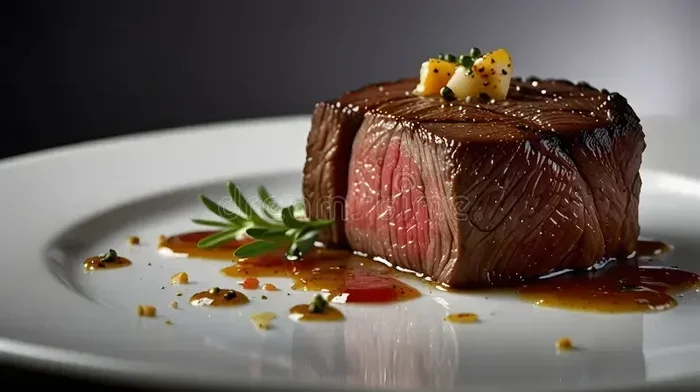
Filet mignon steak is the most tender cut of beef, prized for its buttery texture and mild flavor. This guide covers everything from selecting the perfect beef tenderloin to cooking methods like pan-searing, grilling, and sous vide. You’ll learn pro tips for achieving a perfect crust, ideal internal temperature, and restaurant-quality results at home.
Filet mignon steak is the ultimate indulgence for any beef lover. This cut comes from the smaller end of the beef tenderloin, and it is known for its incredible tenderness. Unlike fattier steaks, filet mignon steak offers a lean, buttery texture that melts in your mouth. It is the go-to choice for special occasions and fine dining.
Many people think cooking a perfect steak is only for chefs. With the right technique, you can achieve restaurant-quality results in your own kitchen. This guide will walk you through everything you need to know. From selecting the best cut to mastering the sear, you will learn the secrets of a flawless filet mignon steak.
We will cover essential tools, cooking methods, and serving ideas. Whether you prefer a simple pan-seared filet or a grilled filet mignon with herb butter, you will find practical steps here. Let’s dive into the world of this steakhouse classic.
Key Takeaways
- Choose the right cut: Look for beef tenderloin with fine marbling and a bright red color.
- Bring to room temperature: Take the steak out 30-45 minutes before cooking for even heat.
- Sear in a hot cast iron skillet: This creates a flavorful crust without overcooking the inside.
- Use a meat thermometer: Pull the steak at 120°F for medium-rare for the juiciest result.
- Rest the steak: Let it sit for 5-10 minutes to redistribute juices.
- Finish with herb butter: A simple compound butter adds richness and flavor.
📑 Table of Contents
- What Is Filet Mignon Steak?
- How to Select the Perfect Filet Mignon Steak
- Essential Tools and Ingredients for Cooking Filet Mignon Steak
- Step-by-Step Cooking Methods for Filet Mignon Steak
- Achieving the Perfect Doneness for Your Filet Mignon Steak
- Serving and Pairing Your Filet Mignon Steak
- Final Thoughts on Filet Mignon Steak
What Is Filet Mignon Steak?
The term “filet mignon” comes from French, meaning “tender fillet” or “delicate fillet.” It refers to the small, tapered end of the beef tenderloin. This part of the animal does very little work, which is why the muscle remains incredibly soft. A true filet mignon steak is a lean cut with very little intramuscular fat, or marbling.
The Cut Behind the Luxury
Beef tenderloin is a long, narrow muscle that runs along the cow’s backbone. The tenderloin roast is the whole piece, and butchers slice it into individual steaks. Filet mignon steaks are typically 1 to 2 inches thick and 2 to 3 inches in diameter. Because they are so lean, they cook faster than fattier cuts like ribeye or New York strip. This leanness is what gives the filet mignon steak its delicate, melt-in-your-mouth feel.
Why It’s So Tender
Tenderness comes from the muscle’s lack of connective tissue. The tenderloin is a non-weight-bearing muscle, so it never develops tough fibers. The low marbling means less fat to render during cooking, but it also means the steak relies on proper technique to stay juicy. A well-executed filet mignon steak should be buttery and smooth, with a mild beef flavor that lets sauces shine.
Quick Tips for Selecting Filet Mignon Steak
- Look for a bright red color with thin white streaks of marbling.
- Choose steaks that are at least 1.5 inches thick for better crust formation.
- Buy from a trusted butcher or high-quality meat supplier.
- If buying online, check reviews for filet mignon price and freshness.
How to Select the Perfect Filet Mignon Steak
Choosing the right steak is the first step to a great meal. The quality of the beef tenderloin makes all the difference. You want a cut that is fresh, well-trimmed, and properly aged.
Understanding Marbling and Grade
Marbling refers to the tiny white flecks of fat within the meat. While filet mignon steak is lean, it still needs some marbling for flavor and moisture. USDA Prime grade has the most marbling, followed by Choice and Select. Prime filet mignon steak will be more flavorful, but Choice grade still offers excellent results at a lower filet mignon price.
Fresh vs. Frozen
Many people assume fresh is always better, but flash-frozen beef tenderloin can be just as good. In fact, some steakhouses use frozen steaks because the freezing process helps retain moisture. If you buy frozen, look for vacuum-sealed packages with no ice crystals. Thaw slowly in the refrigerator for 24 hours before cooking.
Size and Thickness
The ideal filet mignon steak is about 1.5 to 2 inches thick. Thinner steaks can overcook easily, while thicker ones allow for a great sear without drying out the center. A 6- to 8-ounce steak is perfect for a single serving. If you are grilling, a slightly thicker cut holds up better to the heat.
Essential Tools and Ingredients for Cooking Filet Mignon Steak
Great cooking starts with the right equipment. You don’t need fancy gadgets, but a few key items will make a big difference.
The Right Pan
A heavy cast iron skillet is the best pan for searing filet mignon steak. It retains heat well and creates an even, golden crust. If you don’t have cast iron, a stainless steel skillet works too. Avoid non-stick pans, as they cannot handle the high heat needed for a proper sear.
Quality Butter and Herbs
Compound butter is a simple way to elevate your steak. Mix soft unsalted butter with minced garlic, fresh thyme, and a pinch of sea salt. This herb butter melts over the hot steak, adding richness. You can also make a classic peppercorn sauce using cracked black peppercorns, beef broth, and heavy cream.
Must-Have Seasonings
Keep it simple. Coarse sea salt and freshly cracked black pepper are all you need for a great filet mignon steak. Salt the steak at least 40 minutes before cooking, or right before if you are short on time. This draws out moisture, which then dissolves the salt and gets reabsorbed, seasoning the meat deeply.
Step-by-Step Cooking Methods for Filet Mignon Steak
There are several ways to cook a perfect filet mignon steak. Each method brings out different flavors and textures. Here are the three most popular techniques.
Pan-Searing for a Perfect Crust
Pan-searing is the most classic way to cook filet mignon steak. It produces a beautiful brown crust while keeping the inside tender.
- Remove the steak from the refrigerator 30-45 minutes before cooking. Let it reach room temperature.
- Pat the steak dry with paper towels. Moisture is the enemy of a good sear.
- Season generously with coarse salt and pepper.
- Heat a cast iron skillet over high heat until it just begins to smoke.
- Add a high-smoke-point oil like avocado oil. Place the steak in the pan.
- Sear for 2-3 minutes on each side without moving it. This builds the crust.
- For extra flavor, add a tablespoon of butter, crushed garlic, and fresh thyme to the pan. Tilt the pan and baste the steak with the melted butter.
- Transfer the steak to a cutting board and let it rest for 5-10 minutes.
Oven Finish and Grilling
For thicker cuts, a two-step method works wonders. Sear the steak on the stovetop, then finish it in the oven or on a grill.
Oven method: After searing both sides, transfer the skillet to a preheated 400°F oven. Cook for 4-6 minutes for medium-rare. This is a foolproof way to achieve a perfect edge-to-edge temperature.
Grilling method: Preheat your grill to high heat. Sear the filet mignon steak for 2-3 minutes per side. Then move it to a cooler part of the grill, close the lid, and cook for another 3-5 minutes depending on thickness. A grilled filet mignon has a lovely smoky flavor that pairs well with a simple herb butter.
Sous Vide Filet Mignon Steak
Sous vide is a precision cooking method that guarantees perfect doneness every time. Vacuum-seal the seasoned steak and cook it in a water bath at 130°F for 1 to 2 hours. This low, steady heat breaks down the muscle fibers gently, resulting in an incredibly tender filet mignon steak. Finish by searing in a screaming-hot cast iron skillet for 30 seconds per side to create a crust.
Achieving the Perfect Doneness for Your Filet Mignon Steak
Temperature control is the secret to a great steak. A filet mignon steak is lean, so it can go from perfect to dry very quickly. Use a reliable instant-read meat thermometer.
Internal Temperature Guide
Here is a quick reference for doneness. Remove the steak from heat 5°F below your target temperature, as carryover cooking will raise it further.
| Doneness | Pull Temperature | Final Temperature |
|---|---|---|
| Rare | 115°F | 120°F |
| Medium Rare | 120°F | 125°F |
| Medium | 130°F | 135°F |
| Medium Well | 140°F | 145°F |
| Well Done | 150°F | 155°F |
Most steak lovers prefer medium-rare for filet mignon steak. This temperature keeps the meat juicy and tender while allowing the beef flavor to develop. A medium filet is still very tender, but it loses some of the buttery quality that makes this cut special.
Resting the Steak
Resting is not optional. When you cut into a hot steak, the juices run out onto the board. Let the steak rest on a warm plate for 5 to 10 minutes. The juices redistribute, and each slice stays moist. This simple step makes a huge difference in the final bite.
Carryover Cooking
Carryover cooking means the internal temperature rises by 5-10°F after you remove the steak from heat. This happens because the outer layers are hotter than the center. If you pull the steak at 120°F, it will reach 125-130°F while resting. Factor this in when using a thermometer.
Serving and Pairing Your Filet Mignon Steak
A perfect filet mignon steak deserves the right accompaniments. Keep the sides simple to let the steak shine.
Classic Sauces
A peppercorn sauce is a timeless pairing. The spicy, creamy coating adds a gourmet touch without overpowering the meat. For a lighter option, a red wine reduction with shallots and fresh herbs works beautifully. You can also keep it simple with a generous dollop of herb butter melting on top.
Side Dishes
Classic steakhouse sides include creamed spinach, roasted garlic mashed potatoes, and crispy Parmesan fries. A simple arugula salad with lemon vinaigrette cuts through the richness. Roasted asparagus or grilled broccolini adds a fresh, green contrast.
Wine Pairings
Red wine is the natural companion for filet mignon steak. A bold Cabernet Sauvignon stands up to the lean meat, while a silky Merlot complements its buttery texture. Pinot Noir is another excellent choice, offering earthy notes without overwhelming the palate. For white wine lovers, a full-bodied Chardonnay can also work.
Common Mistakes to Avoid
Even experienced cooks make errors. Here are a few to watch out for.
- Cooking from cold: A fridge-cold steak cooks unevenly. Always bring it to room temperature.
- Skipping the sear: The crust adds flavor and texture. Do not skip this step.
- Over-salting too early: Salt too far in advance can draw out too much moisture and dry the surface.
- Cutting too soon: Cutting into the steak right after cooking releases all the juices. Let it rest.
- Using a dull knife: A sharp knife slices through the tender filet cleanly, preserving its texture.
Expert Insights
Chef Thomas Keller once said that the best steak needs nothing more than salt, pepper, and a hot pan. The simplicity of a filet mignon steak is its strength. Do not overcomplicate it. Let the quality of the beef tenderloin speak for itself. A good cast iron skillet, a reliable thermometer, and patience are all you need.
Key Takeaways
Remember that filet mignon steak is a lean, delicate cut that rewards careful attention. Bring it to room temperature, sear it hard, rest it properly, and finish with a complementary sauce or herb butter. These steps transform a simple piece of beef into a memorable meal.
Final Thoughts on Filet Mignon Steak
Filet mignon steak is more than just a meal; it is an experience. The tenderness, the clean beef flavor, and the elegant presentation make it a favorite for celebrations and quiet dinners alike. Whether you pan-sear, grill, or use the sous vide method, the goal is the same: a perfectly cooked steak that melts in your mouth.
By following the steps in this guide, you can confidently prepare a filet mignon steak that rivals any steakhouse. Focus on quality beef, proper technique, and a little patience. The results will speak for themselves. So fire up your cast iron skillet, grab your favorite steak, and enjoy the art of cooking the perfect filet mignon steak.
Frequently Asked Questions
What is the best way to cook filet mignon steak?
Pan-searing in a hot cast iron skillet is the most popular and reliable method. It creates a beautiful crust while keeping the inside tender. You can also finish it in the oven or on a grill for thicker cuts.
How thick should a filet mignon steak be?
An ideal thickness is 1.5 to 2 inches. This allows for a good sear without overcooking the center. Thinner steaks can dry out quickly, while thicker ones offer more margin for error.
Should you marinate filet mignon steak?
Generally, no. Filet mignon steak is already tender and mild. A simple salt and pepper seasoning is enough. Marinating can mask the natural flavor and may affect the texture of this lean cut.
What is the difference between filet mignon and beef tenderloin?
Beef tenderloin is the whole muscle, while filet mignon refers to the smaller, tapered end slices cut from it. The tenderloin roast is a larger piece often roasted whole, whereas filet mignon steak is the individual portion perfect for pan-searing or grilling.
Can you freeze filet mignon steak?
Yes, you can freeze it for up to 6 months. Wrap it tightly in plastic wrap and place it in a vacuum-sealed bag to prevent freezer burn. Thaw slowly in the refrigerator for best results.
What sauce pairs best with filet mignon steak?
A classic peppercorn sauce is a timeless choice. Red wine reduction, creamy mushroom sauce, or a simple herb butter also work beautifully. The goal is to complement, not overpower, the delicate flavor of the steak.