The Best Spaghetti Bolognese Recipe You Will Ever Make
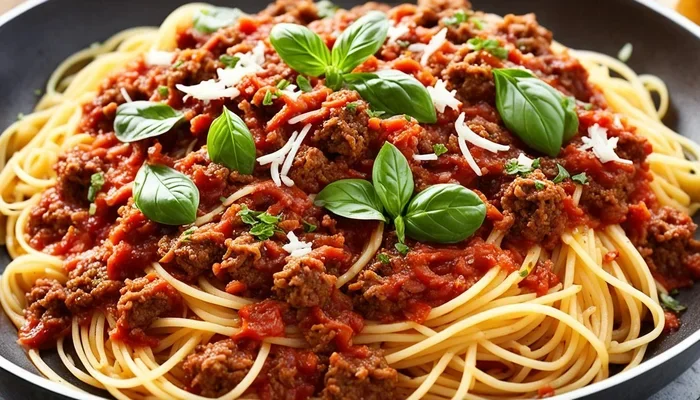
This foolproof spaghetti bolognese recipe delivers a deep, rich, slow-cooked Italian meat sauce that tastes even better than takeout. You will learn how to build layers of flavor using simple ingredients like ground beef, soffritto, and a splash of red wine. Whether you are a beginner or a seasoned home cook, this guide gives you everything you need for the ultimate family dinner.
There is a reason spaghetti bolognese sits at the top of comfort food lists around the world. A rich, meaty sauce simmered to perfection over tender pasta creates a dish that feels like a warm hug on a cold evening. This is not just another pasta recipe. It is the kind of meal that fills your kitchen with an aroma that makes everyone stop what they are doing and head to the kitchen.
I have spent years perfecting this recipe. I have tweaked the ratios, adjusted the cooking times, and learned from some of the best Italian home cooks out there. What I am sharing with you today is the result of all that experimentation. It is a spaghetti bolognese recipe that is simple enough for a Tuesday night but impressive enough for Sunday dinner with guests. Let me walk you through every step so you can make the best plate of pasta you have ever tasted.
Key Takeaways
- Start with a proper soffritto: Sautéing onion, carrot, and celery builds the flavor foundation of every great bolognese sauce.
- Brown your meat properly: Getting a good sear on ground beef creates deep, caramelized flavor that makes the sauce rich.
- Low and slow is the secret: Simmering the sauce for at least 1.5 hours lets all the flavors meld together beautifully.
- Use quality ingredients: Good tomatoes, fresh herbs, and real Parmigiano-Reggiano make a noticeable difference in the final dish.
- Salt at every stage: Seasoning in layers ensures every bite of your Italian meat sauce is full of flavor.
- Pair it right: Use fresh spaghetti, finish with basil and olive oil, and grate Parmesan on top for the best experience.
📑 Table of Contents
What Makes the Best Spaghetti Bolognese
Not all bolognese sauces are created equal. A lot comes down to technique and patience. The difference between a good spaghetti bolognese and a great one often comes down to a few key principles that every home cook should know.
The Role of Soffritto
Every authentic Italian meat sauce starts with soffritto. This is a base of finely diced onion, carrot, and celery cooked slowly in olive oil until they turn soft and sweet. It might seem like a small step, but soffritto is the backbone of your entire sauce. Without it, you are just cooking meat in tomato juice. With it, you build a complex, layered flavor that develops over time.
Take your time with this step. Let the vegetables cook on medium-low heat for at least 5 to 7 minutes. You want them to practically melt into the sauce, not brown or crisp up. This gentle cooking releases natural sugars and creates a sweet, savory base that will carry the rest of your ingredients.
Why Browning Matters
When you add your ground beef to the pan, do not rush it. You want a deep brown crust on the meat. This is called the Maillard reaction, and it is what gives your Italian cuisine that rich, savory depth. Many people make the mistake of breaking the meat up too quickly and stirring constantly. Instead, let it sit for a minute or two before you start breaking it apart.
You will hear a sizzle when the meat hits the hot pan. That sound is good. It means you have enough heat to start the browning process. Let it do its work, then break the meat into chunks and continue cooking until there is no pink left. Drain any excess fat if needed, but do not skip the browning step. This is where the magic happens.
Patience Over Speed
The best spaghetti bolognese cannot be rushed. A slow-cooked sauce develops flavors that a quick 20-minute simmer simply cannot match. Professional Italian cooks often let their ragù simmer for three or even four hours. At home, you should aim for at least 90 minutes of simmering time. The longer the sauce cooks, the more the flavors concentrate and meld together.
During this time, the tomato sauce reduces, the meat becomes tender, and the olive oil carries all those wonderful flavors throughout. Stir occasionally, adjust the heat to keep a gentle bubble, and let time do the heavy lifting. Your patience will be rewarded with a sauce that tastes like it simmered all day.
Ingredients You Will Need
One of the best things about this pasta recipe is that you probably already have most of these ingredients in your kitchen. The beauty of a classic Italian meat sauce is its simplicity. You do not need a long grocery list. You need the right ingredients.
Core Ingredients
- Ground beef: Use 80/20 ground beef for the best flavor and texture. The fat content keeps the sauce rich and juicy.
- Olive oil: A good extra virgin olive oil adds fruity, peppery notes that enhance the overall taste.
- Onion: One medium yellow onion, finely diced, forms the base of your soffritto.
- Carrot: One medium carrot adds natural sweetness and depth.
- Celery: One stalk gives a subtle herbal note that is essential to authentic Italian cooking.
- Garlic: Three to four cloves, minced, add aromatic heat.
- Canned crushed tomatoes: Use high-quality San Marzano tomatoes for the best flavor.
- Tomato paste: Two tablespoons concentrate the tomato flavor and add body to the sauce.
- Red wine: A half cup of dry red wine deglazes the pan and adds complexity.
- Beef broth: One cup creates a rich, savory liquid base.
- Italian seasoning: Dried oregano, basil, and thyme work perfectly together.
- Parmesan cheese: Freshly grated Parmigiano-Reggiano for finishing the dish.
- Fresh basil: A handful of fresh leaves added at the end brightens the whole dish.
- Spaghetti: Use dried spaghetti made from durum wheat semolina for the best texture.
- Salt and black pepper: Season at every stage for a well-balanced flavor.
Substitutions and Alternatives
Do not have red wine? You can use extra beef broth or a splash of balsamic vinegar instead. Vegetarian? Try using lentils or mushrooms in place of ground beef for a plant-based version that still delivers that hearty, satisfying flavor. Ground pork or a mix of beef and pork also works wonderfully if you want to switch things up.
| Ingredient | Best Choice | Budget Alternative |
|---|---|---|
| Tomatoes | San Marzano canned tomatoes | Regular crushed tomatoes |
| Ground Beef | 80/20 blend | 90/10 lean blend |
| Wine | Dry red (Chianti or Sangiovese) | Beef broth + splash of vinegar |
| Pasta | Fresh spaghetti | Dried durum wheat spaghetti |
| Cheese | Parmigiano-Reggiano | Pecorino Romano |
Step-by-Step Cooking Instructions
Now let us get into the fun part. Making this Italian meat sauce is straightforward, but following these steps carefully will take your result from good to absolutely incredible.
Step 1: Prepare Your Soffritto
Heat two tablespoons of olive oil in a large Dutch oven or heavy-bottomed pot over medium heat. Add the finely diced onion, carrot, and celery. Season with a pinch of salt and cook gently for 5 to 7 minutes until everything is soft and translucent. Add the minced garlic and cook for one more minute until fragrant. This aromatic base is the soul of your spaghetti bolognese.
Step 2: Brown the Meat
Increase the heat to medium-high and add the ground beef. Break it into large chunks with a wooden spoon and let it sit undisturbed for about two minutes. Then start breaking it down into smaller pieces. Continue cooking until the meat is fully browned and no pink remains. This should take about 5 to 7 minutes. Remove any excess fat if the pan looks greasy.
Step 3: Deglaze and Build the Sauce
Add the tomato paste and stir it into the meat for about one minute. This concentrates the flavor and gives the sauce a deeper red color. Pour in the red wine and scrape up all the browned bits from the bottom of the pot. These bits are packed with flavor. Let the wine reduce by about half before moving to the next step.
Step 4: Simmer Low and Slow
Add the crushed tomatoes, beef broth, Italian seasoning, and a generous crack of black pepper. Stir everything together and bring the sauce to a gentle boil. Then reduce the heat to low and let it simmer partially covered for at least 90 minutes. Stir every 15 to 20 minutes to prevent sticking. The sauce should bubble gently, not boil aggressively.
Step 5: Cook the Pasta
About 15 minutes before the sauce is done, bring a large pot of salted water to a rolling boil. Cook your spaghetti according to the package directions but pull it off one minute early. This is called cooking al dente, and it ensures the pasta stays firm when it meets the hot sauce. Reserve one cup of pasta water before draining.
Step 6: Bring It All Together
Add the drained spaghetti directly into the sauce. Toss everything together over low heat for one to two minutes, adding splashes of pasta water as needed. The starchy water helps the sauce cling to every strand of pasta. Plate it up, finish with freshly grated Parmesan and torn basil leaves, and drizzle with a little extra virgin olive oil.
Tips for the Perfect Spaghetti Bolognese
Small details can make a big difference in your final dish. Here are some pro tips that will elevate your Italian meat sauce from good to restaurant-quality.
Quick Tips
- Use a Dutch oven: The heavy pot distributes heat evenly and retains moisture, which is perfect for slow simmering.
- Do not skip the wine: Even a small amount adds depth and complexity that you cannot get from broth alone.
- Season in layers: Add salt when you cook the soffritto, when you brown the meat, and at the end. Each layer builds flavor.
- Save some pasta water: The starch in the water acts as a natural thickener and helps the sauce coat the pasta better.
- Let it rest: Like any good stew, the sauce tastes even better after resting for 10 to 15 minutes off the heat.
- Use fresh herbs when possible: Dried herbs work fine for cooking, but fresh basil added at the end brings a bright, aromatic finish.
Expert Insights
Many Italian grandmothers will tell you that the secret to a great ragù is using a mix of meats. Ground beef alone makes a fine sauce, but adding a small amount of ground pork or veal creates a more nuanced flavor profile. Some traditional recipes also include a splash of milk, which tenderizes the meat and adds a subtle creaminess to the sauce.
Another expert tip is to add a parmesan rind while the sauce simmers. As it melts slowly into the sauce, it adds a rich, savory umami flavor that pairs beautifully with the tomato base. These small touches are what separate a home-cooked meal from something truly extraordinary.
Common Mistakes to Avoid
Even experienced cooks can make mistakes when preparing spaghetti bolognese. Here are the most common pitfalls and how to avoid them.
Common Mistakes
- Rushing the browning process: If you do not get a proper sear on the meat, you lose a significant amount of flavor. Take the time to let the meat brown before breaking it up.
- Using low-quality canned tomatoes: The tomatoes are the primary flavor of your sauce. Cheap brands often contain added sugar and preservatives that throw off the taste. Invest in quality San Marzano tomatoes.
- Overcooking the pasta: Mushy spaghetti ruins an otherwise perfect dish. Always pull the pasta off the heat a minute before the package says it is done.
- Adding too much liquid: If your sauce is watery at the end, it means you added too much broth or did not let it simmer long enough. Reduce it on low heat to concentrate the flavors.
- Forgetting to salt the pasta water: This is your only chance to season the pasta itself. The water should taste like mild seawater before you add the spaghetti.
- Adding cheese to the sauce: While Parmesan is wonderful on top, stirring it into the sauce can make it grainy. Add it as a finishing touch instead.
Variations and Serving Ideas
Once you have mastered the classic recipe, you can start experimenting with different variations. This is where the recipe truly becomes yours.
Popular Variations
- Spaghetti Bolognese with pork: Replace half the ground beef with ground pork for a richer, slightly sweeter flavor.
- Slow cooker version: Combine all ingredients in a slow cooker and cook on low for 6 to 8 hours. Perfect for busy days when you want dinner ready when you get home.
- Zucchini noodle version: Swap spaghetti for spiralized zucchini for a lighter, lower-carb option that still gets all the flavor of the meat sauce.
- Added vegetables: Stir in chopped mushrooms, bell peppers, or spinach for extra nutrition and texture.
- Spicy twist: Add a pinch of red pepper flakes or a diced chili pepper for a subtle heat that complements the rich sauce.
Serving Suggestions
Serve your spaghetti bolognese with a side of crusty garlic bread and a simple green salad dressed with lemon and olive oil. A glass of Chianti or Sangiovese wine pairs beautifully with the dish. For a complete Italian experience, finish with a simple panna cotta or tiramisu for dessert.
This dish also reheats incredibly well. Make a big batch on the weekend and enjoy homemade spaghetti bolognese throughout the week. The flavors only get better as the sauce sits overnight in the refrigerator. Freeze leftovers in individual portions for easy meals on busy nights.
Conclusion
Making the best spaghetti bolognese at home is easier than you think. With the right ingredients, a little patience, and the techniques outlined in this guide, you can create a dish that rivals anything served in a fine Italian restaurant. The key is to take your time with the soffritto, brown the meat properly, and let the sauce simmer low and slow until every flavor has had time to develop.
This spaghetti bolognese recipe is more than just a meal. It is a tradition, a family staple, and a celebration of simple, honest Italian cooking. Once you make it a few times, you will develop your own rhythm and preferences. You will know exactly how long to simmer the sauce and how much salt feels right. That is the beauty of cooking at home.
So grab your Dutch oven, gather your ingredients, and give this recipe a try tonight. Your family will thank you. Your kitchen will smell incredible. And you will have a go-to dinner that works for any night of the week. This is the spaghetti bolognese recipe you will come back to again and again.
Frequently Asked Questions
Can I use ground turkey instead of ground beef for this spaghetti bolognese?
Yes, you can substitute ground turkey for a leaner option. However, turkey has less fat, so the sauce may be slightly less rich. Add an extra tablespoon of olive oil to compensate, and consider cooking the turkey a bit longer to develop deeper flavor.
How long can I store leftover spaghetti bolognese in the fridge?
Leftover Italian meat sauce keeps well in an airtight container in the refrigerator for up to four days. The flavors continue to develop overnight, making it even tastier the next day. Reheat gently on the stovetop with a splash of broth to keep the sauce moist.
Can I freeze spaghetti bolognese for later?
Absolutely. This slow-cooked sauce freezes beautifully for up to three months. Let it cool completely, portion it into freezer-safe containers, and thaw overnight in the refrigerator before reheating. The sauce freezes better without the pasta, so freeze the sauce separately and cook fresh spaghetti when you are ready to serve.
What is the difference between bolognese and marinara sauce?
Marinara is a tomato-based sauce made primarily with tomatoes, garlic, and herbs, cooked relatively quickly. A true bolognese, or ragù, includes ground meat, soffritto, wine, and broth, and simmers for hours until thick and rich. The spaghetti bolognese we are making today combines both traditions into one hearty, complete dish.
Do I need red wine to make this recipe?
Red wine adds depth and complexity, but it is not strictly necessary. You can replace it with an equal amount of beef broth plus a splash of balsamic vinegar or red wine vinegar. The sauce will still be flavorful and delicious without alcohol.
What pasta shapes work best with bolognese sauce besides spaghetti?
While spaghetti is the classic pairing, other pasta shapes work wonderfully too. Tagliatelle is the traditional choice in Bologna, Italy. Rigatoni, pappardelle, and even penne catch the chunky sauce beautifully. Any pasta with ridges or tubes helps the sauce cling better, giving you more flavor in every bite.
=== KEY TAKEAWAYS ===
Key Takeaways
- Start with a proper soffritto: Sautéing onion, carrot, and celery builds the flavor foundation of every great bolognese sauce.
- Brown your meat properly: Getting a good sear on ground beef creates deep, caramelized flavor that makes the sauce rich.
- Low and slow is the secret: Simmering the sauce for at least 1.5 hours lets all the flavors meld together beautifully.
- Use quality ingredients: Good tomatoes, fresh herbs, and real Parmigiano-Reggiano make a noticeable difference in the final dish.
- Salt at every stage: Seasoning in layers ensures every bite of your Italian meat sauce is full of flavor.
- Pair it right: Use fresh spaghetti, finish with basil and olive oil, and grate Parmesan on top for the best experience.