Does the Elliptical or Treadmill Burn More Calories
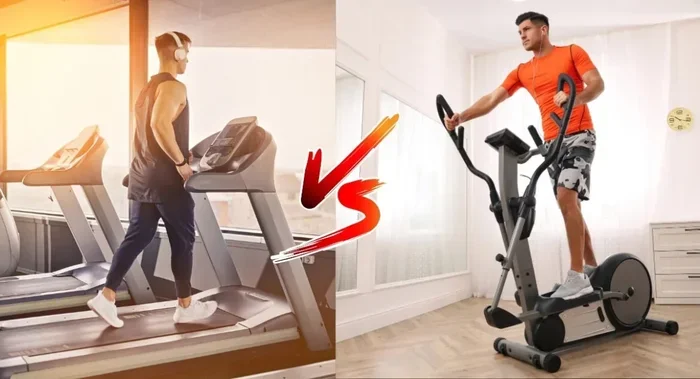
So, does the elliptical or treadmill burn more calories? The truth is, both machines are excellent for burning calories, but the treadmill generally wins for pure calorie burn due to weight-bearing movement. Your results depend on intensity, body weight, workout duration, and whether you push yourself hard enough.
The age-old debate in the gym world always comes back to one question: does the elliptical or treadmill burn more calories? People jump on these machines every day, hoping to torch fat and get in shape. But which one actually delivers better results?
The answer isn’t as simple as picking a winner. Both machines have unique strengths. The treadmill tends to burn more calories overall because it forces your body to support its own weight. The elliptical, on the other hand, offers a full-body, low-impact workout that many people find more enjoyable and sustainable.
In this guide, we will break down the calorie burn on both machines. We will look at the science, the factors that change your results, and practical tips to maximize your workout. By the end, you will know exactly which machine fits your goals best.
Key Takeaways
- Treadmill burns more calories: Running or walking on a treadmill engages more muscle groups and burns more calories per minute than the elliptical.
- Elliptical is gentler on joints: If you have knee or back issues, the elliptical provides a low-impact workout that still torches calories.
- Intensity matters most: A high-intensity elliptical session can out-burn a casual treadmill jog. Your effort level is the biggest factor.
- Body weight affects results: Heavier individuals burn more calories on both machines, so your personal stats will vary.
- Both support weight loss: Either machine works great for fat loss when paired with a healthy diet and consistent routine.
- HIIT boosts calorie burn: Adding interval training to either machine dramatically increases calories burned and metabolic rate.
📑 Table of Contents
Understanding Calorie Burn on Cardio Machines
Before we compare the two machines, let us talk about how your body burns calories during exercise. When you do any form of cardio, your body uses energy to keep your muscles moving. The harder the work, the more fuel your body needs. This fuel comes from calories stored in your body.
Your calorie burn depends on several things. Your body weight plays a huge role. A heavier person burns more calories than a lighter person doing the same workout. Your heart rate matters too. The higher your heart rate, the more calories you torch. And your exercise intensity determines everything. A light stroll burns far fewer calories than a sprint.
Both the elliptical and treadmill fall under the category of cardio machines. They both get your heart pumping and your body moving. But they do it in very different ways. The treadmill mimics natural movement like walking or running. The elliptical creates a smooth, gliding motion that reduces stress on your joints.
If you want to understand your personal burn rate, check out how many calories do I burn on the elliptical for detailed breakdowns by weight and duration.
Does the Treadmill Burn More Calories Than the Elliptical?
Here is the short answer. Yes, the treadmill generally burns more calories than the elliptical. But the difference is not as huge as you might think. Let us dig into the details.
Why the Treadmill Burns More Calories
When you run or walk on a treadmill, your body has to lift itself off the ground with every step. This is called weight-bearing exercise. It forces your legs, core, and even your upper body to work harder. More muscle engagement means more energy used, which means more calories burned.
Running on a treadmill is one of the most intense forms of cardio you can do. At a moderate running pace of 6 miles per hour, a 155-pound person burns roughly 300 to 400 calories in 30 minutes. Walking burns fewer calories, but still more than a similar effort on the elliptical.
The treadmill also allows for incline training. Adding an incline makes your body work against gravity. This spikes your calorie burn significantly. A steep incline walk can match the effort of a light jog, and it targets your glutes and hamstrings more effectively.
Where the Elliptical Shines
Now, the elliptical is not losing this race by much. The elliptical still provides a solid calorie burn. A 155-pound person can expect to burn around 270 to 350 calories in 30 minutes on a moderate elliptical workout. That is impressive for a low-impact machine.
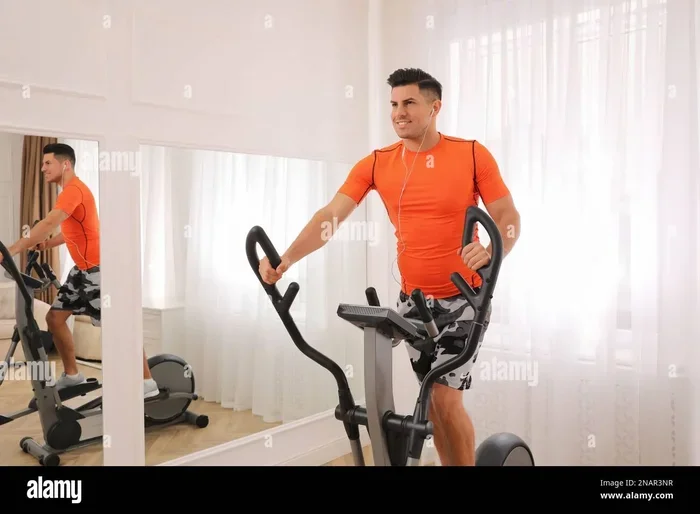
The elliptical also engages your upper body. Most elliptical machines have moving handles that work your arms, shoulders, and chest. This means you are burning calories with both your upper and lower body at the same time. Very few cardio machines can claim that.
If you want a deeper look at calorie burn on the elliptical, read how many calories do I burn on the treadmill to see side-by-side comparisons.
Factors That Affect Calorie Burn on Both Machines
Calorie burn is not a one-size-fits-all number. Many factors change how many calories you actually burn during a session. Understanding these factors helps you get the most out of your workout.
Body Weight and Composition
This is the biggest factor. A heavier person will always burn more calories than a lighter person doing the same exercise. This is because it takes more energy to move a larger body. If you weigh 200 pounds, your calorie burn will be higher than someone who weighs 130 pounds on the same machine at the same intensity.
Muscle mass also matters. Muscle tissue burns more calories than fat tissue, even at rest. So someone with more muscle will have a higher resting metabolic rate and burn more calories during exercise too.
Workout Intensity and Speed
Intensity is everything. A leisurely walk on the treadmill burns far fewer calories than an all-out sprint. Same goes for the elliptical. A slow, easy glide will not torch nearly as many calories as a high-intensity interval session.
To maximize your burn, focus on pushing your heart rate into the moderate-to-high zone. This is where your body starts tapping into stored fat for fuel. You can track your heart rate using a fitness watch or the built-in sensors on most machines.
Duration of Your Workout
Longer workouts burn more calories, obviously. But quality matters more than quantity. A 30-minute high-intensity session can burn more calories than a 60-minute easy workout. This is why many fitness experts recommend shorter, harder sessions over longer, easier ones.
Fitness Level and Adaptation
Your body adapts to exercise over time. When you first start using a machine, you burn a lot of calories because your body is not used to the work. As you get fitter, your body becomes more efficient. This means you burn fewer calories doing the same workout. To keep challenging your body, you need to increase intensity, add incline, or try new workout patterns.
Elliptical vs Treadmill: Head-to-Head Comparison
Let us put the two machines side by side so you can see the differences clearly. This comparison will help you decide which machine fits your fitness goals.
| Factor | Treadmill | Elliptical |
|---|---|---|
| Calorie Burn (30 min, moderate) | 300-400 cal | 270-350 cal |
| Impact on Joints | High | Low |
| Muscle Groups Worked | Legs, core, some upper | Full body (arms and legs) |
| Weight-Bearing Exercise | Yes | No |
| Incline/Resistance Options | Incline, speed | Resistance, ramp |
| Best For | Max calorie burn, runners | Joint-friendly cardio, full body |
| Risk of Injury | Higher | Lower |
The treadmill takes the lead in raw calorie burn. But the elliptical makes up for it with joint-friendly benefits and full-body engagement. If you have knee pain, back issues, or are recovering from an injury, the elliptical is the safer choice. You still get a great workout without the pounding on your joints.
Many people also ask whether the elliptical or treadmill is better for weight loss. The answer is that both work when you stay consistent and control your diet. Check out is the elliptical or treadmill better for weight loss for a deeper dive into this topic.
How to Maximize Calorie Burn on Each Machine
Want to get the most out of your workout? Here are proven strategies to boost your calorie burn on both the treadmill and the elliptical.
Tips for the Treadmill
- Add incline intervals: Set the incline to 10-15% and walk fast for 2 minutes, then recover for 1 minute. This mimics hill running and spikes your calorie burn.
- Try sprint intervals: Alternate between 30 seconds of all-out running and 1 minute of walking. This is one of the best ways to burn fat and boost your metabolic rate.
- Run with a slight incline: Even a 2-3% incline makes a big difference. It forces your body to work harder without feeling like a huge increase in effort.
- Increase your pace gradually: Do not jump to a fast speed right away. Build up your pace over several weeks to avoid injury.
- Use the handrails sparingly: Holding onto the treadmill rails reduces your calorie burn because your body is not working as hard. Let your arms swing naturally.
Tips for the Elliptical
- Push and pull the handles: Many people only use their legs on the elliptical. By actively pushing and pulling the moving handles, you engage your upper body and burn more calories.
- Increase resistance: Crank up the resistance to make your muscles work harder. Higher resistance equals more effort and more calorie burn.
- Try reverse pedaling: Pedaling backward targets different muscle groups, especially your quads and glutes. It also keeps your workout from feeling stale.
- Use interval training: Alternate between 1 minute of high resistance and 1 minute of easy pedaling. This boosts your heart rate and burns more calories than a steady workout.
- Stand up straight: Leaning on the handles reduces the effectiveness of your workout. Stand tall, engage your core, and let your body move naturally.
Which Machine Is Right for You?
The best machine is the one you will actually use consistently. If you love the feeling of running and want to burn the maximum number of calories, the treadmill is your best bet. If you have joint pain, are overweight, or prefer a smoother motion, the elliptical is the smarter choice.
You can also use both machines in the same week. This keeps your workouts varied and challenges different muscle groups. Some people do treadmill runs on Monday and Wednesday, then elliptical sessions on Tuesday and Thursday. This approach prevents boredom and reduces the risk of overuse injuries.
For more on this topic, check out does the elliptical burn more calories than the treadmill for a detailed scientific comparison.
No matter which machine you choose, consistency is key. A machine you use three times a week for 30 minutes will always beat a machine you use once a month. Pick the one you enjoy, show up regularly, and watch your results pile up over time.
Final Thoughts
So, does the elliptical or treadmill burn more calories? The treadmill comes out slightly ahead in most cases, but the elliptical is a close second and offers benefits the treadmill simply cannot match. The treadmill gives you a higher calorie burn per minute and builds bone density through weight-bearing exercise. The elliptical protects your joints, works your full body, and delivers a fantastic cardio workout with less stress on your knees and hips.
Your best choice depends on your body, your goals, and your preferences. If you are dealing with joint pain or are just starting your fitness journey, the elliptical is a great place to begin. If you are looking to maximize calorie burn and are healthy enough for high-impact exercise, the treadmill is hard to beat.
Whichever machine you pick, make sure you are working hard enough. A comfortable, easy workout will not give you the results you want. Push yourself, track your progress, and stay consistent. That is the real secret to burning calories and reaching your fitness goals.
Frequently Asked Questions
Does the elliptical or treadmill burn more calories for beginners?
For beginners, the elliptical is often the better starting point because it is low-impact and easier on the joints. However, the treadmill will generally burn more calories per minute once you build up your fitness level. Start with the elliptical if you are new to exercise, then gradually add treadmill sessions as your strength and endurance improve.
Can I lose belly fat by using the treadmill or elliptical?
Spot reduction is a myth, so neither machine will target belly fat alone. But both the treadmill and elliptical burn calories, which helps create the calorie deficit needed for overall fat loss. When combined with a healthy diet and strength training, regular cardio on either machine will help reduce belly fat over time.
How long should I work out on the treadmill or elliptical to burn a significant number of calories?
A 30-minute session at moderate intensity is a great starting point for most people. If you want to burn more calories, you can increase the duration to 45 or 60 minutes or boost the intensity with intervals. The key is to find a duration and intensity level you can sustain consistently.
Is the elliptical a good alternative to running on the treadmill?
Absolutely. The elliptical provides a similar cardiovascular workout without the high impact on your joints. It is an excellent alternative for people with knee pain, shin splints, or other injuries that make running uncomfortable. You can still get a great calorie burn and improve your cardiovascular fitness on the elliptical.
Does body weight really affect how many calories I burn on these machines?
Yes, body weight has a major impact on calorie burn. A heavier person will burn more calories than a lighter person doing the exact same workout. This is because it takes more energy to move a larger body. Use your own weight and stats to get a more accurate estimate of your personal calorie burn.
Should I use the treadmill or elliptical if I want to build muscle?
Neither machine is designed for muscle building, but both can support muscle tone. The treadmill, especially with incline walking, engages your glutes, hamstrings, and calves more. The elliptical works your full body, including your arms and core. For real muscle growth, you should pair cardio with strength training exercises.