Does a Rowing Machine Help You Lose Belly Fat

Rowing machines can be a powerful tool for losing belly fat when combined with proper diet and consistent training. They burn calories, engage core muscles, and improve overall fitness, making them an effective addition to any fat‑loss plan.
Key Takeaways
- Understanding Does A Rowing Machine Help You Lose Belly Fat: Provides essential knowledge
📑 Table of Contents
- Introduction: Why the Question Matters
- How Fat Loss Works: The Basics
- Rowing Machine Mechanics: What Makes It Special?
- Designing a Rowing Routine for Belly Fat
- Nutrition: The Missing Piece
- Measuring Success: What to Track
- Common Mistakes and How to Avoid Them
- Conclusion: Can a Rowing Machine Help You Lose Belly Fat?
Introduction: Why the Question Matters
When you look in the mirror and see stubborn belly fat, the first thought is often, “I need a magic machine.” Rowing machines appear on many “best cardio” lists, promising a full‑body sweat session in a compact design. But can they really melt the love‑handles you’ve been battling for years?
In this article we’ll break down the science behind rowing and fat loss, compare rowing to other cardio options, and give you a step‑by‑step plan to use a rowing machine for a flatter belly. Think of this as a friendly chat over a protein shake—no jargon, just clear answers you can apply today.
How Fat Loss Works: The Basics
Calories In vs. Calories Out
Weight loss, including belly fat, boils down to creating a calorie deficit. If you consume 2,500 calories a day and burn 2,200, you’ll store the extra 300 as fat. To lose belly fat, you need to tip the balance the other way—burn more than you eat.

Visual guide about Does a Rowing Machine Help You Lose Belly Fat
Image source: wellnesscomet.com
The Role of Hormones
Hormones like insulin, cortisol, and leptin influence where your body stores fat. High insulin from sugary meals pushes fat into the abdomen, while chronic stress raises cortisol, which also favors belly storage. Cardio, including rowing, helps improve insulin sensitivity and lower cortisol levels over time.
Spot Reduction Myth
Targeting belly fat with “ab crunches” alone isn’t effective. Fat loss occurs systemically; you can’t choose which area sheds first. However, exercises that heavily involve the core can tone the muscles underneath, giving a tighter appearance once the fat layer thins.
Rowing Machine Mechanics: What Makes It Special?
Full‑Body Movement
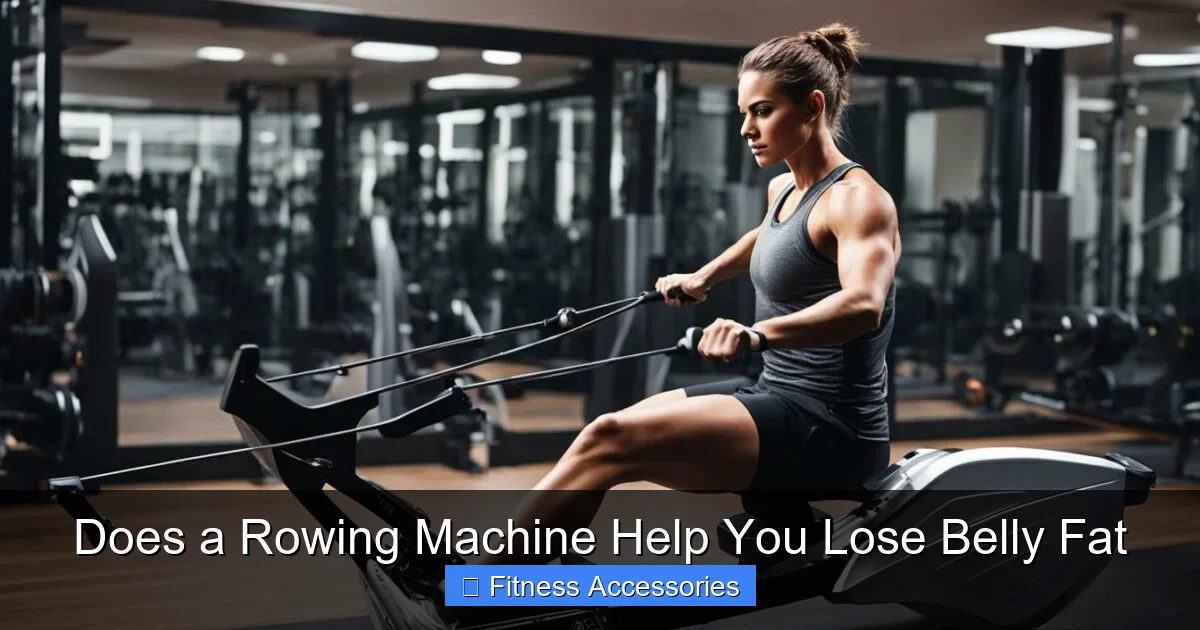
Each stroke has two phases: the “catch” (lean forward) and the “drive” (push back). The drive uses the legs (quadriceps, hamstrings), hips, back, and arms, while the core stabilizes the spine and transfers power. This synergy means you’re burning calories at a higher rate than with a treadmill or bike that isolates the lower body.
Visual guide about Does a Rowing Machine Help You Lose Belly Fat
Image source: cdn.homegic.com
Calorie Burn Comparison
- Rowing: 400‑800 calories per hour (moderate to vigorous effort).
- Running (6 mph): 600‑900 calories per hour.
- Elliptical: 500‑700 calories per hour.
- Stationary bike: 400‑600 calories per hour.
Rowing sits in the middle of the pack but delivers a unique core‑centric advantage.
Heart Rate Zones
Staying in the 70‑85% of your maximum heart rate (the “fat‑burn zone”) for 20‑30 minutes maximizes calorie use from fat stores. Most rowing machines display real‑time heart‑rate data when you wear a chest strap or use the built‑in sensor.
Designing a Rowing Routine for Belly Fat
Frequency and Duration
Aim for 3–5 sessions per week, each lasting 20‑30 minutes. Beginners can start with 10‑minute intervals, gradually adding five minutes as endurance improves.
Intensity Structure
Use interval training to boost after‑burn (EPOC). A simple beginner interval:
- Warm‑up: 5 minutes easy rowing (50% effort).
- Work: 1 minute hard (80% effort) + 2 minutes easy (50% effort) – repeat 5 times.
- Cool‑down: 5 minutes light rowing.
More advanced rowers can try 30 seconds sprint / 30 seconds rest for 10 rounds.
Technique Tips
- Catch: Sit tall, shins vertical, arms straight, shoulders relaxed.
- Drive: Push through the heels, keep the core tight, lean back slightly at the hips (not the lower back).
- Finish: Pull the handle to the lower ribs, elbows close to the body.
- Recovery: Extend arms first, then bend knees, and slide forward.
Good form ensures the core does the work, reducing strain on the lower back and maximizing belly‑fat engagement.
Progression Strategies
Every two weeks, increase one variable: add a minute to the total time, add a sprint interval, or raise the resistance level. Small, consistent upgrades keep the body adapting and the calorie burn climbing.
Nutrition: The Missing Piece
Calorie Tracking
Use a free app (MyFitnessPal, Cronometer) to log meals. Aim for a modest 300‑500 calorie deficit per day. This range promotes steady loss without triggering hunger spikes that sabotage workouts.
Macronutrient Balance
- Protein: 1.0‑1.2 g per kg body weight to preserve muscle while you lose fat.
- Carbs: Choose complex carbs (oats, sweet potatoes) to fuel rowing sessions.
- Fats: Include healthy fats (avocado, nuts) for satiety and hormone health.
Timing Around Workouts
Eat a light, carb‑protein snack 30‑60 minutes before rowing (e.g., banana with a spoon of peanut butter). Post‑row, replenish with a protein‑rich meal to aid recovery and keep metabolism elevated.
Measuring Success: What to Track
Scale vs. Tape Measure
Weight can fluctuate due to water retention. Measure waist circumference weekly—use a flexible tape at the level of your belly button. A 1‑2 cm drop per month signals real fat loss.
Performance Metrics
- Calories burned per session: Aim to increase by 5‑10% each month.
- Split time (500 m): Faster splits indicate improved cardiovascular efficiency.
- Distance in 20 min: A longer distance means better endurance.
Body Composition Tools
If possible, use a bioelectrical impedance scale or get a DEXA scan annually. Watching body fat percentage shrink gives a clearer picture than the scale alone.
Common Mistakes and How to Avoid Them
Relying Solely on the Machine
Rowing is fantastic, but pairing it with strength training (2 days a week) preserves muscle mass, which in turn keeps metabolism high.
Neglecting Recovery
Over‑training leads to cortisol spikes, which store belly fat. Include at least one full rest day and stretch after each session (hip flexors, hamstrings, lower back).
Improper Form
Rounding the back or using only the arms turns rowing into a low‑impact arm workout, wasting calories and risking injury. Practice the “leg‑body‑arm” sequence until it feels natural.
Skipping Warm‑up/Cool‑down
A 5‑minute easy row before intensity primes the heart and muscles, while a cool‑down helps flush lactic acid and reduces soreness.
Conclusion: Can a Rowing Machine Help You Lose Belly Fat?
Absolutely—when used correctly. Rowing burns a high number of calories, engages the core, and improves overall metabolic health. However, the machine alone won’t melt belly fat if you ignore diet, consistency, and proper technique. Pair regular rowing sessions with a modest calorie deficit, balanced nutrition, and occasional strength work, and you’ll see the waistline shrink while your fitness level soars. Think of the rowing machine as a powerful ally in your belly‑fat‑loss journey, not a solitary miracle.
Frequently Asked Questions
Does rowing burn more calories than running?
Rowing burns slightly fewer calories than a fast run at the same perceived effort, but it offers a low‑impact, full‑body workout that also strengthens the core, making it an efficient choice for belly‑fat loss.
How long does it take to see a reduction in waist size?
Most people notice a 1‑2 cm decrease in waist circumference after 4‑6 weeks of consistent rowing (3‑5 sessions per week) combined with a modest calorie deficit.
Can I lose belly fat with just 15 minutes of rowing each day?
Yes, short high‑intensity intervals (e.g., 30 seconds sprint, 30 seconds rest) for 15 minutes can create a calorie deficit and stimulate fat loss, especially when paired with a proper diet.
Is rowing safe for people with lower‑back problems?
When performed with correct form—keeping the back neutral and driving with the legs—rowing is generally safe and can even strengthen the muscles that support the spine. Start with low resistance and focus on technique.
Do I need a heart‑rate monitor for effective belly‑fat loss?
A monitor helps you stay in the optimal fat‑burn zone (70‑85% of max heart rate), but you can also gauge intensity by how hard you’re breathing and whether you can speak in short sentences.
Should I combine rowing with other cardio machines?
Mixing modalities (like cycling or walking) prevents boredom and works muscles differently, which can enhance overall calorie burn and keep motivation high.