Putting a mat under your rowing machine isn’t just a nice‑to‑have—it’s a smart move for floor safety, machine stability, and user comfort. This article breaks down the why, what, and how of choosing the right mat so you can row worry‑free.
Key Takeaways
- Floor protection: A mat shields hardwood, laminate, and tile from scratches, dents, and moisture damage.
- Machine stability: The right mat reduces wobble and vibration, improving rowing performance.
- Noise reduction: Foam or rubber mats absorb sound, keeping workouts quieter for you and neighbors.
- Comfort & safety: A cushioned surface eases joint stress and prevents slipping during intense strokes.
- Choosing the right mat: Consider thickness, material, size, and slip‑resistance based on your equipment and floor type.
- Maintenance is simple: Most mats can be wiped clean; regular care extends their life.
- Cost‑effective upgrade: Even budget‑friendly mats provide measurable benefits without breaking the bank.
📑 Table of Contents
- Why a Mat Matters: The Core Reasons
- How to Choose the Right Mat for Your Rowing Machine
- Step‑by‑Step: Installing Your Mat Correctly
- Maintenance Tips: Keep Your Mat in Top Shape
- Cost vs. Benefit: Is It Worth the Investment?
- Alternatives and Complementary Accessories
- Conclusion: Do I Need a Mat Under My Rowing Machine?
Why a Mat Matters: The Core Reasons
When you first set up a rowing machine, the floor often gets overlooked. Yet the floor is the foundation of every stroke. A sturdy, slip‑resistant surface does more than keep your house looking good—it directly influences your workout quality.
1. Protects Your Flooring
Rowing machines are heavy, often weighing 150 lb or more. The wheels, sled, and foot pedals concentrate that weight onto a small area. On hardwood or laminate, repeated pressure can cause scratches, dents, and even warping. A mat acts as a barrier, distributing weight evenly and preventing the machine’s metal parts from grinding against the floor.
2. Increases Stability and Performance
Without a stable base, the machine can shift slightly with each pull. That movement wastes energy and can throw off your form. A low‑friction mat with a firm grip keeps the rower locked in place, letting you focus on technique rather than balance.
3. Reduces Noise and Vibration
Many home gyms share space with living areas. A thick rubber or foam mat absorbs the vibrations that travel through the floor, keeping the clatter down for family members, roommates, or downstairs neighbors.
4. Enhances Comfort and Safety
Rowing involves repeated foot pressure and a sliding seat. A cushioned mat eases joint impact on the knees and hips, especially during high‑intensity intervals. It also provides a non‑slip surface, lowering the risk of accidental foot slips.
How to Choose the Right Mat for Your Rowing Machine
Not every mat is created equal. The best choice depends on three main factors: your floor type, the size and weight of your rower, and your personal preferences for feel and aesthetics.
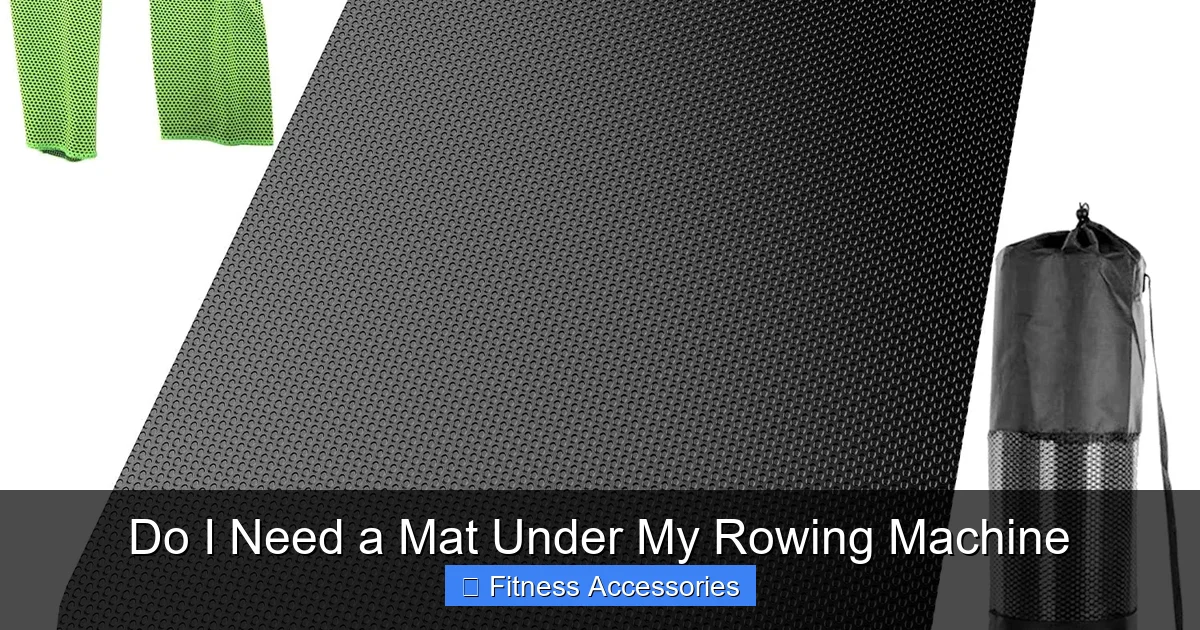
Visual guide about Do I Need a Mat Under My Rowing Machine
Image source: m.media-amazon.com
Material Matters
- Rubber (e.g., recycled tire rubber): Heavy‑duty, excellent for sound dampening and durability. Ideal for concrete or tile floors.
- Foam (high‑density EVA or PE foam): Light, easy to move, and provides a softer feel. Works well on hardwood and laminate.
- Interlocking PVC or PU tiles: Modular, customizable, and provide a stable platform. Good for uneven surfaces.
- Gym mats (horse‑hide or vinyl): Offer a professional look and are easy to clean; best for commercial‑grade setups.
Thickness & Density
For floor protection, aim for ¼‑inch (6 mm) to ½‑inch (12 mm) thickness. Thicker mats (¾‑inch or more) give extra cushioning but can feel “soft” under the rower’s sled, potentially affecting the smoothness of the slide.
Size and Shape
Measure the footprint of your rowing machine (including wheel tracks). Add at least 6‑12 inches on each side to give room for foot movement and to catch any wobble. Most manufacturers list the dimensions; a typical indoor rower requires a mat about 5 ft × 3 ft.
Slip‑Resistance
Look for a “non‑slip” bottom layer. Rubberized backs or textured surfaces grip most floor types. If you have a very smooth surface (e.g., polished tile), a mat with a raised pattern will prevent sliding.
Aesthetic Considerations
While performance is key, a mat that matches your home décor can make the gym area feel more welcoming. Many brands offer neutral colors, wood‑grain prints, or sleek black finishes.
Step‑by‑Step: Installing Your Mat Correctly
A mat won’t work if it’s placed incorrectly. Follow these simple steps to get the most out of your investment.
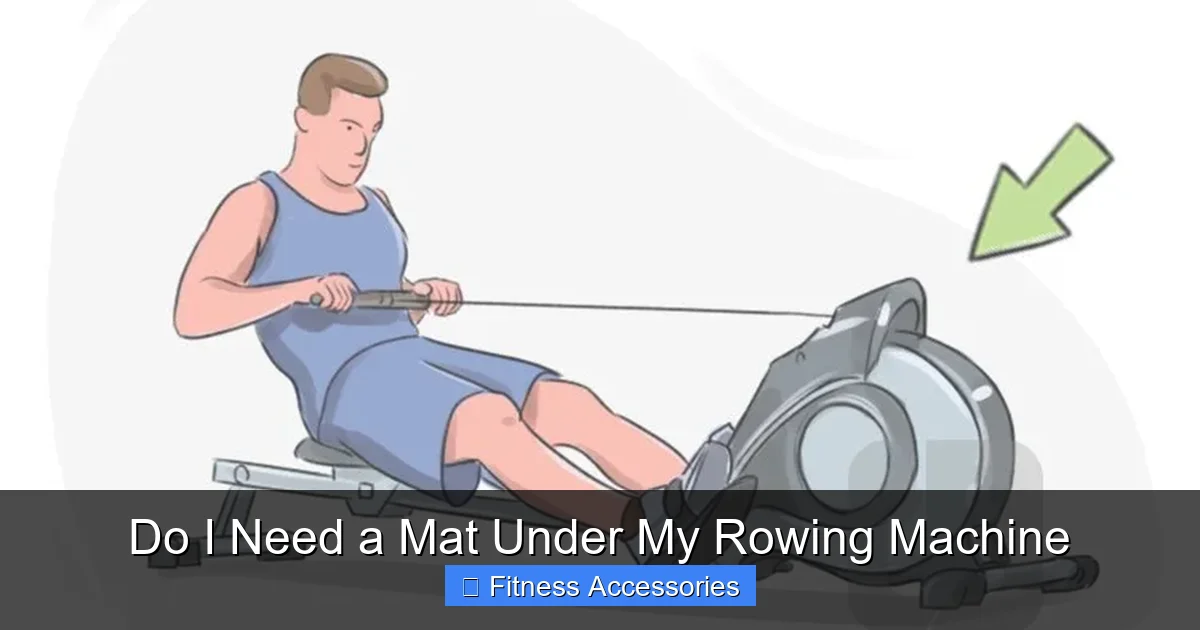
Visual guide about Do I Need a Mat Under My Rowing Machine
Image source: cdn.langeek.co
Step 1: Clean the Floor
Dust, debris, and moisture can compromise the mat’s grip. Sweep or vacuum, then wipe with a mild cleaner. Let the surface dry completely.
Step 2: Unroll and Position
Lay the mat flat and align it with the measured area. If the mat is larger than needed, trim it with a utility knife, leaving a small border for safety.
Step 3: Secure the Edges
For high‑traffic homes, use double‑sided carpet tape or a few small, removable adhesive strips to keep the mat from shifting during intense rowing sessions.
Step 4: Place the Rowing Machine
Center the rower on the mat, ensuring the wheels sit fully on the surface. Check that the foot pedals and handle are not overhanging the edge.
Step 5: Test Stability
Do a few light strokes. If you feel any wobble, adjust the mat or add a second layer. The goal is a rock‑solid, quiet platform.
Maintenance Tips: Keep Your Mat in Top Shape
Proper care extends the life of your mat and maintains its protective qualities.
Regular Cleaning
- Spot‑clean spills immediately with a damp cloth.
- For routine cleaning, mop with a mild soap solution; avoid harsh chemicals that can degrade rubber.
- Dry thoroughly to prevent mold on foam mats.
Inspect for Wear
Check the underside for peeling or cracking every few months. Replace a worn mat promptly to keep floor protection intact.
Rotate When Needed
If you use the mat heavily, rotate it 180° every few weeks. This evens out compression and prolongs cushioning.
Cost vs. Benefit: Is It Worth the Investment?
Quality mats range from $30 for a basic foam pad to $200+ for premium rubber or interlocking tiles. Consider the following when weighing cost:
- Floor value: Protecting an expensive hardwood floor can save thousands in repairs.
- Machine lifespan: A stable base reduces wear on the rower’s wheels and sled, extending its warranty period.
- Health impact: Reduced joint stress and fewer slips translate to fewer injuries and medical costs.
- Noise reduction: A quieter workout means you can train at any hour without disturbing others, increasing overall usage.
When you add up these factors, even a modest‑priced mat often pays for itself within months.
Alternatives and Complementary Accessories
If a full‑size mat isn’t feasible, consider these options:
Floor Protectors
Thin, adhesive-backed protectors (like furniture pads) can be placed under the wheels only. They’re cheap but offer limited vibration dampening.
Rubber Strips or Edge Guards
Install rubber strips along the perimeter of the workout area to catch any stray foot movement without a full mat.
Portable Folding Mats
For renters, a foldable yoga‑style mat can be placed under the rower and stored away when not in use.
Conclusion: Do I Need a Mat Under My Rowing Machine?
In short, yes. A mat is a small investment that delivers big returns: floor protection, enhanced stability, noise control, comfort, and safety. By choosing the right material, thickness, and size, you ensure that every rowing session is smooth, quiet, and worry‑free. Take a few minutes to measure, select, and install a quality mat—you’ll notice the difference from the first stroke.
Frequently Asked Questions
Will a mat affect the rowing machine’s resistance?
No. A properly chosen mat provides a stable base without interfering with the flywheel or magnetic resistance mechanisms.
Can I use a yoga mat instead of a dedicated rowing mat?
A yoga mat can work for light use, but it may not be thick enough to protect hard floors or absorb the vibration of heavy rowing machines.
How thick should my mat be for a wooden floor?
For hardwood, a ¼‑inch to ½‑inch thick high‑density foam or rubber mat offers optimal protection and cushioning.
Is it safe to place a rowing machine on carpet?
Carpet can cause the machine to shift and may wear out quickly. If you must use carpet, place a thin, non‑slip mat underneath to create a firm surface.
Do I need to secure the mat to the floor?
It’s not always required, but using removable double‑sided tape or a few adhesive strips helps keep the mat from moving during vigorous workouts.
How often should I replace my rowing mat?
Depending on usage and material, most mats last 2‑5 years. Replace it when you notice cracks, loss of grip, or significant compression.