Do You Bring Your Own Mat to Yoga

Do You Bring Your Own Mat to Yoga? is one of the most common questions for yoga beginners and regulars alike. The short answer is: it depends on the studio, the class type, and your personal preference. Most studios provide mats for rent, but bringing your own personal yoga mat offers better hygiene, comfort, and familiarity. In this guide, you will learn exactly when to bring your own mat, what to look for, and how to make the best choice for your yoga practice.
Key Takeaways
- Most studios offer rental mats: You do not always need to bring your own, but having your own has clear benefits.
- Hygiene is a top concern: Using a personal mat reduces contact with shared surfaces and bacteria.
- Comfort matters: Your own mat lets you choose the thickness, material, and texture that suits your body.
- Travel yoga is easier: Bringing your own mat ensures consistency whether you practice at home, the gym, or a studio.
- Mat choice affects your practice: The right exercise mat can improve grip, stability, and overall enjoyment.
- Cleaning your mat regularly: A clean mat lasts longer and feels better every time you unroll it.
📑 Table of Contents
Do You Bring Your Own Mat to Yoga? Here Is Everything You Need to Know
Walking into a yoga studio for the first time can feel a little intimidating. You see other people rolling out sleek mats, and suddenly you wonder if you are supposed to do the same. The question Do You Bring Your Own Mat to Yoga comes up more often than you might think, especially for beginners and anyone trying a new style of yoga practice.
Whether you are just starting out or getting back into your routine after a break, this doubt is completely normal. Studios vary widely in what they offer. Some have rental mats ready to go. Others expect you to bring your own equipment. And then there are those flexible spaces where either option works just fine.
The good news is that there is no single right answer. It really comes down to your comfort level, your budget, and what kind of yoga class you are taking. This guide will walk you through everything you need to know so you can walk into any studio with total confidence and zero stress.
What Most Yoga Studios Expect
When it comes to studio etiquette, most places have a general policy about mats. Understanding these expectations can save you from awkward moments on your first visit and help you plan ahead before class.
Rental Mats at the Studio
The majority of yoga studios offer mats you can rent for a small fee. These are usually basic foam or TPE mats that get shared among many students throughout the day. They get cleaned between classes, but let us be honest, they are not always the most comfortable or hygienic option available.
Rental mats work perfectly fine if you are just trying out beginner yoga or do not want to invest in equipment yet. They give you a surface to practice on without any upfront cost. However, regular practitioners often find them lacking in comfort, grip, and overall quality. If you plan to attend classes more than once a week, you might want to consider your own option.
Here are a few things to keep in mind about rental mats:
- They are usually one-size-fits-all, which may not suit your body type.
- The grip can wear down over time with heavy use.
- Hygiene levels vary from studio to studio.
- The cost adds up if you attend classes frequently.
Studio Policies on Personal Mats
Most studios welcome personal mats with open arms. In fact, many prefer it. Bringing your own mat means less wear on their rental inventory and a more hygienic experience for everyone. Some studios even offer small discounts to students who bring their own exercise mat or yoga equipment.
That said, a few studios have specific rules. Some do not allow mats thicker than a certain level because they can raise your height too much for proper alignment during poses. Others have rules about mat size or material. It is always a good idea to check the studio website or call ahead before your first visit.
If you are ever unsure, simply ask the front desk. They deal with this question all the time and will be happy to help. You can also look into whether you Do You Need A Yoga Mat To Do Yoga in certain settings, as this can clarify when a mat is truly necessary versus optional.
Rental vs. Personal Mat: A Quick Comparison
| Factor | Rental Mat | Personal Mat |
|---|---|---|
| Cost per class | $1 to $3 | $0 (after purchase) |
| Hygiene | Shared, cleaned between uses | Your own, fully controlled |
| Comfort | Basic, standard thickness | Your choice of thickness and density |
| Grip | Varies, often average | You pick the texture and material |
| Convenience | No need to carry anything | Requires transport |
| Long-term value | Ongoing cost adds up | One-time investment |
As you can see, both options have their place. The best choice depends on your frequency of practice and your personal priorities. Think about how often you plan to attend classes before making a decision.
Benefits of Bringing Your Own Yoga Mat
Once you decide to invest in your own mat, you unlock a range of benefits that go far beyond just having something to stand on. Here is why so many regular practitioners make the switch to a personal yoga mat.
Better Hygiene and Cleanliness
This is probably the biggest reason people switch to personal mats. Shared mats can carry bacteria, sweat residue, and germs from dozens of different users. Even with regular cleaning, it is hard to guarantee that a rental mat is completely fresh every single time you unroll it.
Your own mat stays with you. You control what touches it and how it gets cleaned. This is especially important if you have sensitive skin, allergies, or any concerns about shared surfaces. A personal mat gives you peace of mind every time you step onto it.
To keep your mat in top shape, you will want to clean it regularly. You can learn more about the best ways to maintain it by checking out What Do You Use To Clean A Yoga Mat for practical cleaning tips and product recommendations that really work.
Comfort and Support Tailored to Your Body
Everyone’s body is different. Some people need a thick mat for knee and ankle support. Others prefer a thin mat for better ground connection and stability. When you bring your own, you get to choose the exact thickness, density, and material that works for your unique body.
This matters a lot during long holds or challenging balance poses. A mat that is too thin can cause discomfort on hard studio floors. One that is too thick can feel unstable during standing poses like Warrior III or Tree Pose. Finding your ideal setup makes a real difference in how your sessions feel and how long you can comfortably practice.
Familiarity and Focus
There is something powerful about familiarity. When you use the same mat every time, you learn its texture, its grip, and how it responds to your weight. This familiarity helps you focus on your breathing and alignment instead of worrying about the surface beneath you.
Professional athletes use familiar equipment for this exact reason. Your yoga mat is no different. Over time, your mat becomes an extension of your practice. You know exactly where to place your hands, how the mat grips your feet, and what it feels like under your knees during floor poses.
Which Side of the Yoga Mat Should You Use?
Many beginners wonder about mat orientation. Does it matter which side faces up? The answer depends on your mat type. Some mats have a textured side for grip and a smooth side for comfort. Others are the same on both sides.
You can find detailed guidance on this topic in our article on What Side Of The Yoga Mat Do You Use. Generally speaking, the textured side provides better traction, which is especially helpful during sweaty sessions or standing poses where slip resistance matters most.
How to Choose the Right Yoga Mat
Choosing a mat can feel overwhelming with so many options on the market. But breaking it down into a few key factors makes the decision much simpler and more enjoyable.
Mat Thickness
Mat thickness is one of the first things to consider. Standard mats are about 1/4 inch thick. These work well for most people and most styles of yoga practice. They offer a good balance of cushion and stability, making them a versatile choice for beginner yoga and experienced practitioners alike.
If you have sensitive knees or ankles, a thicker mat at 1/2 inch or more might be a better fit for you. For styles like Vinyasa or Ashtanga where you are always moving and transitioning between poses, a thinner mat gives you better contact with the floor and more stability. Think about what your joints need and what your practice style demands.
Mat Material Options
Yoga mats come in several materials, and each has its own feel, benefits, and drawbacks:
- TPE (Thermoplastic Elastomer): Lightweight, non-toxic, and affordable. A popular choice for beginners who want a reliable mat without breaking the bank.
- Natural Rubber: Excellent grip and cushioning. Heavier but very durable and long-lasting for regular practitioners.
- PVC: Durable and easy to clean. However, it is less eco-friendly than other options on the market.
- Cork: Sustainable and naturally antimicrobial. Gets grippier when wet, making it great for hot yoga sessions.
- Jute: Eco-friendly with a textured, non-slip surface. Best suited for dry practices and gentle yoga styles.
Your choice should reflect your values, your budget, and your practice style. There is no single best material, only the best one for you and your unique needs.
Mat Size and Portability
Standard mats are about 68 inches long and 24 inches wide. If you are taller than average, consider a long mat at 72 or 74 inches. You do not want your feet hanging off the edge during poses like Downward Dog or Standing Forward Fold.
Weight matters a lot if you plan to carry your mat to classes regularly. A thick rubber mat can weigh 5 to 7 pounds. Lighter TPE mats weigh around 2 to 3 pounds. Some people even use a yoga towel on top of their mat for extra grip and easy cleanup after a sweaty session.
Grip and Texture
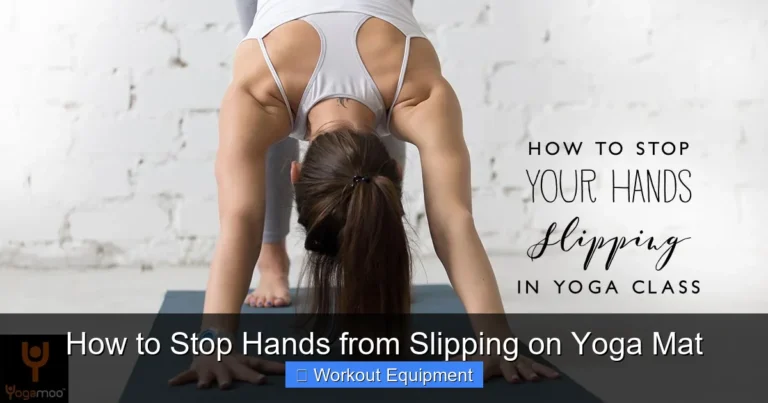
Grip is crucial, especially if you tend to sweat a lot during your sessions. A mat with good texture prevents your hands and feet from sliding during poses. This is important for safety and for holding poses with confidence and stability.
If you find your mat becomes slippery over time, there are ways to restore its grip. Regular cleaning and proper storage help a lot. Some people also use a yoga towel or grip spray to enhance traction. The key is to find a mat that keeps you secure, even when the sweat starts flowing during an intense Vinyasa yoga flow.
When You Do Not Need Your Own Mat
Bringing your own mat is great, but it is not always necessary. There are several situations where you can skip it entirely and still enjoy a great practice. Do not feel pressured to buy equipment before you are ready.
Trying Yoga for the First Time
If you are completely new to yoga, there is no need to buy a mat right away. Most studios have rental options, and many offer free or low-cost intro classes. Use those opportunities to figure out if yoga is something you want to commit to before spending money on equipment. It is a smart way to explore different styles without any financial pressure.
Home Practice
Some people prefer to practice on a carpeted floor, a padded rug, or even a folded blanket at home. If your practice happens in your living room and you are comfortable with the surface you have, a dedicated mat is not strictly required. The goal is to create a space where you feel calm, supported, and ready to focus.
Of course, if you do practice at home regularly, having your own mat will still improve the experience. It gives you a dedicated space that signals your brain it is time to focus and breathe. Think of it as creating a personal zone for your yoga practice.
Travel and Outdoor Sessions
When you are traveling or practicing outdoors, bringing a full mat is not always practical. A yoga towel can serve as a lightweight alternative. It rolls up small, fits easily in a bag, and provides a clean surface on grass, sand, or hotel floors.
Some people use a towel during travel and save their full mat for home sessions. This is a smart compromise that keeps your practice going without the extra baggage. It also works well for outdoor sessions in parks or on the beach where a full mat might be too bulky to carry around.
It is also worth noting that some fitness centers and gyms provide communal mats for group classes. Before buying your own, check what your gym already offers. You might find that you do not need one as often as you think, especially if you mainly attend gym-based classes.
Do You Have to Have a Mat for Yoga?
The honest answer is no, you do not have to have a mat for yoga in every situation. Many styles of yoga can be done on a bare floor, a towel, or even a folded blanket. The mat is a helpful tool, not a strict requirement. What matters most is that you feel comfortable and supported in your practice.
For a deeper exploration of this topic, check out our detailed guide on whether you have to have a mat for yoga. Understanding the full picture helps you make the best decision for your body, your practice, and your lifestyle.
Final Thoughts on Bringing Your Own Mat to Yoga
The question of whether to bring your own mat comes down to personal choice and practical needs. There is no single rule that applies to everyone. What works for one person might not work for another, and that is perfectly fine.
If you practice regularly, investing in a good personal mat is worth it. Your body and your hygiene will thank you every time you unroll it. If you are just starting out or practicing occasionally, rental mats and alternatives work just as well. The most important thing is that you show up and enjoy your practice.
Your mat is a personal space. It supports your joints, anchors your poses, and creates a boundary between your practice and the world around you. Whether you bring your own or use a studio mat, what truly matters is the time you spend on the floor, breathing, moving, and being fully present in the moment.
Start where you are. Use what you have. Let your practice grow naturally, and the mat question will answer itself over time. The best mat is the one that gets you to your yoga practice consistently and comfortably, week after week.
Frequently Asked Questions
Can I use a towel instead of a yoga mat?
Yes, a towel can work as a substitute in a pinch, especially for travel or outdoor sessions. However, towels do not provide the same cushioning or stability as a proper yoga mat. They work best as a temporary solution or a lightweight alternative for gentle practices.
How often should I clean my yoga mat?
You should clean your mat at least once a week if you use it regularly. For hot yoga or intense sessions, wiping it down after every use is ideal. Regular cleaning removes sweat, bacteria, and buildup that can make your mat slippery over time.
What type of yoga mat is best for beginners?
A standard TPE or PVC mat around 1/4 inch thick is a great starting point for beginners. These are affordable, lightweight, and provide enough cushion for most poses. You can always upgrade to a more specialized mat as your practice develops.
Can I bring my yoga mat to any studio?
Most studios welcome personal mats, but a few may have specific rules about thickness, size, or material. It is always a good idea to check the studio’s policy before your first visit. When in doubt, simply call or email the front desk to confirm.
How do I carry my yoga mat to class?
Most yoga mats come with a carrying strap or can be rolled up and tied with a strap. Some people use a dedicated yoga bag with shoulder straps for easier transport. Choose a method that is comfortable and keeps your mat secure during your commute.
Is an expensive yoga mat worth the investment?
An expensive mat is not always necessary, but higher-quality mats often last longer, provide better grip, and offer superior comfort. If you practice regularly, investing in a good mat pays off over time. However, there are also plenty of affordable options that work wonderfully for most practitioners.